Featured Waterproof Packs & Integrated Electronics
Tested under rigorous IPX6 hydropressure standards, engineered for endurance road, gravel, and mountain cycling ecosystems.
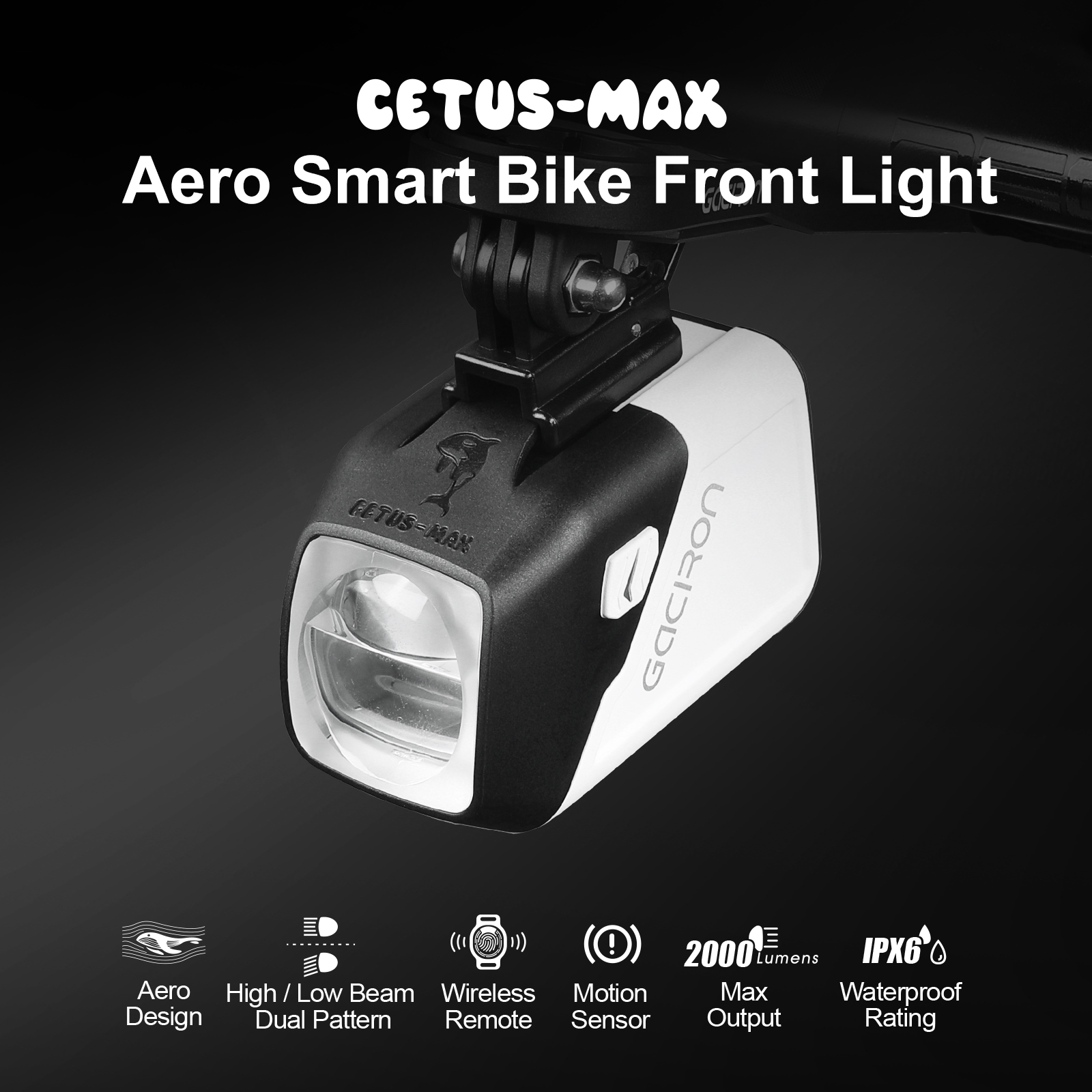
2000 Lumen Bike Headlight LED Bicycle Front Light Wireless Remote Control IPX6 Waterproof Handlebar Lamp
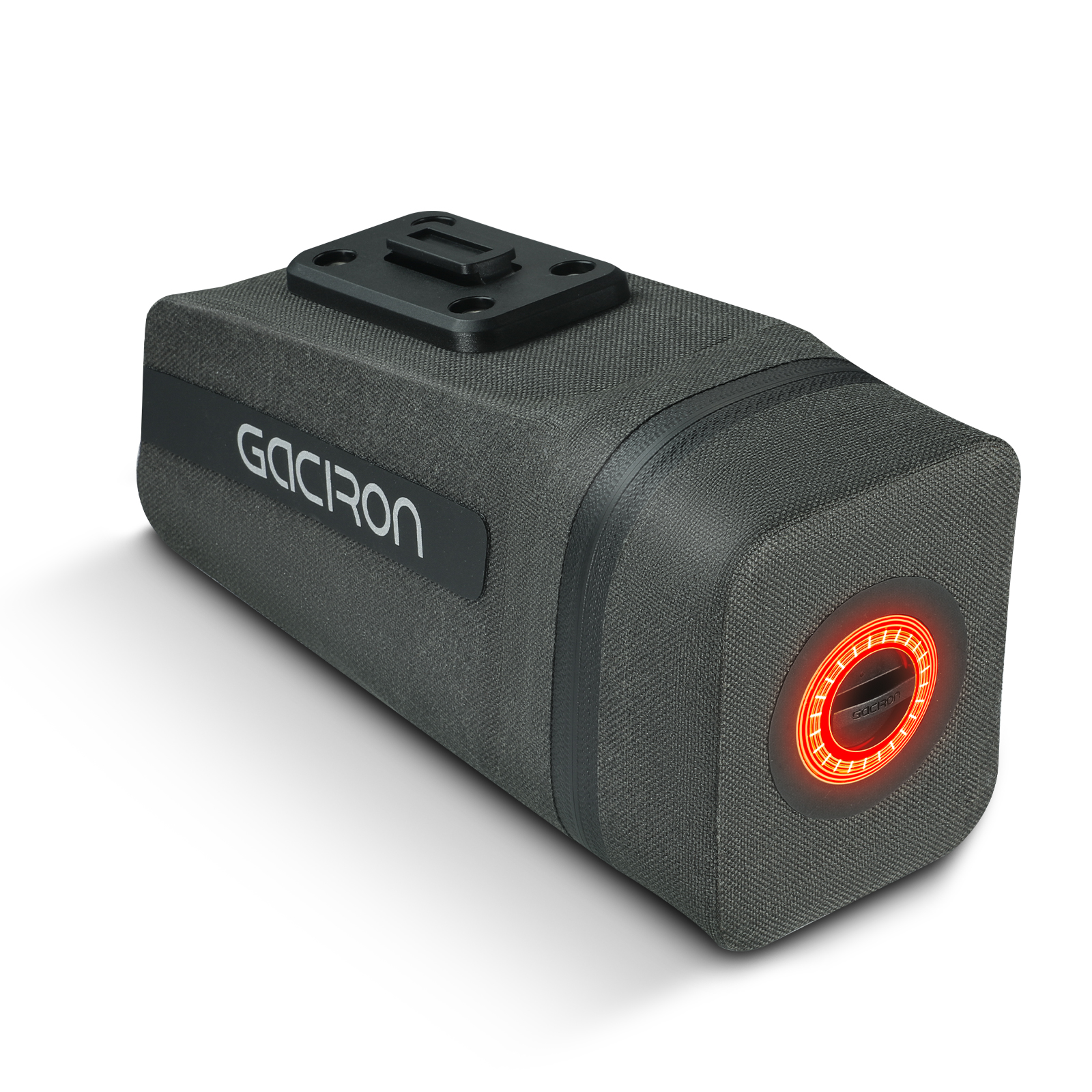
Gaciron Bird Nest-200 Waterproof Road Bike Rear View Mirror Bag-Cycling Outdoor Bicycle Accessories
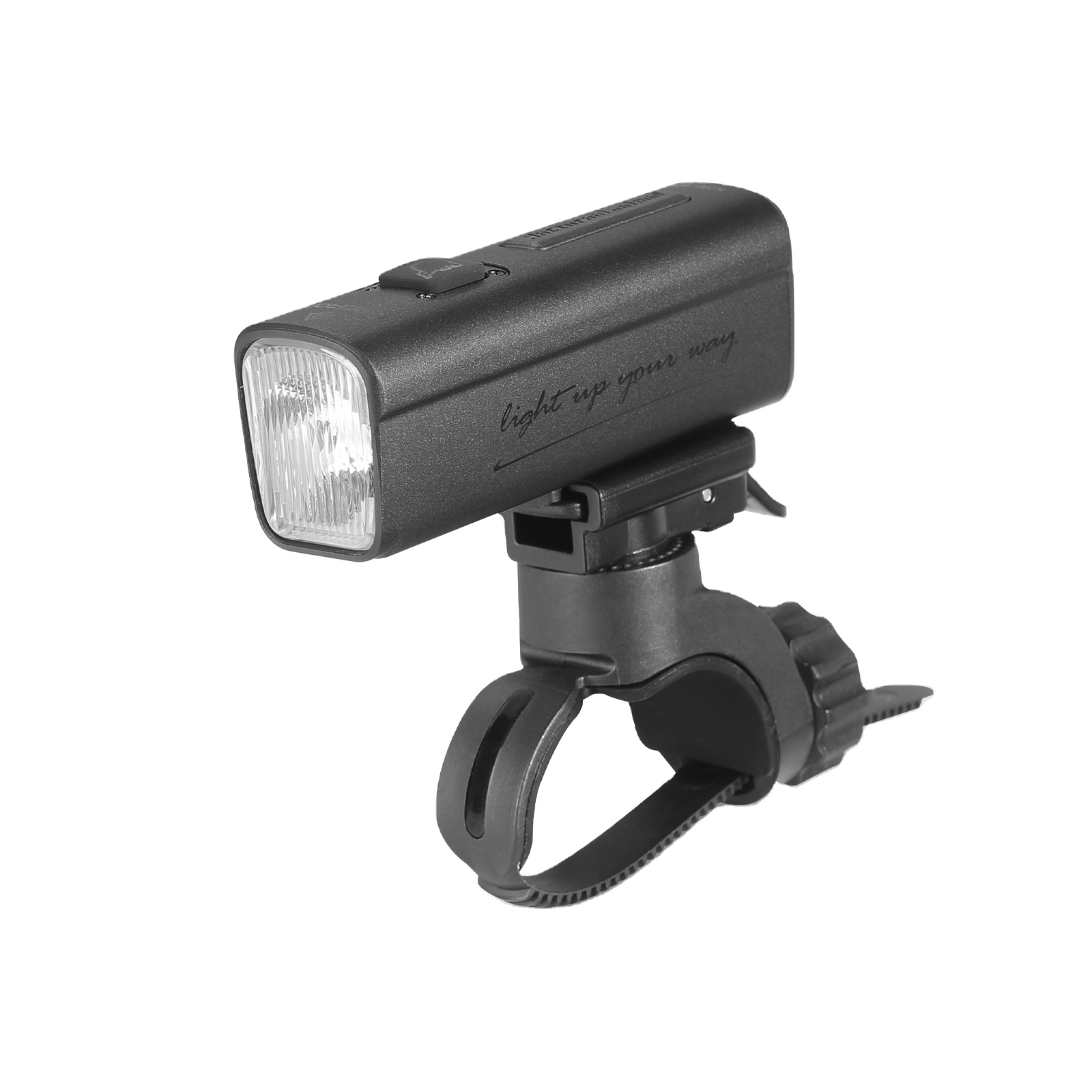
GACIRON 400 Lumen Bicycle Front Light LED Bike Headlamp IPX6 Waterproof Rechargeable for Night Riding
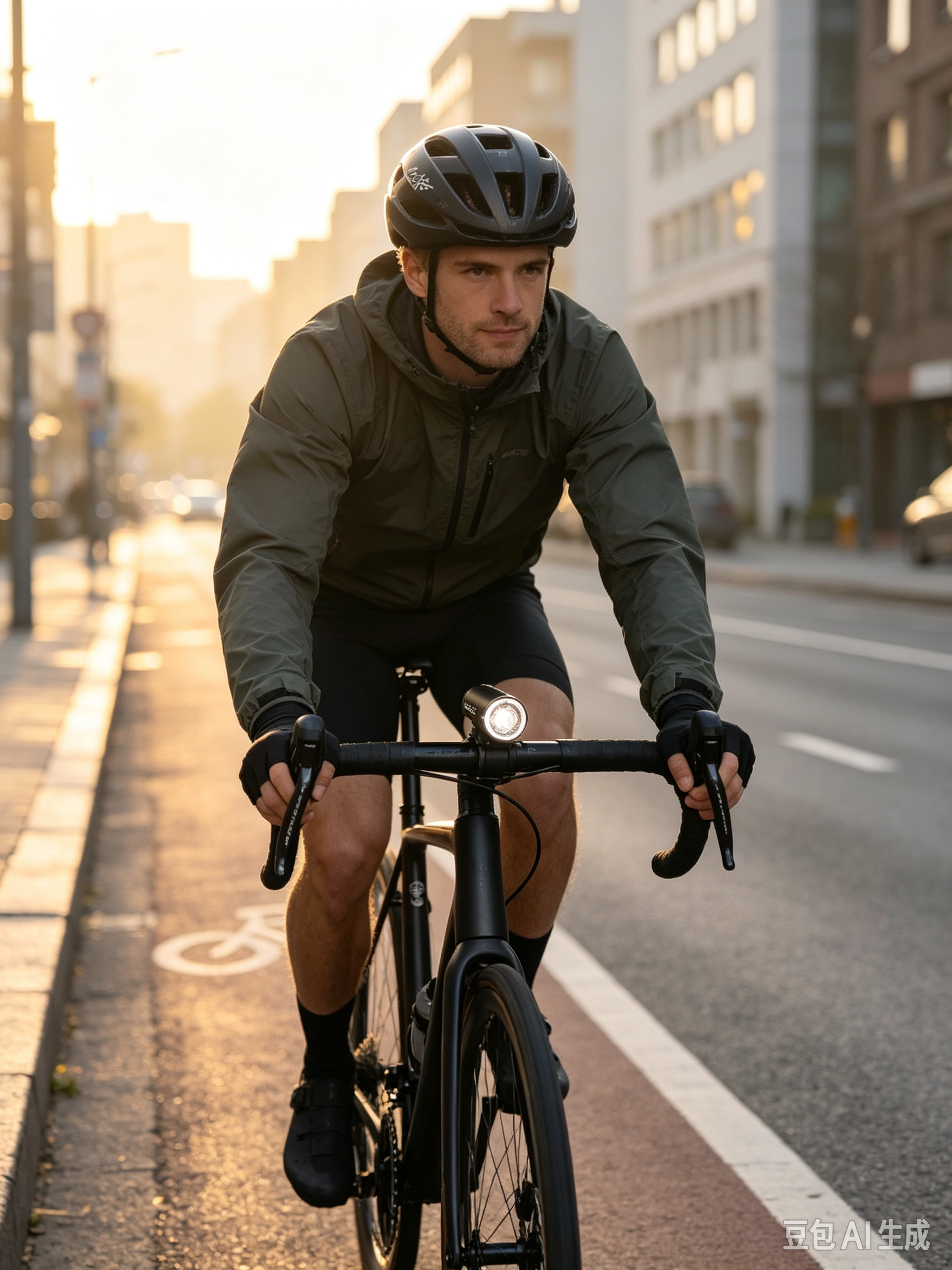
Gaciron EE-650 Rechargeable LED Bicycle Front Light Symmetrical Optical Design IPX6 Aluminum Alloy Headlamp
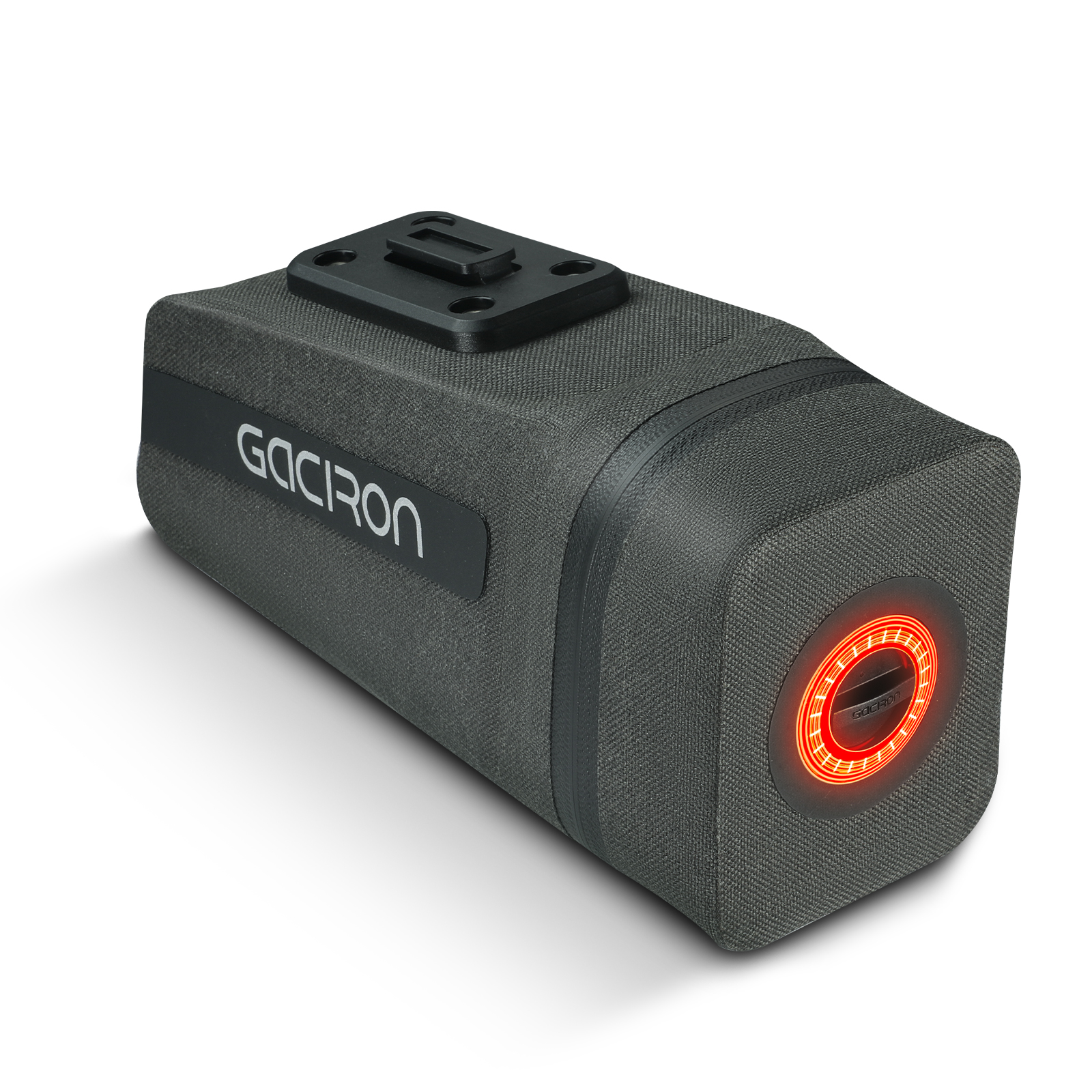
Gaciron Bird Nest-200 Waterproof Bike Bag for Road Bike-2kg Lightweight Structural Support
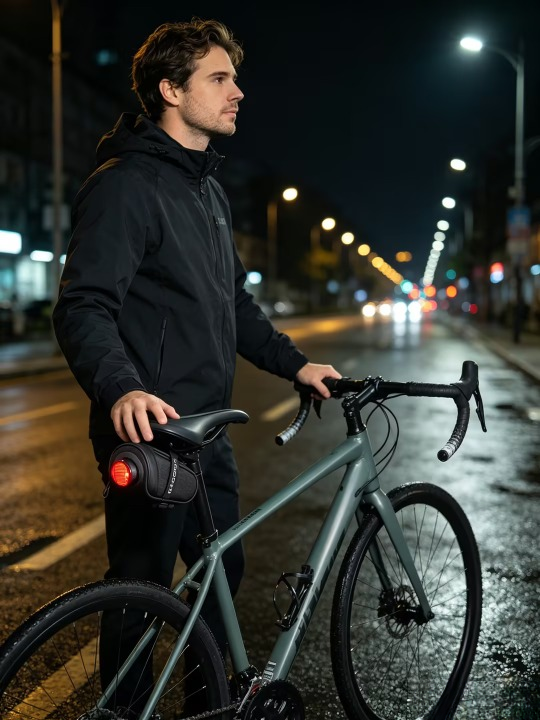
Gaciron Bird Nest-300G(S) Bicycle Saddle Bag Taillight Clip Rechargeable TPU IPX6 5 Modes Night Riding
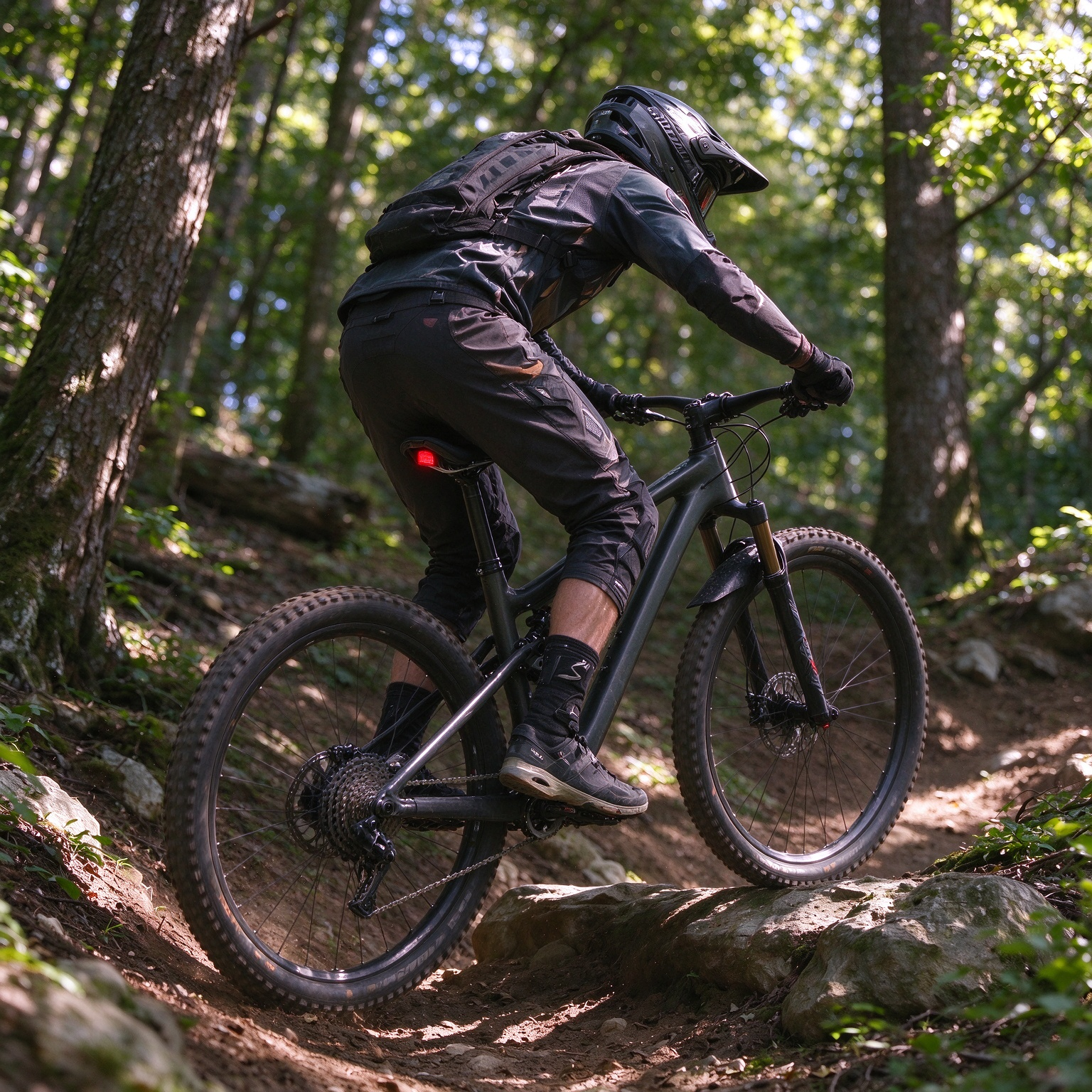
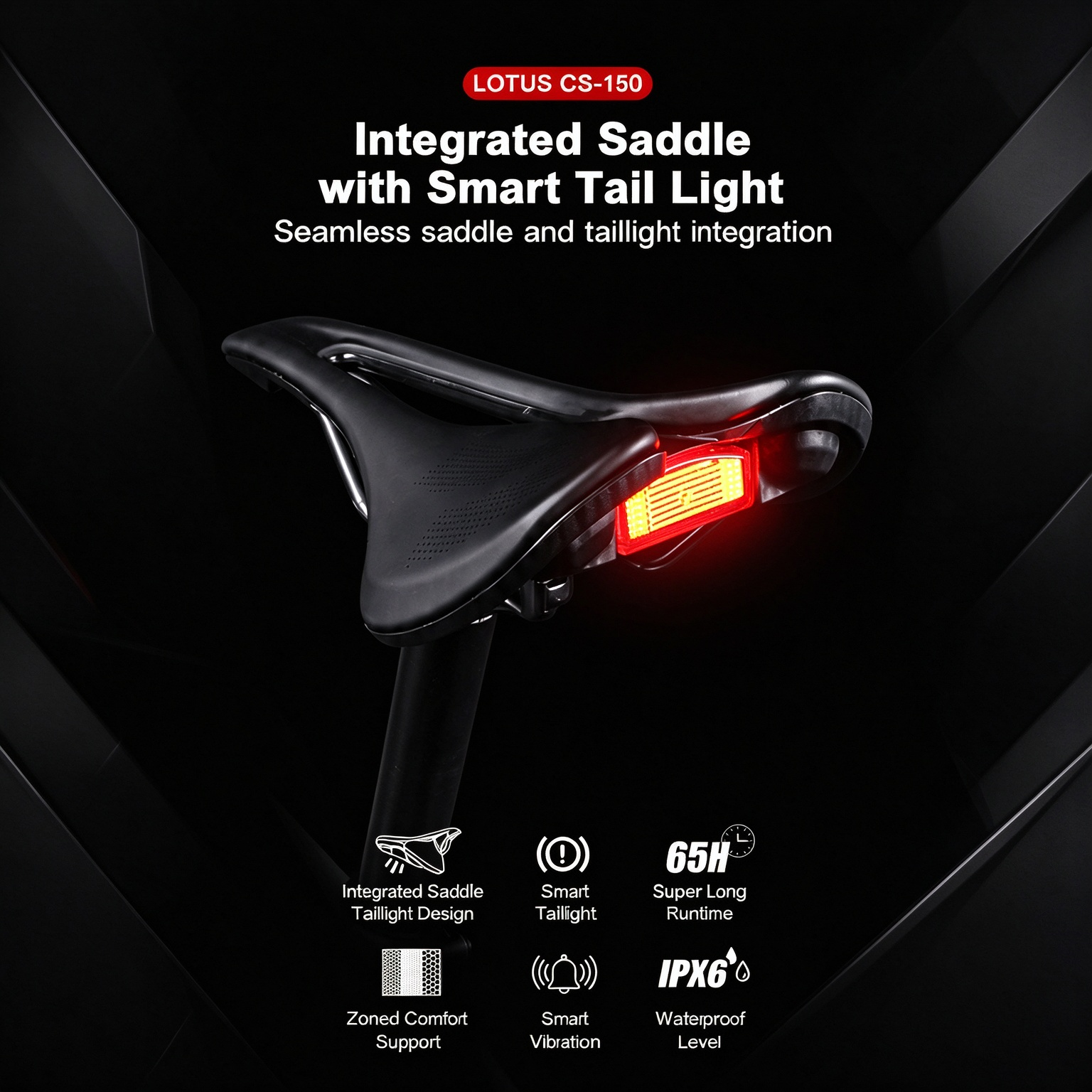
Gaciron CS-150 Bike Accessories Integrated Smart Taillight Zoned Comfort Support 65h Super Long Runtime IPX6
Industrial Specification: Engineering Waterproof Saddle Bags for Extreme Environments
In technical cycling equipment manufacturing, the definition of "waterproof" requires clear scientific distinction. Traditional cycling packs employ woven cordura or polyester finished with a surface polyurethane (PU) spray, relying on nylon thread stitching. Under continuous rainfall, hydrostatic water pressure breaches stitch needle perforations. For cycling brands, retail chains, and commercial importers catering to demanding markets like Victoria, Australia, our factory utilizes High-Frequency Radio Frequency (RF) Welding and Ultrasonic Seam Sealing.
Our bags employ multi-layer composite structures: heavy-duty thermoplastic polyurethane (TPU) laminated over ripstop nylon or high-density 600D/840D Oxford fabrics. By activating the molecular resin under high-pressure RF energy, adjacent panels fuse without puncture points, creating an impenetrable physical barrier against road spray, silty gravel slush, and continuous downpours. Backed by in-house industrial tooling, CNC mold production, and dust-free assembly lines, our products sustain rigorous industrial flexing tests without delamination or embrittlement across temperatures ranging from sub-zero mountain climates to scorching heatwaves.
Victoria Regional Terrain & Commuter Applications
Designing specialized cargo and illumination ecosystems tuned to regional geography and regulatory demands.
Melbourne Metropolitan Commuting
Melbourne's renowned "four seasons in one day" climate demands instantaneous weatherproofing. Commuters traversing the Capital City Trail, Main Yarra Trail, or dynamic CBD traffic grids encounter sudden thermal cloudbursts. Our compact saddle bags with quick-release rail brackets provide complete moisture defense for mobile devices, multi-tools, and battery packs while ensuring streamlined aerodynamics through congested avenues.
Victorian High Country & Alpine Road Ascents
Climbs through Mount Hotham, Falls Creek, and Mount Buffalo test the endurance of ultra-distance road and audax riders. At high elevations, rapid descents create intense spray, and low temperatures cause inferior plastics to fracture. Our low-profile TPU saddle bags feature structural internal skeletons that prevent lateral sway during out-of-the-saddle climbing, keeping contents dry through mountain mist and rapid temperature plunges.
Regional Gravel & Goldfields Trail Bikepacking
From the Goldfields Track to the Murray to Mountains Rail Trail, gravel touring requires dustproof and mudproof resilience. Our roll-top saddle packs utilize dual-coated TPU surfaces that shed abrasive quartz gravel grit and mud effortlessly. When paired with integrated smart brake taillights, riders maintain broad conspicuity during twilight gravel sections and dusty rural backroads.
Procurement Trends & Regional Growth Drivers Across Victoria
The Australian cycling market is undergoing significant institutional and behavioural shifts. According to transport infrastructure strategies in Victoria, substantial investment in protected cycling lanes and long-distance rail trails has stimulated double-digit growth in utility and leisure cycling. Procurement teams and brand managers sourcing bicycle accessories must navigate several critical market drivers:
1. The Surge in Utility E-Bikes and Heavy Cargo Demands: E-bike riders maintain higher average cruising speeds (25 km/h limit in Australia) regardless of wind or rain. Higher speeds increase road spray velocity against the underside of the saddle by more than 300%. Standard water-resistant bags fail under these conditions. Buyers across Victoria now explicitly specify certified IPX6-rated high-frequency welded bags.
2. All-in-One Convergence (Storage + Active Illumination): Autonomous safety devices are supplanting standalone bags. Retail consumers actively seek integrated packages—such as our Gaciron CS-150 and Bird Nest series—that consolidate lightweight cargo capacity with rechargeable, brake-sensing taillights. Integrating precision optical lenses into structural bags eliminates cockpit and seatpost clutter while adhering to local road vehicle visibility requirements.
3. Sustainability and Circular Lifecycle Requirements: Importers face tightening corporate ESG standards. Our production plant minimizes environmental impact through eco-conscious TPU formulas, reduced volatile organic compound (VOC) adhesion processes, and modular hardware designs that allow localized strap or buckle replacement rather than total product disposal.
Procurement FAQ: Victoria & Oceanian Buyers
Technical, logistical, and commercial inquiries routinely handled by our export division.
How does your factory test and certify waterproof integrity against severe Australian weather?
Every batch undergoes continuous hydrostatic head testing (simulating downpours up to 10,000mm water column) and IPX6 dynamic high-pressure water jet oscillation testing. Our ultrasonic and high-frequency welded seams are stress-tested to ensure no water penetration through zippers, attachment interfaces, or material folds under high-vibration off-road riding conditions.
Can you provide custom branding, private molds, and tailored strap geometry for specific saddle rails?
Yes. With more than 50 in-house CNC centers and an integrated tooling workshop, we support full OEM/ODM engineering. We can customize high-frequency embossed logos, screen-printed reflective graphics, customized TPU colorways, and proprietary mounting brackets compatible with traditional 7mm titanium/steel saddle rails as well as oversized 7x9mm oval carbon rails.
What are the minimum order quantities (MOQ) and lead times for shipping to the Port of Melbourne?
For standard catalog designs, our baseline MOQ begins at only 20 units per SKU to support flexible stocking. For fully customized private-label or bespoke tooling projects, MOQs typically range from 500 to 1,000 units depending on mold complexity. Sea freight transit times from Shenzhen/Hong Kong ports to the Port of Melbourne average 14–18 days, with air courier options available for urgent inventory top-ups within 4–6 business days.
Do integrated electronic models comply with Australian electrical and environmental standards?
All integrated electronic taillights and smart warning units feature certified lithium-polymer batteries with UN38.3, MSDS, CE, and FCC compliance, meeting Australian RCM (Regulatory Compliance Mark) safety standards. The lighting components are designed with auto-sleep motion sensors, Type-C charging circuitry, and high-efficiency optical arrays suitable for direct Australian road use.
What trade and payment terms does your export team accommodate?
We support comprehensive international Incoterms including FOB Shenzhen, CIF Melbourne, EXW, and door-to-door DDP (inclusive of Australian customs clearance and GST). Standard payment channels encompass T/T wire transfers, Letters of Credit (L/C), PayPal, and secure merchant agreements, denominated in AUD, USD, or EUR.
Factory Strengths & Advanced Engineering Core
Why leading global sports brands and Australian distributors partner with Shenzhen QUZR Technology.
Integrated Tooling & 50+ CNC Machines
Unlike simple assembly facilities, our 9,350 m² manufacturing plant maintains direct in-house control over metal stamping, precision aluminum bracket CNC milling, and high-frequency welding tooling. This tight control slashes prototyping turnaround from months to days and maintains sub-millimeter tolerances on mounting hardware.
8 Dust-Free Assembly Lines
Cleanroom manufacturing guarantees that sensitive microelectronics, optical lenses, and thermo-welded joints remain free of dust, grease, and airborne contaminants during sealing. The result is a documented 40% buyer reorder rate and industry-leading field reliability over long warranty periods.
Rapid B2B Engineering Response
Our multilingual engineering and export management department guarantees average inquiry responses within 3 hours (95.24% documented response velocity). We assign dedicated technical account specialists to assist with 3D CAD step files, packaging dielines, regulatory documentation, and freight logistics.