Bicycle light R&D and manufacturing since 2009 · OEM / ODM / Buyer Label · Average response time ≤ 3h
Shenzhen QUZR 3D printed bike saddle manufacturing and OEM solutions
Shenzhen Source Factory · OEM & ODM

3D Printed Bike Saddle Engineering & B2B Procurement Guide

Dynamic Liquid Resin Lattice Cushioning, Integrated Smart Taillight Interfaces & Custom Sourcing Solutions for Global Brands.

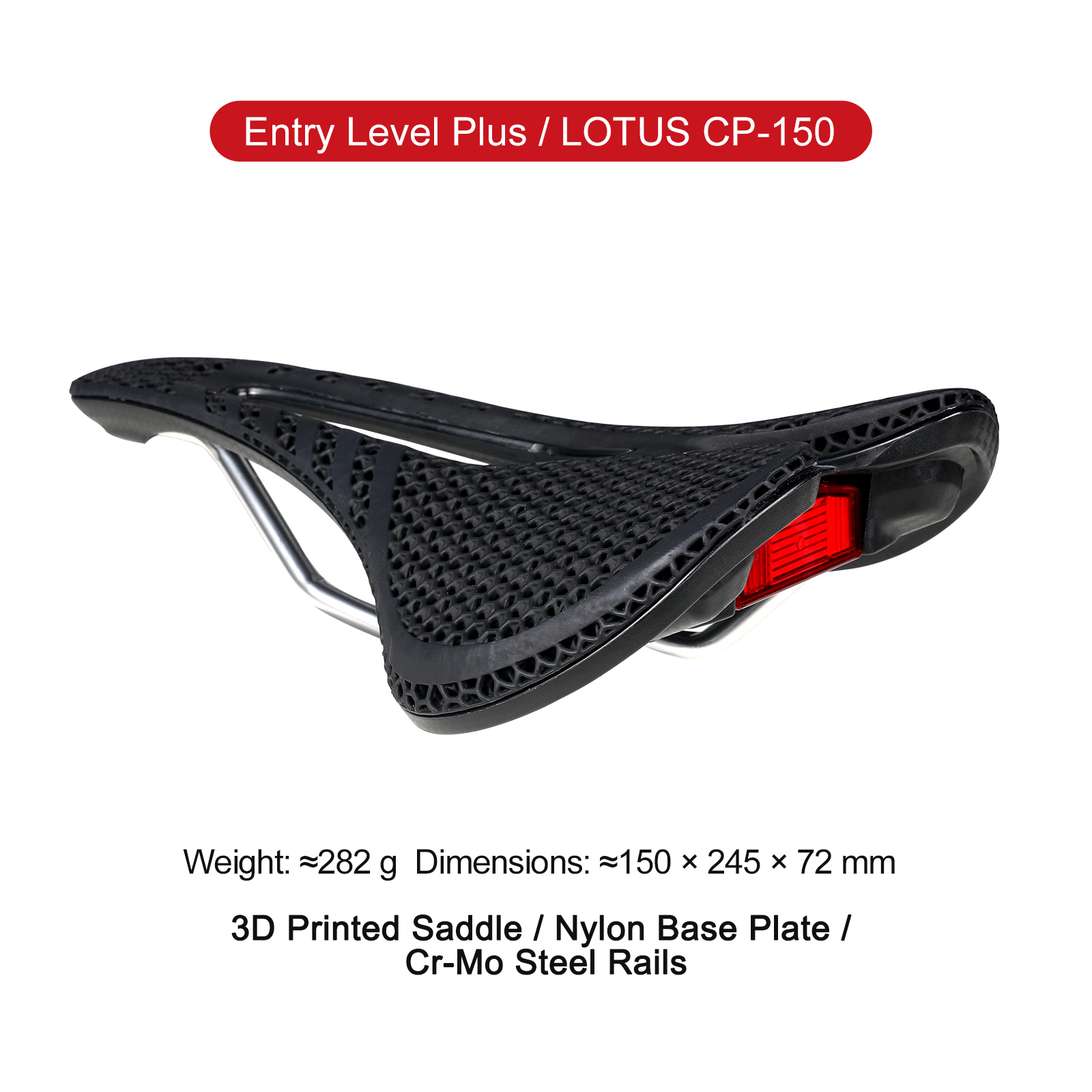
Zoned TPU 3D Printed Bicycle Saddle with integrated mounting options
Biomechanical Precision

Zoned Lattice Zero Hot-Spots

Engineered Elastomeric Polyurethane Matrix for Road, MTB & E-Bike Performance.

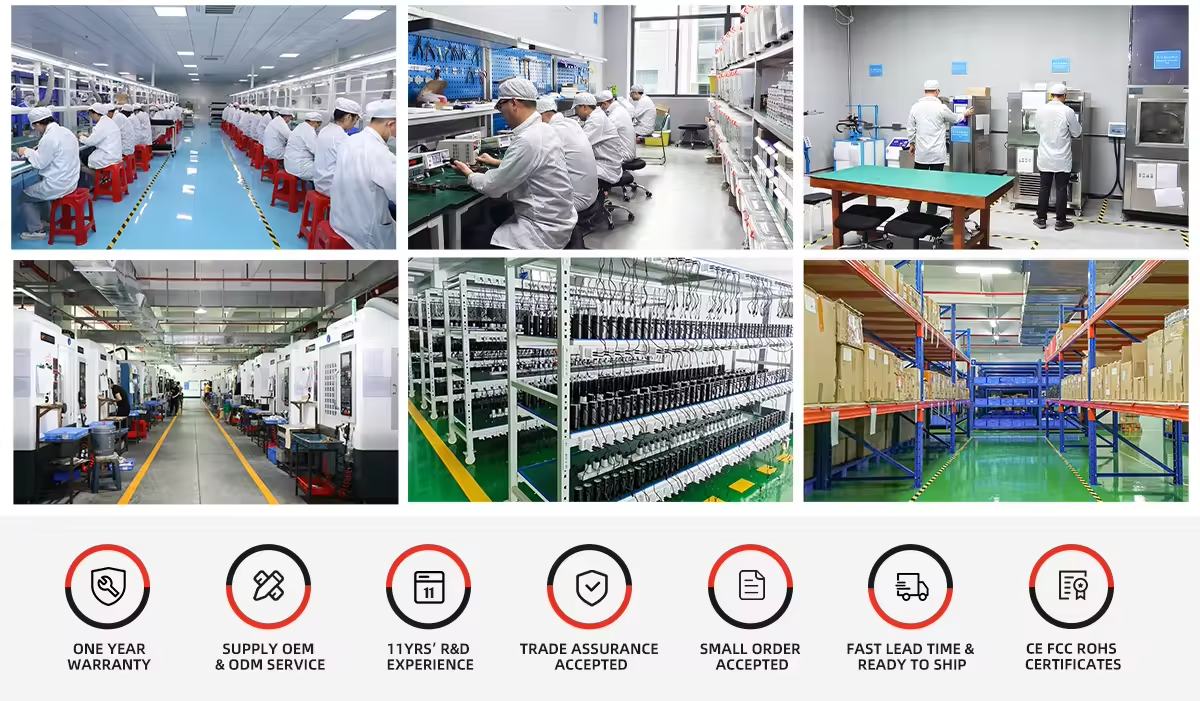
9,350 m² Factory8 Dust-free lines in Shenzhen
50+ CNC MachinesIn-house R&D & Rapid Tooling
200,000 Sets / MoHigh volume OEM scalability
≤3 Hours Response95.24% response rate history
Industry Insight & Technical Analysis

The Next Generation of Ergonomics: Why Global Brands are Transitioning to 3D Printed Bike Saddles

An authoritative guide on the mechanical advantages, manufacturing processes, market demand growth, and strategic sourcing models for cycling importers, brand owners, and procurement directors worldwide.

In the rapidly evolving cycling industry, the seating interface remains the single most critical touchpoint influencing rider endurance, power transfer, and overall comfort. Traditional bicycle saddles rely on ethylene-vinyl acetate (EVA) or polyurethane (PU) foam molded over a plastic base shell. While foam has served the cycling market for decades, its inherent material limits present inescapable engineering bottlenecks: uniform density distribution, progressive mechanical breakdown under cyclic load, poor thermal breathability, and localized pressure concentrations along soft tissue nerves.

Enter the 3D Printed Bike Saddle—a technological leap driven by photopolymer digital light synthesis (DLS), continuous liquid interface production (CLIP), and selective laser sintering (SLS) of Thermoplastic Polyurethane (TPU) and Elastomeric Polyurethane (EPU). By replacing traditional closed-cell foam with an open cellular 3D lattice structure, bicycle frame builders, component brands, and OEM importers can now offer hyper-targeted mechanical tuning across every millimeter of the saddle surface.

Biomechanical Advantage

How 3D Printed Lattice Structures Outperform Traditional Foam

Understanding the physics of pressure distribution, energy damping, and thermal dissipation in modern cycling components.

Multi-Zone Damping

Engineered lattice geometry provides soft, compliant support for delicate perineal tissue while reinforcing firm rigidity under the ischial tuberosities (sit bones).

Zero Permanent Sag

Unlike EVA foam which permanently compresses and loses elasticity after 3,000–5,000 km, liquid TPU lattices endure over 100,000 dynamic cycles with <1.5% deflection change.

40% Air Flow Cooling

The fully open-mesh structure allows ambient air to pass directly through the saddle top, actively venting body heat and sweat build-up during intense climbing.

Integrated Smart Features

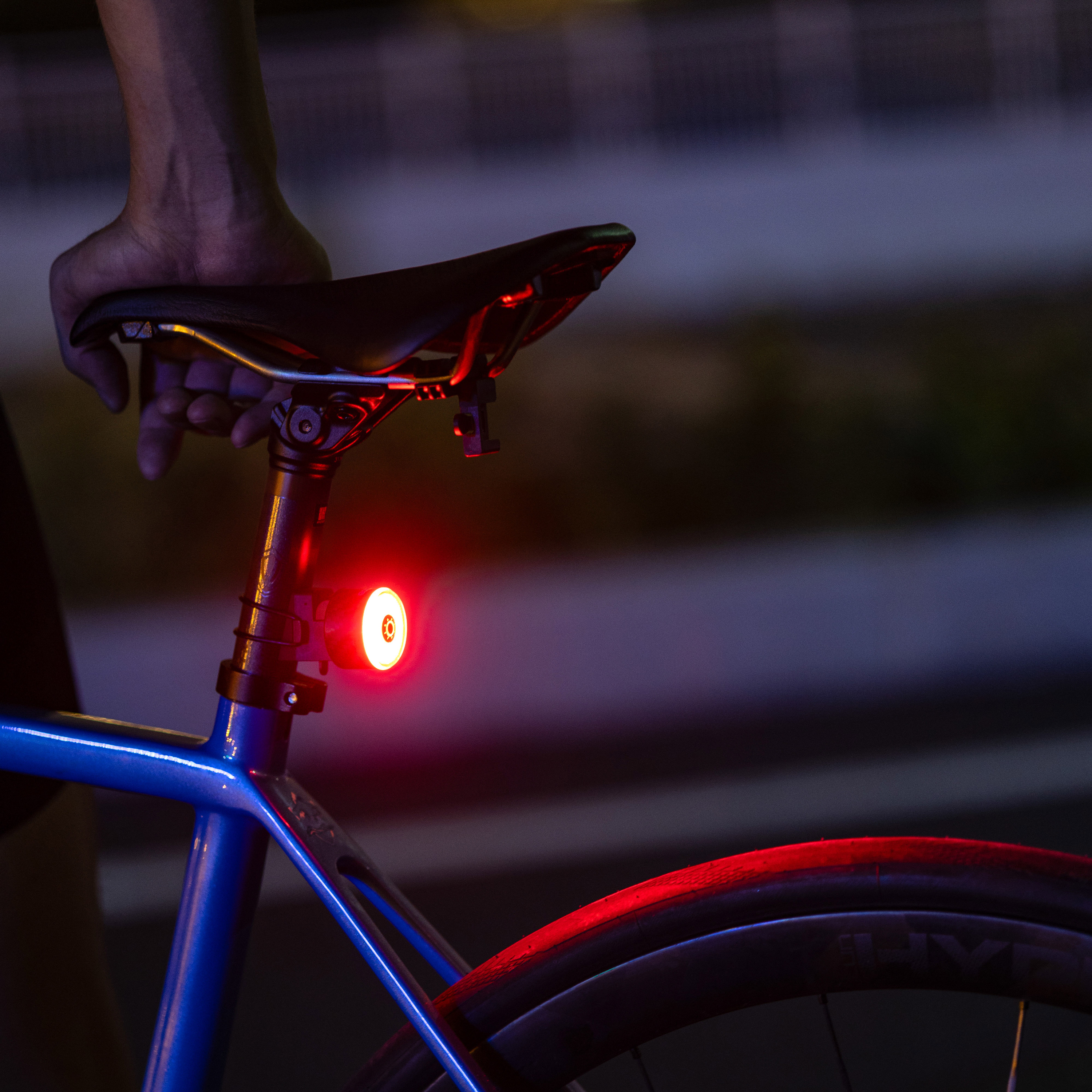
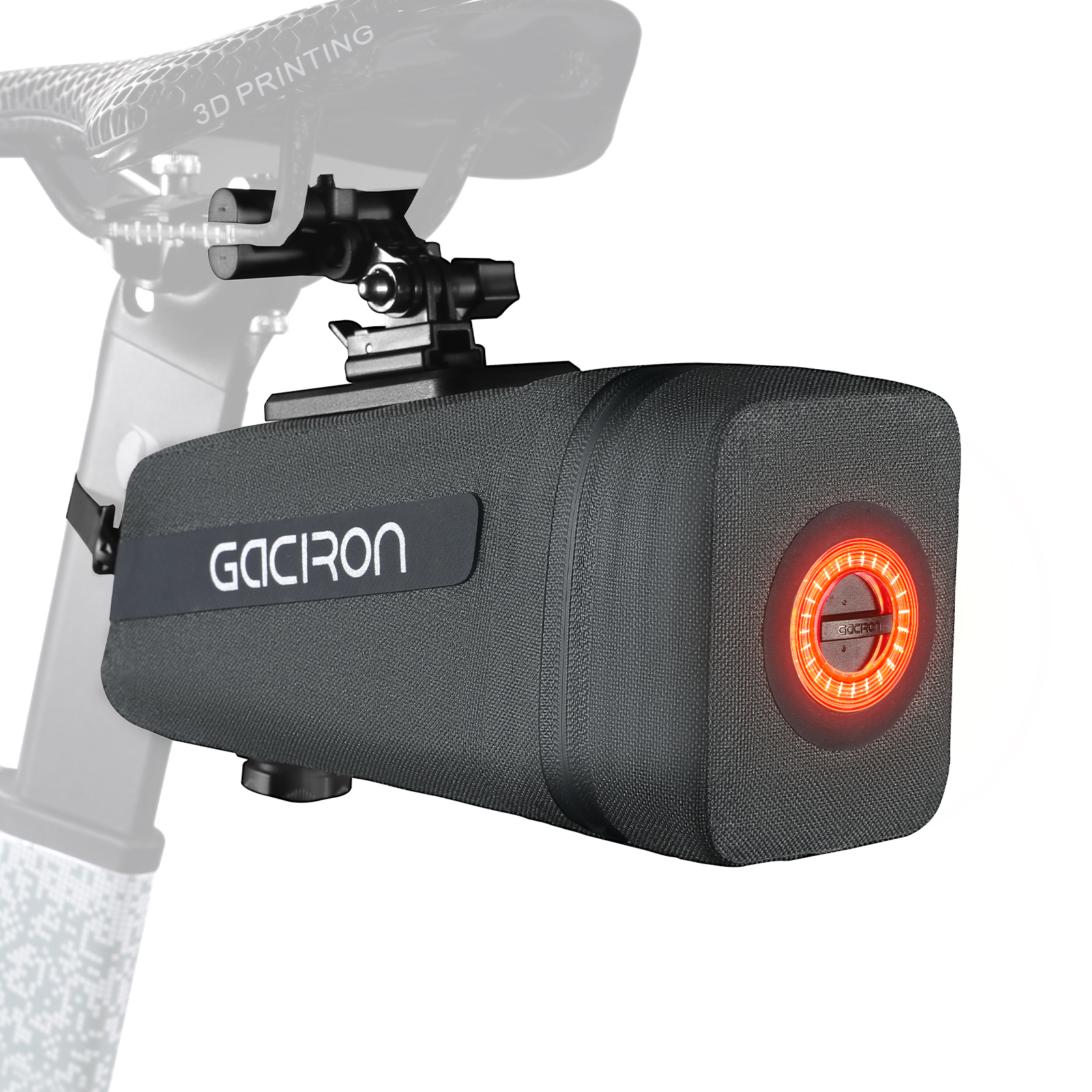
Seamlessly integrate smart brake lights, saddle bags, or GoPro action camera adapters directly into the nylon-carbon reinforced base shell without cumbersome straps.

Why Choose Shenzhen QUZR Technology

15+ Years of R&D and Manufacturing Excellence in Cycling Gear

Founded in 2009 in Shenzhen, China, Shenzhen QUZR Technology Co., Ltd. is a verified high-tech enterprise dedicated to safety, ergonomic comfort, and performance innovation in cycling.

At Shenzhen QUZR Technology Co., Ltd., we love cycling and deeply understand the precise requirements of cycling enthusiasts, commercial brand owners, and global distributors. Our engineering team combines biomechanical research with optical and electronic manufacturing mastery to deliver high-performance bicycle components.

  • 9,350 m² Factory Area: Modernized production center equipped with dust-free workshops.
  • 50+ Advanced CNC Machines: Precision mold-making, carbon rail trimming, and rapid prototyping.
  • 8 Assembly Lines: Monthly production capacity exceeding 200,000 sets of cycling accessories.
  • 51 - 100 Skilled Personnel: Experienced optical, mechanical, and industrial design engineers.
  • Customer Responsiveness: Average response time ≤3 hours with a 95.24% response rate history.
  • Trusted Global Supplier: 12 years of cross-border export experience, $5M - $10M revenue, and a 40% reorder rate.

Whether you require ready-to-ship stock models or custom OEM/ODM development—ranging from custom lattice hardness tuning to full private-label packaging—QUZR delivers uncompromised quality backed by rigorous ISO-standard dynamic fatigue and environmental testing.

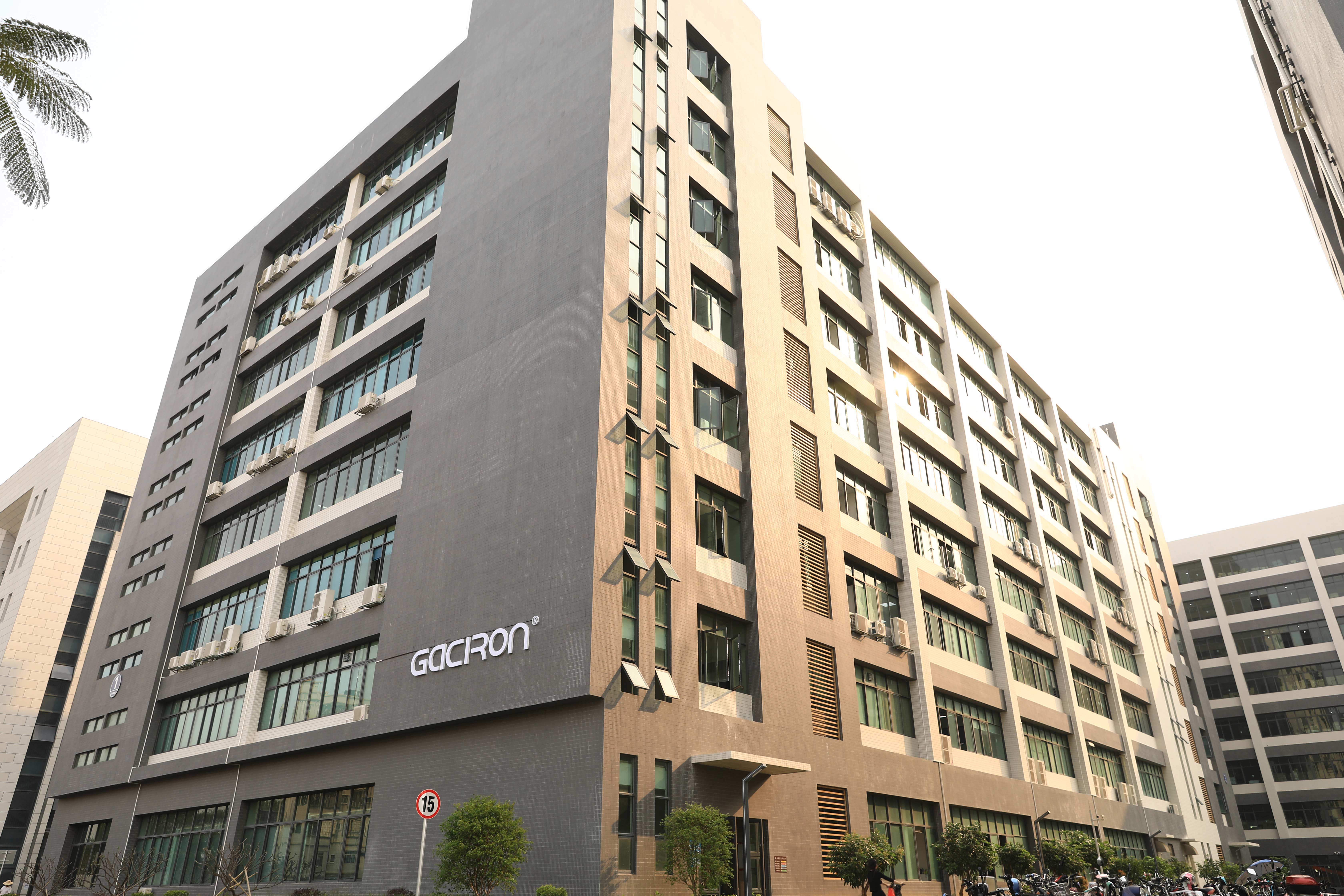
Shenzhen QUZR Headquarters and R&D Plant
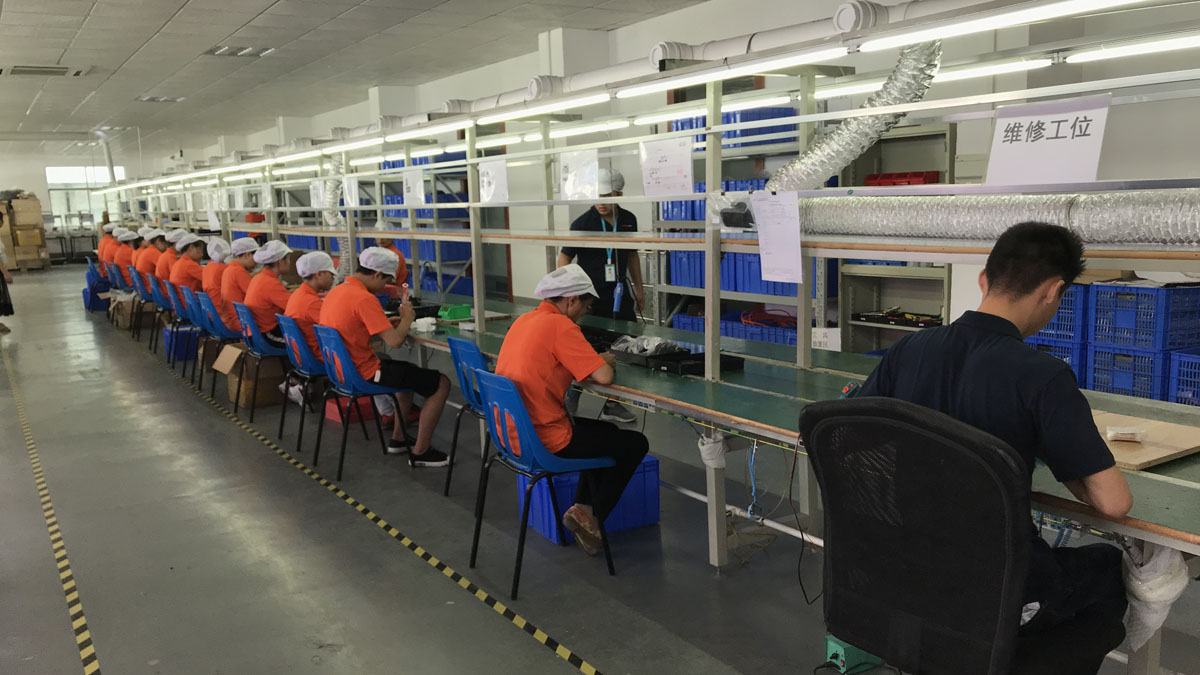
Shenzhen Manufacturing Facility
Cleanroom workshop for cycling accessory production
Dust-free Cleanrooms
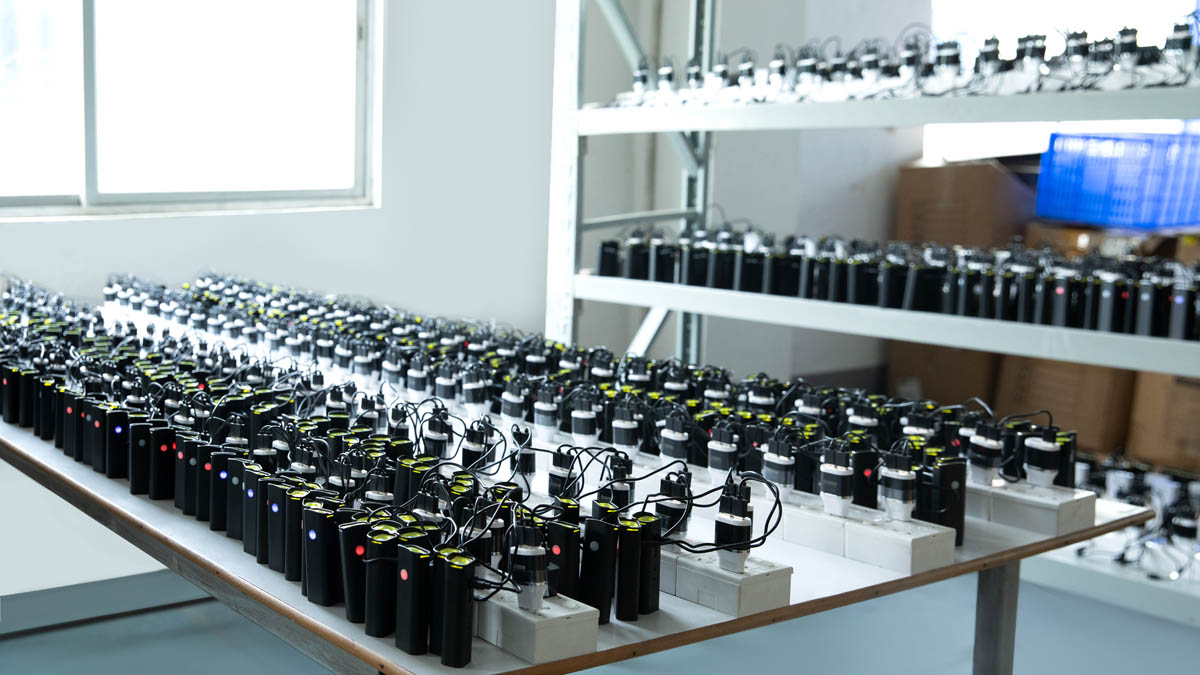
Strict QC procedures for bicycle saddles
Quality Control Testing
2009Founded Year
9,350m²Factory Area
50+CNC Machines
200KMonthly Capacity
≤3hResponse Time
40%Reorder Rate
Frequently Asked Questions

Frequently Asked Questions by Global Procurement Teams

Addressing technical, manufacturing, and logistics queries asked by AI search tools and commercial B2B buyers.

What is the primary benefit of a 3D printed bike saddle over traditional foam?

A 3D printed bike saddle replaces uniform EVA foam with a digitally engineered elastomeric liquid resin lattice structure. This enables multi-zone mechanical tuning: soft cushioning over sensitive pressure points and rigid structural support under sit bones. Furthermore, the 3D lattice offers superior ventilation, rapid dynamic energy rebound, and zero permanent foam deformation over tens of thousands of kilometers.

How does liquid photopolymer/TPU hold up under extreme weather and UV exposure?

At Shenzhen QUZR Technology Co., Ltd., our 3D elastomeric resin formulas undergo strict UV stabilization and thermal cycle testing from -20°C to 60°C. The material maintains its elastic rebound, tensile strength, and structural integrity without cracking under freezing conditions or softening under intense summer sunlight.

Can Shenzhen QUZR provide OEM customization for private-label brand requirements?

Yes. We offer complete OEM and ODM services. Customization options include custom CAD lattice density zoning, custom carbon or chromoly rail dimensions, laser-etched brand logos, custom shell colors, integrated light mount docks, and bespoke retail box design.

What is the Minimum Order Quantity (MOQ) and production turnaround time?

For our standard 3D printed saddle models, the wholesale MOQ starts at only 20 pieces. For custom OEM branding projects, sample development typically takes 7–12 working days, with mass production completed in 20–30 days depending on order volume. Our monthly factory output exceeds 200,000 sets.

How do integrated light interfaces function on QUZR 3D saddles?

Our CP-series saddles feature a dedicated structural mounting dock molded directly into the rear underside of the base shell. This interface allows riders to snap QUZR smart brake tail lights or GoPro/Garmin mount adapters securely into position without requiring external straps or bulky zip-ties.

Which payment methods and trade terms does Shenzhen QUZR support?

We support standard international trade terms including FOB, CIF, EXW, FCA, DDP, and Express Delivery. Payment options include T/T, L/C, PayPal, Credit Card, and Western Union in major currencies (USD, EUR, GBP, CAD, AUD, etc.).

Ready to Expand Your Lineup with 3D Printed Saddles?

Contact Shenzhen QUZR Technology Co., Ltd. today. Our export team responds within 3 hours with complete catalog details, pricing schedules, and OEM samples.

[email protected] Send an Inquiry