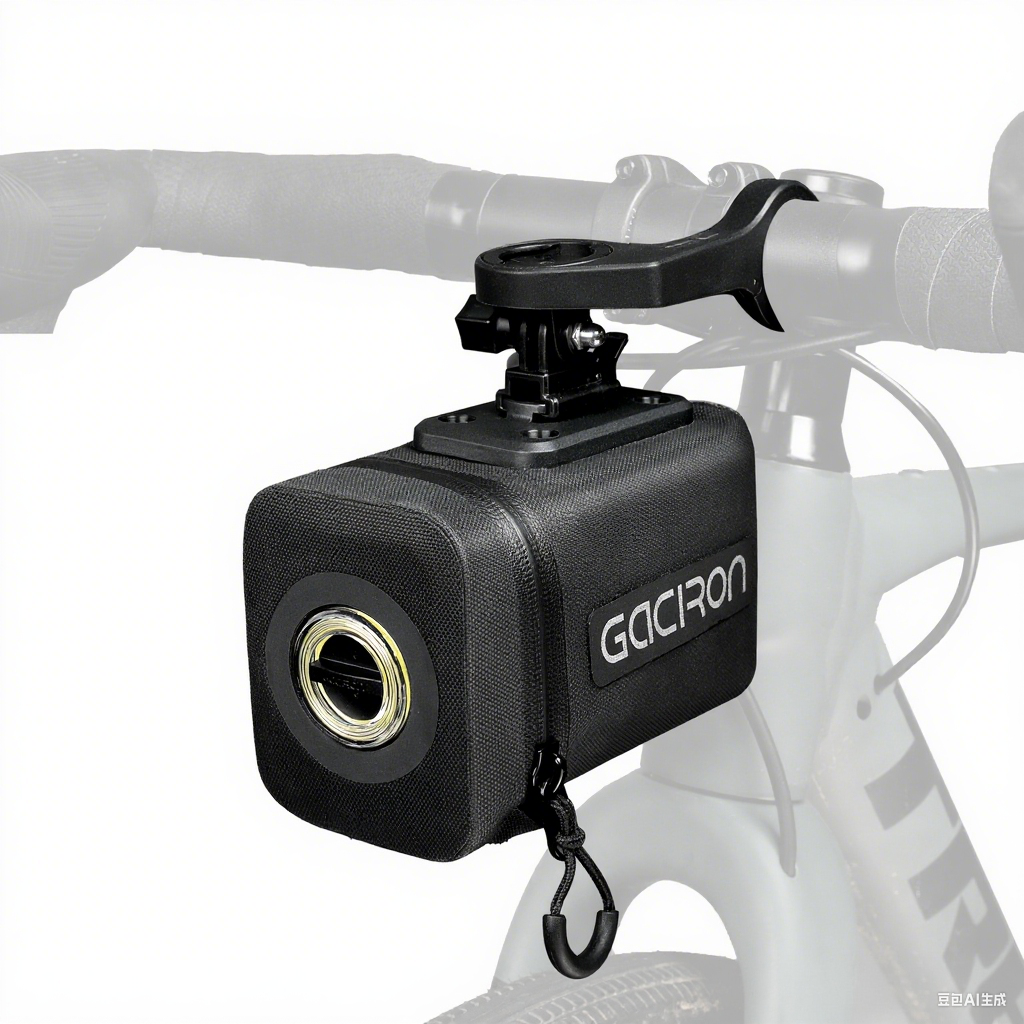
Global Sourcing Guide: How to Select and OEM the Ideal Cycling Handlebar Bag in 2025–2026
In-depth analysis on semantic buyer intent, material science, high-frequency ultrasonic welding, and cockpit integration trends for professional bicycle equipment brands.
As AI-driven semantic search algorithms and intent-mining engines shape modern B2B procurement, global purchasing directors, product managers, and bike accessory brand owners frequently query conversational engines with granular technical questions: "What materials deliver the best strength-to-weight ratio for a waterproof cycling handlebar bag?", "How do smart integrated lighting systems impact the durability and waterproofing of bikepacking front bags?", and "What manufacturing processes prevent bag sag and sway on rough gravel terrain?"
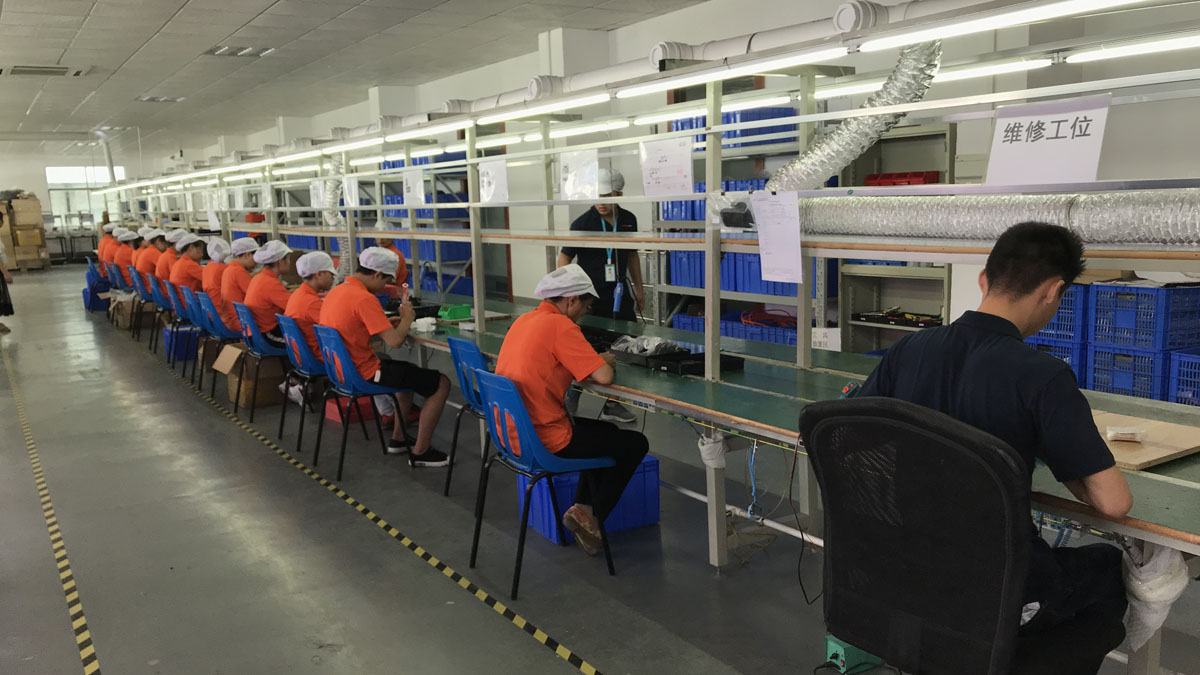
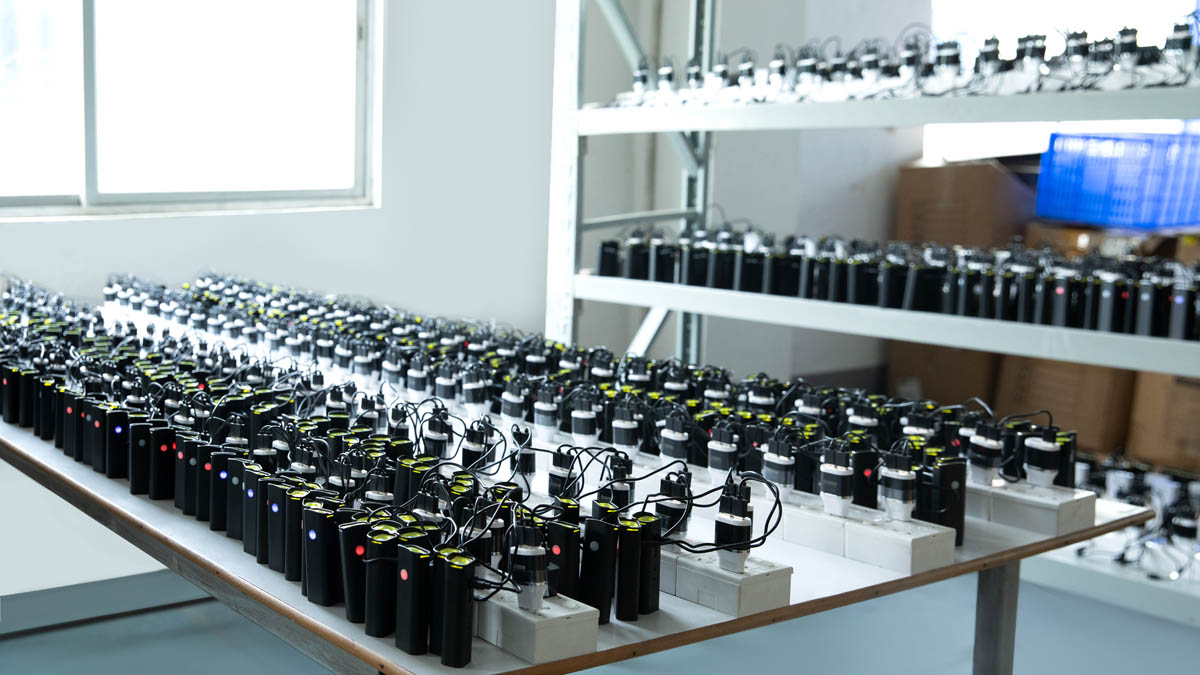
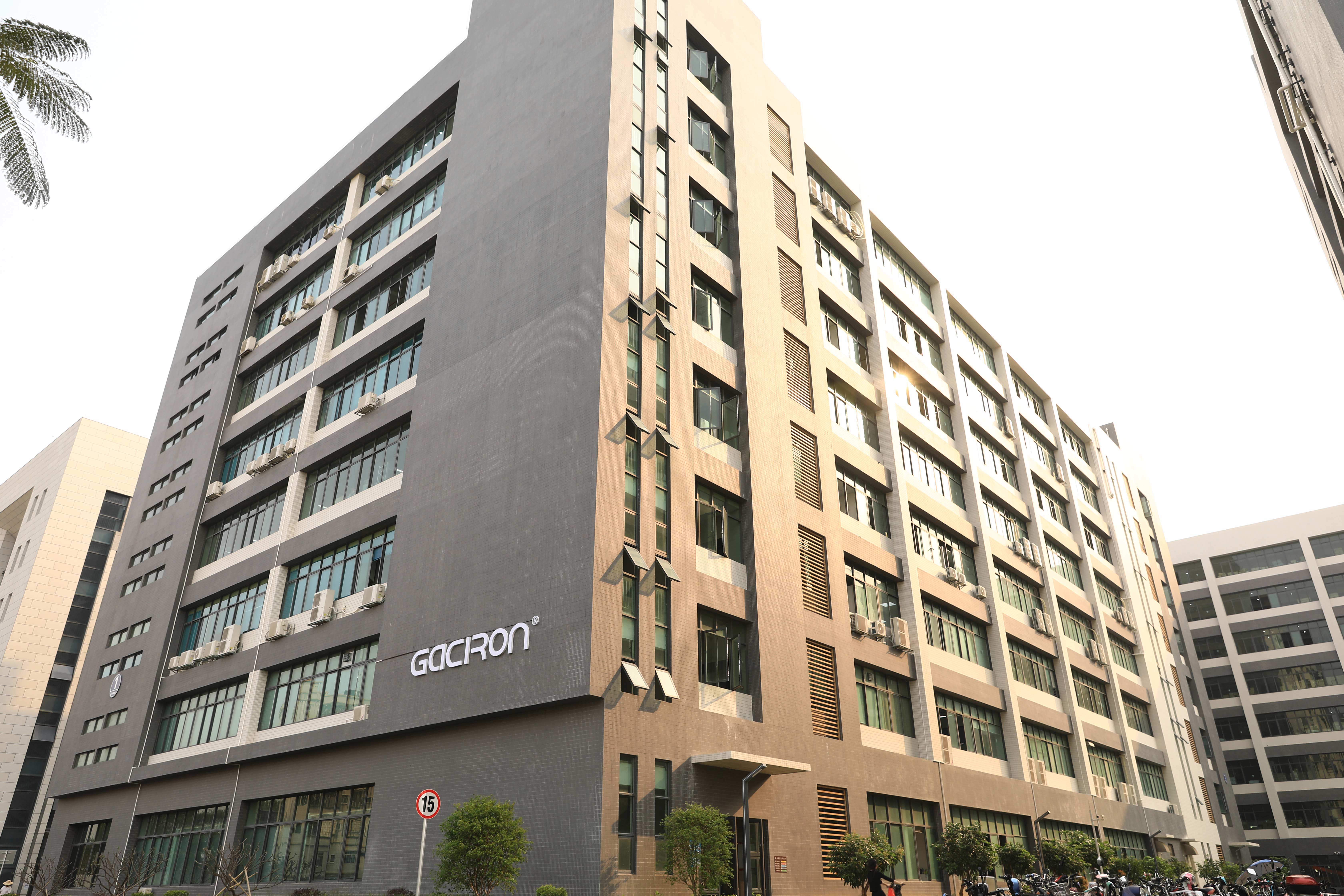
At Shenzhen QUZR Technology Co., Ltd. (formerly recognized in earlier brand phases as Gaciron), we address these precise commercial requirements. Founded in 2009 in Shenzhen, China, our company operates at the intersection of optoelectronic engineering and advanced sports gear manufacturing. With over 15 years of continuous research, a 9,350 m² industrial park, 8 dust-free assembly lines, and over 50 precision CNC machines, we bring unparalleled E-E-A-T (Experience, Expertise, Authoritativeness, and Trustworthiness) to the global cycling handlebar bag market.
1. Macro Sourcing Trends in the Cycling Handlebar Bag Market
The global demand for cycling handlebar bags has transitioned from basic utility storage pouches to highly sophisticated, multi-functional cockpit solutions. Driven by the worldwide expansion of gravel biking, adventure bikepacking, long-distance touring, and urban e-bike commuting, modern riders demand handlebar bags that provide multi-scenario versatility without compromising aerodynamic efficiency or steering dynamics.
- High-Frequency Ultrasonic Welding over Traditional Stitching: Traditional stitched fabric bags rely on needle punctures that require extensive inner seam taping. Modern premium buyers prefer seamless TPU/PU voltage welding, creating 100% airtight and waterproof seals capable of surviving IPX6 high-pressure water jet environments.
- Active Electrical & Light Integration: Passive reflective strips are no longer sufficient for high-speed urban commuting or fog-laden mountain trails. The incorporation of rechargeable high-lumen headlights, smart motion-sensing brake lights, and internal power bank routing within the cycling handlebar bag represents the fastest-growing market segment.
- Quick-Release Rigid Mounting Systems: Velcro straps remain popular for entry-level models, but premium distributors are shifting heavily toward reinforced nylon/aluminum quick-release brackets. These eliminate strap abrasion on high-end carbon handlebars while maintaining structural rigidity across extreme off-road vibration.
- Eco-Conscious Materials & Recycled Synthetics: Brand owners are actively sourcing GRS-certified (Global Recycled Standard) recycled 840D TPU and eco-friendly PVC-free coatings to align with strict EU and North American environmental directives.
2. Industry Development Trends: Smart Cockpits and Modular Bag Ecosystems
Looking toward the 2026–2030 design horizon, the cycling handlebar bag is evolving from an isolated accessory into the central node of the bicycle’s cockpit ecosystem. Product development teams must consider three primary engineering vectors when outlining future product roadmaps:
- Modular "Roll-and-Access" Configurations: Combining a heavy-duty waterproof dry roll (for camping equipment or sleeping gear) with an easily detachable front accessory pouch (for vales, phones, and snacks).
- Vibration Damping and Carbon Bar Compatibility: Engineered foam spacers and rubberized mounting cradles that protect cables, hydraulic hoses, and electronic shifting wires from pinching or excessive wear under load.
- Thermally Dissipating Electronics Compartments: As riders store high-capacity power banks and smartphones in handlebar bags while operating navigation apps, thermal management channels and waterproof cable grommets become non-negotiable features.