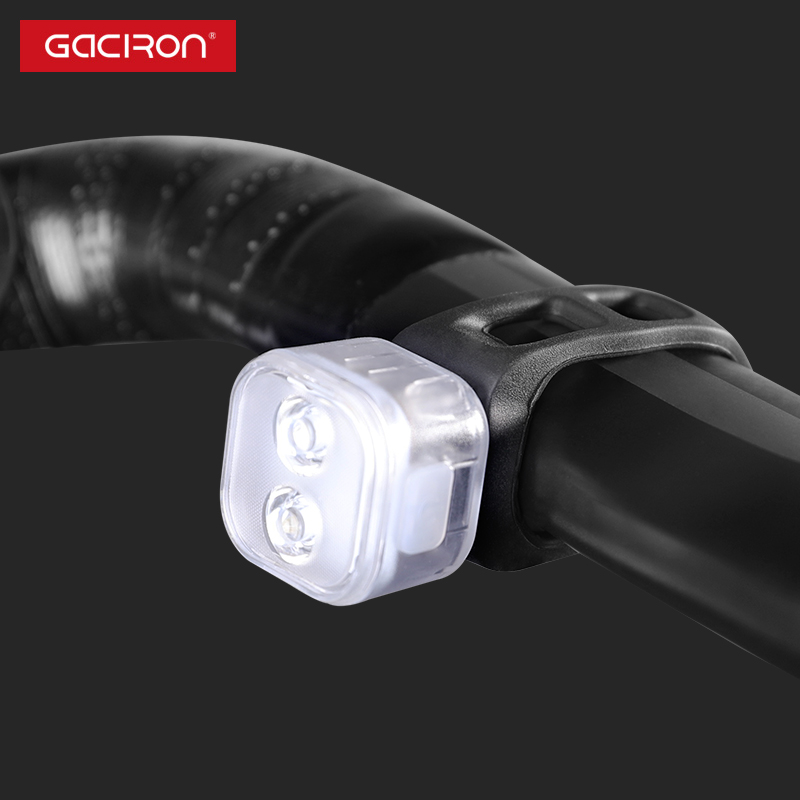
Engineering-Grade Waterproof Bicycle Illumination
Tested for extreme environmental precipitation, moisture intrusion resistance (IPX4 to IPX6), automated kinetic braking detection, and German StVZO-compliant anti-glare distribution.
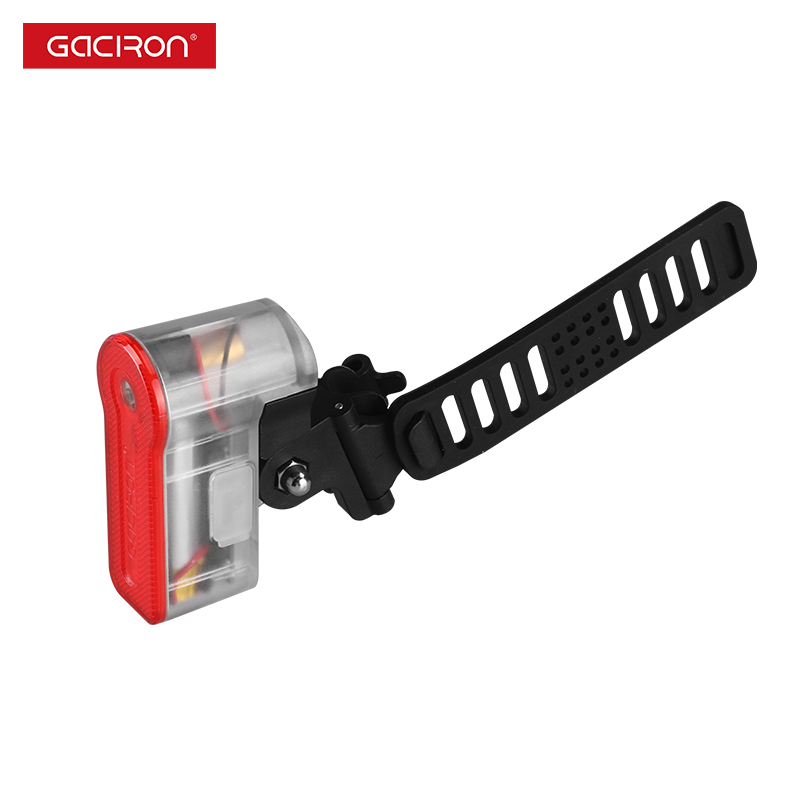
Smart Brake / IPX6 Waterproof
Gaciron W03AW 30LM Smart Laser Brake Taillight >100h Runtime
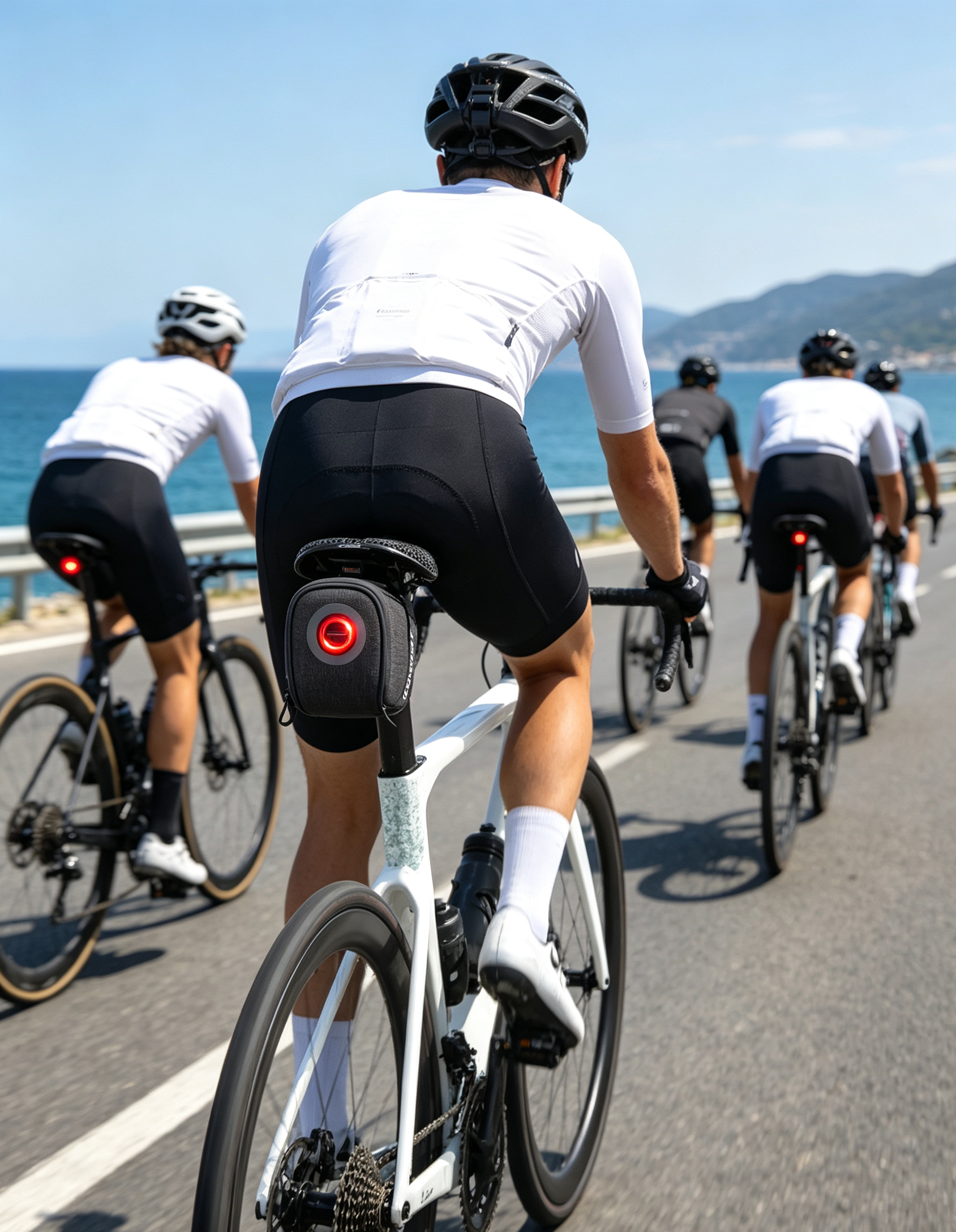
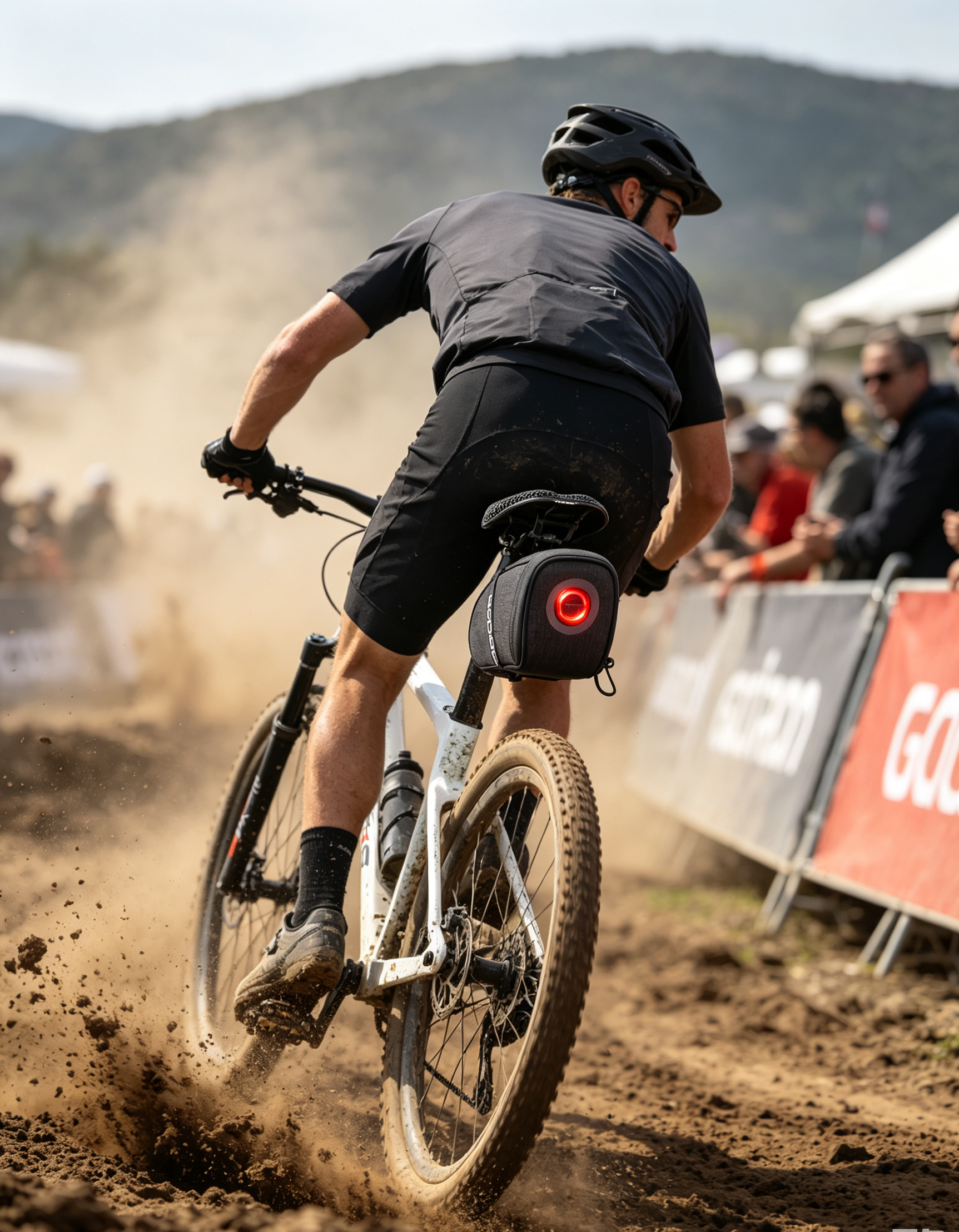
Vibration Sensing / Rear
Gaciron BIRD NEST-300 Rear Quick-Release Smart Sensor Taillight
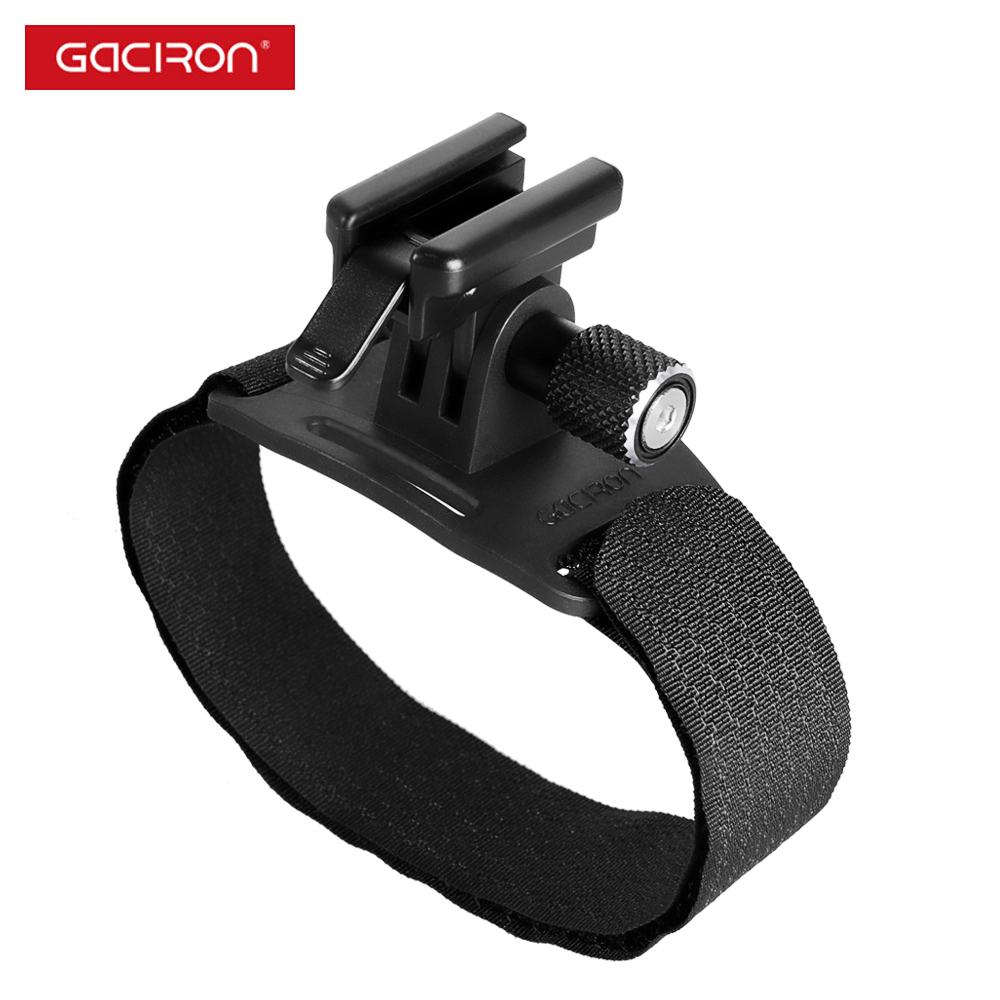
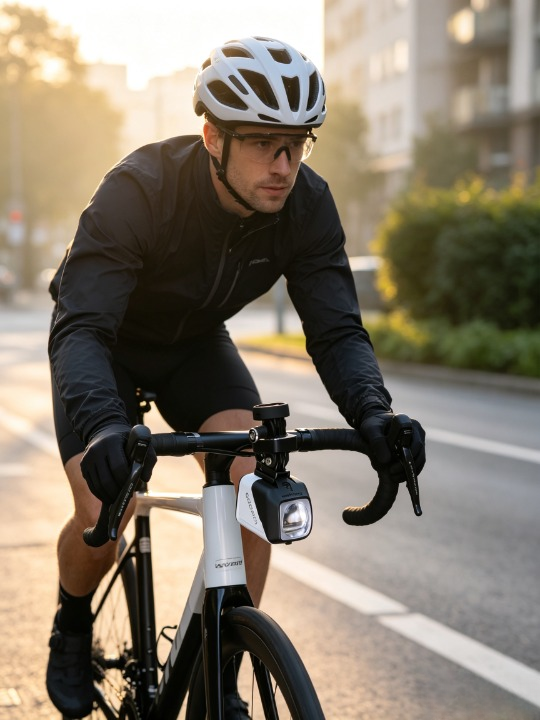
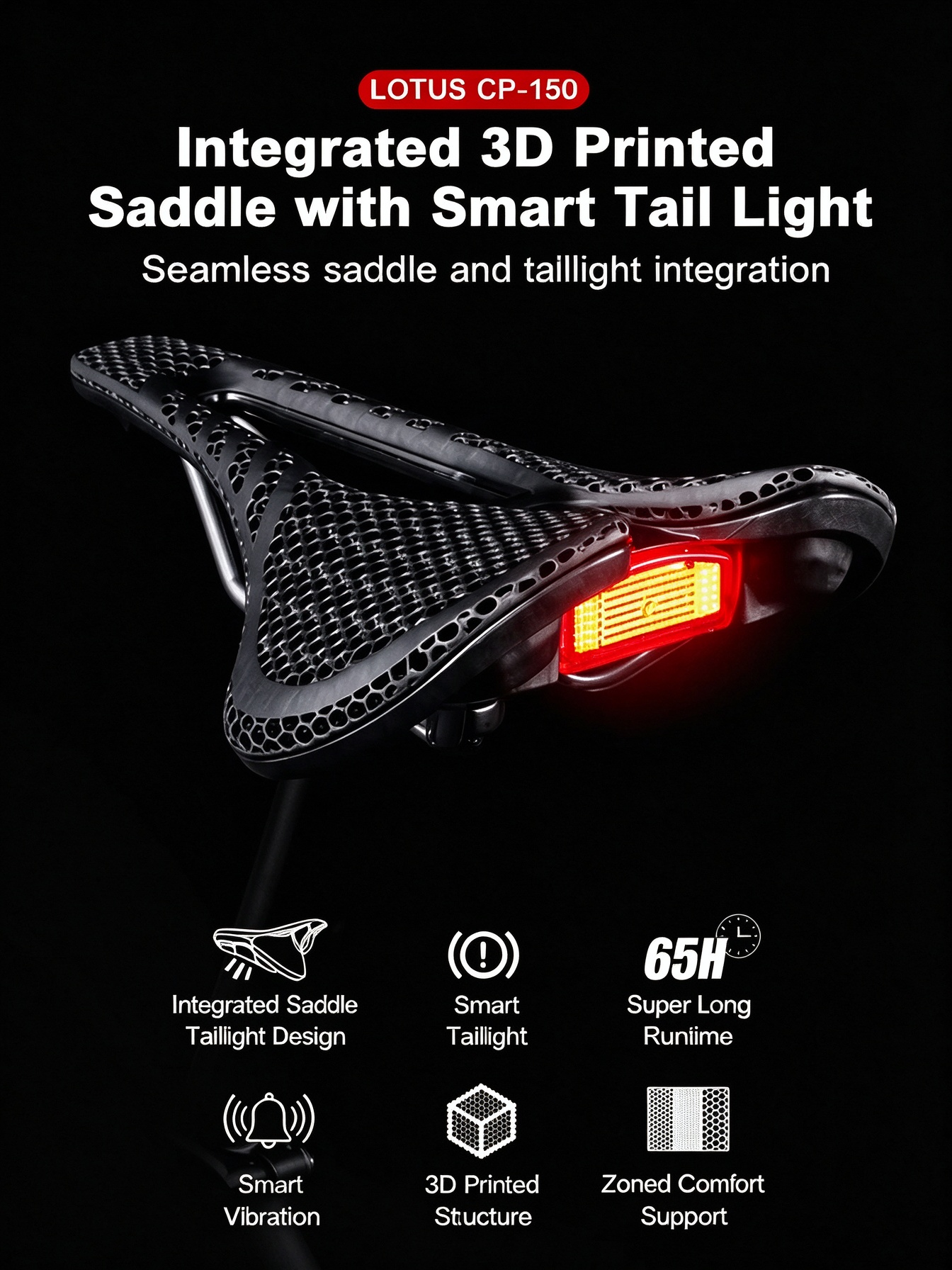
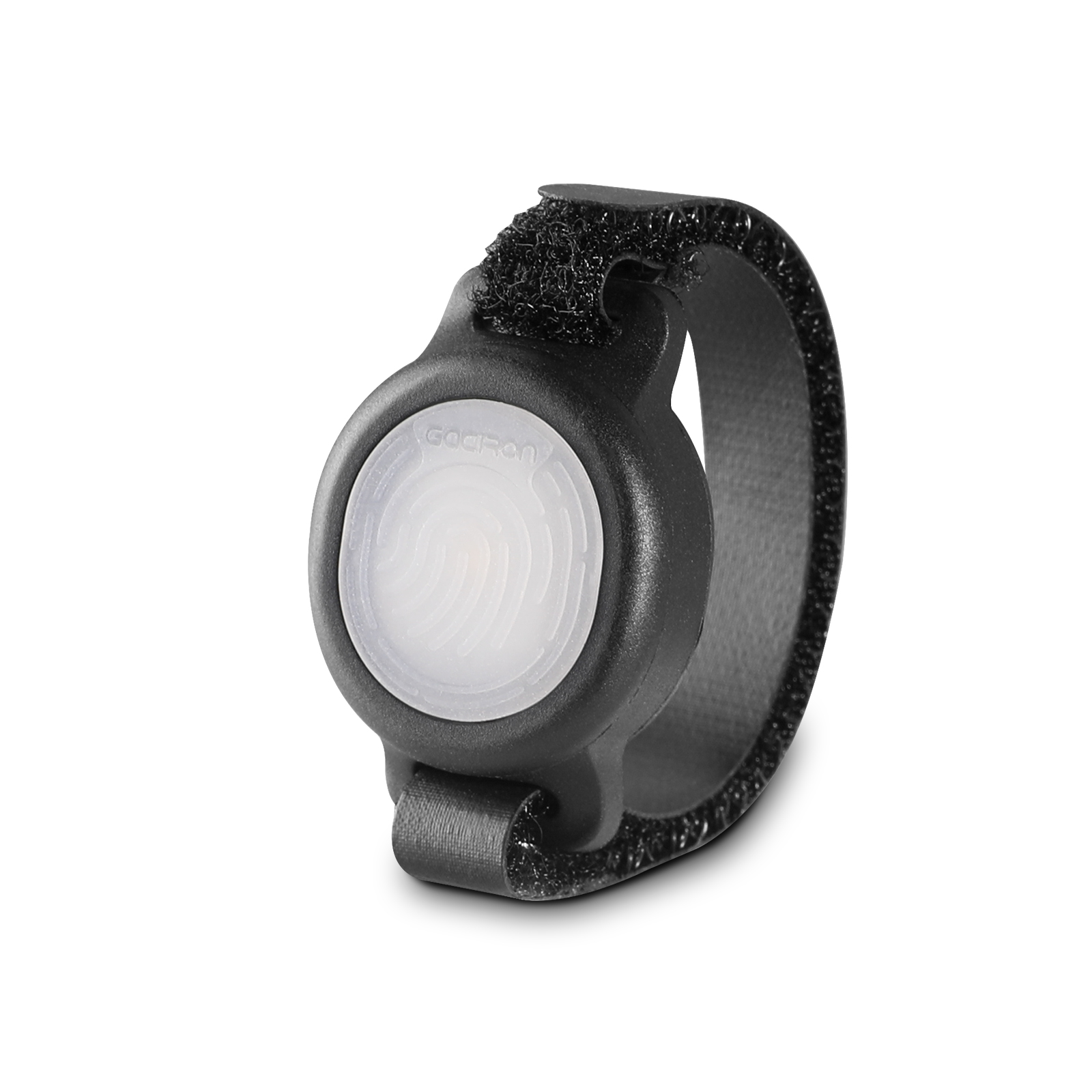
3D Printed / Integrated Sensor
Gaciron CP150 2-in-1 Smart Brake Sensing Saddle Taillight System
2009
Industrial Foundation
9,350 m²
Manufacturing Footprint
200,000
Monthly Unit Capacity
≤ 3h
B2B RFQ Inquiry Lead Time
Localized Deployment Scenarios: Tackling Coastal Maritime Microclimates in New Amsterdam
Sourcing optical hardware for micro-mobility fleets, cycling retailers, and institutional distribution networks in regional transit corridors like New Amsterdam requires engineering beyond standard commercial-grade lighting. Geographical proximity to tidal waterways, frequent dense maritime fog, persistent saltwater aerosols, and abrupt meteorological shifts characterize coastal climates. Standard flashers engineered with non-hermetic housings succumb to atmospheric moisture, resulting in corrosion of contact traces, battery degradation, and optical degradation within months of deployment.
Shenzhen QUZR Technology Co., Ltd. addresses these microclimatic constraints directly through structural and material engineering. Our waterproof bicycle headlights and automated smart brake taillights are designed to withstand continuous water jetting (IPX6 ratings) and cyclical thermal humidity without compromising internal circuit board integrity.
- Salt Mist & Coastal Humidity Resistance: Precision-machined 6063 aviation-grade aluminum housings treated with anodic oxidation prevent galvanic corrosion caused by airborne ocean salts. Silicone gasket seals with proprietary dimensional memory protect USB Type-C charging ports and mechanical switches against water penetration during torrential downpours.
- Penetrating Fog & High-Refraction Conditions: New Amsterdam commuters frequently encounter early morning low-cloud condensation and heavy rain. Standard high-kelvin white beams cause significant backscatter glare, blinding the cyclist. Our precision anti-glare cutoff optics and dual-spectrum emitter configurations project structured horizontal cutoffs that illuminate asphalt textures without dispersing into reflective fog layers.
- Commercial Fleet & Urban Courier Heavy-Duty Cycles: Couriers and high-frequency utility riders demand long continuous runtimes. Units like the Cetus-1700 and Raptor-1800 integrate high-density thermal dispersion fins and external power management capabilities, preventing thermal throttling even when operated continuously on maximum lumens.
- Braking Visibility on High-Speed Commuter Arteries: With the growth of 25–45 km/h urban e-bikes, rear-end collisions represent the highest hazard index. Integrated 3-axis accelerometer chips detect sudden deceleration profiles and boost output instantaneously to 100+ lumens, signaling trailing vehicular traffic across wet, light-distorted pavement.
Optical Cutoff Architecture
Engineered to comply with stringent European anti-glare optical distribution metrics. Light is cast downward onto the road surface rather than into oncoming drivers' visual fields, minimizing pedestrian blinding.
Hermetic Enclosure Sealing
Precision CNC-tooled housings matched with double-injection silicone sealing gaskets deliver certified IPX6 protection against pressurized water jet ingress, torrential rains, and persistent dirt accumulation.
Intelligent Motion Algorithms
Dynamic firmware detects stationary posture to initiate auto-sleep power management, reactivating instantly upon vibration, while precision deceleration algorithms deliver dependable active braking cues.
Strategic Procurement & Technological Trends in Regional Lighting Supply Chains
The municipal and retail micro-mobility landscape is moving away from disposable, low-output lighting units toward high-efficiency, fully integrated ecosystems. Importers, brand partners, and B2B distributors in New Amsterdam must evaluate their procurement strategies along four clear industry transitions:
1. Shift Toward Direct E-Bike Battery Integration & Dual-Power Configurations: As electric cargo bicycles and urban commuter e-bikes become the standard mobility vehicle, third-party accessories must adapt. Modern fleets demand headlights and taillights compatible with wide input voltage ranges (6V to 48V direct tie-in) or oversized internal batteries capable of doubling as external power reserves for GPS computers and mobile devices.
2. Rapid Regulatory Alignment with Glare-Reduction Standards: Civil transit departments are reviewing illumination guidelines to eliminate unregulated flashers that produce blinding strobe effects on shared pedestrian pathways. Cutoff beam shaping—traditionally restricted to German StVZO requirements—is becoming a baseline specification for commercial fleets globally.
3. Tool-Free Quick-Release & Anti-Theft Mounting Mechanisms: High-density urban centers demand rapid detachment systems. Our magnetic snap-lock architecture and integrated under-seat saddles (such as the CP150) eliminate external brackets prone to vibration fracture, allowing riders to unclip their units in seconds or mount them securely to integrated luggage carriers.
Manufacturing Credentials & Enterprise OEM/ODM Capabilities
Headquartered in Shenzhen, China, Shenzhen QUZR Technology Co., Ltd. has led research, optical development, and scalable production of high-performance bicycle lighting since 2009. Our manufacturing infrastructure is purpose-built to execute end-to-end original equipment manufacturing (OEM) and original design manufacturing (ODM) for international sporting brands and municipal bike fleets.
- 9,350 m² Clean Manufacturing Center: Operating 8 dust-free assembly lines equipped with automated surface-mount technology (SMT), luminous flux integrating spheres, and optical bench testing stations.
- 50+ Precision CNC Machining Centers: Full internal control over aviation aluminum alloy extrusion, precise CNC carving, surface anodization, and heat-sink fin profiling.
- Rigorous Environmental Stress Auditing: Every production batch undergoes salt-spray corrosion chambers, cyclical thermal drop tests, multi-axis high-frequency vibration testing, and high-pressure water-jet ingress audits.
- Flexible Trade Terms & Production Scale: Standard factory models accommodate minimum order quantities (MOQ) starting from 20 pieces for agile inventory turns, backed by a monthly production throughput of up to 200,000 units. Supported international delivery includes FOB, CFR, CIF, EXW, FCA, and DDP with complete documentation.
Frequently Asked Questions by Procurement Officers
Essential technical and trade considerations for retail buyers, corporate sourcing teams, and fleet planners.
What differentiates IPX4, IPX6, and IPX8 ratings for bicycle lighting?
IPX4 verifies resistance against light water splashes from any direction, making it suitable for secondary rear lights during mild mist. IPX6 certifies protection against heavy sea spray and high-pressure water jets (100 kPa at a 3-meter distance through a 12.5mm nozzle), preventing moisture ingress in extreme rainfall and during direct vehicle washing. IPX8 provides continuous underwater submersion protection. For humid coastal corridors and wet urban climates, IPX6 is our recommended industrial baseline for primary front illumination.
Can QUZR handle customized cutoff beam geometries for our regional brand?
Yes. Our internal optical engineering division specializes in custom total internal reflection (TIR) lenses and faceted reflector design. We configure beam geometry to ensure strict horizontal cutoffs, balanced horizontal flood spreads (typically 85° to 120°), and specialized near-field illuminance to meet your target market's legal specifications.
What are the standard lead times for custom OEM/ODM production?
For stock model private labeling (laser engraving, brand-specific packaging, housing colorways), production runs are typically completed in 15 to 25 business days. Full ODM projects requiring custom optical toolmaking, injection molds, or distinct aluminum chassis designs involve an initial prototyping phase of 30 to 45 days, followed by verification testing and volume ramp-up.
How do smart brake sensor taillights perform on rough or uneven road surfaces?
Our smart taillights (including the W03AW and CP150) run dynamic multi-axis accelerometer algorithms with integrated low-pass digital filtering. The firmware distinguishes between vertical vibration (potholes, cobblestones, and road chatter) and true negative horizontal acceleration (braking drag), preventing false-positive triggers and conserving battery life.
What payment structures and Incoterms are available for overseas shipments?
We support multiple trade arrangements, including FOB (Shenzhen/Hong Kong), CIF, EXW, and DDP (door-to-door customs cleared). Financial settlements are accepted via wire transfer (T/T), Letters of Credit (L/C), PayPal, or Western Union across global currencies including USD, EUR, and GBP.
Procure High-Performance Waterproof Lighting Direct from the Source Factory
Request comprehensive photometric test reports, wholesale pricing tiers, technical CAD mounting drawings, and our full OEM manufacturing guide.