High-Performance Waterproof Lighting Systems
Engineered for extreme atmospheric conditions, precision optical cutoff requirements, and prolonged battery endurance across US riding environments.
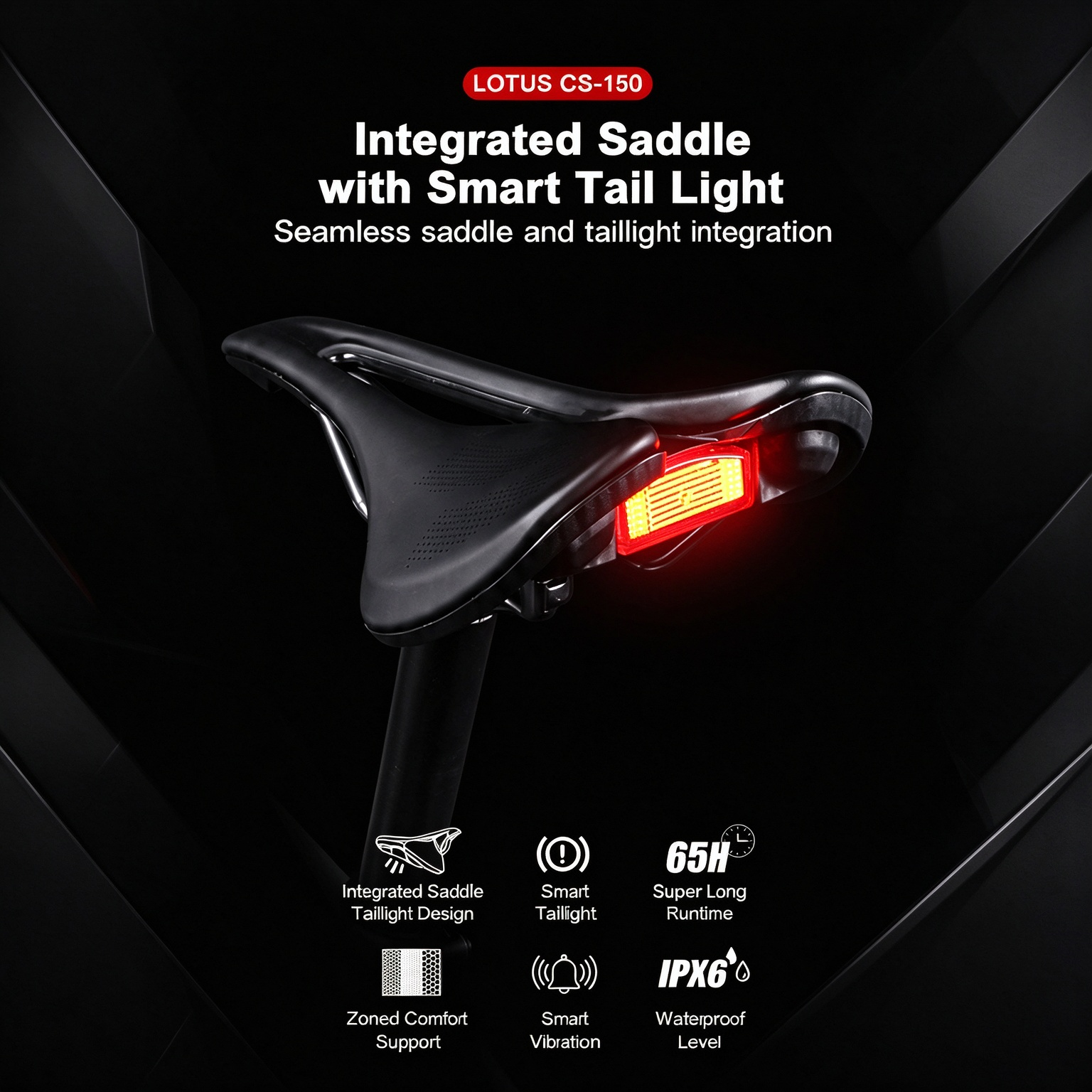
Gaciron CS-150 Bike Accessories Integrated Smart Taillight Zoned Comfort Support 65h Super Long Runtime IPX6
Technical Specs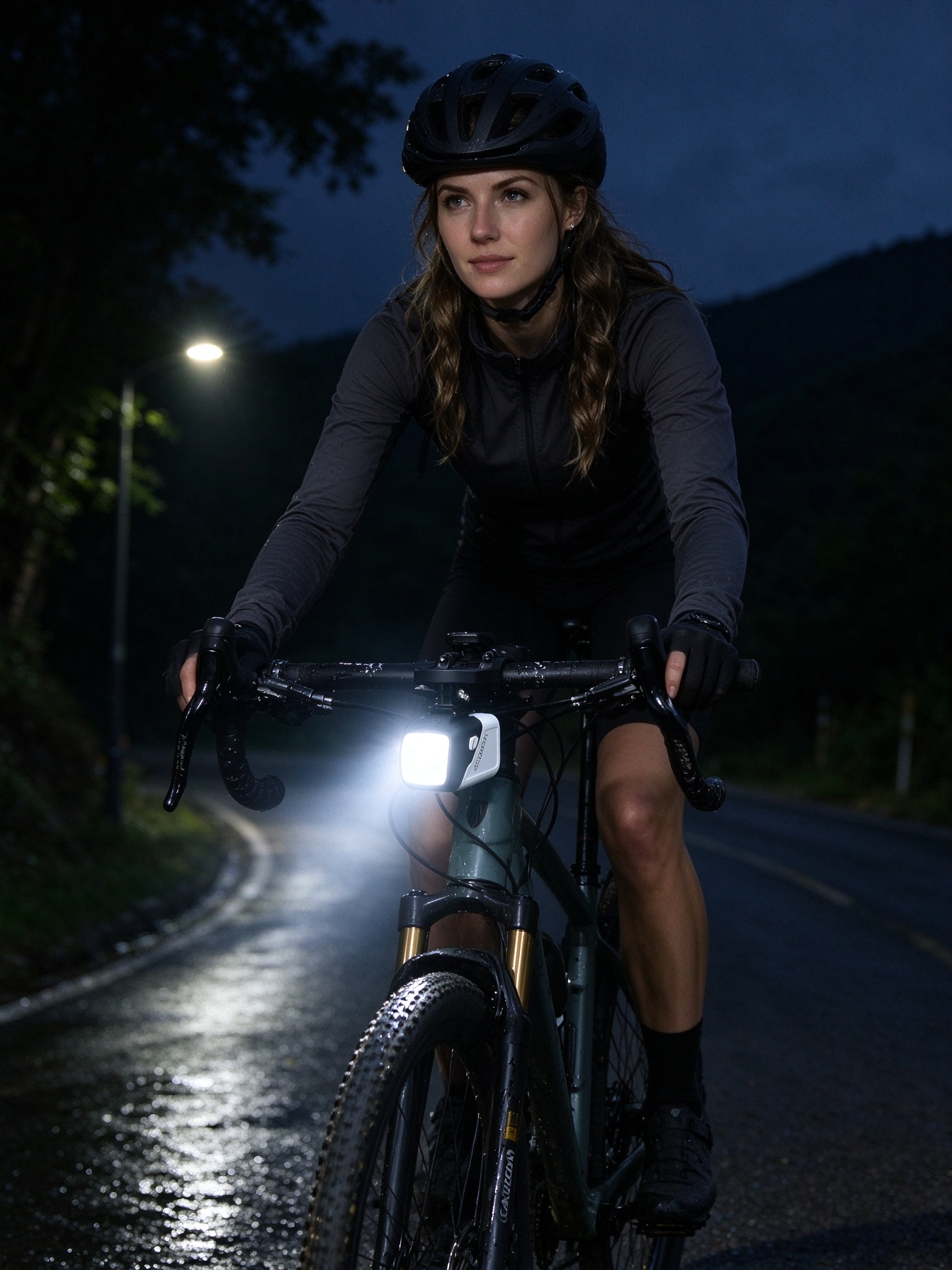
Gaciron Cetus-Max 2000LM Ultra High Lumen LED Front Bicycle Light 7 Modes Aluminum Alloy Wireless Remote Motion Sensor IPX6
Technical Specs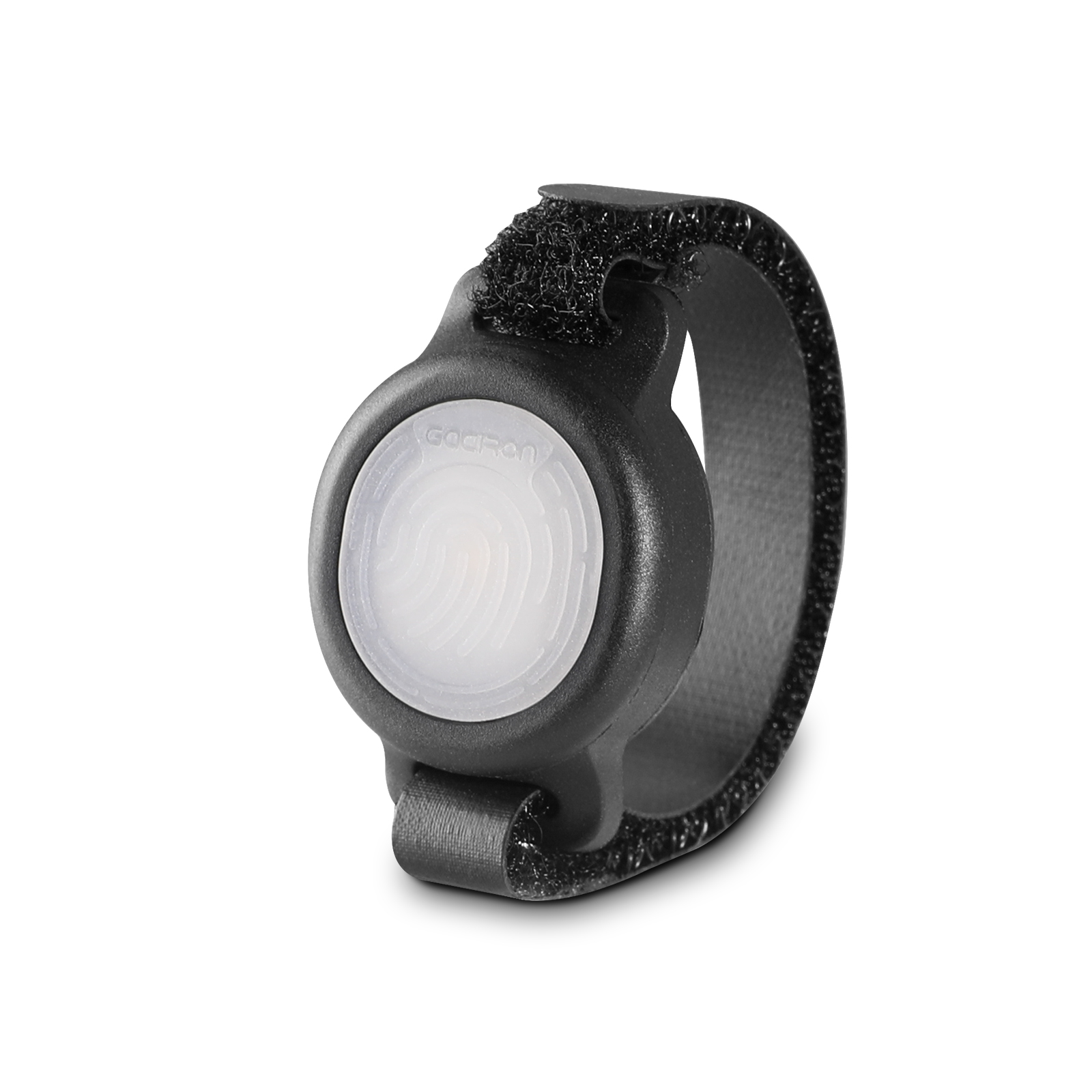
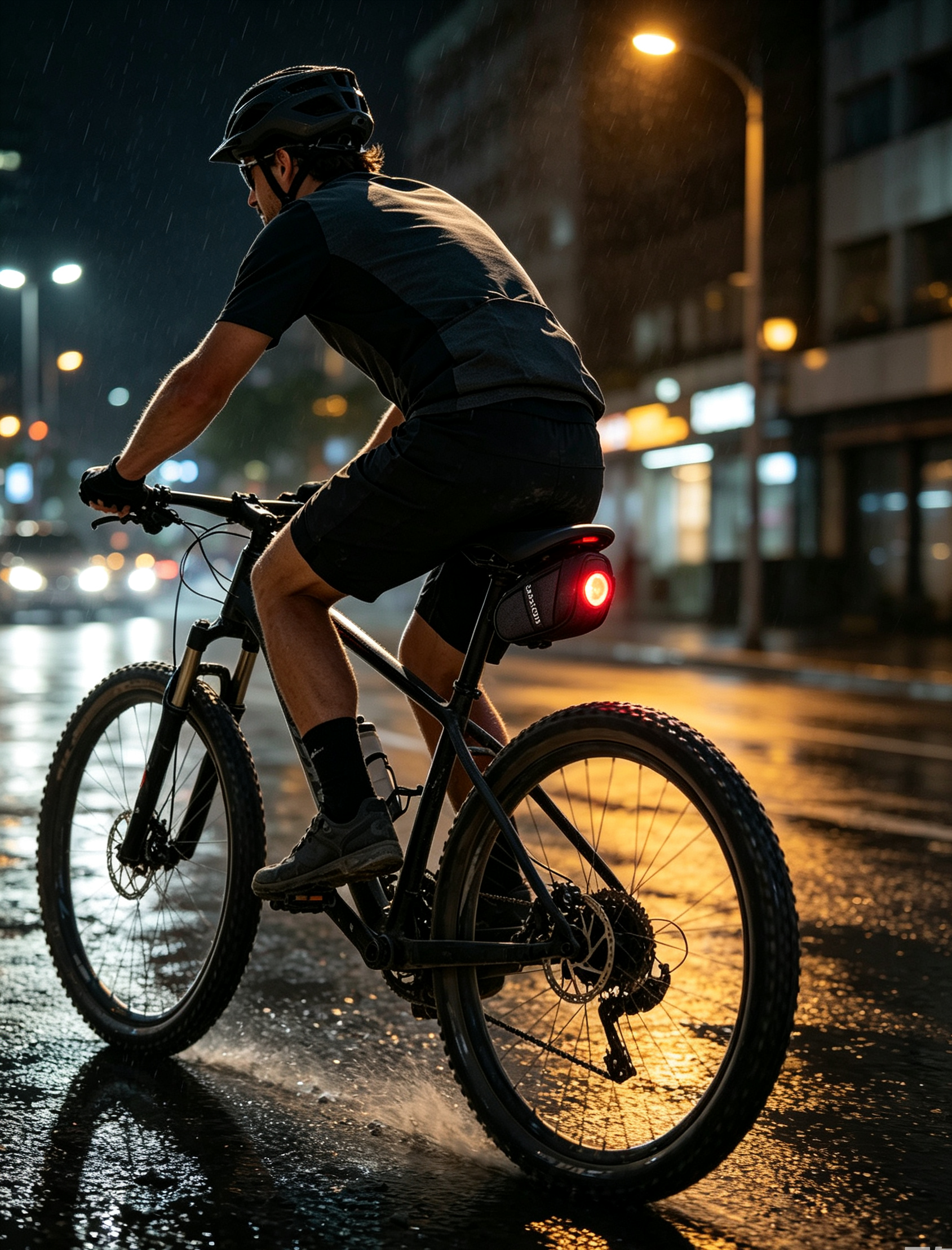
Gaciron Bird Nest 300G Saddle Bag Magnetic Mount Rechargeable LED Battery Long Runtime Night Bicycle Light Storage Bag
Technical Specs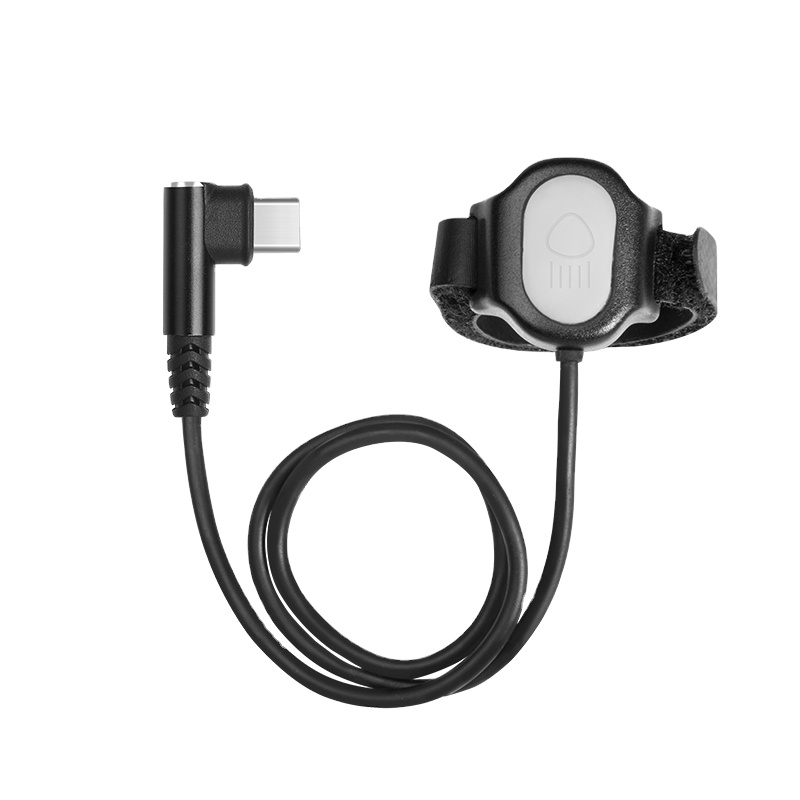
Gaciron R03 Wire Remote Flashlight for Road Bike Light-Battery Powered Plastic Headlights Accessories
Technical Specs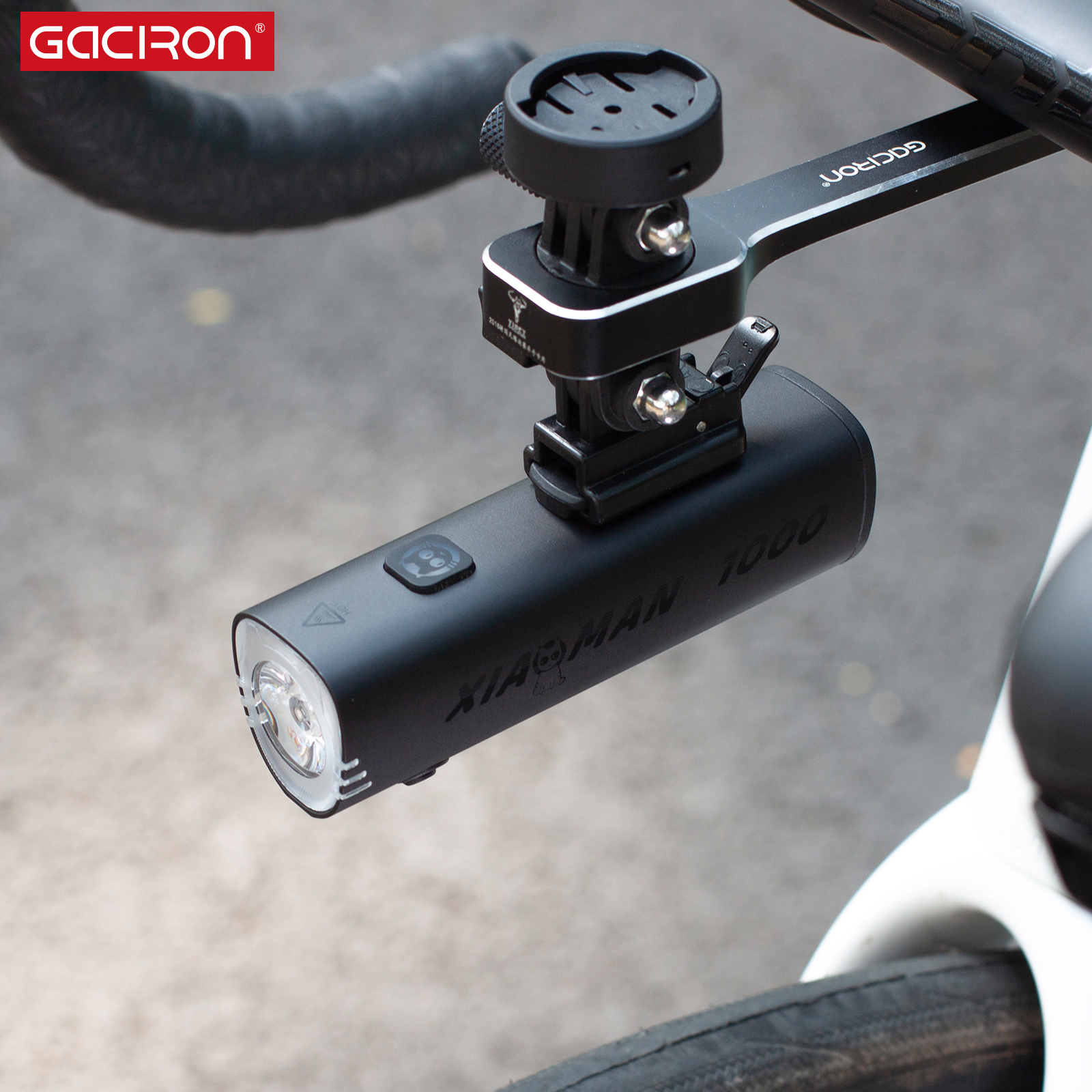
GACIRON XIAOMAN-1000 Aluminum Alloy LED Bicycle Headlights 1000LM High Brightness IPX6 Waterproof 6 Modes 5000mAh Rechargeable
Technical Specs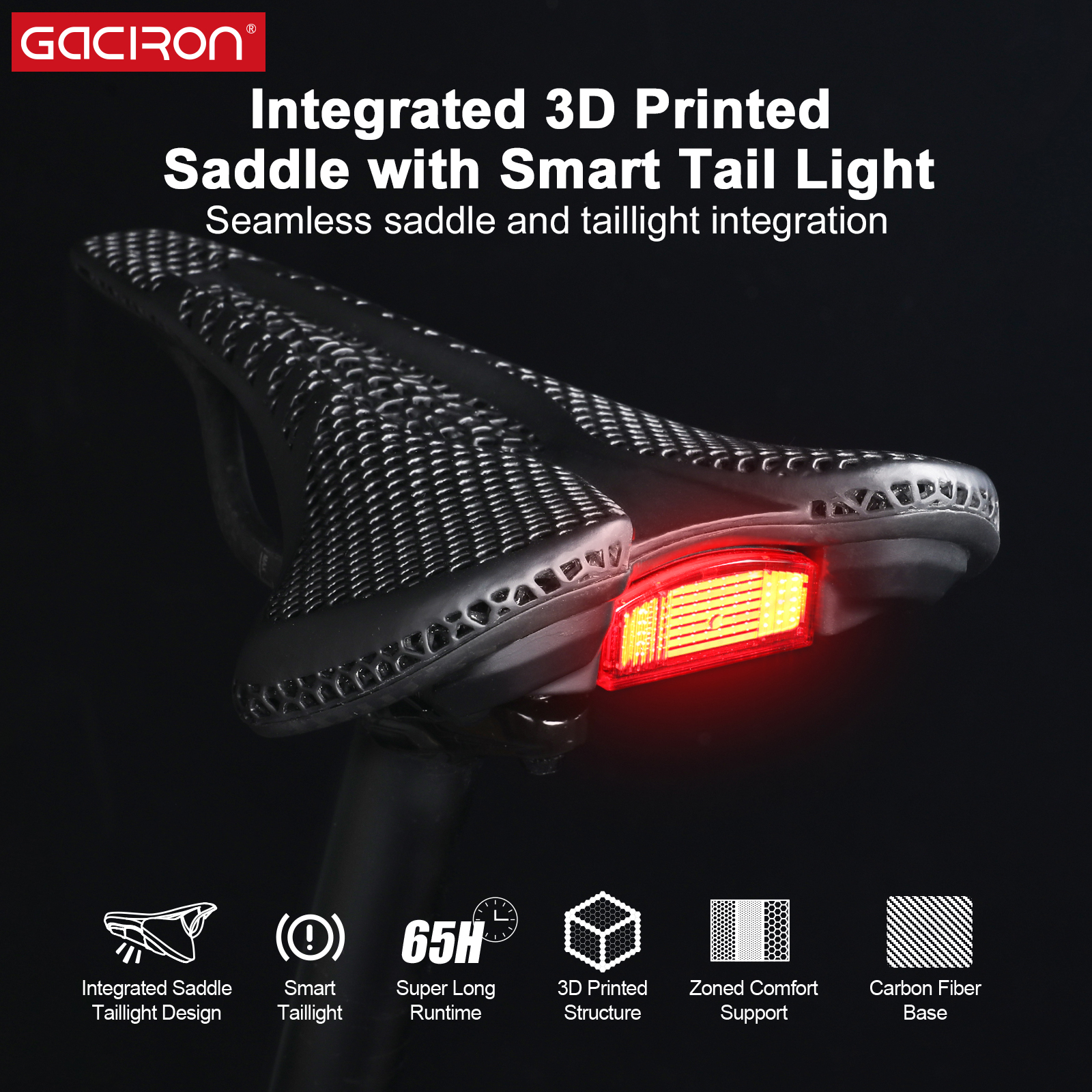
Gaciron CS-150 bicycle Accessories Bicycle Parts Integrated Smart Taillight Zoned Comfort Support 65h Super Long Runtime IPX6
Technical Specs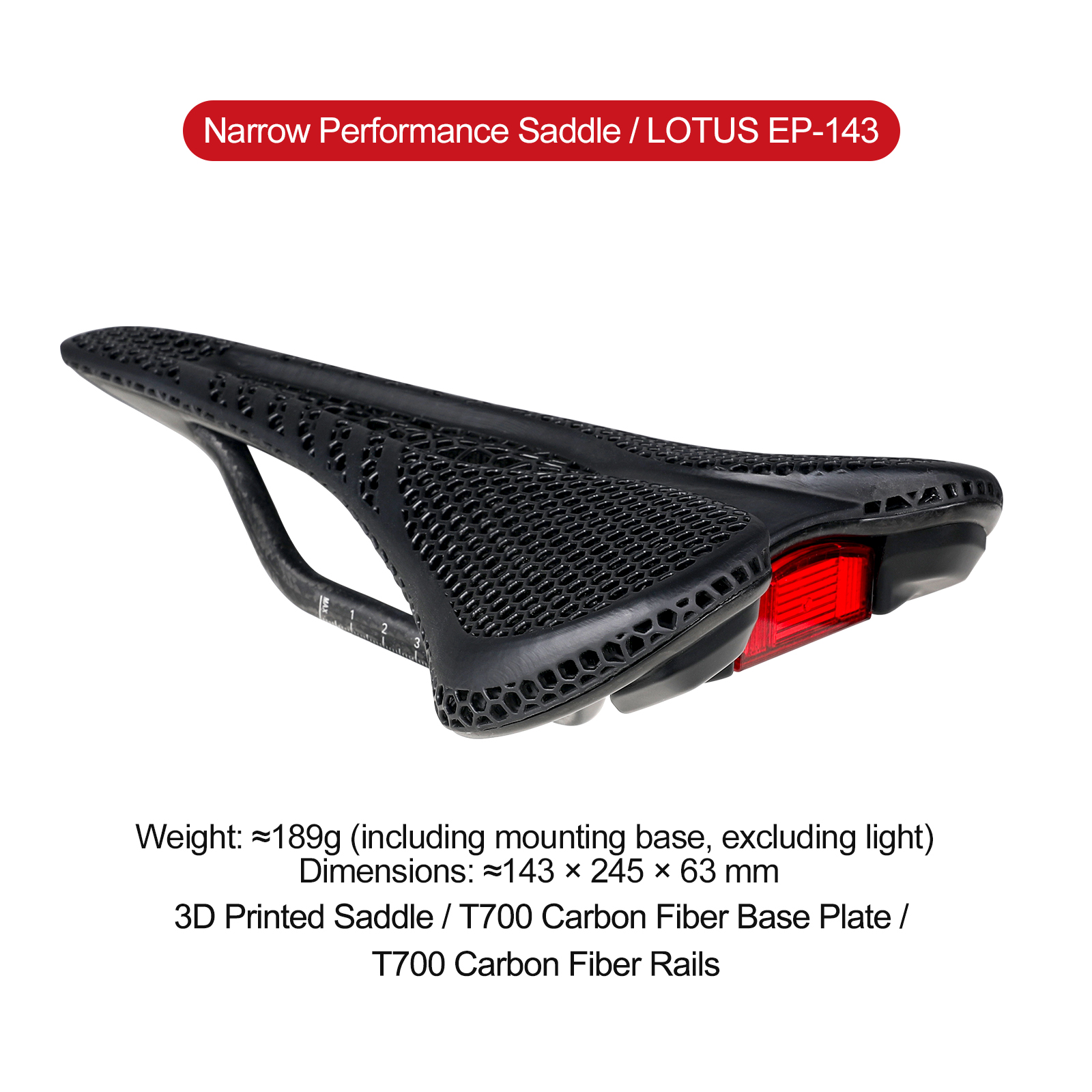
Gaciron EP-143 Narrow 3D Printed Bicycle Saddle T700 Carbon Fiber Rails Water Resistant Integrated Rear Light for Road MTB
Technical Specs1. Executive Summary & The US Cycling Market Landscape
The United States bicycle accessory market is undergoing a structural transition driven by the explosive growth of high-speed Electric Bicycles (E-bikes Class 1, 2, and 3), expanding urban commuter networks, and the rise of gravel and off-road trail riding. As state and federal transportation safety bodies place heightened emphasis on vulnerable road user (VRU) safety, the demand for high-lumen, high-reliability waterproof bicycle lights has scaled rapidly.
For US brand managers, outdoor gear distributors, and procurement executives, sourcing bicycle lighting systems is no longer merely a matter of acquiring basic safety reflectors. It requires navigating stringent technical expectations: optical beam control that complies with anti-glare intent, thermal dissipation management capable of maintaining sustained 2000+ lumen outputs, IPX6 and IPX7 ingress protection against severe ambient weather, and robust battery safety standards (UN38.3, UL1642/UL2271).
This industry whitepaper provides an exhaustive technical and market analysis for US importers seeking original equipment manufacturers (OEM) and original design manufacturers (ODM) capable of supplying market-ready, highly differentiated waterproof lighting products.
2. Deep Technical Intent: What American Cycling Importers & Brands Require
When US procurement directors evaluate overseas manufacturers for waterproof bicycle headlights and smart taillights, their criteria are shaped by real-world riding failure modes and legal liabilities. Below are the four core technical pillars demanded by the North American market:
A. True Waterproof Engineering: IPX6 vs. IPX7 Seals
A major cause of warranty returns in the US market—particularly across the Pacific Northwest (Washington, Oregon) and coastal regions—is water ingress leading to short-circuits in PCB controllers or fogging inside optical lenses. Standard IPX4 "splash-proof" ratings are insufficient for serious cyclists and commuters.
- IPX6 Standard (Heavy Water Jets): Designed to withstand powerful water jets (100 liters/min at 100 kPa pressure) from any angle. Essential for front headlights exposed to high-velocity rain at 28 mph on Class 3 E-bikes, as well as high-pressure trail mud washing.
- IPX7 Standard (Temporary Immersion): Requires structural integrity up to 1 meter submersion for 30 minutes. Achieved through custom ultrasonic sealing, double-lip silicone O-rings around Type-C charging ports, and hydrophobic internal membrane vents.
B. Precision Beam Optics & Anti-Glare Cutoff Lines
High luminous flux (lumen) without directional control creates severe optical glare for oncoming automobile drivers and pedestrians, creating serious accident risks. Influenced by European StVZO regulation trends, North American urban municipalities and cycling advocacy groups are demanding headlights equipped with optical cutoff beam technology.
By utilizing custom engineered Fresnel lenses and faceted reflector cups, advanced headlights direct the upper beam downward onto the tarmac, providing a wide horizontal field of vision (over 120°) while establishing a crisp horizon line that prevents direct eye exposure for approaching motorists.
C. Aircraft-Grade Heat Dissipation & CNC Precision Housing
Generating 1000 to 3000 lumens in a compact handlebar enclosure produces intense thermal energy from high-power LED chips (such as Cree or Luminus series). Without aggressive thermal management, thermal throttling firmware will abruptly drop brightness, or worse, degrade LED emitter longevity.
Leading exporters utilize 6061-T6 aviation aluminum alloy extruded and machined via multi-axis CNC lathes. Integrated cooling fins combined with intelligent PCB temperature monitoring ensure heat is continuously transferred away from the LED core and internal lithium-ion cells, maintaining peak output safely.
D. Advanced Battery Management Systems (BMS) & Smart Sensing
Modern US riders expect smart functionality. Modern rear taillights integrate 3-axis MEMS accelerometers that trigger a 100% brightness burst upon detecting deceleration (Smart Brake Light Technology). On the battery front, integrated BMS circuits must provide over-charge protection, over-discharge protection, short-circuit shutdown, and low-temperature cell optimization for North American winter conditions.
Precision CNC Extrusion
6061-T6 Aluminum alloy casings offer impact resistance against 1.5m drops onto asphalt and optimum thermal conductivity.
3D Printing Integration
Combining saddle design with 3D printed liquid resin honeycomb lattices and built-in smart brake sensors for sleek, low-drag profiles.
Smart Motion Sensing
Automated power save/sleep mode after 120 seconds of standstill, waking up instantly upon vibration detection.
3. Localized Application Scenarios Across the United States
The geographic and climatic diversity of the United States dictates distinct consumer demands depending on regional terrain and weather patterns. Overseas exporters and US distributors must curate product lines that target these specific localized application profiles:
| US Geographic Region | Predominant Climate & Terrain | Required Technical Features | Recommended Light Form Factor |
|---|---|---|---|
| Pacific Northwest (Seattle, Portland) | Frequent heavy precipitation, dense morning fog, wet urban asphalt. | IPX6/IPX7 dual water-jet sealing, amber/warm tint anti-fog secondary optical modes, anti-corrosive silicone port caps. | Cutoff beam front lights (1000-1700LM) + High-visibility continuous smart rear lights. |
| Midwest & Northeast (Chicago, NYC, Boston) | Sub-zero winter temperatures, road salt spray, intense urban traffic. | Low-temperature battery chemistry, glove-friendly remote switches, high impact alloy housing resistant to chemical corrosion. | Handlebar front lights with dual wireless remote control + Saddle integrated smart brake light. |
| Western Trails & Gravel (Colorado, Utah, California) | Unlit singletrack trails, gravel fire roads, severe mechanical vibration. | 2000 to 3000 Lumen ultra-wide flood output, dual-arm reinforced aluminum handlebar mounts, quick-release vibration damping. | Dual LED high-lumen headlights with external high-capacity battery bank function (10,000mAh). |
| Sunbelt & Suburban Commute (Austin, Phoenix, Florida) | High daylight intensity, sudden tropical downpours, long distance open roads. | Daytime Running Light (DRL) pulse flash modes visible up to 1.5 miles in direct sunlight, UV-stabilized polycarbonate lenses. | Aerodynamic seatpost smart taillights + Lightweight DRL front safety lights. |
4. Key Trends Shaping the US Bicycle Lighting Industry (2025–2030)
To retain competitive leverage on platforms like Amazon US, specialty retail chains (REI, local bike shops), and direct-to-consumer (DTC) storefronts, US brand buyers are prioritizing three technological breakthroughs:
Trend 1: Ecosystem Integration (Saddle + Storage + Lighting)
Modern road and gravel cyclists reject cluttered handlebars and bulky seatposts. The industry is moving rapidly toward integrated components. Innovations such as the Gaciron EP-143 3D Printed Saddle incorporate liquid polymer cushioning with direct rail-mounted rear warning lights. Similarly, magnetic-mount saddle bags (such as the Bird Nest 300G) embed ultra-bright LED modules into weatherproof cordura storage bags, reducing weight while elevating aerodynamic efficiency.
Trend 2: Wireless Ecosystem Control
Riders operating technical mountain bike trails or high-speed e-bikes cannot afford to remove their hands from the grips to adjust headlight modes. Wireless 2.4G and Bluetooth remote controls—such as the Gaciron R06 Wireless Remote—allow thumb-operated burst modes, beam dipping, and rear light synchronization directly from the handlebar controls.
Trend 3: Power Bank Functionality & USB-C Power Delivery
With cyclists relying heavily on GPS head units, mobile phones, and action cameras during long bikepacking expeditions, high-capacity headlights (e.g., 5000mAh to 10,000mAh models) are expected to feature bi-directional Type-C charging. This allows the headlight to act as an emergency power bank to recharge primary navigation devices in remote locations.
5. Enterprise Manufacturing Advantages: Why Partner with Shenzhen QUZR / Gaciron
Selecting the right manufacturing partner in China is the critical variable determining whether a US product launch succeeds or fails under warranty claims. Operating since 2009, Shenzhen QUZR Technology Co., Ltd. (and the Gaciron product ecosystem) offers a fully integrated, vertically controlled manufacturing infrastructure engineered specifically for international OEM and ODM brand clients.
1. 9,350 m² Precision Manufacturing Base
Our expansive production hub houses 8 standardized, dust-free assembly lines equipped with automated adhesive dispensing, pneumatic torque controls, and online optical testing stations capable of producing over 200,000 light sets per month.
2. 50+ In-House CNC Machining Centers
We maintain end-to-end control over metal housing fabrication. With over 50 high-precision CNC machines, we turn raw 6061 aircraft aluminum into flawless, thermally efficient light bodies with micron-level tolerances.
3. Comprehensive In-House Testing Lab
Every product design undergoes rigorous internal testing prior to mass production: high-pressure water jet spray chambers (IPX6), 1-meter immersion tanks (IPX7), integrating sphere photometer flux measurement, thermal imaging, and 3D vibration simulation.
6. US Buyer Procurement FAQ
Partner with a Lead Manufacturer for the US Market
Ready to elevate your cycling accessory catalog with premium, high-lumen, IPX6/IPX7 waterproof bicycle lights? Contact our OEM/ODM engineering sales team today for full product specifications, sample requests, and factory-direct price quotes.
Contact Us