Precision Cycling Hardware & Integrated Smart Saddles
Engineered for high-mileage endurance, urban commutes, and German StVZO alignment.
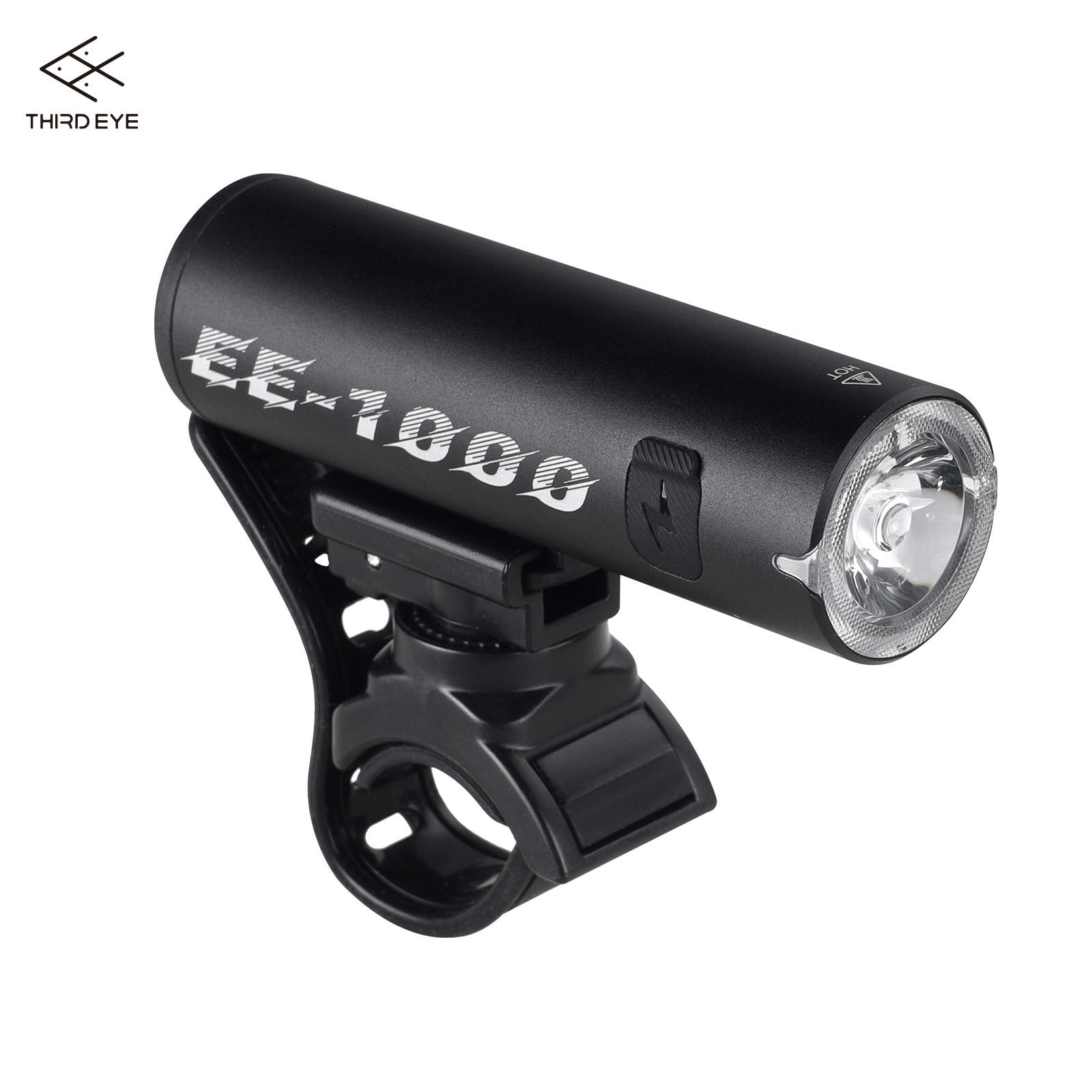
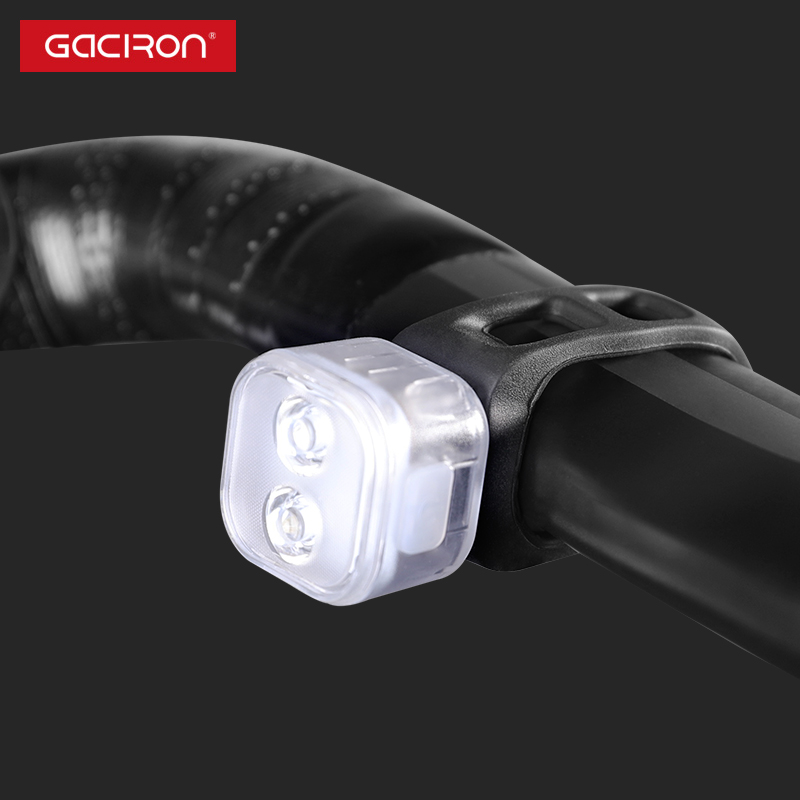
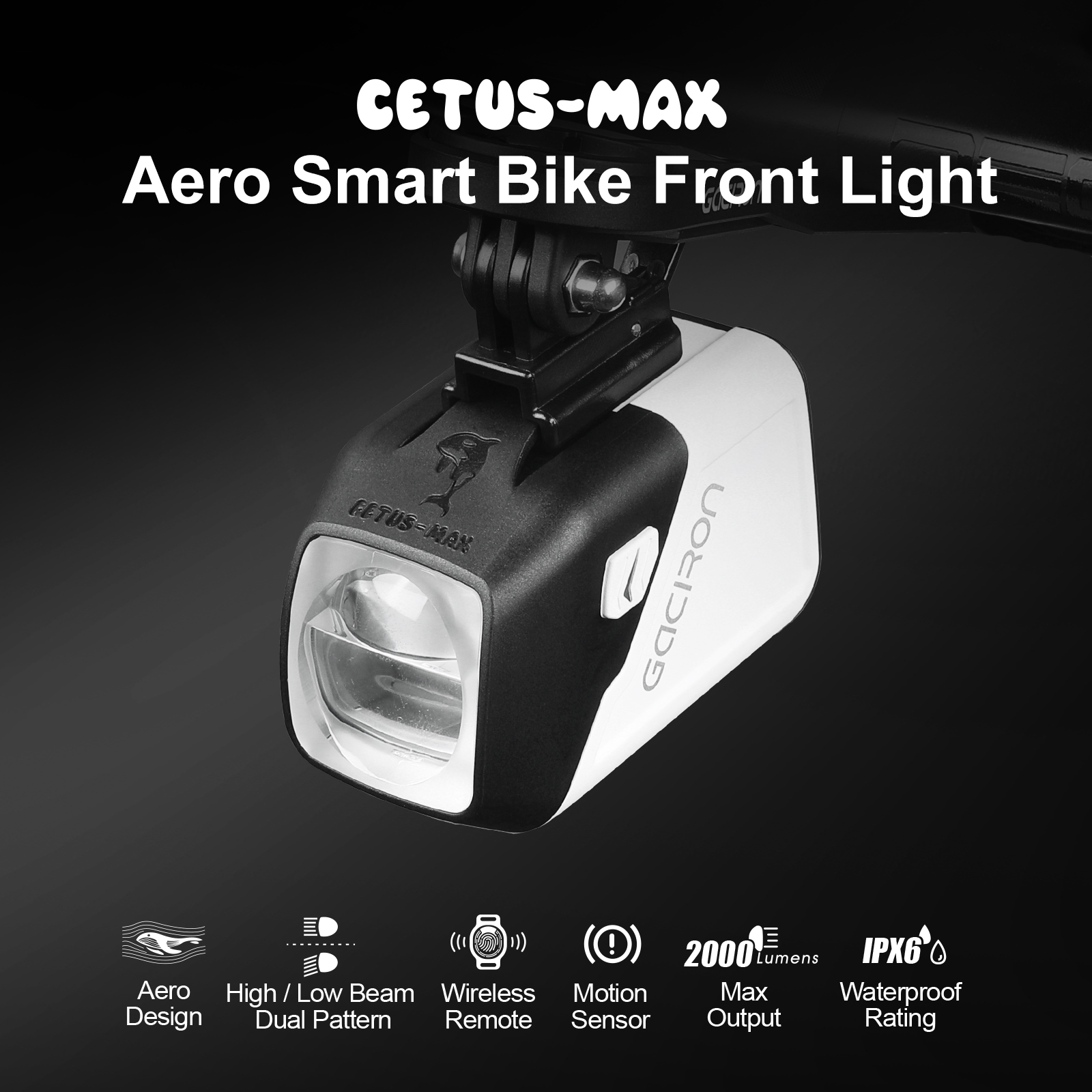
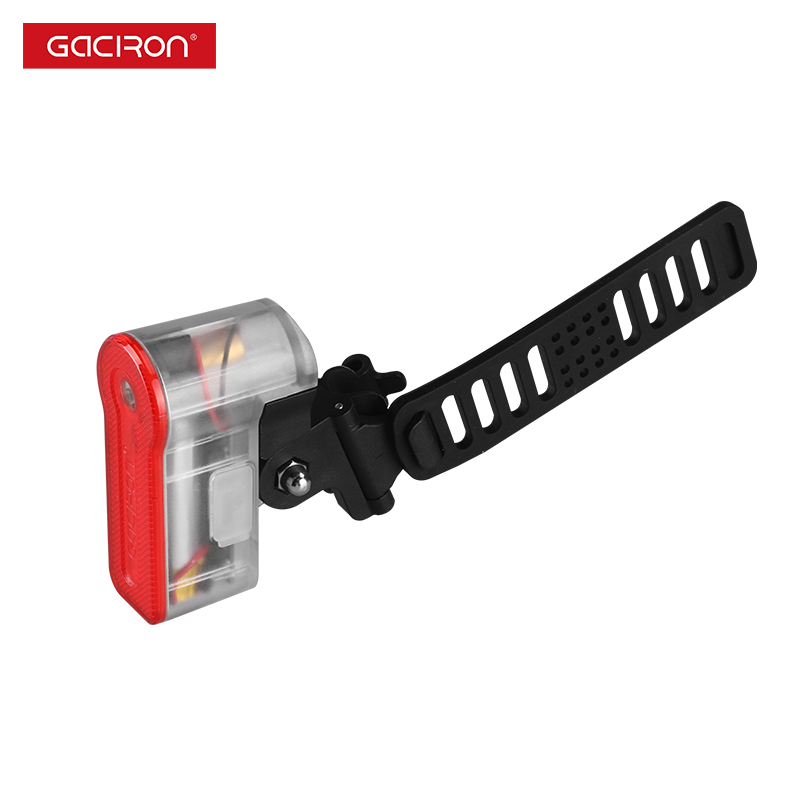
Engineering Additive Excellence: OEM/ODM 3D Printed Saddles for Next-Generation Mobility
The global cycling industry is experiencing a seismic shift toward personalized micro-mobility, high-performance bio-ergonomics, and seamless hardware-electronics integration. Traditional saddle manufacturing—relying on injection-molded plastic shells, static polyurethane (PU) foam padding, and glued synthetic covers—presents strict physical limitations. Conventional foam degrades under repetitive cyclic compression, creates localized pressure spikes under the ischial tuberosities (sit bones), and fails to provide dynamic mechanical compliance across varied pelvic tilt angles.
As a leading OEM/ODM 3D printed saddle manufacturer serving the Düsseldorf market and greater North Rhine-Westphalia (NRW), Shenzhen QUZR Technology Co., Ltd. (operating advanced production facilities established in 2009) leverages industrial Liquid Photopolymer Digital Light Synthesis (DLS) and Selective Laser Sintering (SLS) to manufacture bespoke lattice saddles. By converting physical pressure mapping data into functional, variable-density damping zones, our additive saddle solutions deliver unmatched relief for urban commuters, high-performance road racers, and e-bike touring enthusiasts alike.
The Science of Additive Lattice Structures vs. Conventional PU Foam
Additive manufacturing replaces isotropic polyurethane foam with anisotropic, engineered elastomer lattice matrices. Through precise parameter tuning in digital design environments, our engineering team manipulates beam thickness, unit cell geometry, and spatial unit pitch to generate localized mechanical response gradients within a single unified component.
Zoned Comfort Engineering
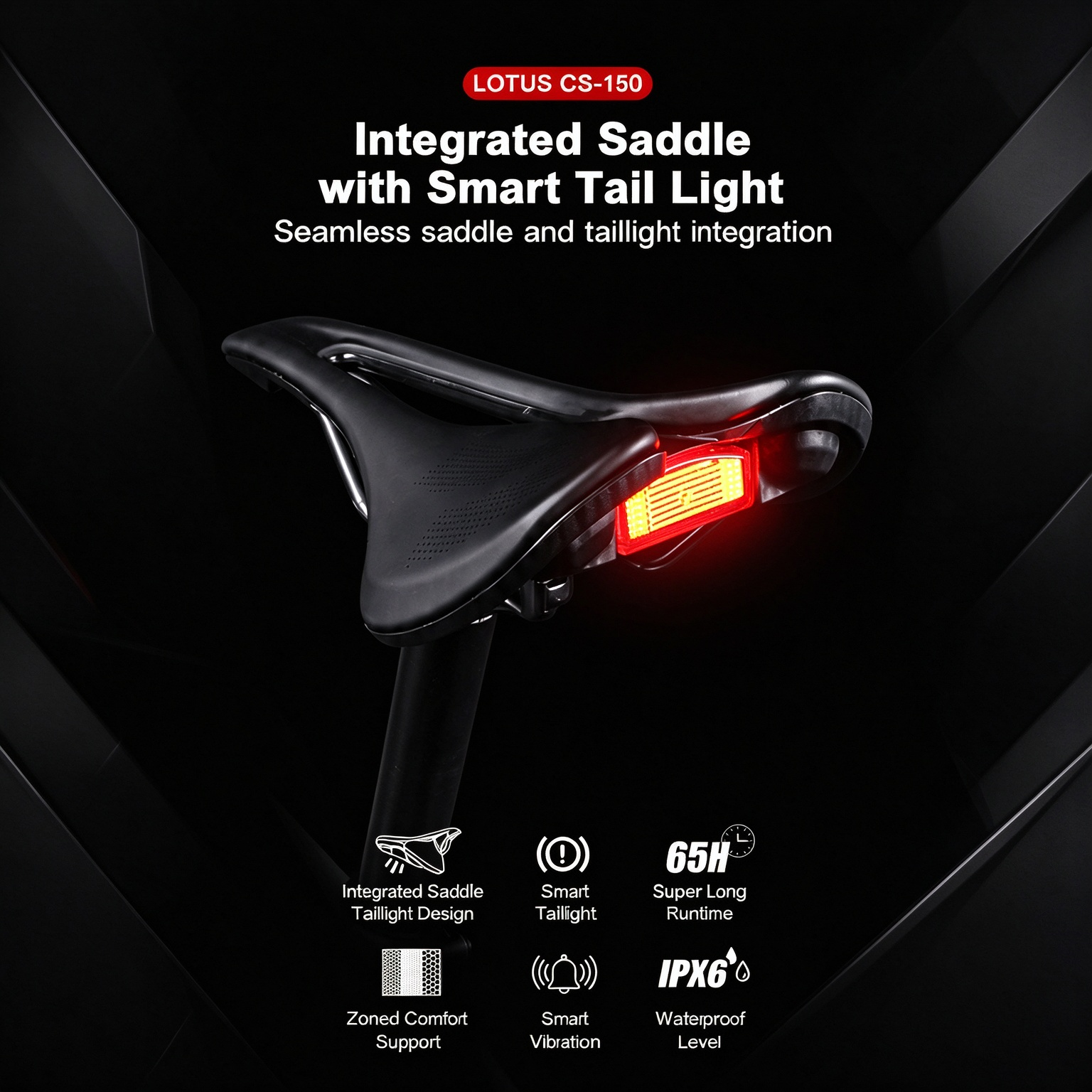
Lattice density is customized across specific seating zones: soft response at the nose for perineal soft-tissue relief, adaptive progressive damping along mid-zones, and firm structural support under the ischial bones.
Digital Rebound & Resilience
Utilizing high-rebound Elastomeric Polyurethane (EPU) materials, our 3D printed structures retain over 98% of their structural memory after 100,000 cyclic fatigue test impacts under ISO 4210 protocol.
Integrated Smart Electronics
Unlike third-party clip-ons, our integrated saddles feature direct structural housings for magnetic smart brake taillights, StVZO rear reflectors, and battery modules within the nylon shell.
Comparative Analysis: Additive 3D Saddles vs. Conventional Saddle Technologies
For brand directors, product managers, and wholesale importers evaluating new product developments for the German and European markets, the table below provides an engineering-grade technical comparison:
| Performance Metric | 3D Printed Elastomeric Lattice Saddle | Traditional High-Density PU Foam | Gel Matrix / Memory Foam |
|---|---|---|---|
| Pressure Distribution | Dynamic variable damping; eliminates peak pressure points | Static resistance; prone to ischial bone bottoming-out | Initial comfort; displaces heat and migrates under load |
| Breathability & Thermal Control | Open-cell lattice architecture allows 360° airflow & drainage | Traps rider body heat; synthetic cover restricts airflow | Poor thermal dissipation; retains ambient heat |
| Fatigue Resistance (ISO 4210) | > 200,000 cycles with zero persistent deformation | Degrades 15–25% in elasticity after 30,000 cycles | Breaks down under sustained UV exposure and dynamic shear |
| Electronics Integration | Direct CAD integration for light mounts, sensors & quick-release | Requires secondary bracket straps or rail clamping | Not structurally adapted for electronic housing |
| OEM Customization Cycle | Fast digital iteration (7–10 days) without costly steel tooling | High steel mold costs ($15,000+) & 45-day lead times | Requires complex multi-cavity injection molds |
Localized Application Scenarios in Düsseldorf & The Rhine-Ruhr Cycling Hub
Düsseldorf stands at the heart of North Rhine-Westphalia’s rapidly accelerating cycling transformation. As one of Germany's key financial, fashion, and industrial hubs, Düsseldorf has committed substantial municipal investment toward expanding cycle lanes, promoting e-mobility, and building dedicated bike highways (Radschnellwege) connecting Düsseldorf to Neuss, Ratingen, Duisburg, and Cologne. Supplying this discerning market demands hardware capable of mastering specific local environmental and riding conditions.
1. Commuting Along the Rhine River & The Rheinradweg Line
Daily commuters navigating the scenic routes along the Rhine—from Benrath through the Düsseldorf Altstadt up to Kaiserswerth—face changing weather conditions and long damp stretches. Standard foam saddles absorb atmospheric moisture and road spray, leading to material degradation and cold rider discomfort during wet German autumns and winters. Our 3D printed EPU lattice saddles feature hydrophobic polymer matrix coatings that shed water immediately, ensuring dry, comfortable rides regardless of precipitation along the Rhein River paths.
2. Cobblestones & Historic Urban Pavements (Altstadt & Carlstadt)
Riding through Düsseldorf's historic center involves navigating vintage cobblestones (Kopfsteinpflaster), tram tracks (Straßenbahnschienen), and uneven paved surfaces. Traditional rigid saddles transmit high-frequency vibrations directly up the seatpost into the rider's lumbar spine, leading to fatigue and chronic lower back strain. The micro-strut geometry of our 3D lattice saddles acts as a continuous dampening suspension grid, tuned specifically to absorb micro-shocks (10Hz–50Hz frequency band) common to urban European cobblestones.
3. Gravel & Off-Road Trails in Grafenberger Wald and Aaper Wald
Düsseldorf riders increasingly demand versatility—transitioning seamlessly from city commuting to weekend gravel riding in the surrounding Grafenberger Wald trails. Our heavy-duty ODM saddles combine carbon-reinforced nylon composite bases with high-durability TPU lattice tops. This hybrid architecture withstands severe trail vibration, mud accumulation, and pressure shifts caused by steep climbing gradients, satisfying the performance standards expected by German gravel and mountain bike enthusiasts.
4. High-Speed Speed-Pedelec (S-Pedelec) & E-Cargo Bike Heavy Operations
With Düsseldorf’s rise in urban logistics and e-cargo transport, riders spend extended hours in fixed upright seated positions. Fixed pelvic posture accentuates ischial tuberosity pressure. Our custom OEM saddle programs for German e-bike manufacturers feature expanded rear support platform geometries with specialized high-density lattice cores, mitigating ischial nerve strain during long commercial delivery shifts or extended S-Pedelec commutes at speeds up to 45 km/h.
German Cycling Market Dynamics & European Regulatory Trends
Entering or scaling within the German bicycle market requires strict adherence to technical regulations, quality standards, and evolving consumer expectations. OEM brand partners working with Shenzhen QUZR Technology benefit from our alignment with European market trends:
- StVZO and ISO 4210 Compliance: German road traffic licensing regulations (StVZO) enforce strict visibility standards. By offering integrated saddles that incorporate StVZO-compliant rear illumination optics and smart accelerometric brake sensing (e.g., Gaciron CS-150 and CP-150 series), we empower German bicycle brands to pass technical compliance without cluttering handlebars or seatposts.
- ESG & Zero-Waste Manufacturing Objectives: Düsseldorf retailers and European consumers prioritize sustainable manufacturing practices. Traditional saddle manufacturing produces substantial foam trimming waste and uses toxic solvent-based adhesives. Additive manufacturing is inherently zero-waste, consuming only the photopolymer material required to form the structure.
- Custom Ergonomic Tailoring for Local Brands: The European market is moving away from generic white-label catalog products. German bicycle brands require proprietary industrial design, localized logo branding, and customized firmness profiles tailored to specific bike categories (Urban E-bike, All-Road Gravel, Performance Endurance).
Why Partner with Shenzhen QUZR Technology: Our Industrial OEM/ODM Advantage
As a verified direct manufacturer founded in 2009, Shenzhen QUZR Technology Co., Ltd. provides robust cross-border supply capabilities, blending advanced optical/mechanical R&D with large-scale production capability.
9,350 m² Manufacturing Facility
Operating 8 dust-free automated production lines with strict environmental control, delivering up to 200,000 complete sets monthly.
In-House CNC & Tooling Shop
Over 50 high-precision CNC machines enabling rapid prototyping of aluminum mounts, light housings, and custom saddle base molds.
Rigorous QC & IPX6 Testing
In-house optical goniophotometer testing, water immersion jet chambers (IPX6 rating verification), and ISO 4210 dynamic fatigue rigs.
Seamless Rhine-Ruhr Logistics
Flexible commercial trade terms including FOB, CIF, EXW, and direct DDP shipping straight to Düsseldorf warehousing facilities.
Frequently Asked Questions for Düsseldorf Procurement Managers & OEM Partners
Accelerate Your Brand's Product Line with 3D Lattice Saddle Engineering
Partner with a verified source factory supplying Düsseldorf, North Rhine-Westphalia, and global markets. Get custom quotes, technical CAD files, and rapid testing samples today.