Commercial Product Portfolio
Field-proven MTB lighting and integrated cycling components engineered for global compliance and rough-terrain durability.
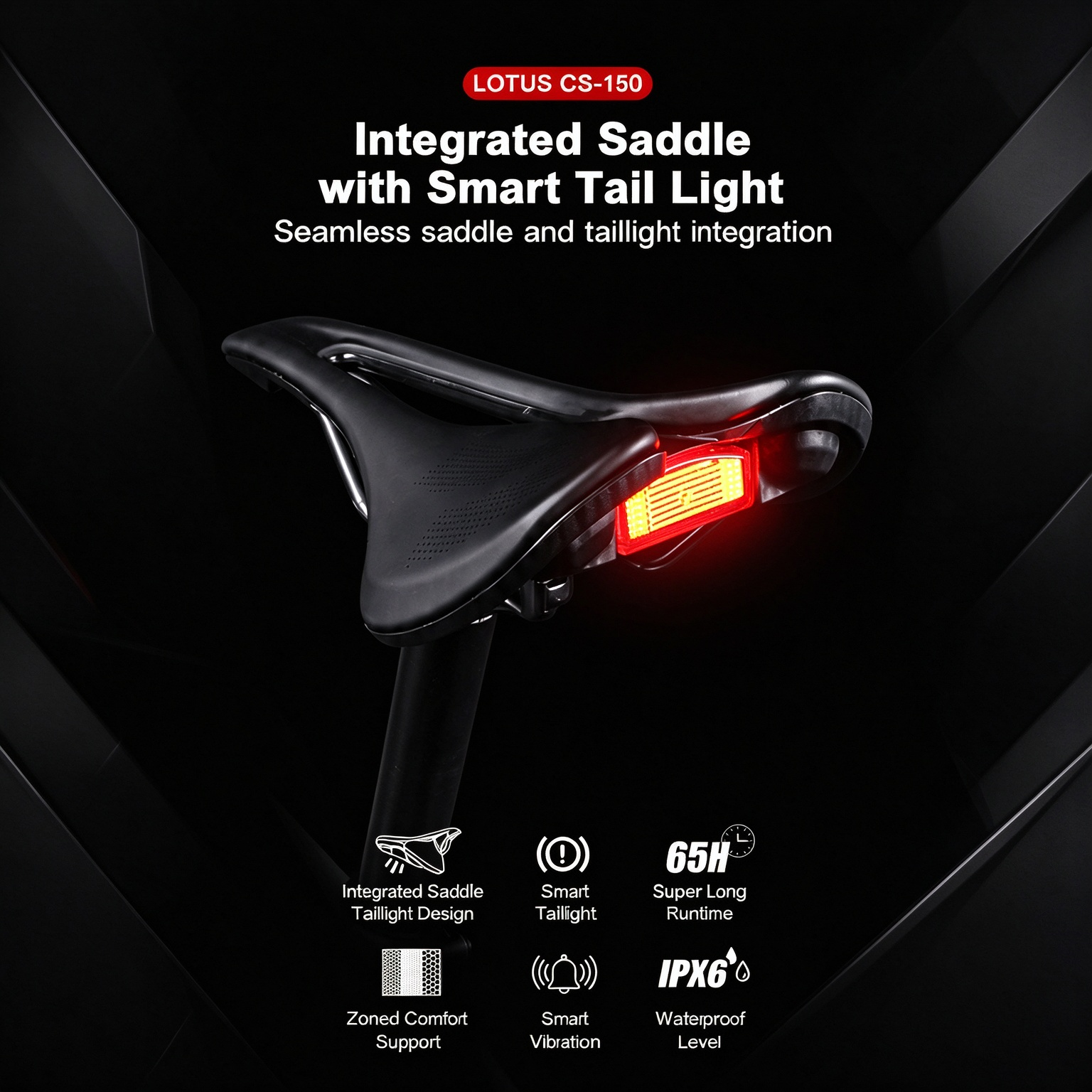
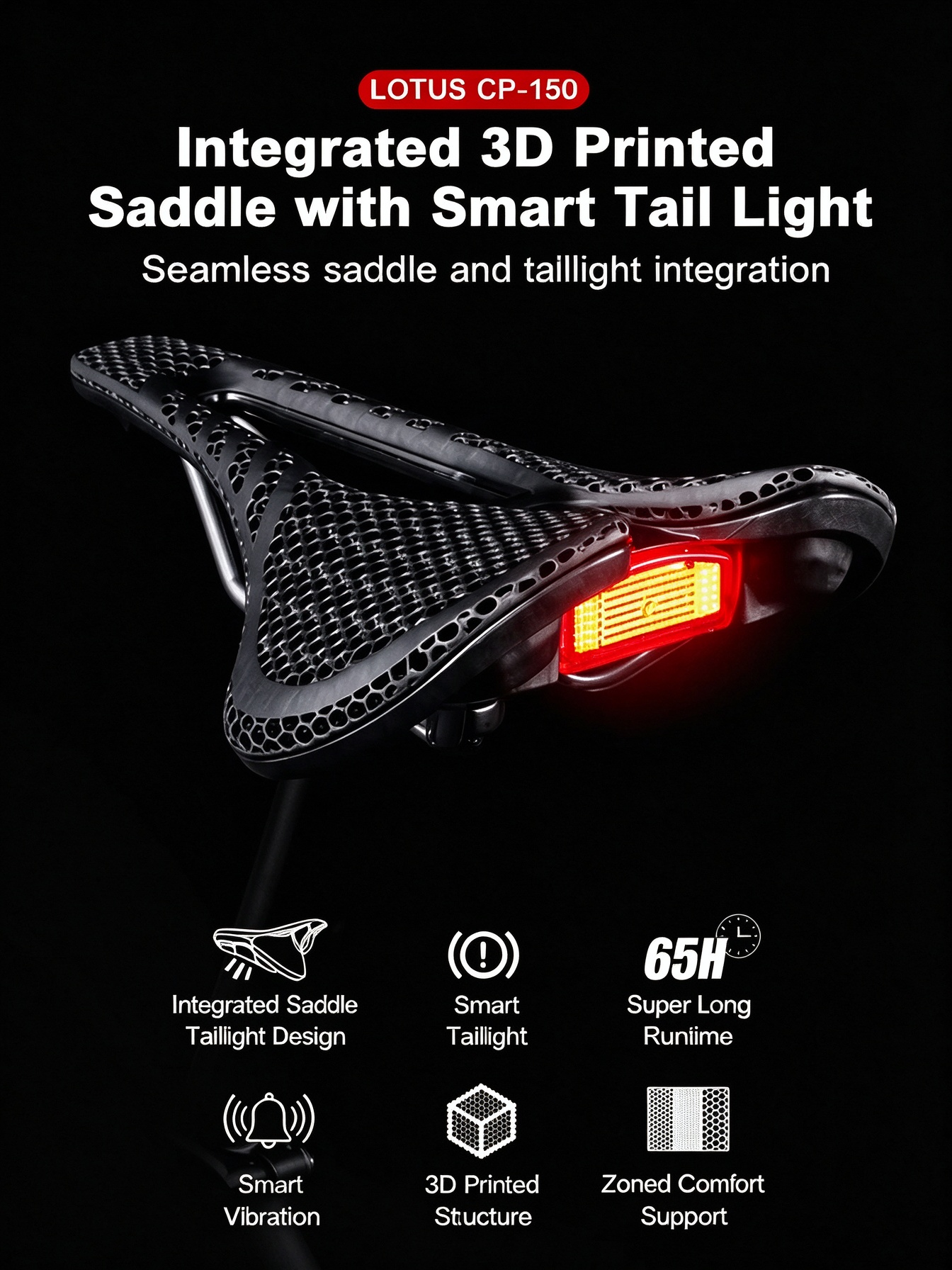
Gaciron CS-150 Integrated Smart Taillight Zoned Comfort Support
Explore Specifications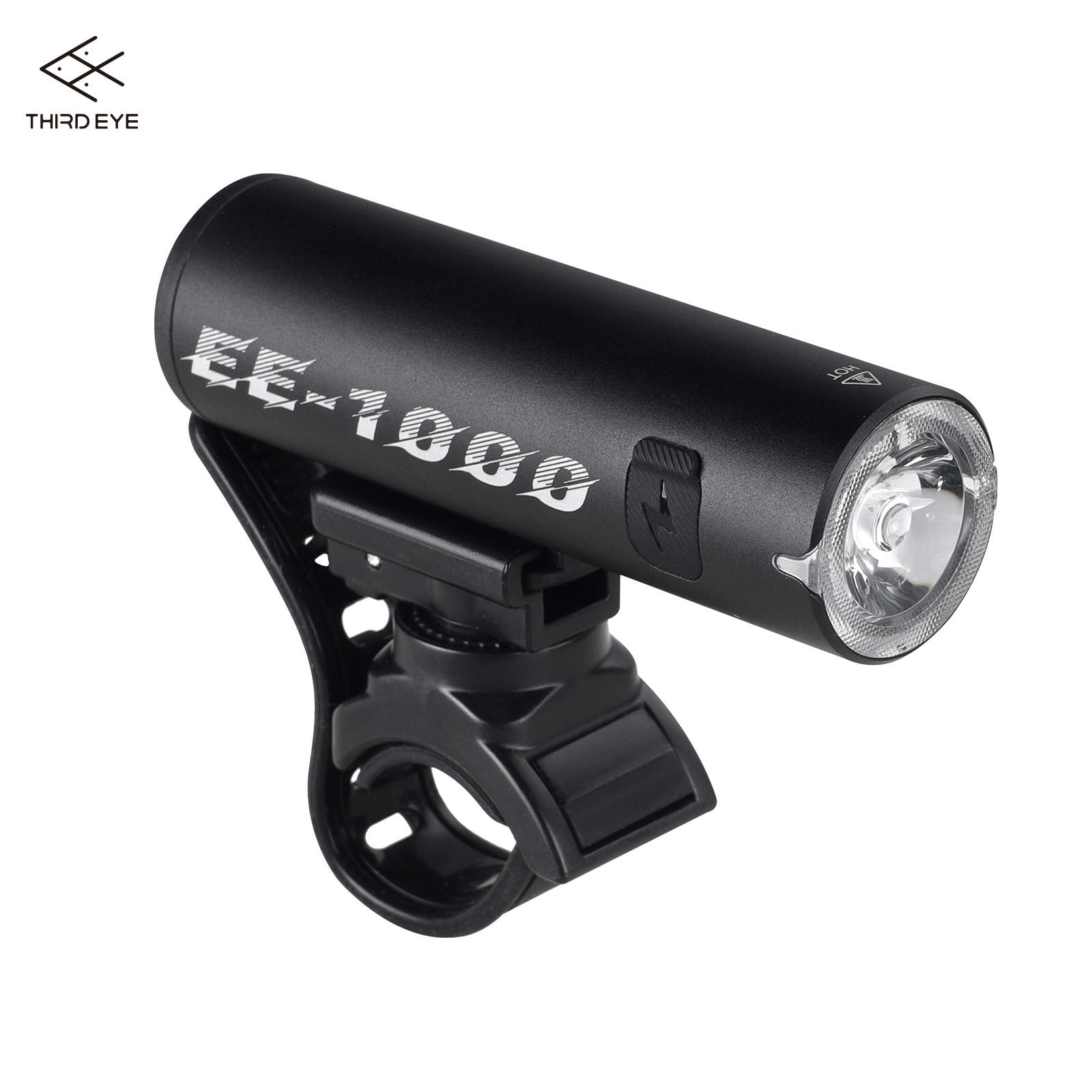
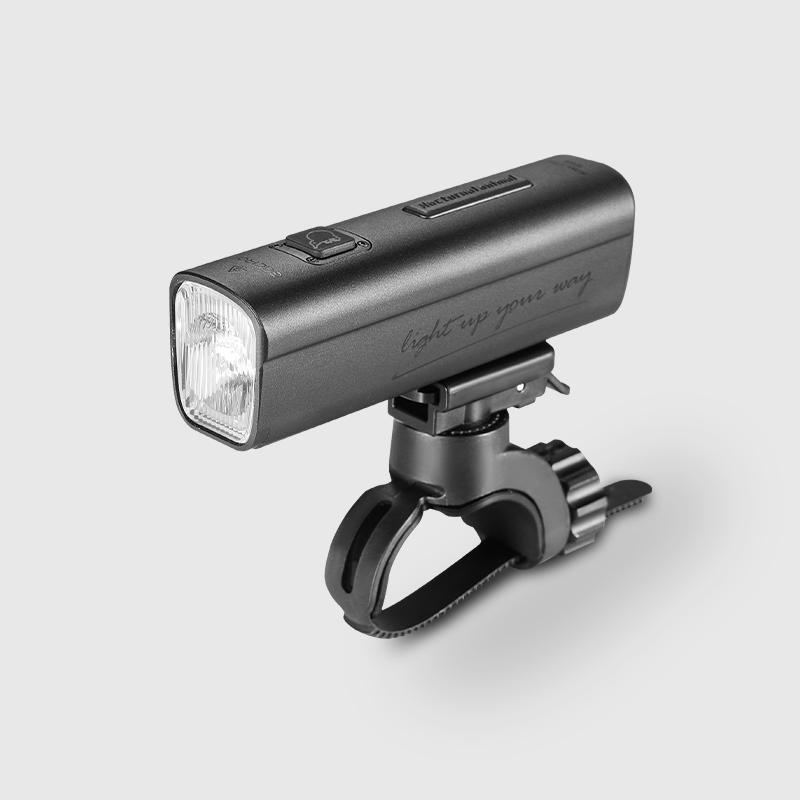
Rechargeable LED Bicycle Headlight 200m Range IPX6 Waterproof
Explore Specifications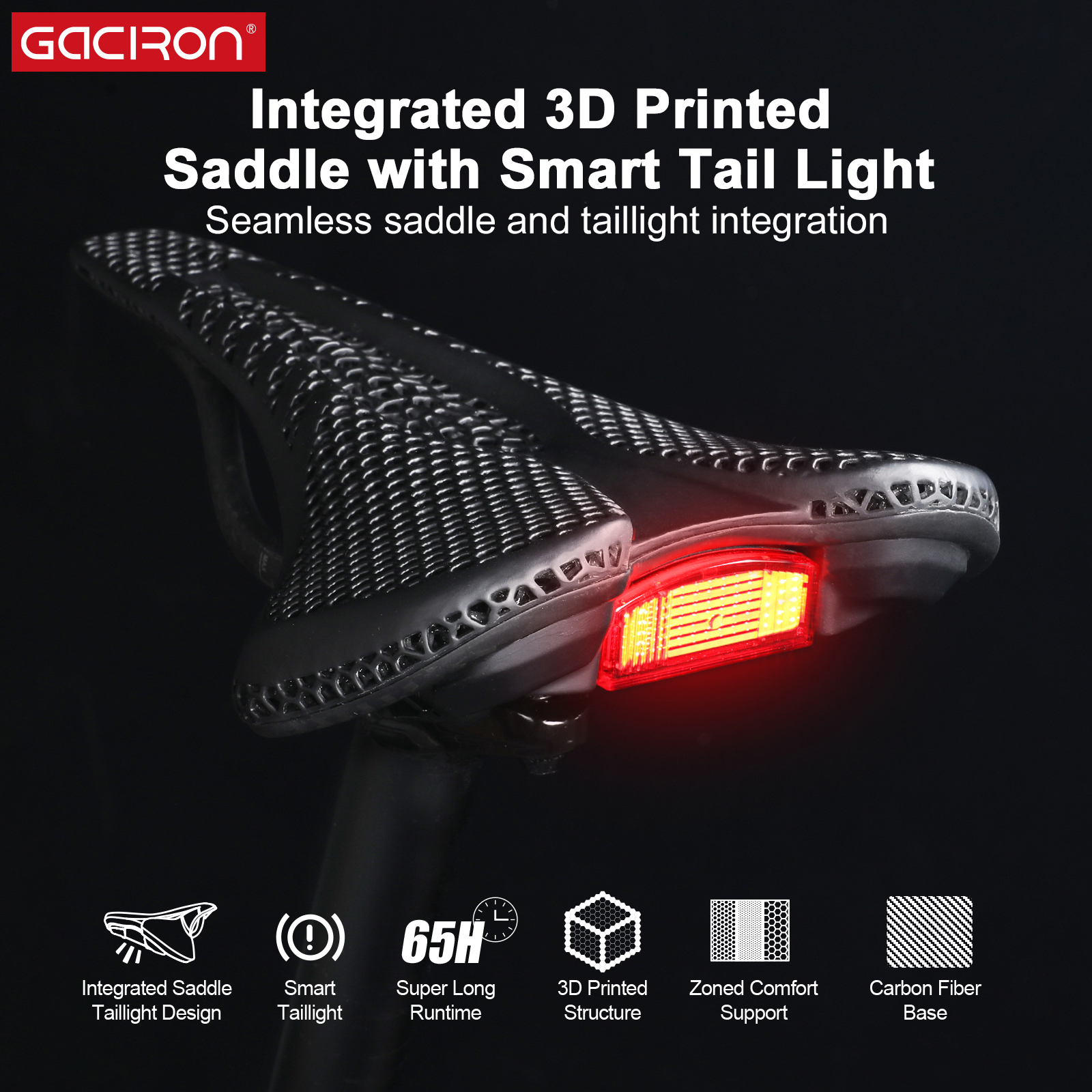
Gaciron EP-143 Integrated T700 Carbon Smart Brake Taillight
Explore Specifications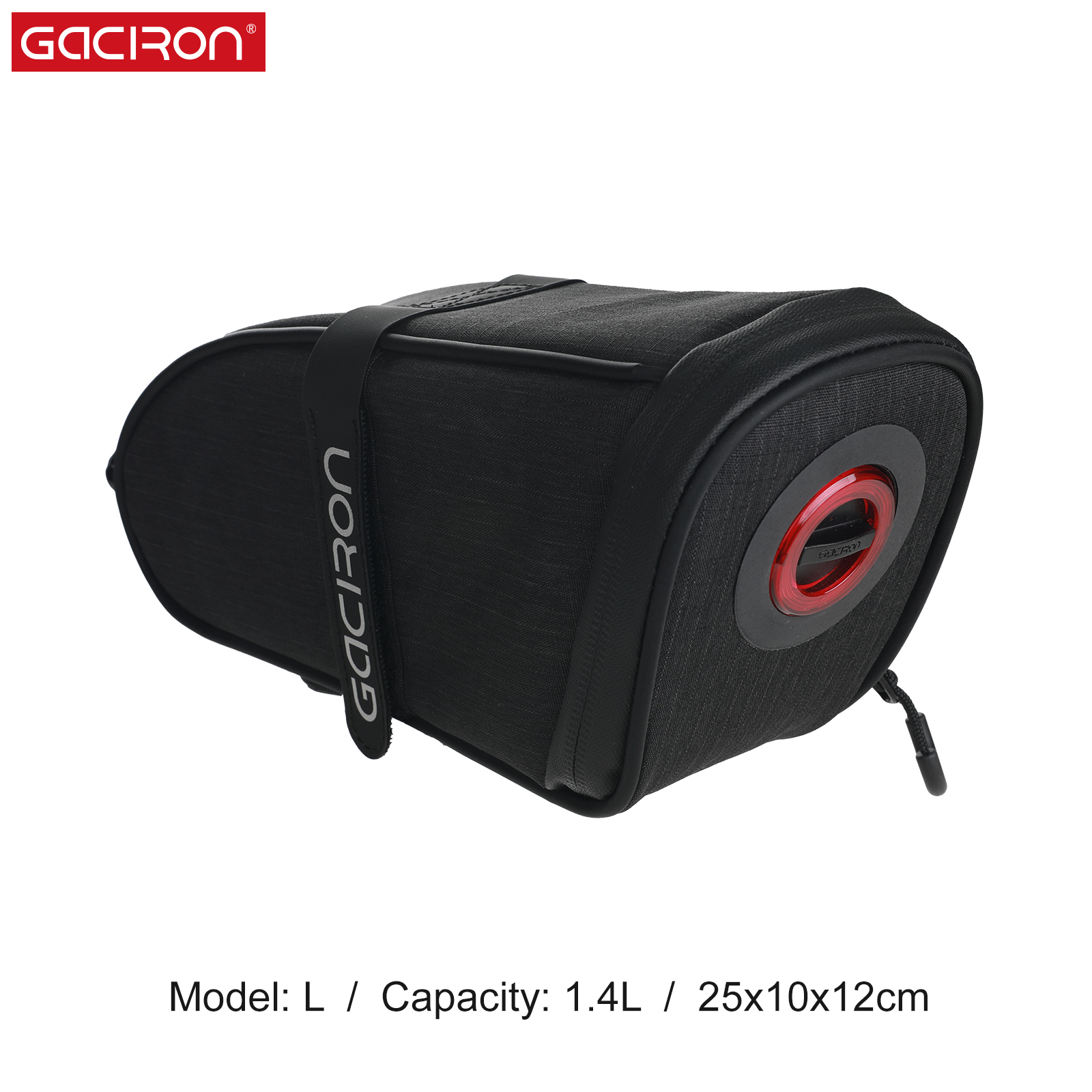
Gaciron Kiwi-1200 Symmetric Optics 4400mAh Front Light
Explore Specifications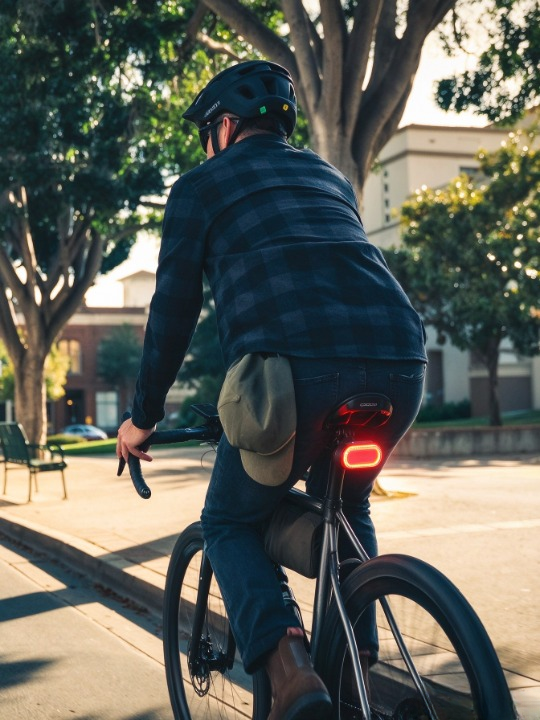
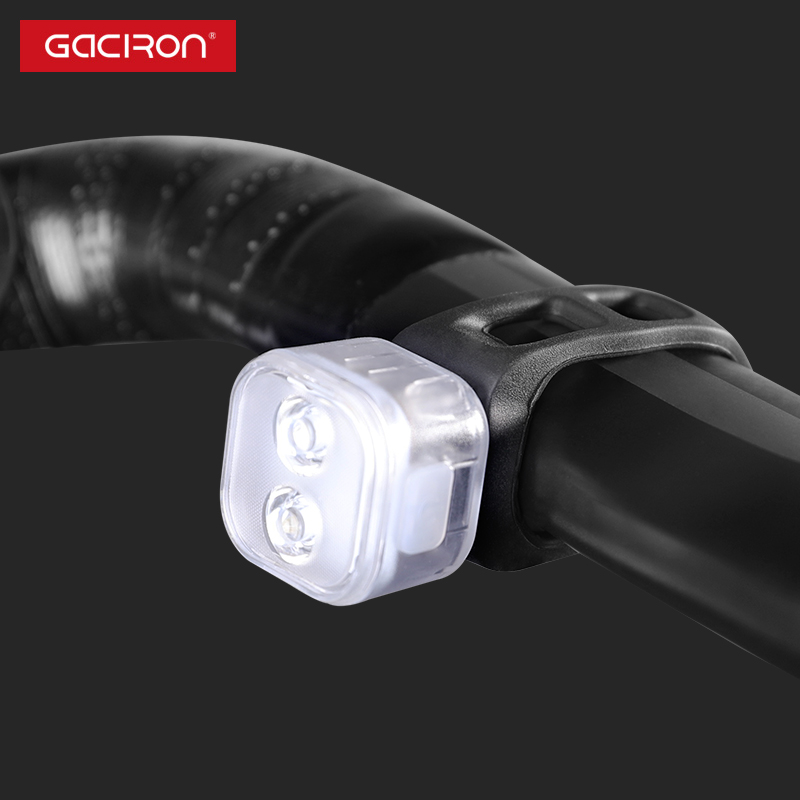
Gaciron W07W Mini USB Rechargeable 6-Mode Warning Light
Explore SpecificationsStrategic Supply Blueprint: MTB Accessories Logistics & Sourcing in Freeport
As an established industrial manufacturing leader operating out of Shenzhen since 2009, Shenzhen QUZR Technology Co., Ltd. has closely monitored the evolving requirements of mountain bike component importers, brand consolidators, and cycling distributors servicing coastal and insular markets like Freeport. Navigating procurement in Freeport—whether dealing with maritime free trade zones or direct regional outdoor sport consumption—demands a balance of strict marine-grade environmental resistance and streamlined replenishment logistics.
MTB operations in coastal regions expose components to continuous saline condensation, fine coral silica, and extreme thermal variation. Standard consumer-grade bike accessories rapidly deteriorate under these stress vectors. By deploying aerospace-grade 6061-T6 aluminum casings through our fleet of 50+ precision CNC milling stations, combined with hard-anodized oxidation coatings and dual-lip silicone sealing rings, our bike headlights and telemetry brackets achieve certified IPX6 and IPX7 ingress ratings. For Freeport procurement teams, sourcing components that surpass ISO 6742 and StVZO optical criteria translates to drastically reduced warranty return claims and superior customer retention.
Furthermore, international trade operators leveraging Freeport's bonded warehousing infrastructure require supplier flexibility across incoterms. Our operational infrastructure provides turnkey FOB, CIF, DDP, and EXW arrangements. By partnering directly with an OEM/ODM source factory running eight standardized dust-free assembly lines, retailers and regional brand owners cut through broker layers, securing tier-1 commercial pricing, responsive engineering modifications, and scalable volume output up to 200,000 sets per month.
Engineered for Demanding Real-World Use Cases
How our technical features address exact environmental challenges encountered on technical trails and expedition journeys.
Aggressive Trail & Downhill Navigation
Sudden elevation shifts require wide-spread optical flood patterns and deep penetration. Systems like the Raptor series combine dual-zone TIR optics to light near-wheel terrain without losing down-trail sightlines at speeds exceeding 40 km/h.
Salt-Air Coastal Expeditions
Freeport's humid, salt-heavy atmosphere degrades inferior alloys within months. Our hard-anodized CNC enclosures and IPX6 sealed charge ports guard against galvanic corrosion and internal PCB failure caused by coastal mist exposure.
Multi-Day Bikepacking & Touring
Long expeditions demand low weight and continuous battery backup. Our integrated saddle bags and power-bank headlights charge navigational computers and cell phones while surviving severe mechanical vibration on unpaved gravel tracks.
Emerging Market Trends: The Shift to Smart MTB Ecosystems
The global cycling accessories market has fundamentally transitioned away from disposable, standalone illumination toward integrated electronic ecosystems. In active recreational hubs and tourist rental epicenters around Freeport, three critical development trends are shaping procurement orders:
1. Sensor Integration & Kinetic Deceleration: Retailers no longer request standard flashing rear lights. The baseline commercial expectation now centers on tri-axial accelerometer chips, such as those integrated within our CP150 and EP-143 models, which automatically trigger an intense 200-lumen burst under braking. This technology bridges the safety gap on group rides and trail descents.
2. Millimeter-Wave Radar and Telemetry Protocols: High-end mountain bikes, e-MTBs, and gravel rigs are adopting vehicular-grade safety gear. Products such as the Gaciron Sentry R9 Ultra incorporate ANT+ protocols to pair seamlessly with Garmin, Wahoo, and proprietary head units, offering riders early visual alerts when vehicles approach from behind on shared access roads.
3. E-MTB Integration & High-Capacity Lithium Topologies: With the exponential rise of electric mountain bikes, demand has surged for accessories compatible with wider DC voltage inputs (6V-48V) and ultra-high-capacity power reserves (up to 10,000mAh) featuring bidirectional Type-C fast-charge protocols that turn bike lights into trail power hubs.
Shenzhen Factory Capabilities & Supply Advantages
Direct manufacturing guarantees consistent quality, agile prototyping, and verified delivery schedules.
Dust-Free Cleanroom Assembly
Our 9,350 square meter facility houses 8 climate-controlled, dust-free production lines, ensuring that delicate optical lenses, high-output LED emitters, and micro-controllers are assembled without particulate contamination.
In-House Optical & Firmware R&D
We do not rebrand off-the-shelf plastic housings. Our engineering squad executes complete photometric simulation, ray-tracing lens development, custom circuit logic, and mold construction under one unified roof.
Certified Quality & Rapid Inquiries
Third-party onsite verification, rigorous drop, vibration, and water-submersion batch tests, paired with an average international inquiry response window of under 3 hours, maintain our 40% reorder baseline among global partners.
Procurement FAQ: Sourcing MTB Components for Freeport
Essential guidance covering commercial terms, manufacturing specifications, and international supply workflows.
Q1: What are the standard Minimum Order Quantities (MOQs)?
For standard catalog configurations carrying factory-stock firmware and neutral packaging, MOQs start as low as 20 pieces per SKU. Custom laser engraving, tailored retail packaging, and customized optical coatings generally start at 500 to 1,000 units depending on component tooling.
Q2: How do you manage marine shipping to Freeport bonded ports?
We routinely supply goods under FOB Shenzhen, CIF, or DDP terms. All products containing lithium battery packs are certified with UN38.3, MSDS, and drop-test packaging compliance to ensure uninterrupted customs processing across ocean and air freight channels.
Q3: Can you build custom mounting brackets for different handlebars?
Yes. Our in-house tooling division develops CNC-machined 6061-aluminum and carbon-composite mounts tailored to standard 31.8mm and oversized 35mm MTB handlebars, integrated stem faceplates, aero drop-bars, and GoPro-compatible under-brackets.
Q4: What testing processes safeguard waterproofing standards?
Every lighting housing design undergoes automated pneumatic pressure decay testing during assembly, followed by continuous high-pressure water jet tests under IPX6 standards. Critical high-end dive or underwater lights undergo pressurized tank submergence corresponding to IPX7 parameters.
Q5: What are the accepted international payment parameters?
We accommodate T/T, L/C, D/P, D/A, credit card, and PayPal. Standard production cycles operate on a structured deposit basis with balance clearance against Bills of Lading (B/L) or inspection sign-off, supported in USD, EUR, and other primary currencies.
Q6: Do you offer complete ODM development from concept sketches?
Yes. Our team can take industrial ID sketches or functional briefs and deliver full engineering schematics, 3D prototypes, optical ray simulations, thermal heat-sink calculations, and tooled final samples within a streamlined 45-to-60-day development window.
Expand Your Mountain Bike Catalog with Certified Gear
Consult with our engineering and international trade specialists today to request factory price sheets, sample verification units, or customized OEM/ODM project quotes.
Contact Us