Precision Products for Luxembourg OEM & Distribution Markets
Tested under rigorous IPX6 conditions to ensure optimal performance across multimodal road topologies, alpine gradient paths, and heavy precipitation zones.
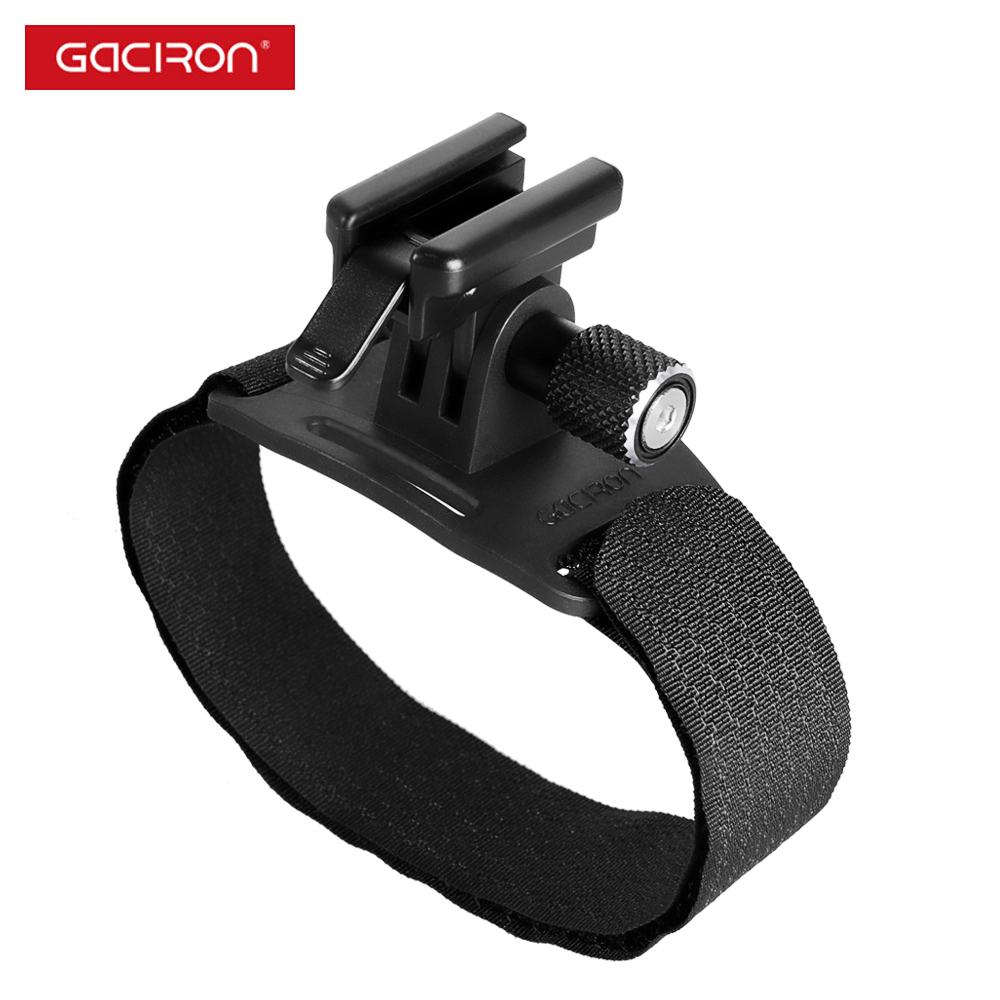
Gaciron H15P Strap 100 Angle Universal Helmet Mount Strips for Bicycle MTB
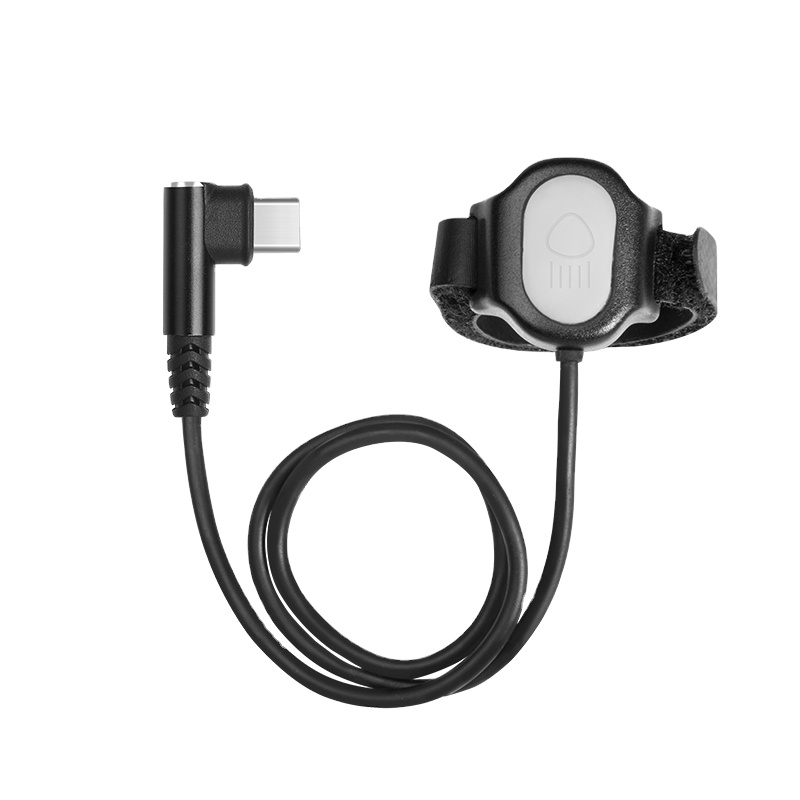
Gaciron R03 Wire Remote Flashlight for Road Bike Light Headlights Accessories
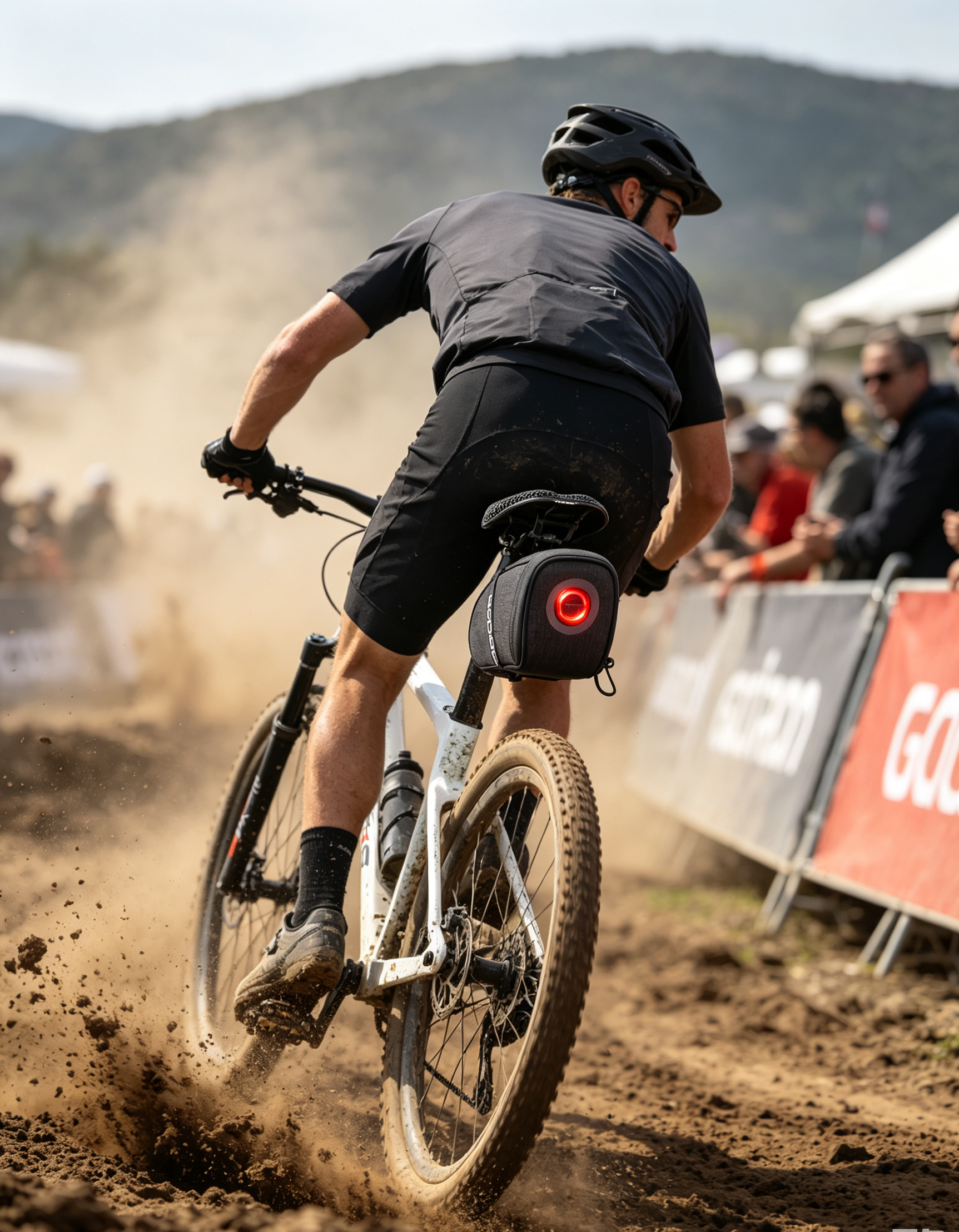
Gaciron BIRD NEST-300 Bicycle Bag Rear Light Smart Taillight Vibration Sensors
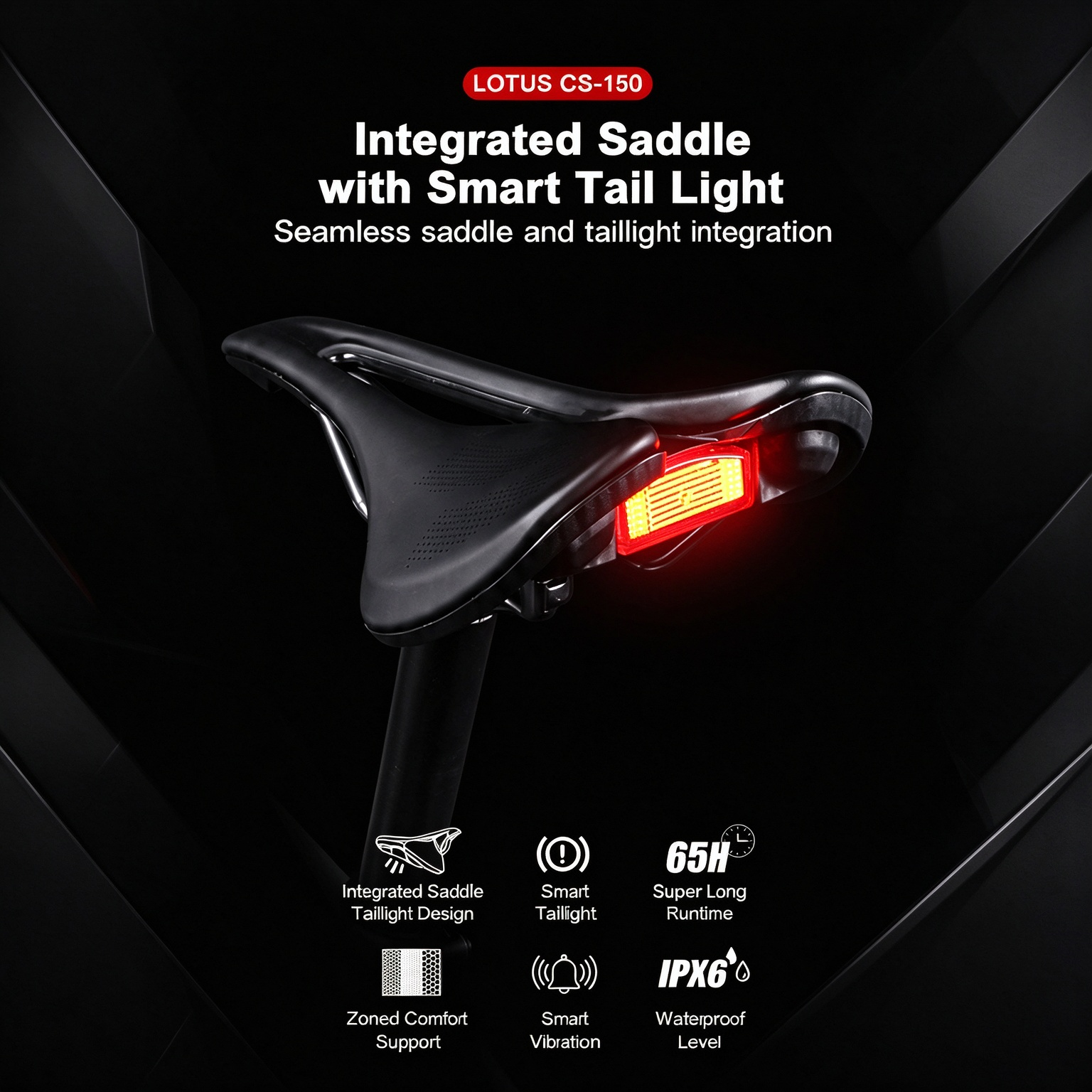
Gaciron CS-150 Integrated Smart Taillight Zoned Comfort Support 65h Runtime IPX6
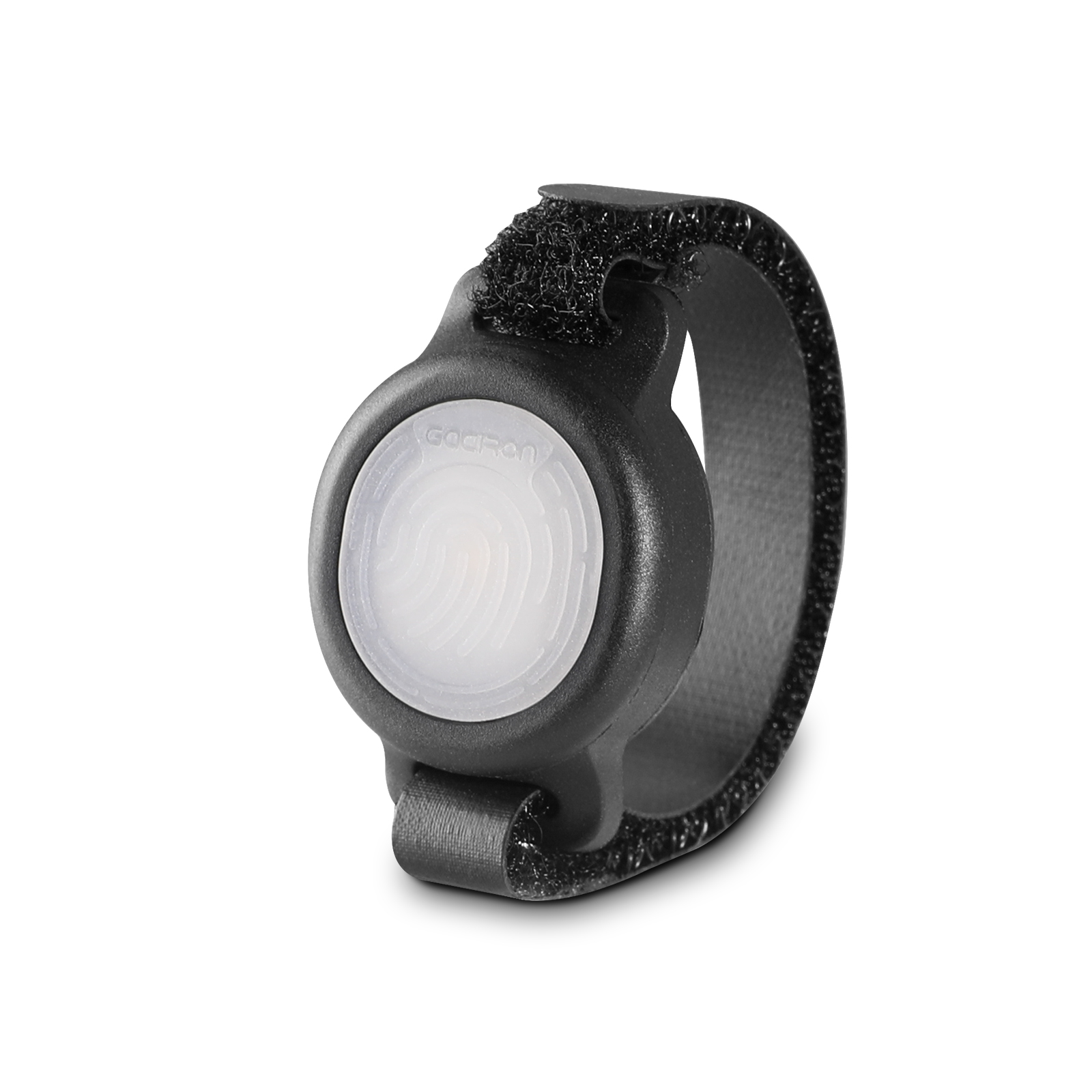
Gaciron R06 Wireless Remote Switch Support Bike Front Light KiWI-1200
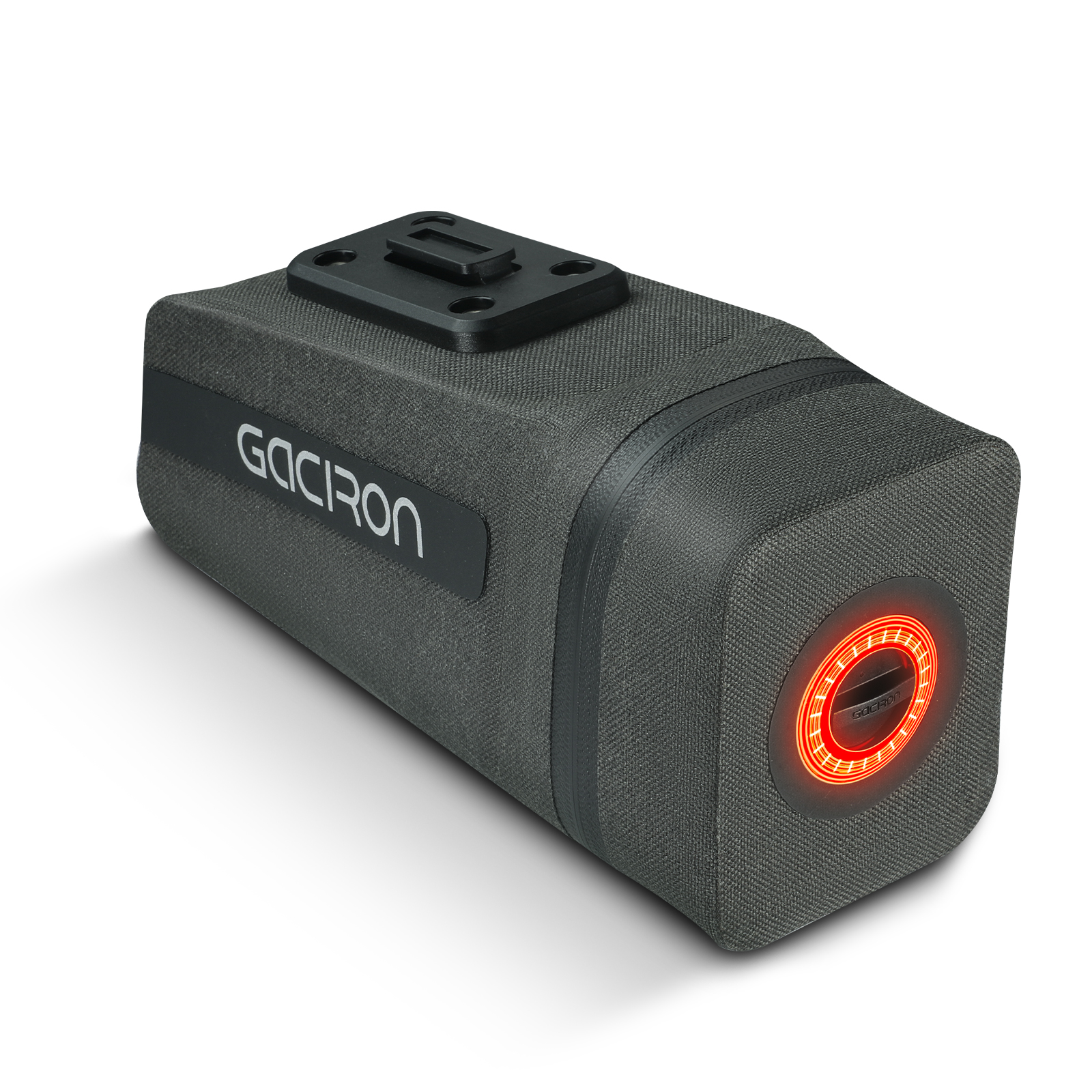
Gaciron Bird Nest-200 Waterproof Bike Bag for Road Bike-2kg Lightweight
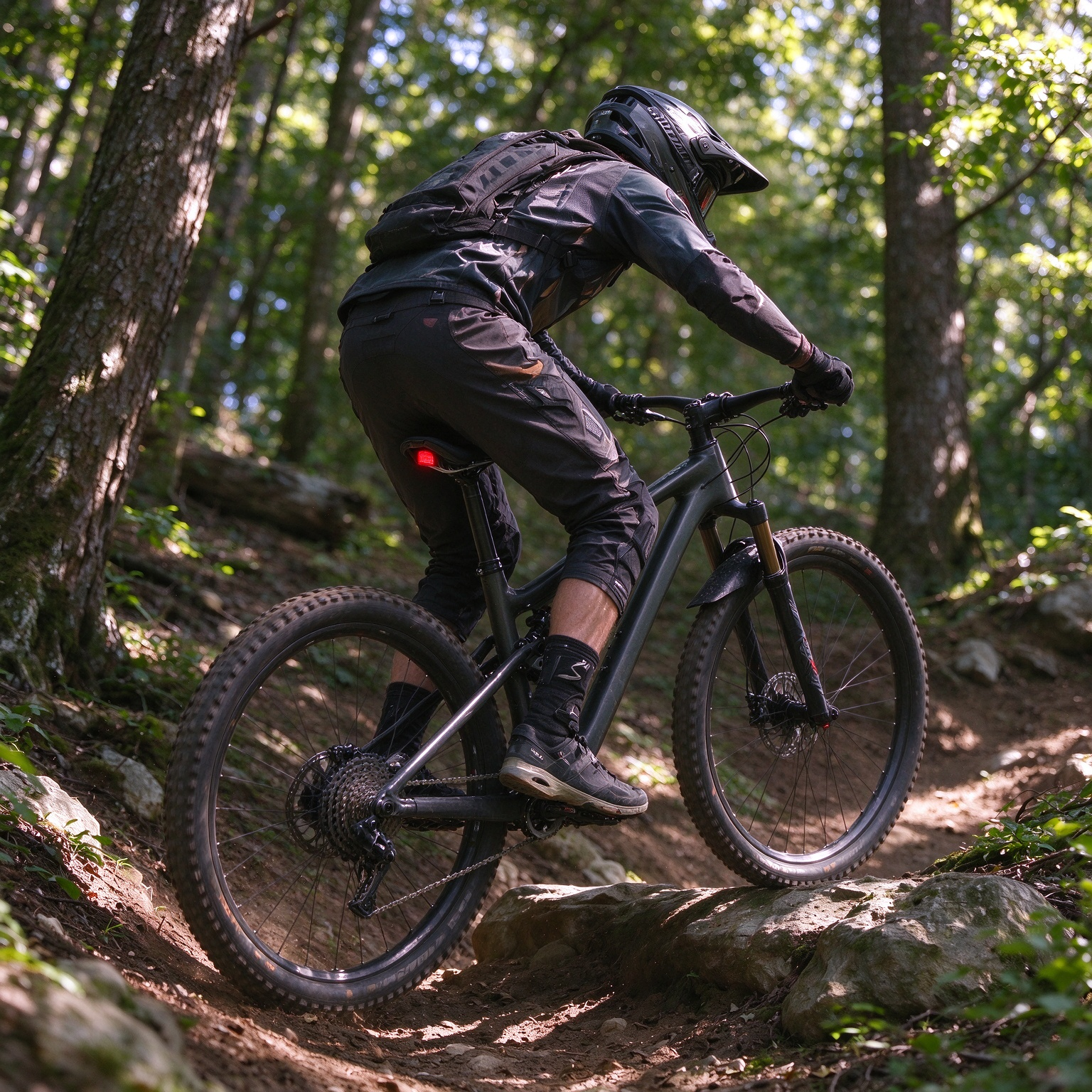
Gaciron CS-150 Bike Accessories Smart Taillight Zoned Comfort Support IPX6
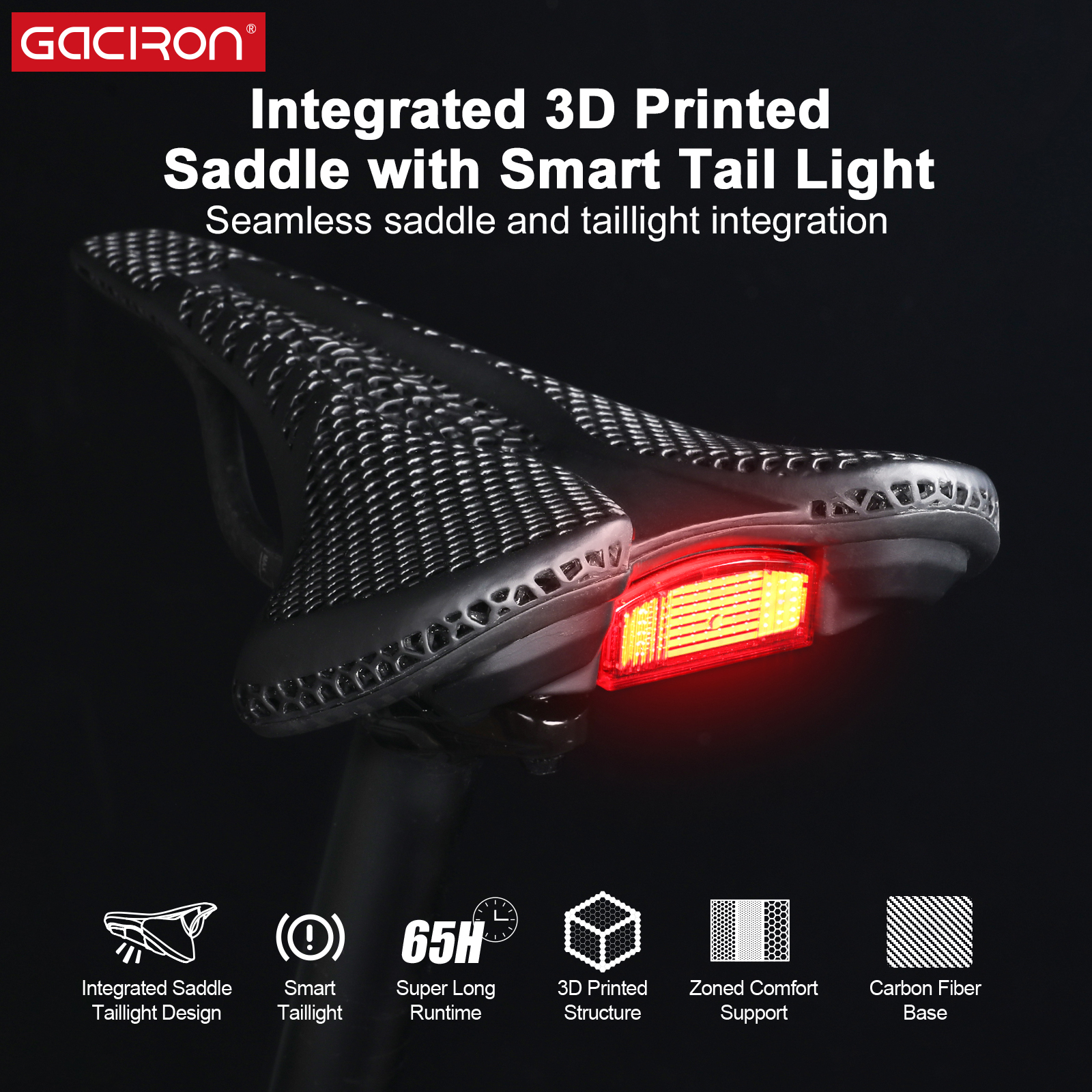
Gaciron CS-150 Bicycle Accessories Integrated Smart Taillight 65h Runtime IPX6
1. Technical Architectural Demands in the Luxembourg City Micro-Mobility Landscape
The Grand Duchy of Luxembourg, and specifically the metropolitan region of Luxembourg City, represents one of Western Europe’s most unique testbeds for micro-mobility illumination technology. Driven by ambitious carbon-neutrality initiatives and supported by the nationwide complimentary public transport model, Luxembourg’s commuters are increasingly integrating high-speed E-bikes (pedelecs and S-pedelecs) into daily transit routines. However, the geographic and architectural layout of Luxembourg City—characterized by deep river valleys such as the Alzette and Pétrusse, historic cobblestone streets in the Grund, rapid transitions between well-lit financial plateaus (Kirchberg) and unlit perimeter cycle highways (Vëlosummer networks)—presents severe technical challenges for conventional bike illumination.
For original equipment manufacturers (OEMs), brand aggregators, and commercial distributors operating within Luxembourg, selecting an E-Bike LED headlight manufacturer requires an analytical evaluation of beam photometry. In Luxembourg's dense multi-modal urban corridors, standard symmetrical cone reflectors produce excessive glare that dazzles oncoming tram operators, vehicular traffic, and opposing cyclists. This makes anti-glare horizontal cutoff beam optics (conforming strictly to European photometric expectations analogous to German StVZO requirements) a critical engineering specification rather than an optional feature.
2. Engineering Cutoff Low-Beams & High-Voltage Step-Down Topology
Modern high-torque electric drivetrains deployed in urban Luxembourg—including Bosch Performance Line, Shimano STEPS, and Brose systems—operate internal battery architectures spanning from 24V to 48V (and up to 60V in cargo platforms). A specialized manufacturer must integrate broad-input DC-to-DC step-down buck regulators directly into the headlight's internal printed circuit board assembly (PCBA). These driver boards must offer superior thermal management, active transient voltage suppression, and reverse-polarity protection to safeguard the lighting module against motor spikes and regeneration pulses.
Photometrically, the implementation of total internal reflection (TIR) optical lenses alongside reverse-facetted aluminum reflectors directs 85% of total luminous flux downward onto the asphalt surface between 5 and 30 meters ahead of the front tire. By capping vertical beam dissemination at an exact 1.2-degree downward deflection angle, the headlight provides ultra-sharp cutoff definition. The rider receives crisp visibility over wet cobblestones and damp tram rails without projecting hazardous upward scatter into the eyes of pedestrians or oncoming traffic.
Targeted Application Scenarios in Luxembourg
Kirchberg Plateau Commuting
Navigating broad, rain-swept avenues and high-speed cycle lanes adjacent to heavy vehicular infrastructure. Demands sharp cutoff lines, broad peripheral spread, and dynamic day-running-light (DRL) ambient sensors.
Grund & Pétrusse Valley Incline
Sharp elevation changes and ancient cobblestone descents requiring high impact tolerance, IPX6 waterproofing against pooling valley water, and vibration-proof CNC brackets.
Urban Cargo & Delivery Fleets
Heavy duty municipal utility and cargo E-bikes traversing the Ville-Haute district, operating non-stop across cold winter months with demands for direct-wired power draws and IPX6 water-jet seals.
3. Trends Reshaping the Luxembourgish Cycling Market
Several macro-economic and legislative trends are defining the procurement criteria of Luxembourg cycle distributors:
Multi-Tiered Subsidies and Corporate Leasing: The Luxembourgish government’s sustained subsidies for pedelecs, paired with tax-deductible commercial fleet leasing, have pushed consumer demand toward premium-spec commuter bikes. Commuters refuse substandard plastic housings; they expect aerospace-grade 6063 CNC-machined aluminum alloy shells that double as efficient passive heat sinks, enabling continuous operation at up to 1,200 to 1,800 peak lumens without thermal throttling.
Sensor Integration and Cockpit Harmonization: The modern Luxembourgish rider prefers clean, integrated cockpits. Wireless BLE and compact handlebar remotes (such as the Gaciron R06 architecture) allow seamless switching between low and high beams without removing hands from the grips. Taillights have evolved beyond static red diodes; they now feature 3-axis MEMS accelerometer-driven smart brake sensing, automatically flashing at full luminous intensity upon negative acceleration to protect against rear-end collisions from electric delivery vans.
Why Tier-1 Importers Trust Shenzhen QUZR Technology
9,350 m² Factory HQ
Operating since 2009 with 8 dust-free production lines and over 50 automated CNC machines ensuring surgical housing tolerances.
Strict Onsite Verification
Third-party certified business premises with a verified 12-year international B2B trading record and regular presence at 6 global expos.
OEM / ODM Agility
From custom optical refractive angles and PCB firmware development to private buyer-label packaging. Low MOQs starting at 20 units.
≤ 3h Response Commitment
Rapid engineering and sales consultations with multi-currency settlement (EUR, USD) and flexible incoterms including DDP, CIF, and FOB.
Frequently Asked Questions by Luxembourg Importers
Do your E-bike headlights comply with Luxembourg and European optical anti-glare standards?
How do your products handle Luxembourg's harsh, rainy winters and valley humidity?
Can our brand order low minimum quantities to evaluate sample batches in the Luxembourg market?
What electrical inputs are supported for direct integration into commercial E-bike drivetrains?
What logistics channels and trade terms do you provide for European shipment delivery?
Connect with Our Engineering & Export Team
Inquire today to review detailed photometric distribution charts, factory test logs, and wholesale OEM pricing for Luxembourg City and the broader European market.
Get Catalog