Featured Commercial OEM & ODM Lighting Products
Engineered for high thermal efficiency, T700 carbon fiber structural integration, smart brake sensing, and extreme rainproof compliance.
Pacific Northwest Riding Microclimates & Localized OEM Engineering
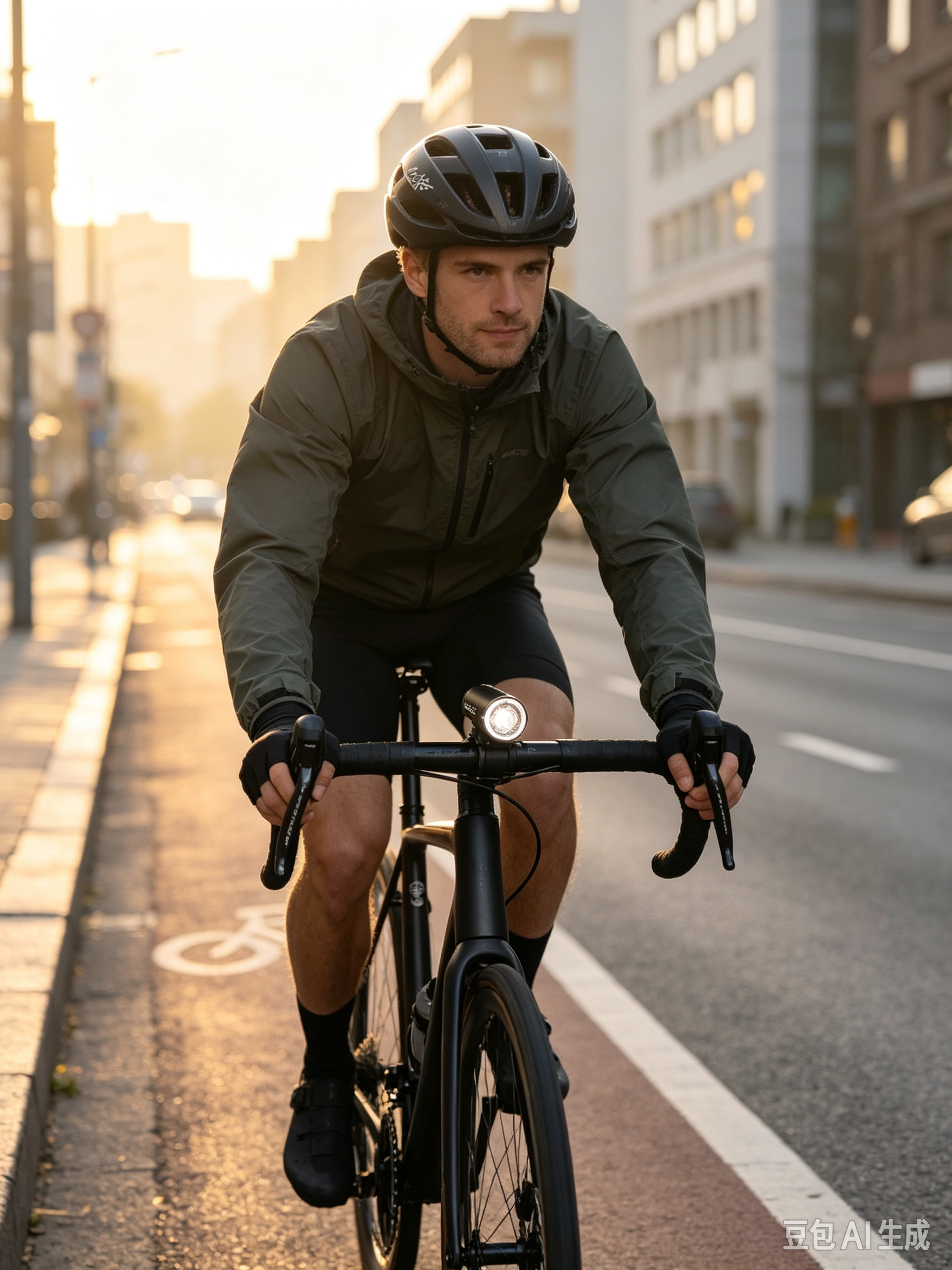
The Seattle metropolitan area—spanning from the urban core of Bellevue and South Lake Union to the technical singletrack of Tiger Mountain and the Burke-Gilman Trail—presents a unique set of rigorous environment demands for bicycle safety lighting. Navigating over 150 annual rainy days, early winter dusk at 4:00 PM, and persistent maritime drizzle, Seattle cyclists require optical solutions that go far beyond standard off-the-shelf commuter illumination.
For custom OEM bike light procurement managers and bicycle brands located in King, Snohomish, and Pierce counties, light design cannot be treated purely as an aesthetic add-on. Micro-drizzle creates airborne water vapor that reflects light backward into the rider's line of sight, causing glare and reduced visibility. Furthermore, cold temperatures coupled with constant wet moisture accelerate thermal cooling, which can adversely affect lithium-ion battery discharge curves and internal electronic condensation if seals fail.
Burke-Gilman Commuter Corridor
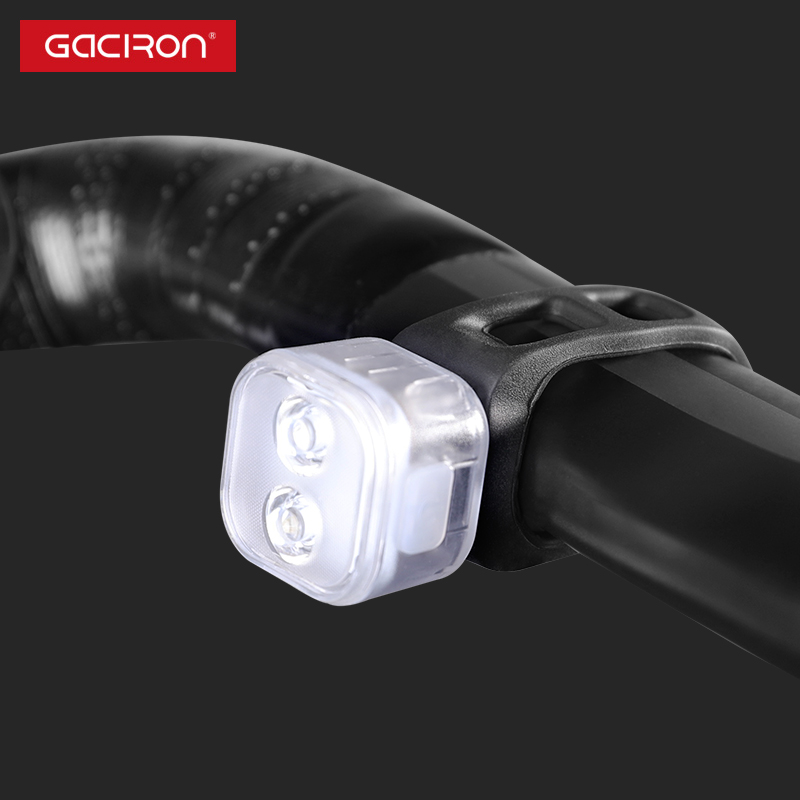
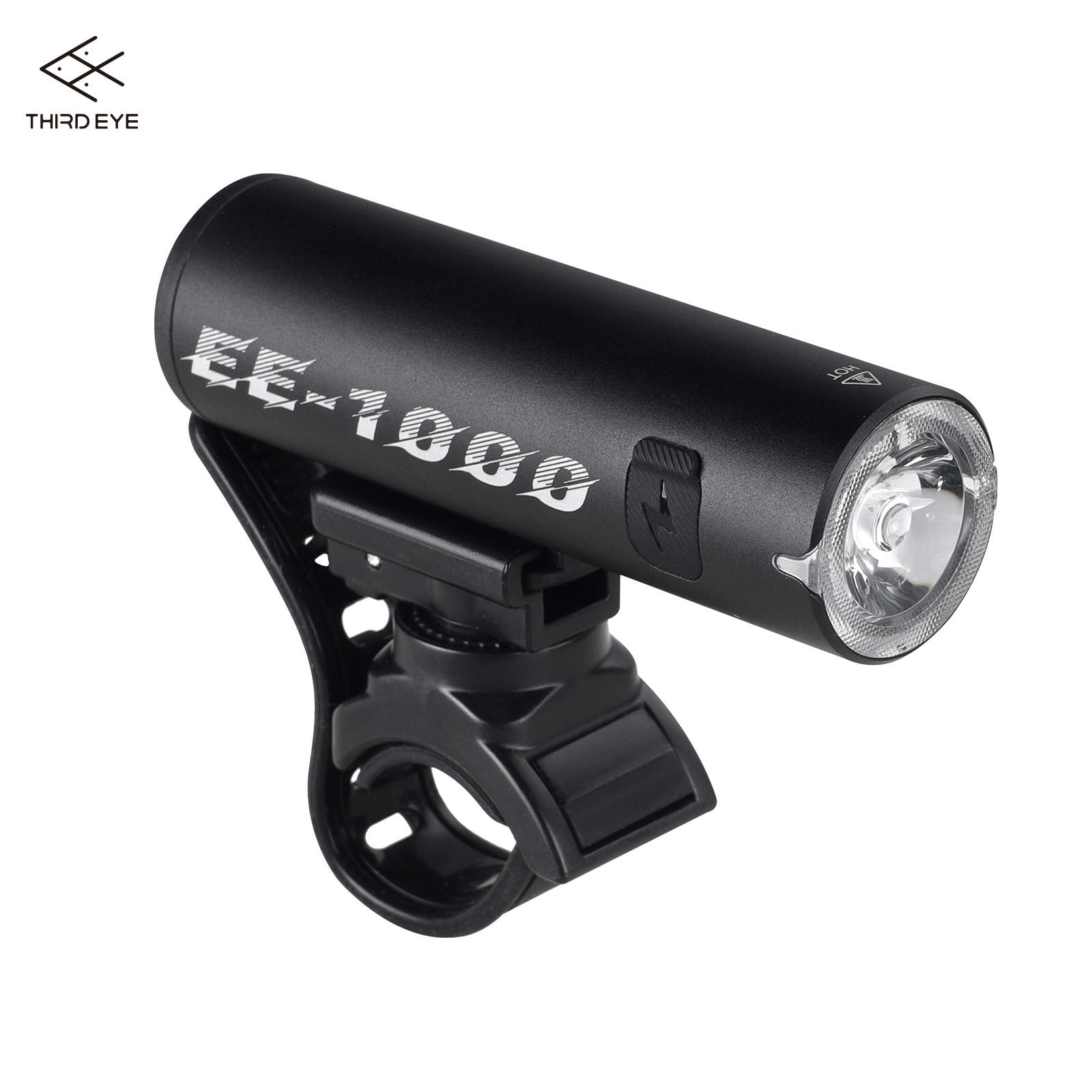
Requires precise anti-glare symmetric and asymmetric cutoff beam distributions (such as seen in our KIWI and EE series) to prevent blinding oncoming commuters on unlit shared-use paths while delivering concentrated thrown light onto wet pavement.
Tiger & Duthie Hill Trail Networks
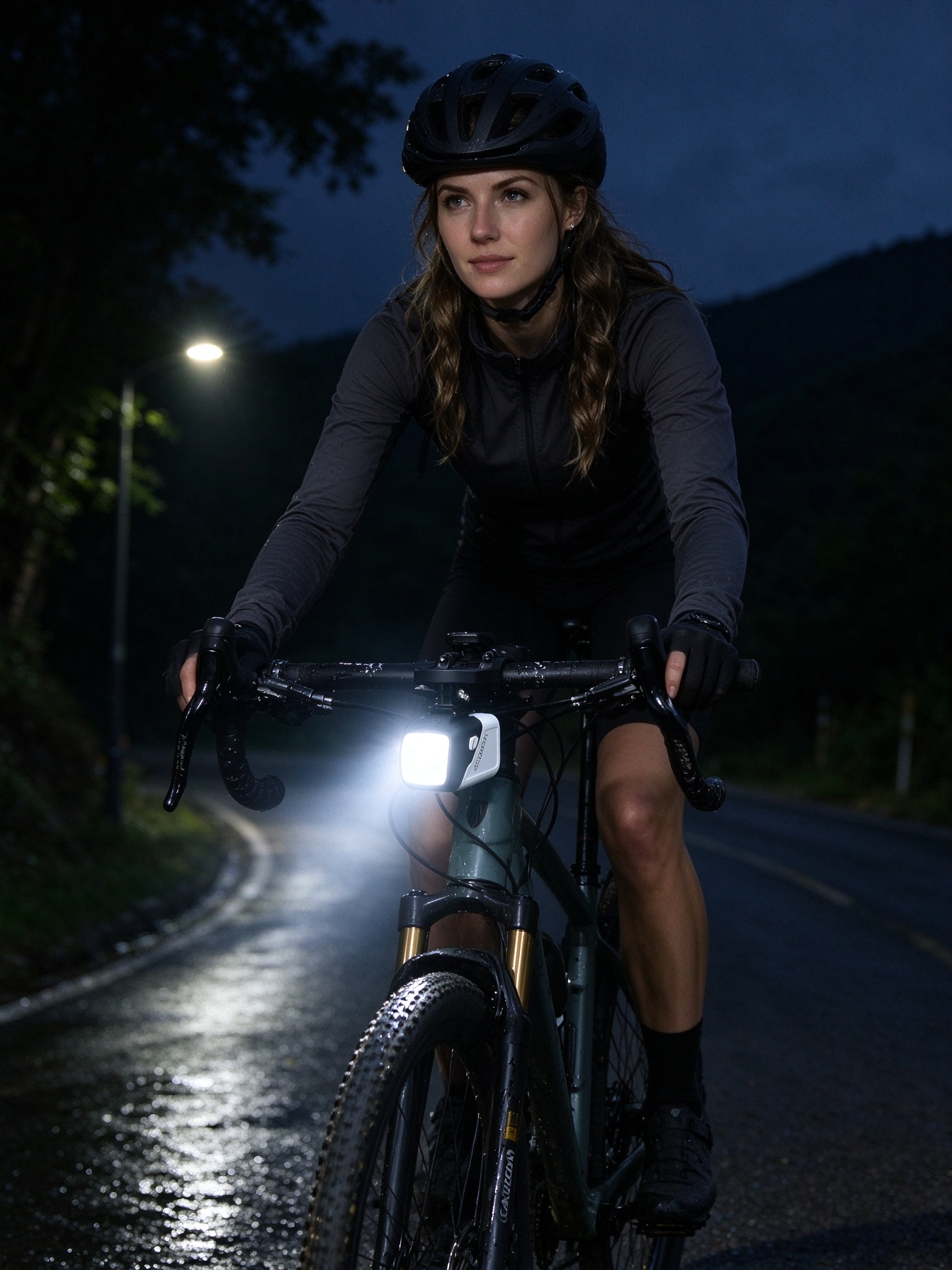
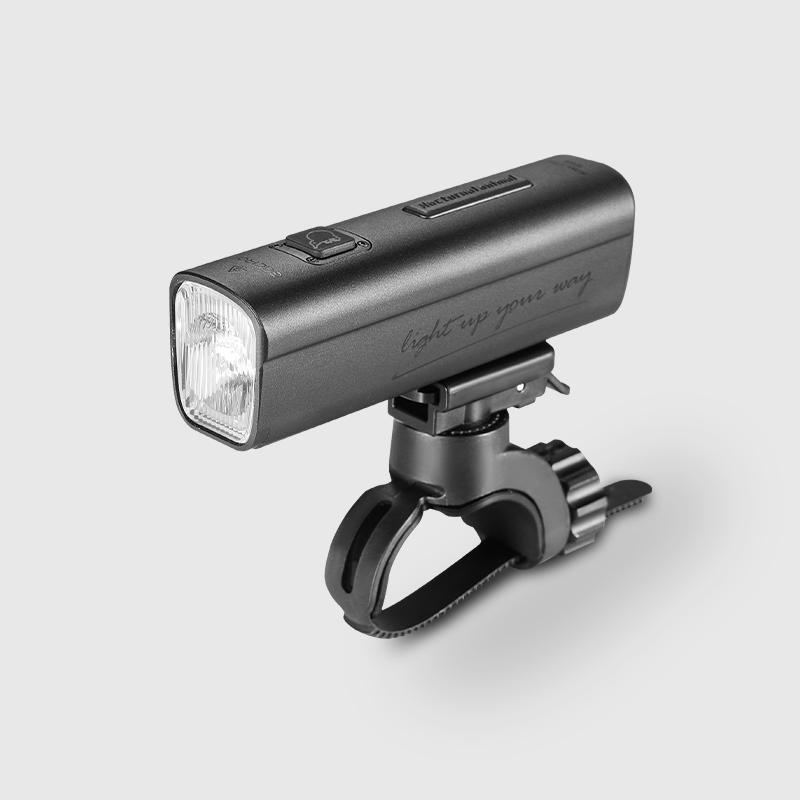
Demands ultra-high brightness (2000LM - 3000LM) with wide flood distribution and wireless remote triggers, permitting immediate light toggle during high-speed technical descents through dense evergreen canopies.
Seattle Urban Rain-Slicked Asphalt
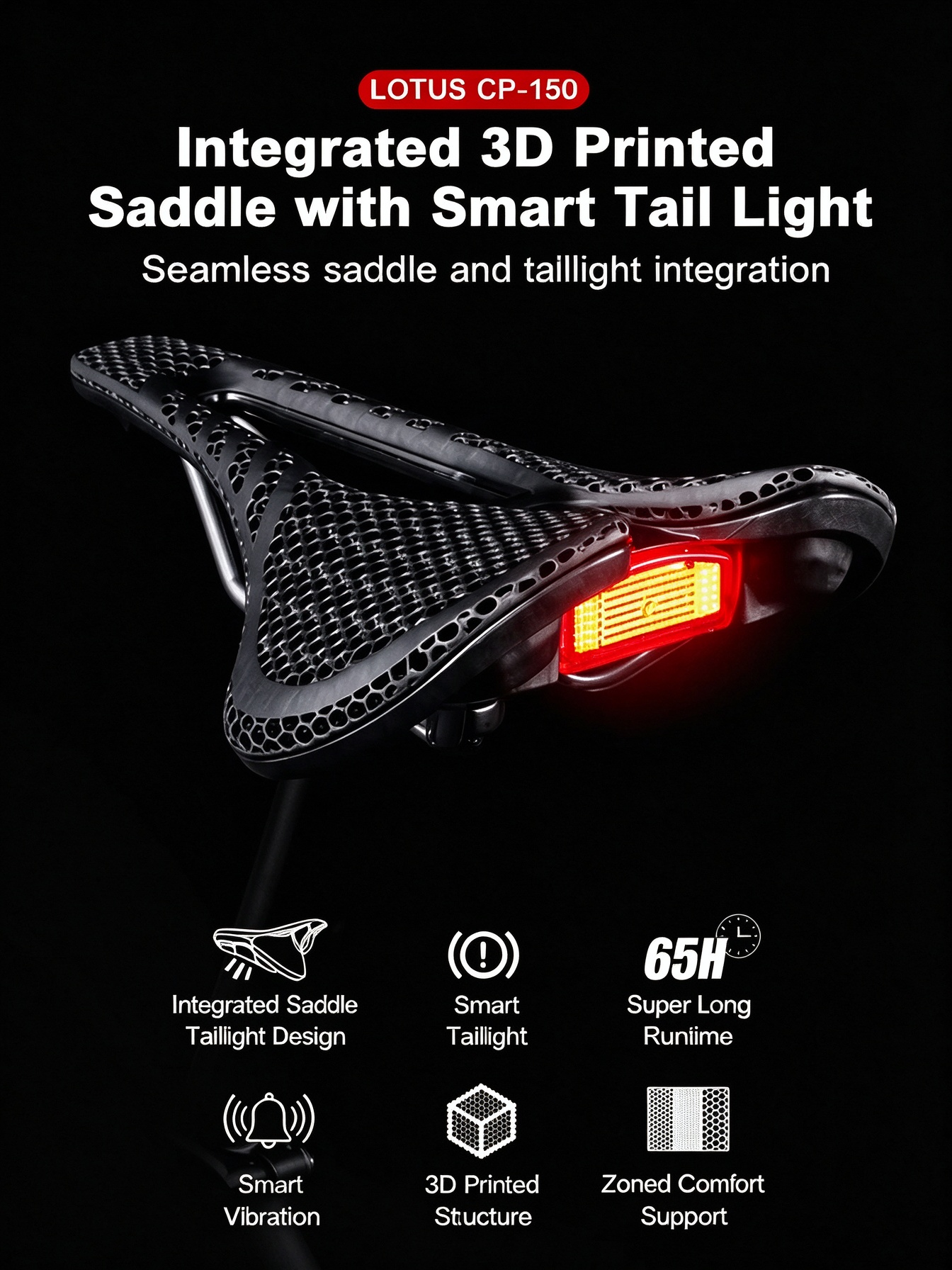
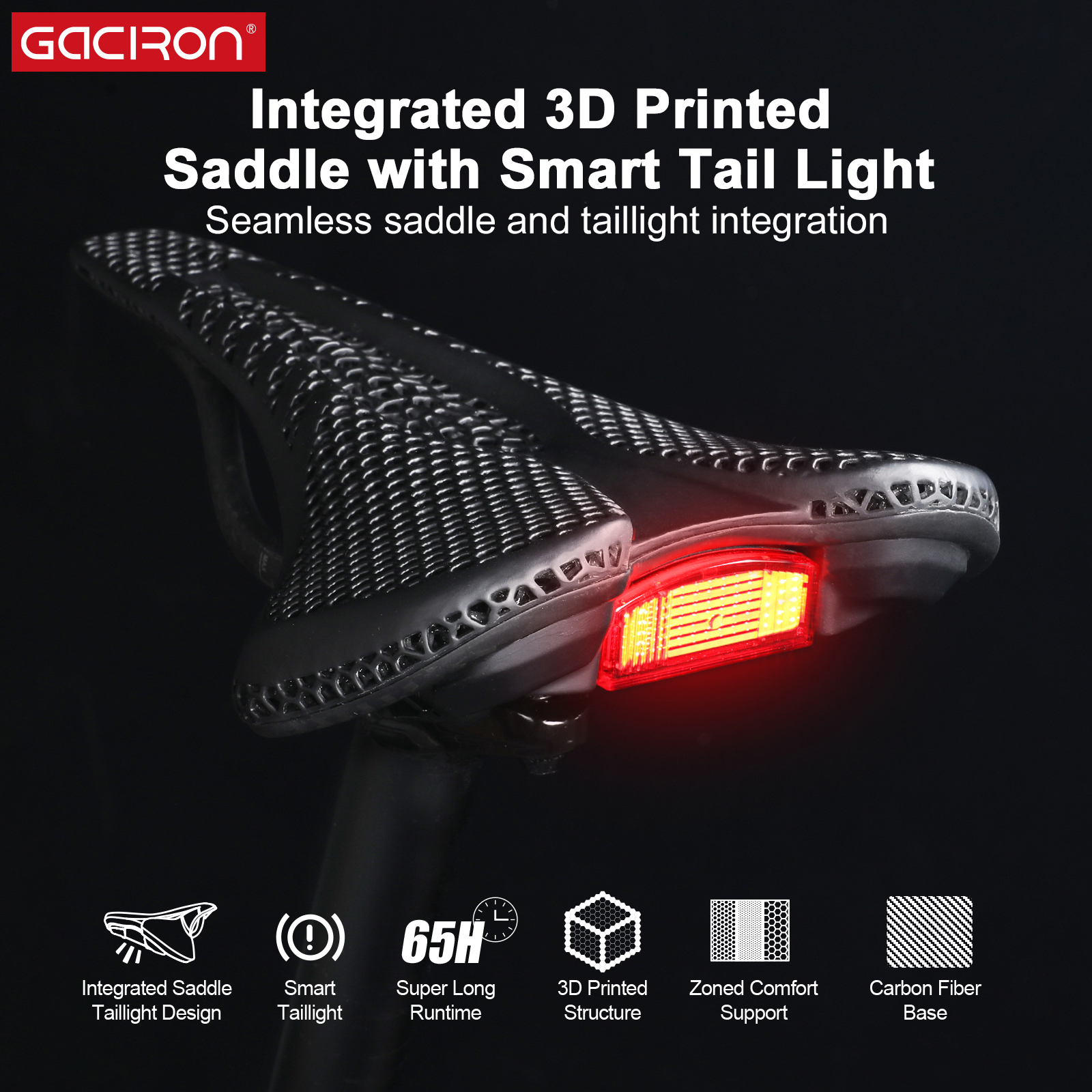
Requires smart rear brake-sensing taillights (such as the CP150 and EP-143 Carbon) using precision accelerometers to signal sudden deceleration through rain and heavy automotive spray on highways like I-5 adjacent surface streets.
By engineering specialized light housings crafted with carbon-fiber reinforced polymer (CFRP) and aircraft-grade 6063 aluminum alloys, our OEM manufacturing facility provides Seattle cycling brands with components offering structural rigidity, ultra-light weight ratios, and superior thermal dissipation necessary for extended high-lumen runtime in dark, damp environments.
Local Market Trends: The Rise of Carbon-Integrated E-Bikes and Commuter Tech in PNW
Analyzing industry shifts driving the need for custom OEM carbon fiber lighting solutions across the West Coast.
Seattle is widely recognized as one of North America’s pioneering hubs for electric bike adoption, high-end custom gravel builds, and ultra-premium carbon road bikes. Local consumers are increasingly willing to pay a premium for lightweight, aerodynamically clean, and seamlessly integrated accessories. This shift is redefining what local brand managers demand from overseas manufacturing partners.
| Market Trend Vector | Traditional Lighting Paradigm | Advanced OEM Carbon Integration Strategy |
|---|---|---|
| Aerodynamic Integration | Bulky external plastic clamps creating wind resistance and cockpit clutter. | T700 Carbon Fiber Mounts & Housings integrated flush into aero dropbars, saddles, and stem faceplates. |
| E-Bike System Synergy | Independent low-capacity batteries requiring frequent manual recharging. | Direct-wire high-voltage DC-DC step-down converters (6V-48V input) integrated directly with Bosch/Shimano motor drives. |
| Optical Standard Compliance | Unfocused circular beam patterns causing excessive flare and light loss into the sky. | StVZO-compliant Cutoff Optics projecting flat-topped light footprints engineered specifically for urban trail safety. |
| Material Aesthetics | Low-grade ABS plastics prone to UV degradation and hairline thermal cracking. | 3K weave and Unidirectional (UD) carbon composite structures matching high-end bicycle frame finishes. |
Seattle-based boutique cycle builders and volume distributor brands are phasing out generic bolt-on flashlights. The current trend prioritizes co-engineered custom tooling where the light housing mirrors the carbon frame design language, incorporating intelligent sleep/wake motion sensors to preserve battery energy during multi-modal bus/light-rail commutes.
OEM/ODM Manufacturing Infrastructure & Technical Excellence
Direct-from-factory capabilities powered by Shenzhen QUZR Technology Co., Ltd. & Gaciron Optical Laboratories.
Established in 2009, our state-of-the-art manufacturing campus encompasses over 9,350 square meters of dust-free production facilities, housing more than 50 automated CNC machining units, high-precision surface-mount technology (SMT) lines, and an independent optical testing laboratory. We serve as the primary original equipment manufacturer (OEM) and original design manufacturer (ODM) for leading international bicycle accessory brands across North America and Western Europe.
T700 Carbon Fiber Molding
In-house resin transfer molding (RTM) and autoclave compaction processes for carbon components like the EP-143, delivering unmatched strength-to-weight performance.
Optical Refractor Customization
In-house optical ray-tracing software simulation allowing custom optical lens mold creation (PMMA TIR lenses) customized for specific beam angle specifications.
IPX6 Waterproof Testing Protocols
Every batch undergoes 100% pressurized high-power water jet enclosure testing and thermal shock testing (-20°C to +60°C) prior to mass export packaging.
With an average monthly output exceeding 200,000 complete lighting systems, our facility operates under strict ISO9001 quality management guidelines. From initial industrial CAD drawing and circuit board firmware coding to custom buyer-label packaging and laser etching, we provide a complete, risk-managed turnkey supply chain for Seattle importers.
Seattle B2B OEM Procurement & Supply Chain FAQ
Essential guidance for procurement directors, product developers, and brand managers sourcing bicycle lighting systems.
What are the standard Minimum Order Quantities (MOQ) for custom OEM logo laser-etching versus full structural mold creation?
For standard stock enclosure models (such as the Gaciron W07W, Cetus-Max, or Kiwi-1200), custom laser-etched branding and customized retail packaging start at a low MOQ of 20 to 100 units. For fully custom ODM projects requiring dedicated carbon fiber layup molds or optical lens tooling, initial production runs typically start at 1,000 units depending on housing complexity.
How do your carbon fiber lighting housings handle heat dissipation compared to traditional CNC aluminum?
Carbon fiber exhibits lower isotropic thermal conductivity compared to raw aluminum. To solve this engineering challenge, our hybrid products (such as the EP-143 Carbon Smart Taillight) utilize an internal 6063 aluminum thermal conduction sink directly bonded to the high-efficiency LED PCB. Heat is channeled internally away from the lithium-polymer cell while the outer T700 carbon shell maintains structural integrity and a ultra-premium visual finish.
What shipping and delivery arrangements are available for importers in the Pacific Northwest?
We support a complete spectrum of international trade terms including EXW, FOB (Shenzhen/Hong Kong), CIF, CPT, and full DDP (Delivered Duty Paid) directly to your warehouse facility in Seattle, Tacoma, Bellevue, or Kent. Air freight shipments arrive via Seattle-Tacoma International Airport (SEA) within 5–7 business days, while ocean freight enters through the Port of Seattle (Terminal 5/18) with typical transit times of 18–22 days.
How do smart brake sensing light units function in rainy, bumpy trail conditions common to Washington State?
Our CP150, EP-143, and LOOP-100 series integrate 3-axis digital accelerometers driven by custom algorithmic firmware. The chip continuously filters out vertical vibration caused by rough gravel roads or mountain bike trail chatter, triggering the ultra-bright brake light mode strictly upon linear deceleration (braking). This eliminates false triggers while providing immediate high-visibility safety in rainy Northwest conditions.
Are lithium-ion battery packs compliant with US Department of Transportation (DOT) and UN38.3 shipping regulations?
Yes. All internal rechargeable batteries (ranging from 20LM mini cells up to 10,000mAh multi-cell packs in our high-lumen headlights) carry full UN38.3, MSDS, CE, FCC, and RoHS certifications. Test reports are supplied with commercial customs clearance documents for hassle-free entry into US West Coast ports.
Build Your Custom Bike Lighting Line with an Industry-Leading OEM Partner
Whether you are launching a boutique line of carbon fiber integrated lights or require mass volume production for Seattle urban commuter fleets, our engineering team provides complete end-to-end design, rapid prototyping, and certified manufacturing.
Inquire Now