Factory Featured Ecosystem
Precision Engineering & Lighting Integration Catalog
Explore high-performance cycling components and smart safety lighting units engineered in our 9,350 m² Shenzhen manufacturing center for León cycling retailers and OEM brand partners.
Executive Briefing: The Additive Manufacturing Paradigm Shift in Cycling Equipment
The global high-performance cycling industry is currently witnessing a fundamental transition from traditional petroleum-derived EVA/PU foam cushioning towards additive manufacturing, specifically 3D printed elastomeric lattice structures. For importers, brand managers, and commercial distributors operating within the León market (Guanajuato, Mexico / Bajío cycling corridor), adopting 3D printed bike saddles represents an indispensable opportunity to establish market dominance, capture high-margin retail segments, and fulfill the rigorous mechanical demands of local riders.
León represents the geographic and industrial beating heart of Mexico’s leather processing, footwear manufacturing, and modern sport mobility distribution. Situated in the elevated terrain of the Bajío region at over 1,800 meters above sea level, cycling dynamics in León are unique: intense UV radiation exposure, significant diurnal temperature fluctuations, and harsh terrain variations ranging from urban cobbles along Boulevard Adolfo López Mateos to rugged gravel and mountain routes across the nearby Sierra de Lobos. Traditional foam saddles subjected to these intense localized environmental stressors frequently suffer from premature cell breakdown, permanent compression set, heat trapping, and foam hardening.
This comprehensive industry whitepaper evaluates the core technological advancements, biomechanical benefits, supply chain logistics, and strategic OEM/ODM advantages offered by China’s premier 3D printed saddle manufacturers—led by industry pioneer Shenzhen QUZR Technology Co., Ltd.—to empower procurement teams in León with actionable insights and superior product options.
9,350 m²
Shenzhen Plant Area
200K
Monthly Unit Capacity
50+
Precision CNC Machines
60%
Peak Pressure Reduction
15+
Years R&D Excellence
Biomechanical Engineering: How Digital Light Synthesis (DLS) Outperforms Foam
Traditional bicycle saddle manufacturing relies on stamping steel or carbon rails onto a rigid nylon base, followed by glued application of expanded polyurethane (PU) or ethylene-vinyl acetate (EVA) foam, wrapped in a synthetic cover. While cost-effective for mass-market entry bikes, traditional foam suffers from uniform density: the foam responds linearly to compression, offering identical softness under low loads while bottoming out under high pelvic loads.
In contrast, 3D printed saddles manufactured via Liquid Crystal Display (LCD) or Digital Light Synthesis (DLS) photopolymerization utilize Liquid Photopolymer resins—most notably Thermoplastic Polyurethane (TPU) and Elastomeric Polyurethane (EPU). This allows micro-architectural lattice printing where cell density, strut thickness, and spring rates are customized millimeter by millimeter across distinct pressure zones.
Key Biomechanical Advantages of Additive Lattice Saddles
Unlike monolithic foam padding, 3D printed liquid photopolymer lattices provide functional rebound zoning. The saddle nose features lower elastomeric stiffness to eliminate perineal soft-tissue numbness, while the ischial zone (sit bones) features higher lattice density to prevent pelvic tilt and energy loss during heavy power transfer.
1. Variable Modulus Zoned Damping
Using finite element analysis (FEA) and dynamic pressure mapping of competitive cyclists, Chinese tier-1 3D saddle factories program up to 5 distinct mechanical density zones into a single monolithic saddle top:
- Ischial Zone (Rear Pad): High strut density providing elastic recoil and structural support for pelvic stability without bottoming out under rider weights exceeding 100 kg.
- Perineal Relief Channel (Center): Open hollow lattice grid delivering zero resistance against sensitive arterial branches and nerve pathways, preventing erectile and pudendal nerve numbness during sustained aero tuck positions.
- Transitional Mid-Body: Medium durometer stiffness aiding pelvic rotation during standing-to-seated transitions.
- Anterior Nose Region: Highly compliant micro-struts that deform under aggressive forward positioning during steep climbs or time-trial efforts.
2. Thermal Regulation in High-Altitude Sunny Climates
In sunny, high-altitude regional markets like León, solar heat gain on solid black synthetic leather saddles can raise surface temperatures above 55°C (131°F), causing thermal discomfort, sweat accumulation, and localized friction blisters. 3D printed lattice designs feature a open-cell breathable matrix. Air flows freely through the top surface and out through the bottom shell cutouts, reducing skin microclimate temperatures by up to 4.2°C compared to conventional closed-cell foam.
| Performance Indicator | Standard PU / EVA Foam Saddle | T700 Carbon + 3D TPU Lattice Saddle | Impact on León Cyclists |
|---|---|---|---|
| Peak Ischial Pressure | High (28 - 35 kPa) | Low (11 - 16 kPa) | Sustained comfort on gravel & poor road surfaces |
| UV & Thermal Breakdown | Foam hardens & cracks in 12-18 mos | UV-stabilized TPU (>5,000 hrs exposure) | Resists intense Bajío high-altitude sun radiation |
| Water Absorption & Mass Gain | 3% to 8% when outer seam ruptures | 0.01% (Hydrophobic open structure) | Instant drying after intense downpours |
| Fatigue Life (Cycles) | ~100,000 cycles before foam set | >1,000,000 cycles without deformation | Longer commercial warranty & brand loyalty |
| Weight (Carbon Rail Spec) | 210g - 280g | 145g - 175g | Substantial weight reduction for mountain climbs |
Localized Market Intent & Application Scenarios in León, Guanajuato
To successfully market Chinese-supplied 3D printed saddles in León, importers must align product configurations with local cycling archetypes. The Bajío metropolitan ecosystem features three dominant cycling verticals:
1. Sierra de Lobos Endurance Mountain Biking
Riders challenging the rugged singletrack trails and rock gardens of the Sierra de Lobos mountain range require high vibration damping to counteract severe trail chatter. 3D TPU saddles configured with flexible T700 carbon fiber rails act as an active suspension damper, absorbing high-frequency micro-impacts before they transmit into the rider's lower lumbar spine.
2. Bajío Regional Gravel & Gran Fondo Circuit
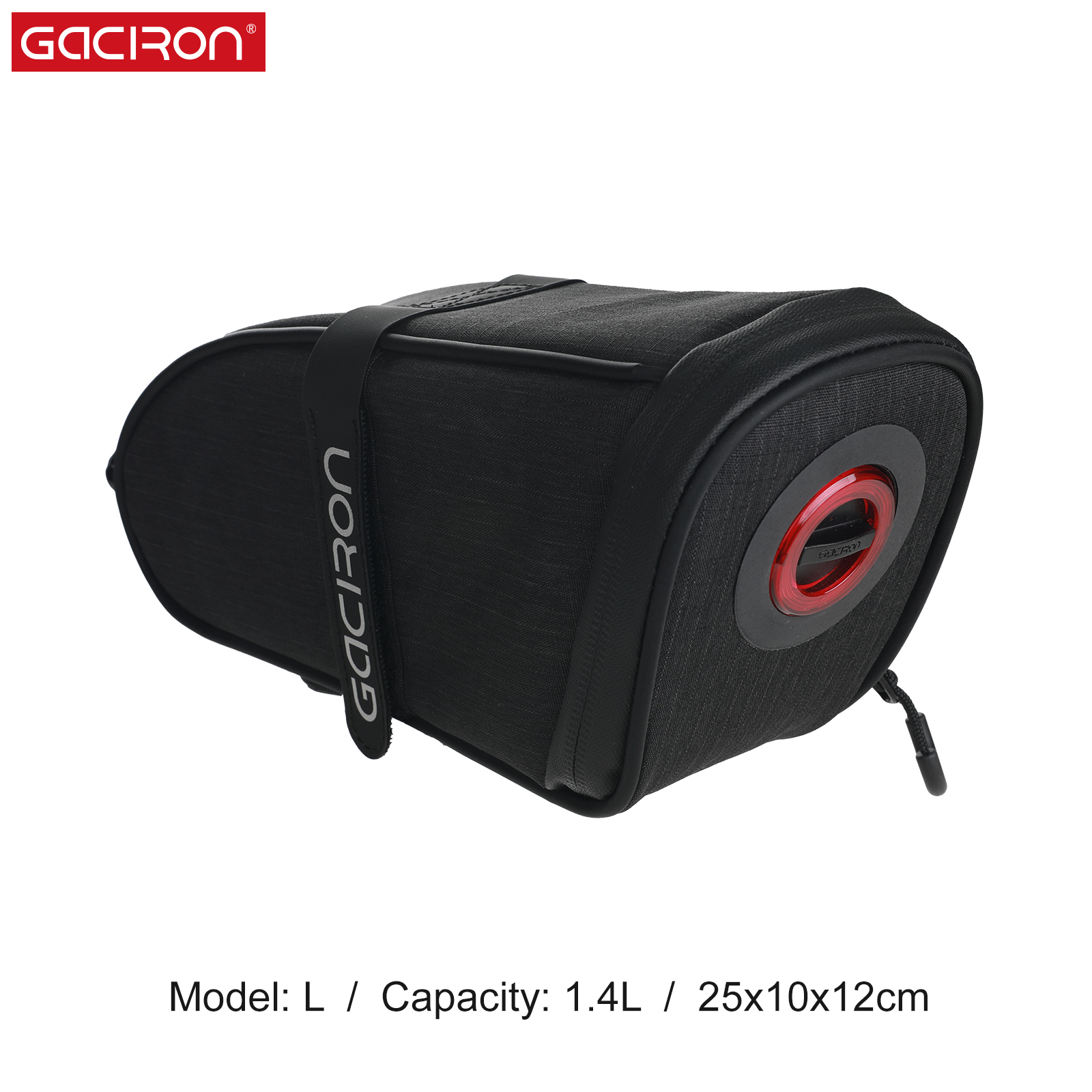
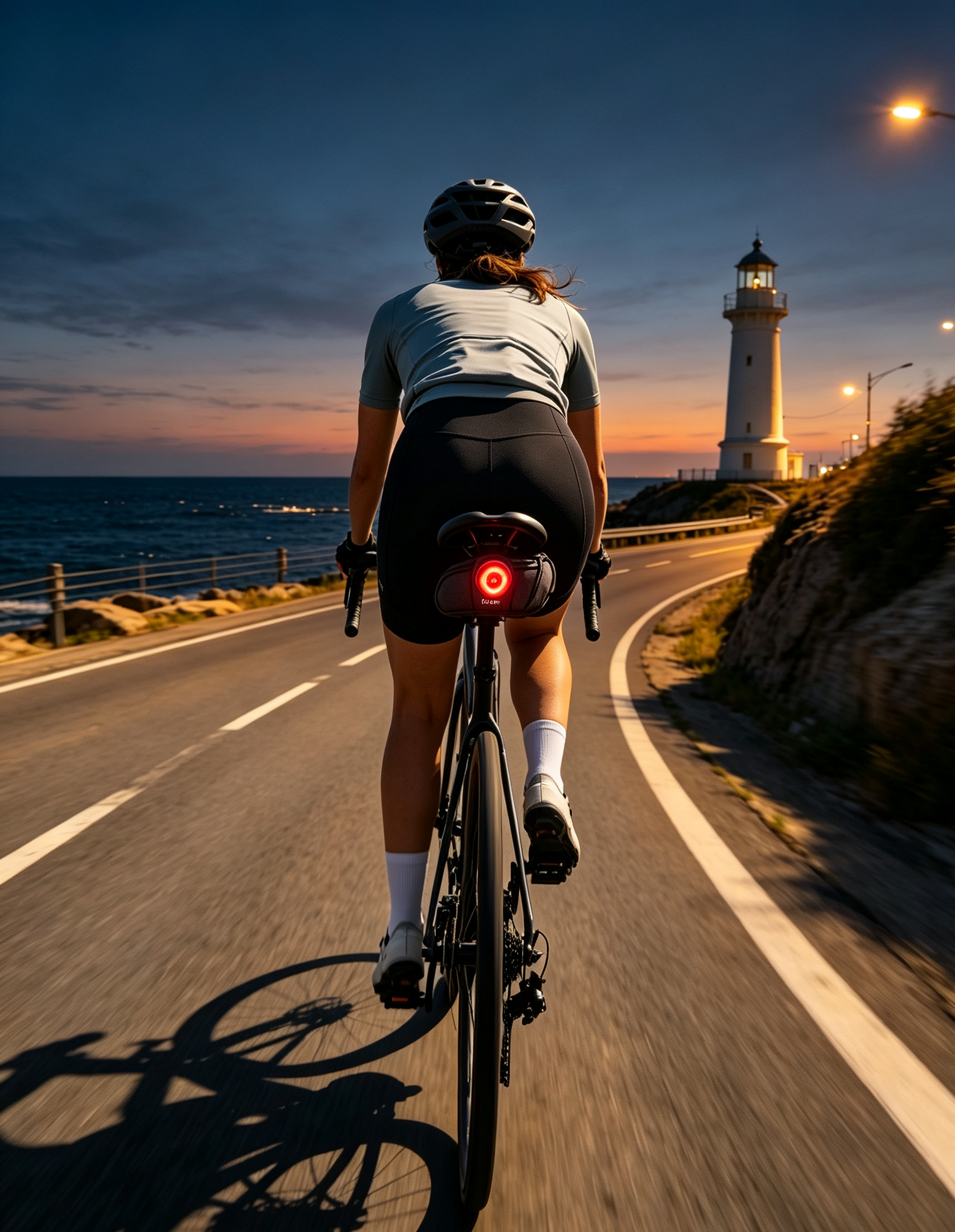
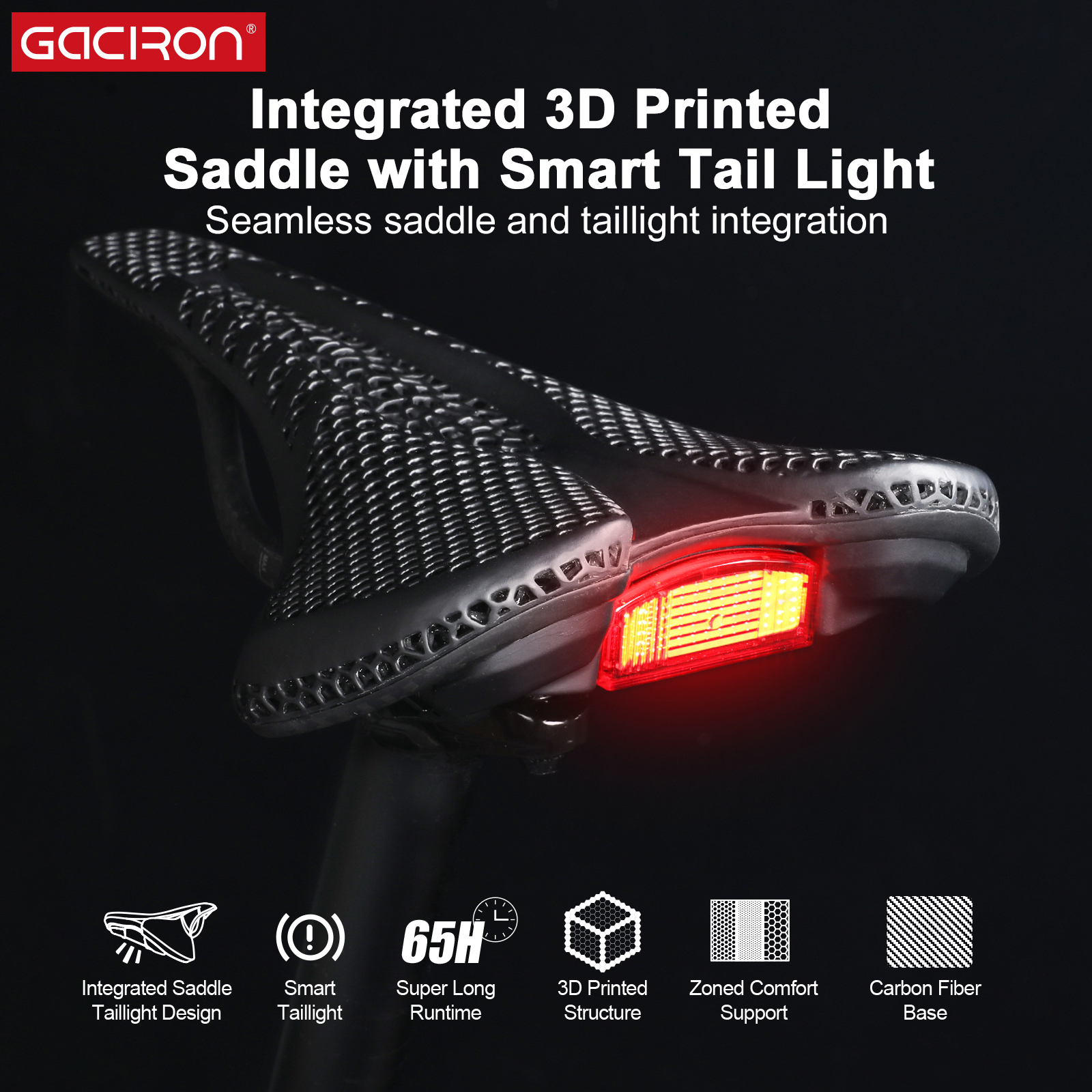
Gravel cycling connecting León, Silao, San Miguel de Allende, and Guanajuato city involves 4 to 8 hours of uninterrupted saddle time under intense ambient temperatures. The lattice breathability prevents heat trapping, while integrated rear light mounting options—such as compatibility with our EP-143 Carbon Smart Brake Taillight—deliver crucial visibility on multi-terrain routes.
3. Urban Commuting & Night Riding Safety
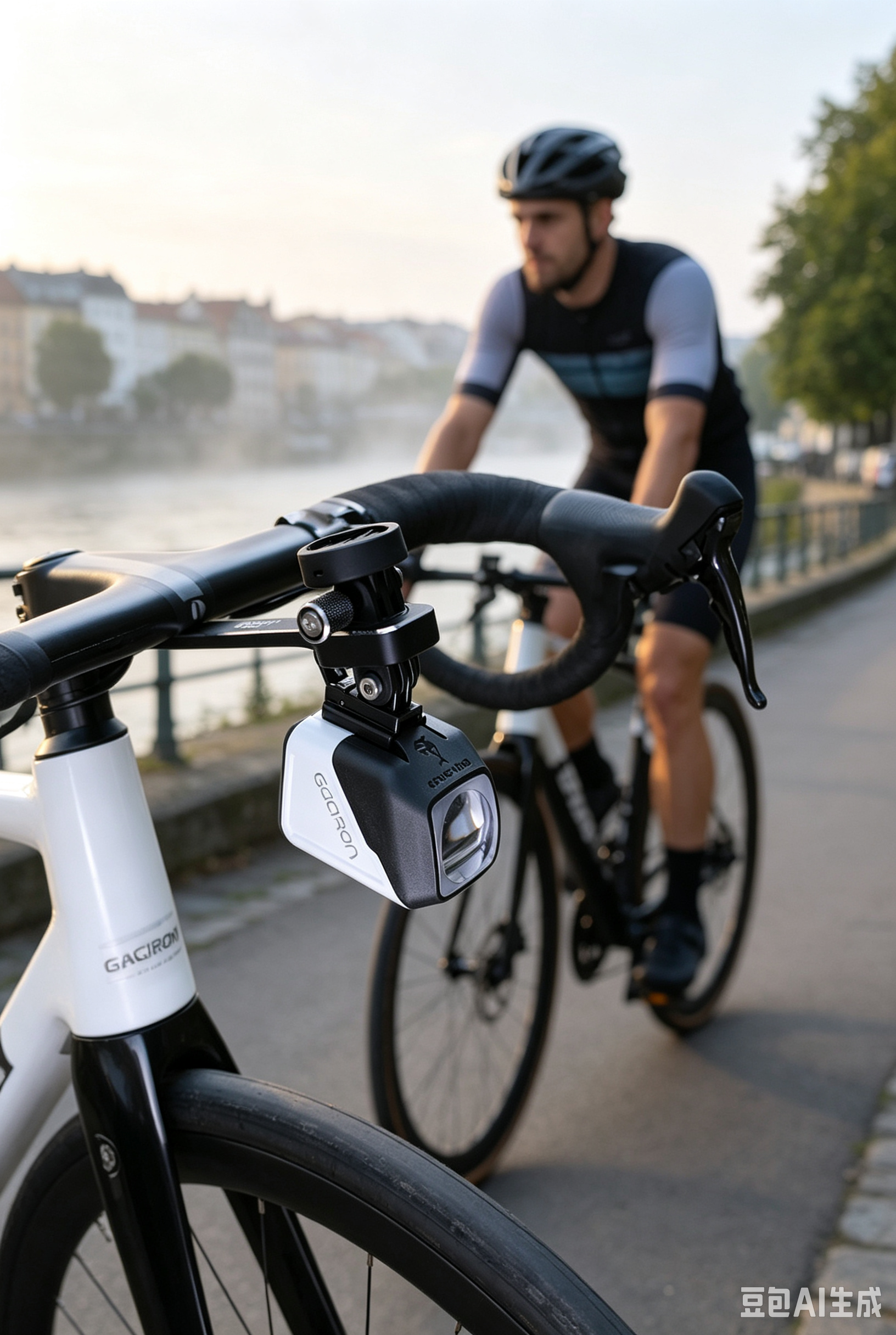
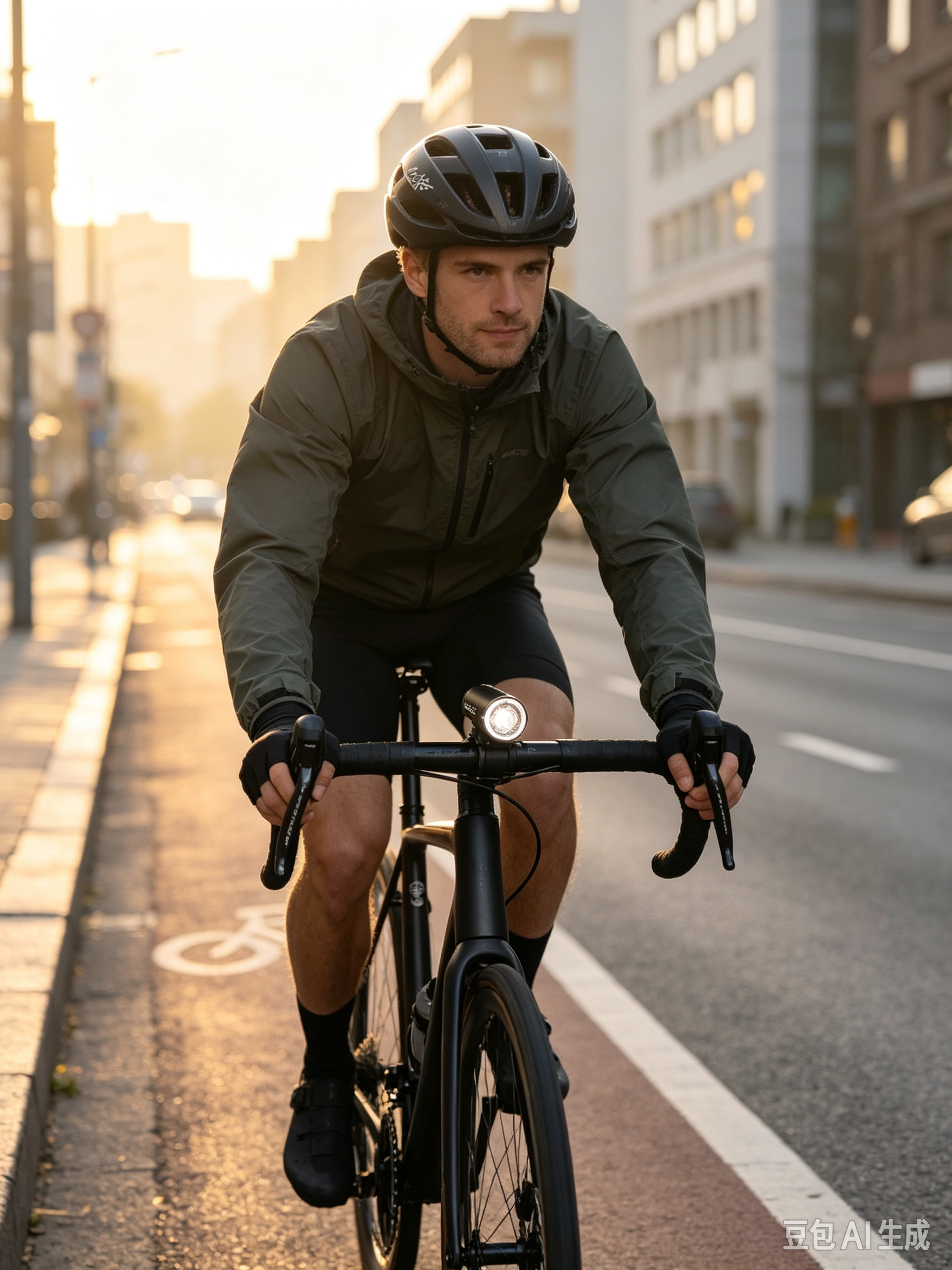
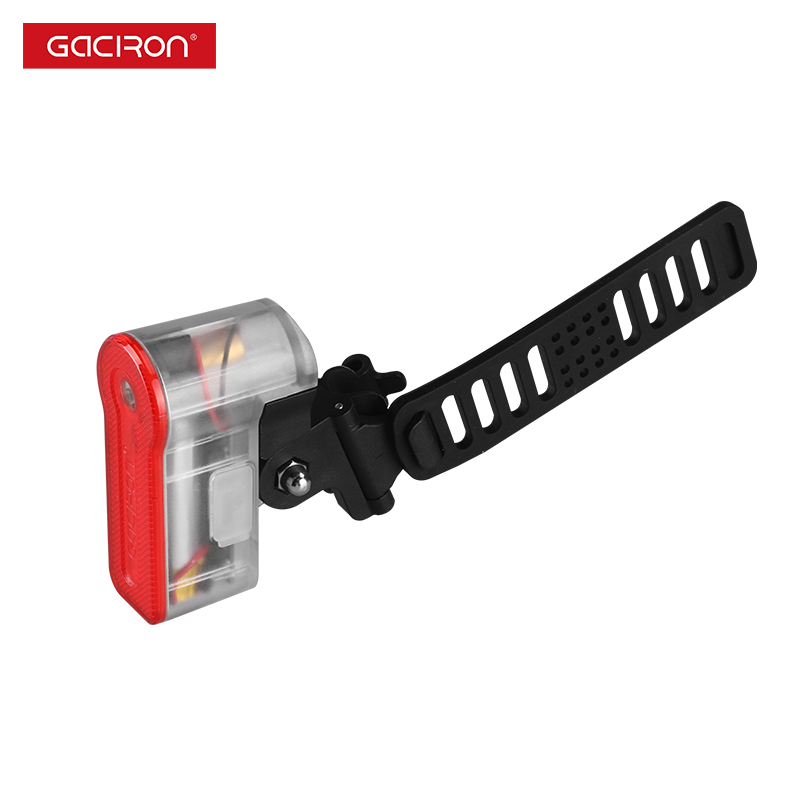
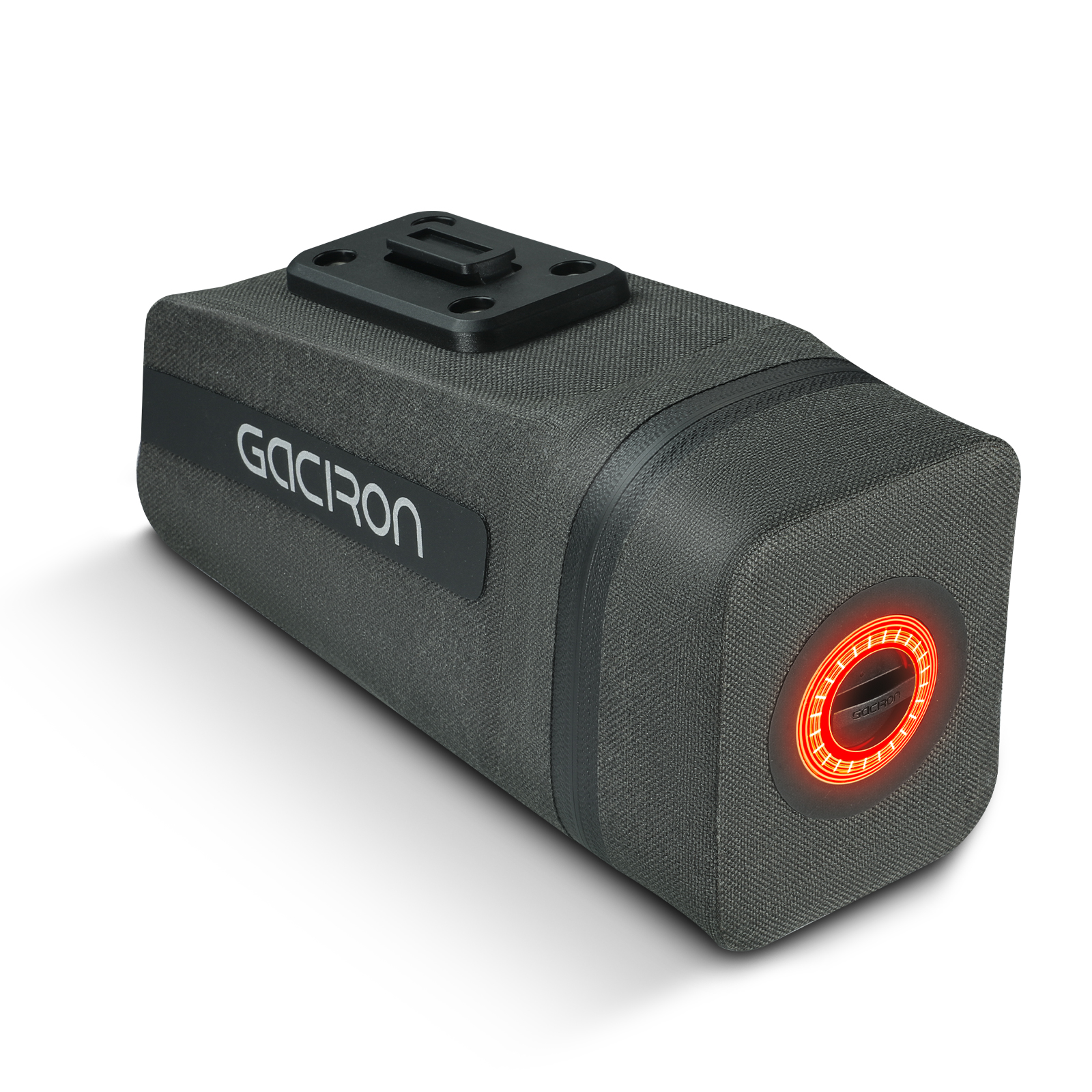
León's active urban cycling network demands equipment that resists city abuse while increasing rider conspicuity. Pairing 3D printed saddles with smart lighting systems (like the Gaciron W03AW Smart Laser Brake Taillight or Cetus-1700 Cutoff Headlight) provides an all-in-one safety ecosystem for metropolitan evening rides.
Why Shenzhen QUZR Technology is the Premier OEM/ODM Partner for León Importers
Selecting a reliable Chinese manufacturing partner requires strict evaluation of production infrastructure, material engineering standards, quality control protocols, and international trade capabilities. Shenzhen QUZR Technology Co., Ltd. (operating since 2009) stands as an industry benchmark in bike light R&D, smart sensing electronics, integrated bike accessories, and high-precision 3D printed saddle fabrication.
1. Manufacturing Infrastructure & Mass Production Scale
Our state-of-the-art 9,350 square meter manufacturing facility in Shenzhen, China houses over 50 automated CNC machines, specialized resin-curing post-processing chambers, and 8 dust-free assembly lines. With a monthly output capacity exceeding 200,000 sets, QUZR offers unmatched scalable fulfillment for growing Latin American brands.
2. Full-Stack In-House Engineering Capabilities
Unlike trading intermediaries, QUZR maintains complete end-to-end control over industrial design, optical ray-tracing, PCB firmware programming, mold making, and 3D additive lattice algorithm development. Our engineering team conducts rigorous in-house testing on every batch, including:
- Vertical Static Load Testing: Exceeding 2,000 N (203 kg) to ensure base-shell structural integrity under extreme load spikes.
- Dynamic Fatigue Rail Testing: 200,000 cycles at 1,000 N load applied to carbon and Cr-Mo alloy saddle rails according to ISO 4210 standards.
- IPX6 Water Jet & Environmental Chamber Aging: Validating electronic taillight seals and UV resistance under simulated desert sun exposure.
3. Customized Private-Label (OEM/ODM) Solutions
For distributors in León seeking to establish their own proprietary brand line, QUZR provides a streamlined custom manufacturing roadmap:
- Custom Durometer Tuning: Adjusting photopolymer resin formulation to create softer or firmer lattice response tuned to local market preferences.
- Laser Engraving & Base Branding: Custom logo placement on carbon rails, base plate bottom shells, and saddle nose trims.
- Modular Smart Light Integration: Direct quick-release magnetic or bolt-on bracket mounts engineered into the saddle frame for Gaciron/QUZR brake taillights.
- Bespoke Retail Packaging: Eco-friendly color boxes, retail hangtags, and user manuals translated accurately into Mexican Spanish.
Procurement & Customs Logistics Guide for Importers in Mexico
Navigating cross-border trade between Shenzhen, China and Guanajuato/León, Mexico requires clear knowledge of shipping channels, import duty structures, and compliance documentation.
Optimal Shipping Routes to León, Guanajuato
Ocean Freight (LCL/FCL): Port of Shenzhen (Yantian/Shekou) to Port of Manzanillo, Colima (approx. 18-22 days transit). From Manzanillo, bonded inland trucking delivers directly to industrial parks in León/Silao within 48 hours.
Air Freight / Express: Shenzhen (SZX) or Hong Kong (HKG) directly to Del Bajío International Airport (BJX in Silao/León) via DHL/FedEx/UPS for fast sample dispatch in 4-6 business days.
Buyer Knowledge Base
Frequently Asked Questions for León & Mexican Importers
What is the Minimum Order Quantity (MOQ) for custom 3D printed saddles and bike lights?
For standard factory stock models carrying standard branding, our minimum order quantity starts as low as 20 pieces. For custom OEM projects featuring personalized laser-etched branding, custom durometer colorways, or bespoke retail box packaging, MOQ ranges from 200 to 500 units depending on technical specifications.
How do 3D printed TPU saddles withstand intense sun exposure and UV radiation in Guanajuato?
Our 3D printed saddles utilize medical-grade photopolymer resins enhanced with proprietary UV-inhibitor additives. They are tested in QUV accelerated weathering chambers for over 5,000 continuous hours without suffering color yellowing, polymer embrittlement, or loss of elastic tensile strength.
What trade and delivery terms (Incoterms) does Shenzhen QUZR Technology support?
We support flexible international commercial terms including FOB Shenzhen, CFR, CIF Manzanillo, EXW, FCA, CPT, CIP, as well as DDP (Delivered Duty Paid) door-to-door air freight via accredited freight forwarders who handle Mexican import customs clearance (Pedimento importación) directly to your warehouse in León.
Can we integrate custom smart brake lights into the 3D printed saddle base?
Yes. As a leading manufacturer of both high-precision bicycle lights and ergonomic saddles, our engineering team specializes in integrated systems. We offer quick-release magnetic mounts and standard 2-bolt mounts directly under the 3D printed saddle base shell to accept smart brake lights like the LOOP-100, W12BR, or EP-143 Carbon series.
What payment methods are accepted for commercial orders?
We accept Wire Transfer (T/T), Letter of Credit (L/C at sight), D/P, D/A, PayPal (for sample fees), Credit Card, and Western Union in major currencies including USD, EUR, GBP, and MXN equivalent transactions.