Precision 3D Saddles & Integrated Electro-Optic Cycling Gear
Explore our export-ready components optimized for Guyana's growing commuter corridors, cycling racing clubs, and eco-trail expeditions. Minimum wholesale MOQ starting from 20 units with custom buyer-label engineering.
The Engineering Paradigm: Why 3D Printed Lattice Saddles Surpass EVA Foam in the Guyanese Climate
Traditional bicycle seating has reached an insurmountable technological plateau. In tropical, hyper-humid equatorial environments like Guyana, traditional closed-cell Ethylene-Vinyl Acetate (EVA) and polyurethane foam saddles degrade rapidly due to hydrolytic decomposition, bacterial moisture absorption, and thermal foam compaction. Our additive manufacturing approach redefines contact-point ergonomics.
Digital Light Synthesis (DLS) Elastomeric Lattice
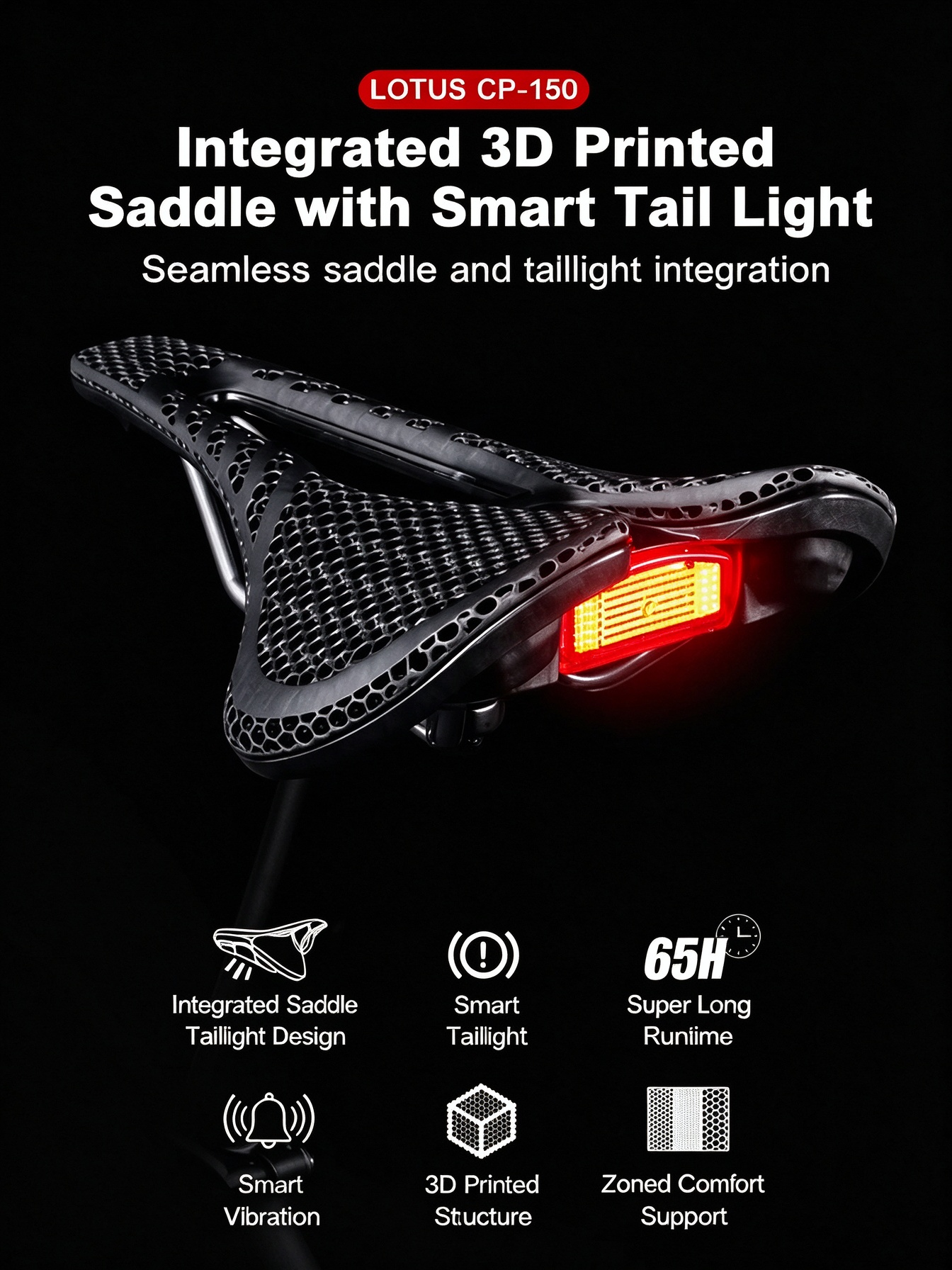
Our saddles are synthesized utilizing continuous liquid interface production with specialized elastomeric polyurethane resins (EPU). Rather than a uniform foam block, the seating surface is composed of an engineered cellular matrix featuring multi-density modulus zones that deliver tailored rebound dynamics across the ischial tuberosities and perineal channel.
Thermoregulation & Hydrophobic Zero-Saturation
Guyana averages 80% to 90% relative humidity alongside peak solar indices. The 3D open-cell lattice features a 78% open void ratio, facilitating uninterrupted ambient airflow that dissipates sweat and boundary-layer microclimate heat. Liquid water from torrential tropical deluges drains instantaneously without waterlogging or weight gain.
Integrated Electro-Optic Safety Architecture
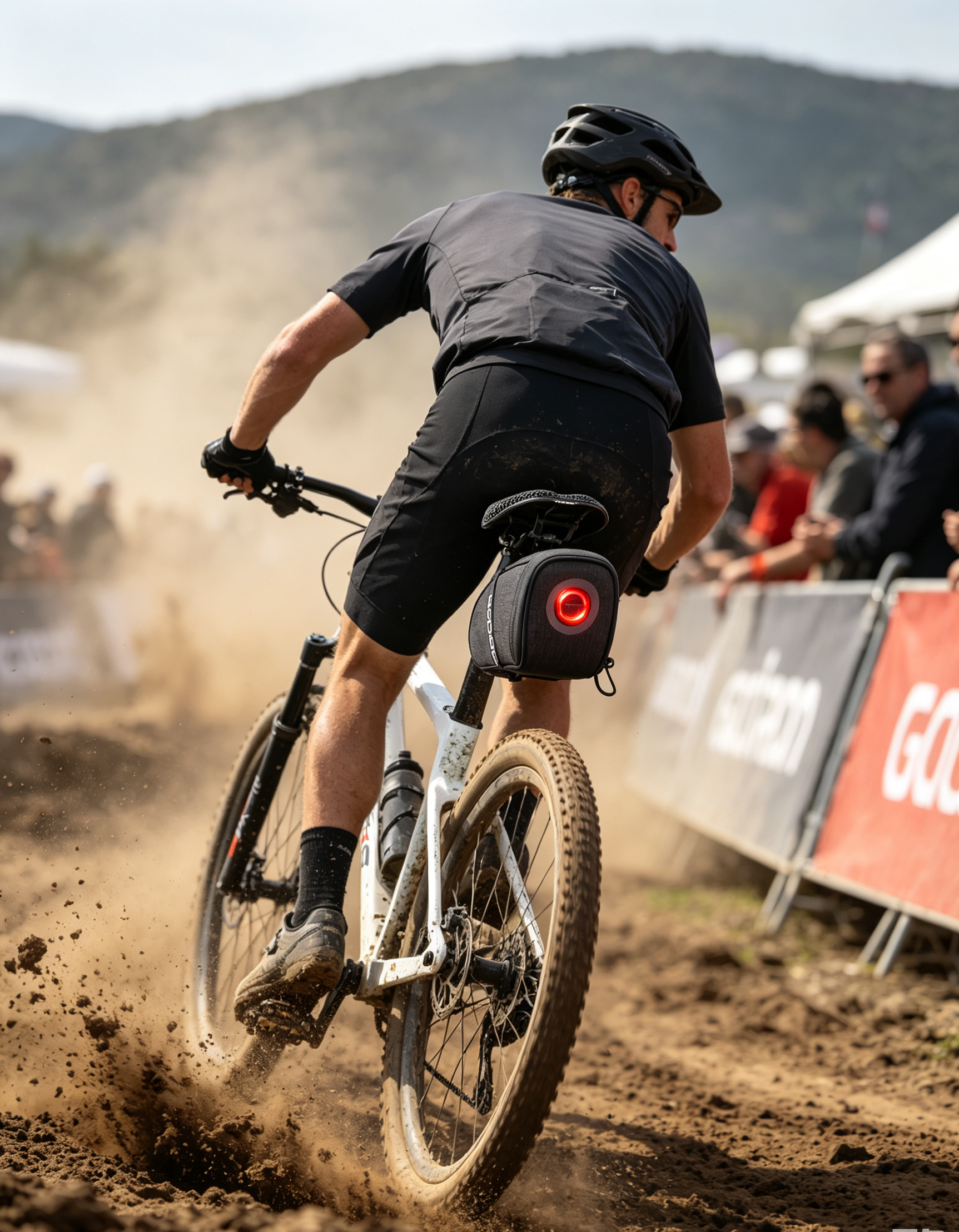
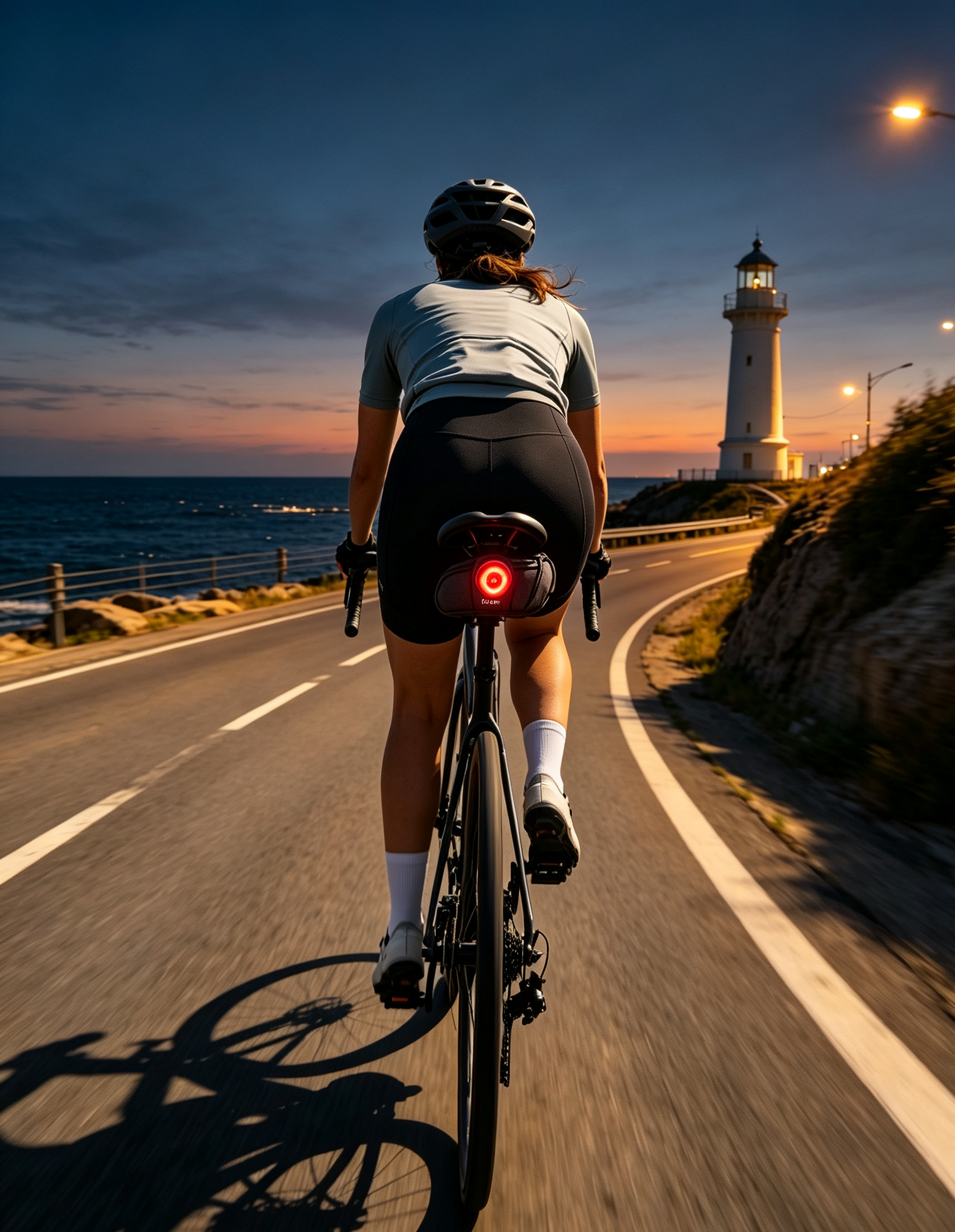
Modern cycling infrastructure in Georgetown and highway corridors along the East Bank Demerara require active visibility. Our CP150 3D printed saddle architecture integrates an optical-grade smart brake taillight directly into the structural carbon composite base, combining biomechanical pressure relief with a 3-axis accelerometer deceleration warning system.
Material Science Specification Matrix
Direct technical comparison between conventional performance saddles and Shenzhen QUZR Technology's 3D Additive Polyurethane System.
| Engineering Attribute | Traditional Gel / EVA Foam Saddle | QUZR Additive 3D Printed EPU Lattice | Operational Benefit in Guyana |
|---|---|---|---|
| Pressure Distribution | Linear compression; bottoming-out over sit-bones on rough tarmac. | Non-linear, progressive stiffness zoning (30A to 65A Shore hardness). | Reduces peak soft-tissue ischemia during extended gravel rides in Linden. |
| Hydrolytic Stability | Porous foam absorbs moisture; breakdown of adhesives under heat. | Completely hydrophobic UV-stabilized polymer matrix; zero water retention. | Withstands torrential Demerara-Mahaica downpours with zero rot. |
| Thermal Dissipation | Traps heat; raises interface skin temperature up to 3.8°C above ambient. | 78% open lattice matrix provides continuous convective passive cooling. | Eliminates saddle sores and friction rash in tropical 34°C Georgetown sun. |
| Vibration Damping | Isotropic foam transmits high-frequency road buzz into the spine. | Directional damping trusses dissipate 28% more micro-vibrations. | Isolates rider fatigue on washboard unpaved roads and seawall routes. |
| Hardware Integration | Bulky external strap-on light brackets prone to falling off. | Direct structural mount with built-in brake sensing optical module. | Maximum road visibility on unlit suburban roads like Sheriff-Mandela. |
Deployment Scenarios: Tailoring 3D Saddles to Guyanese Topography & Infrastructure
Guyana's distinct microclimates—from the saline coastal plains of Demerara-Mahaica to the rugged bauxite trails of Region 10—require rigorous structural durability. Here is how our 3D printed seating and lighting components perform across real-world regional environments.
Georgetown Seawall & Urban Arterials
Riders on the East Coast Seawall and Sheriff-Mandela Avenue face heavy trade-wind crosswinds, high ambient salinity, and unpredictable morning showers. The open lattice prevents perspiration accumulation, while the UV-stabilized polymer resists salt-spray embrittlement that typically cracks conventional vinyl saddle upholstery.
East Bank Demerara Commuter Corridor
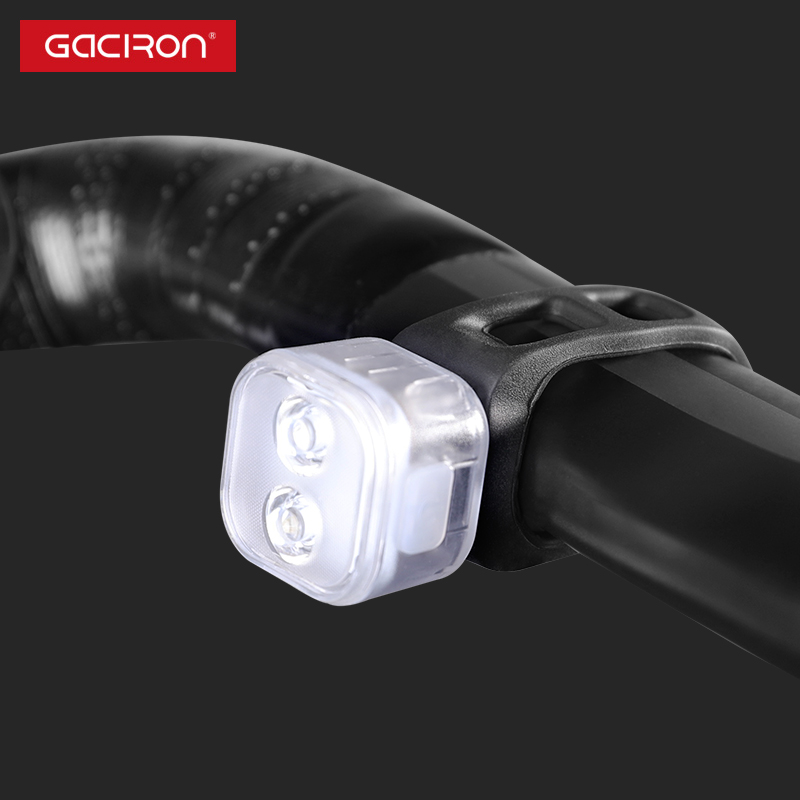
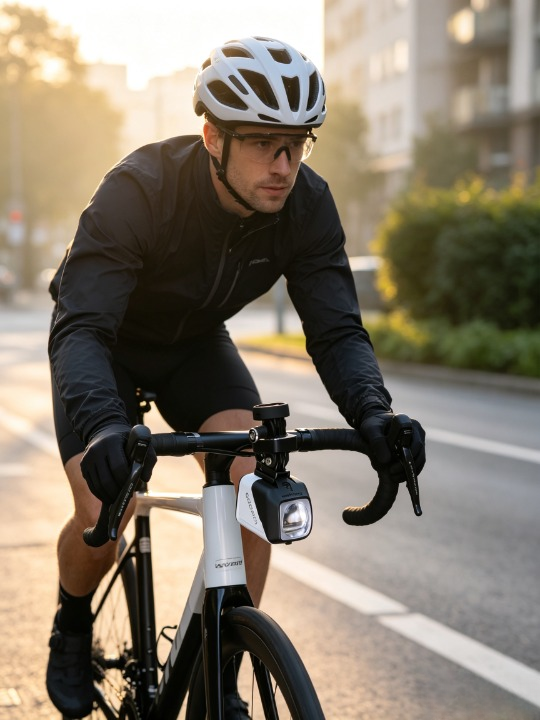
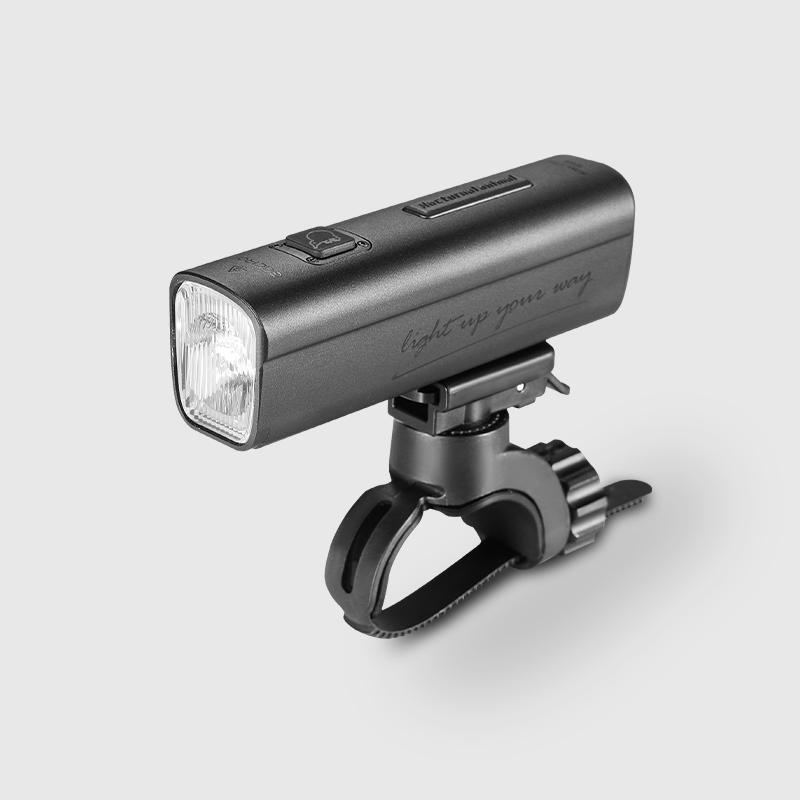
Navigating the heavy traffic of the Demerara River crossings demands proactive electro-optic visibility. Using our CP150 3D integrated saddle paired with the Cetus-1700 cutoff headlight guarantees that cyclists are visible to heavy commercial trucks while preventing oncoming dazzle on newly expanded bypass roadways.
Linden & Bartica Interior Bauxite Trails
Gravel grinders and mountain bikers tackling red clay, loose sand, and sharp bauxite gravel require aggressive micro-vibration mitigation. Our 3D zoned lattice features 65A high-resilience hexagonal struts around the pelvic wings that absorb high-impact washboard jarring, protecting the cyclist's lower lumbar region.
Rupununi Savanna Eco-Tourism Expeditions
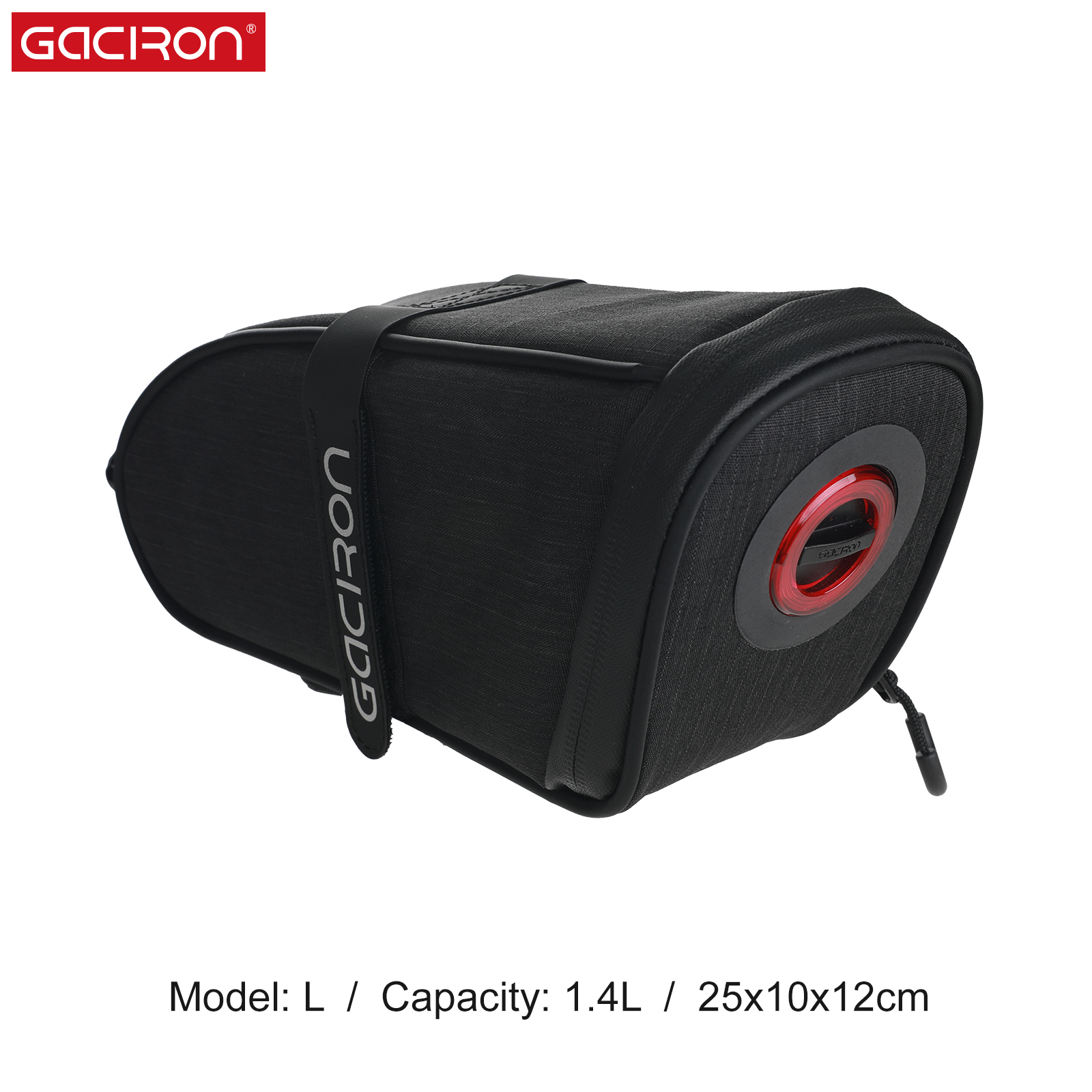
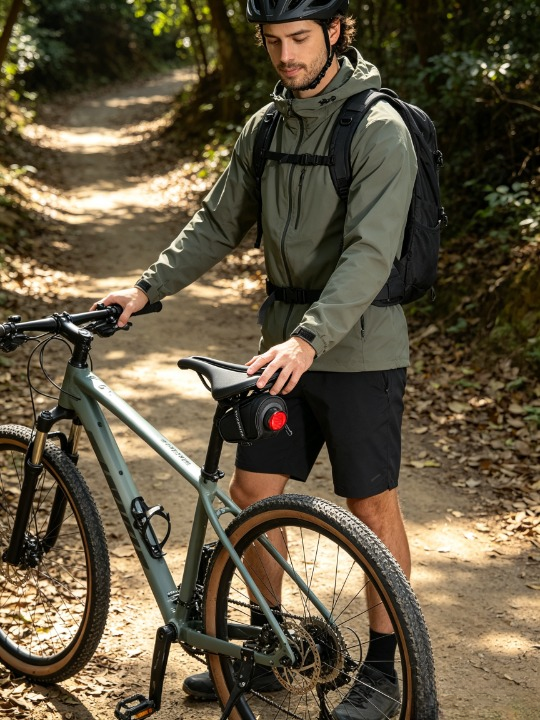
Ultra-endurance bikepacking routes traversing the Rupununi savanna during intense rainy seasons require zero water-retaining gear. Paired with our Bird Nest-300 magnetic IPX6 saddle bags, the setup allows zero water absorption, rapid dirt wash-down, and seamless magnetic detachment in rugged base camps.
Guyana Cycling Market Trends: Economic Expansion Fuels Premium Component Sourcing
Driven by energy-sector capital inflows and extensive infrastructural modernization, Guyana represents the Caribbean's fastest-growing frontier for specialized cycling retail and OEM distribution.
1. Unprecedented GDP Growth & Disposable Income Rise
With Guyana's GDP surging exponentially due to offshore hydrocarbon developments, discretionary spending on health, wellness, and enthusiast-grade cycling has skyrocketed. Retail bicycle dealerships in Georgetown are observing an aggressive shift from low-end utility steel cruisers toward carbon-fiber road bikes and custom gravel builds that demand high-tier additive 3D seating solutions.
2. Governmental Green Mobility & Urban Corridor Expansion
The Low Carbon Development Strategy (LCDS 2030) and nationwide road modernization programs (such as the East Bank–East Coast Demerara bypass road and urban cycle tracks) have elevated bicycling as a premier commuting alternative. Urban professionals are demanding high-reliability equipment that guarantees both daily physical ergonomics and night safety compliance.
3. Corporate Wellness & Competitive Cycling Club Culture
From the historic Bartica Cycling Challenge to the vibrant weekend pelotons of the Carlton Wheelers and Roraima Cycle Clubs, Guyanese cycling culture is deeply competitive. High-performance clubs and corporate cycling teams actively seek international OEM partnerships for customized 3D printed saddles displaying custom club stiffness ratings and branded laser-etched alloy rails.
Tap into the Fastest Expanding Sporting Goods Sector in South America
We supply turnkey OEM, private label branding, and consolidated sea/air freight fulfillment to importers, retail chains, and cycling distributors across Georgetown, Linden, and Berbice.
Get CatalogIndustrial Manufacturing Excellence & Global Trade Infrastructure
Founded in 2009, Shenzhen QUZR Technology Co., Ltd. (operating the internationally recognized Gaciron product line) integrates advanced additive manufacturing, optoelectronic engineering, and precision CNC metal fabrication into a singular world-class supply chain.
8 Dust-Free Assembly Lines
Our clean-room assembly lines guarantee that optical lenses, smart PCB microcontrollers, and 3D printed elastomeric lattices are joined without particulate contamination or moisture ingress, ensuring certified IPX6 water resistance.
In-House Industrial & Optical Design
From custom beam-cutoff optics to finite element analysis (FEA) on lattice void geometry, our internal R&D engineering department holds multi-patent proprietary technologies spanning both illumination and additive mechanical components.
Flexible Low MOQ & Private Labeling
We empower regional Caribbean importers with accessible minimum order quantities starting from just 20 sets on stock baseline SKUs, while providing comprehensive OEM custom packaging, laser etching, and tailored lattice stiffness tuning.
Rapid International Response & Logistics
Maintaining a 95.24% documented trade response rate with initial quotation turnaround within 3 hours. We support international freight operations via FOB, CIF Georgetown, and air freight express networks with DDP clearing capabilities.
Frequently Asked Questions for Guyanese Importers & Distributors
Clear, direct answers regarding customs compliance, shipping transit, tropical material endurance, and commercial transaction terms.
What is the typical shipping transit time from Shenzhen to Georgetown, Guyana?
For standard containerized ocean freight (LCL/FCL) arriving at John Fernandes Terminal or Demerara Shipping Port, transit times typically range between 32 and 42 days via transatlantic or Caribbean transshipment hubs (such as Panama or Port of Spain). For urgent retail restocking or sample verification, air cargo via Miami reaches Cheddi Jagan International Airport (GEO) within 5 to 7 business days.
How does the 3D elastomeric polyurethane hold up against equatorial UV and humidity?
Our saddles utilize proprietary UV-inhibiting aliphatic elastomeric polyurethane resins. Unlike low-grade photopolymers that become brittle under high solar radiation, our lattice undergoes accelerated aging tests simulating 2,500 hours of intense UV exposure and 95% relative humidity without structural micro-cracking, elasticity fatigue, or surface stickiness.
What are the minimum order quantities (MOQ) for Guyanese cycling retailers?
To support independent bicycle shops (IBS) and growing commercial distributors across Georgetown, standard catalog inventory (such as the CP150 3D Saddle, Cetus-1700, and Kiwi-1200) requires a minimum order quantity of only 20 pieces. Custom private-label OEM branding (including customized packaging and logo silk-screening) typically starts at 200–500 units depending on project scope.
Are electronic components like the integrated CP150 brake taillight protected against heavy mud and downpours?
Yes. The electronic module of the CP150 and our companion front lights are certified up to IPX6 waterproof ratings. The battery compartment and smart brake sensor are hermetically sonically welded and gasket-sealed to prevent moisture ingress, even when subjected to torrential tropical rainstorms or high-pressure hose cleaning after muddy trail riding.
What international payment terms and trade protections are supported?
We accommodate international trade standards including T/T (Telegraphic Transfer with 30% deposit and 70% against Bill of Lading), irrevocable Letters of Credit (L/C at sight), PayPal for prototyping batches, and verified B2B Escrow trade services. Accepted foreign currencies include USD, EUR, and GBP.
Can we customize the lattice modulus and rail dimensions for specific bike categories?
Absolutely. We provide carbon fiber oval rails (7x9mm) for high-end racing road pelotons as well as ultra-durable Cr-Mo hollow titanium-alloy round rails (7x7mm) ideal for gravel and electric commuter bikes. Custom stiffness profiles can be tailored for fleet orders by modifying the internal cellular lattice strut thickness.