Precision-Engineered E-Bike & Bicycle Accessories
Explore our core flagship lighting, radar detection, and ergonomic storage solutions engineered in Shenzhen for global brands and importers.
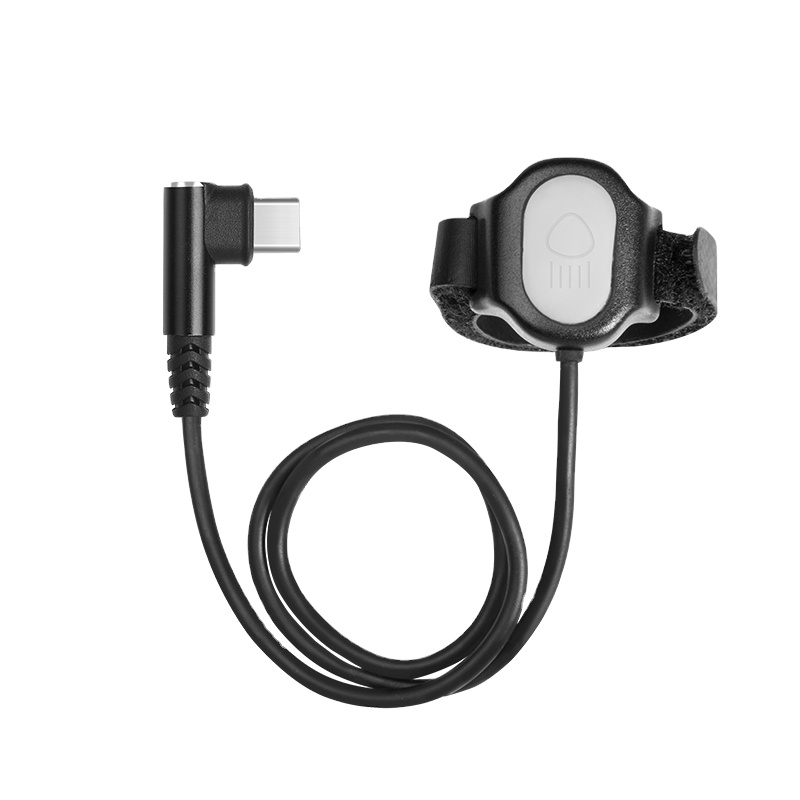
Gaciron R03 Wire Remote Flashlight for Road Bike Light
View Details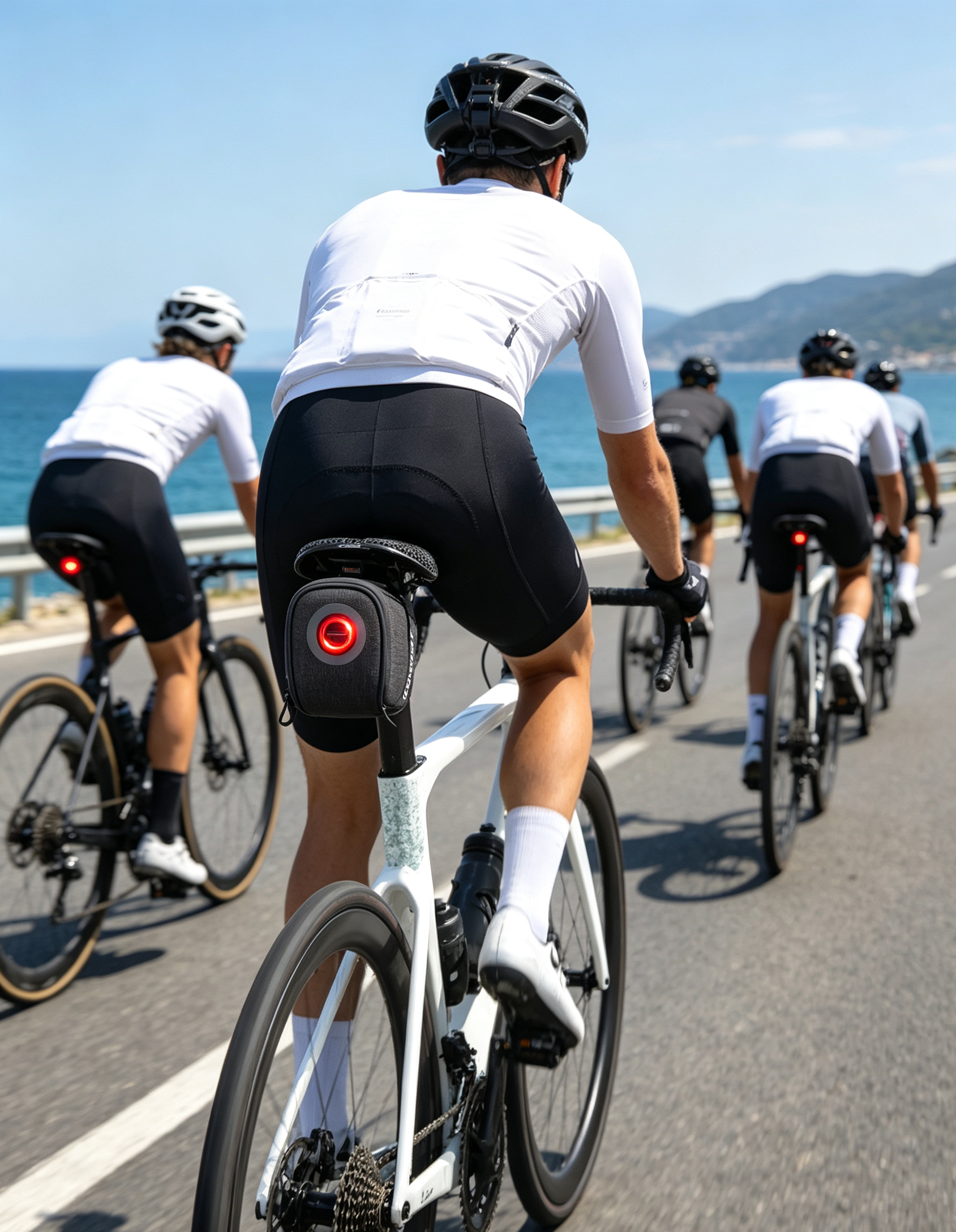
Gaciron BIRD NEST-300 Smart Taillight Aero Saddle Bag
View Details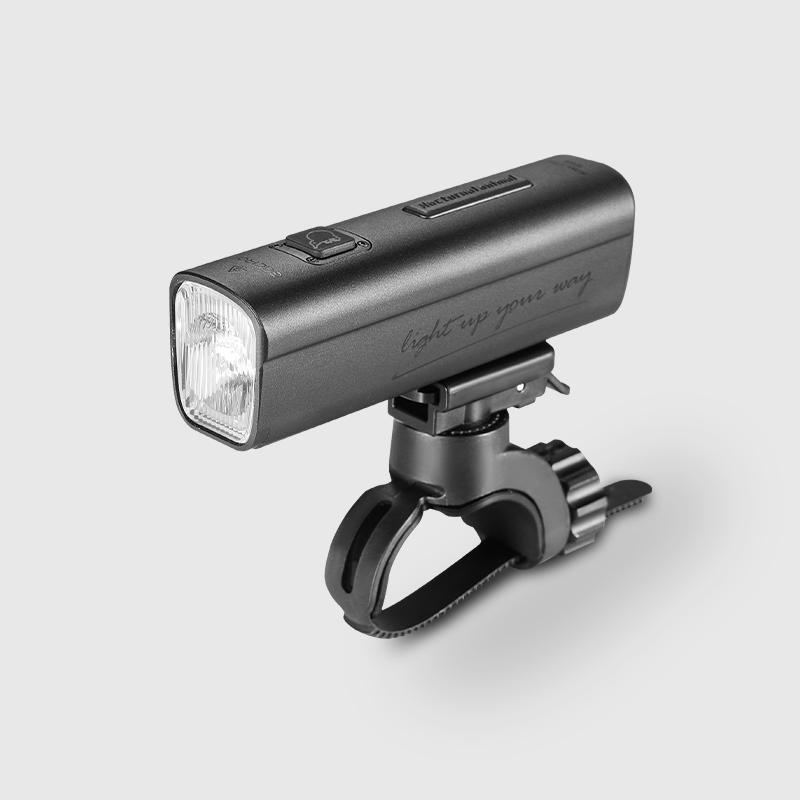
Gaciron Kiwi-1200 1200LM Anti-Glare Bike Headlight
View Details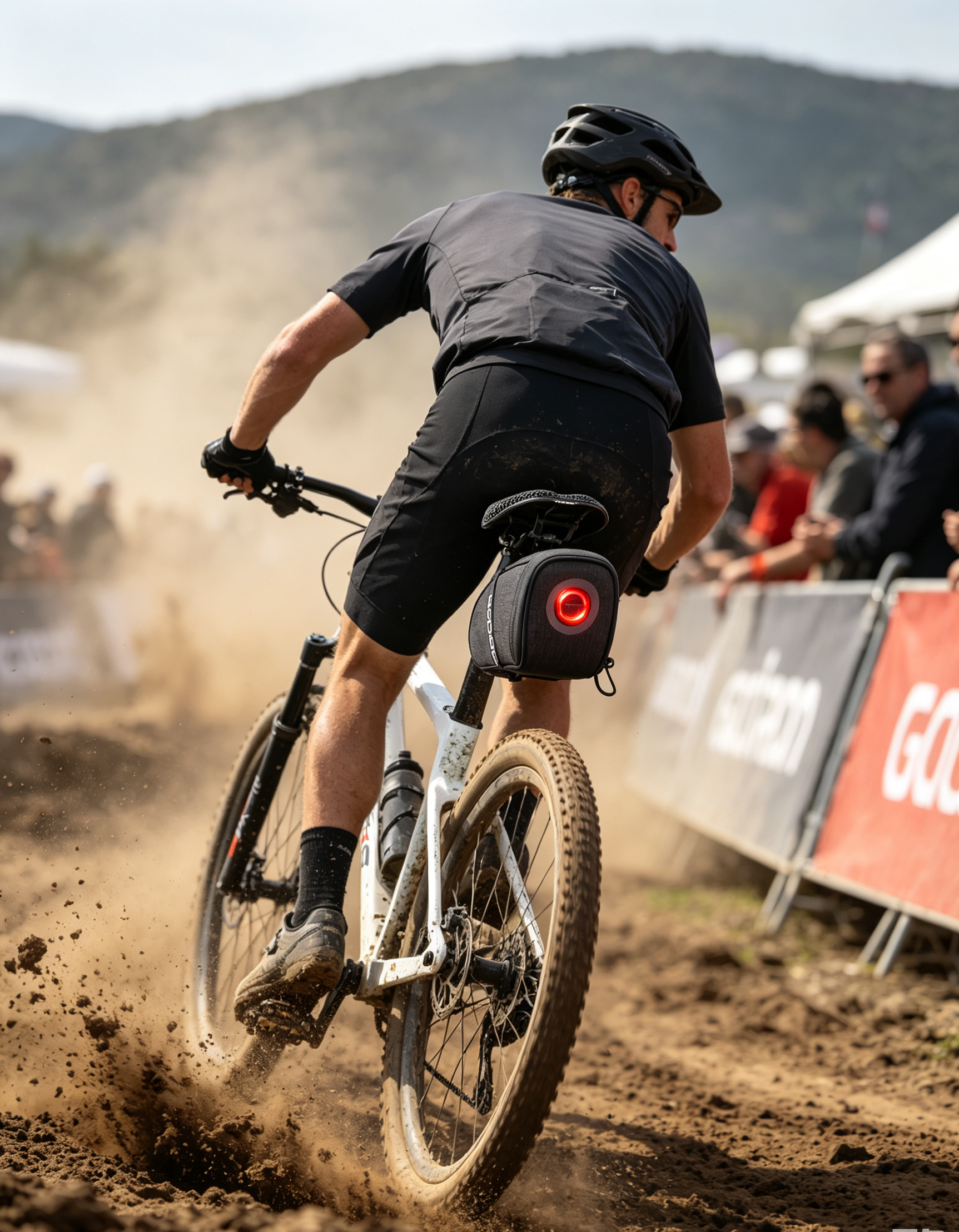
Gaciron BIRD NEST-300 Rear Light Smart Sensor Bag
View Details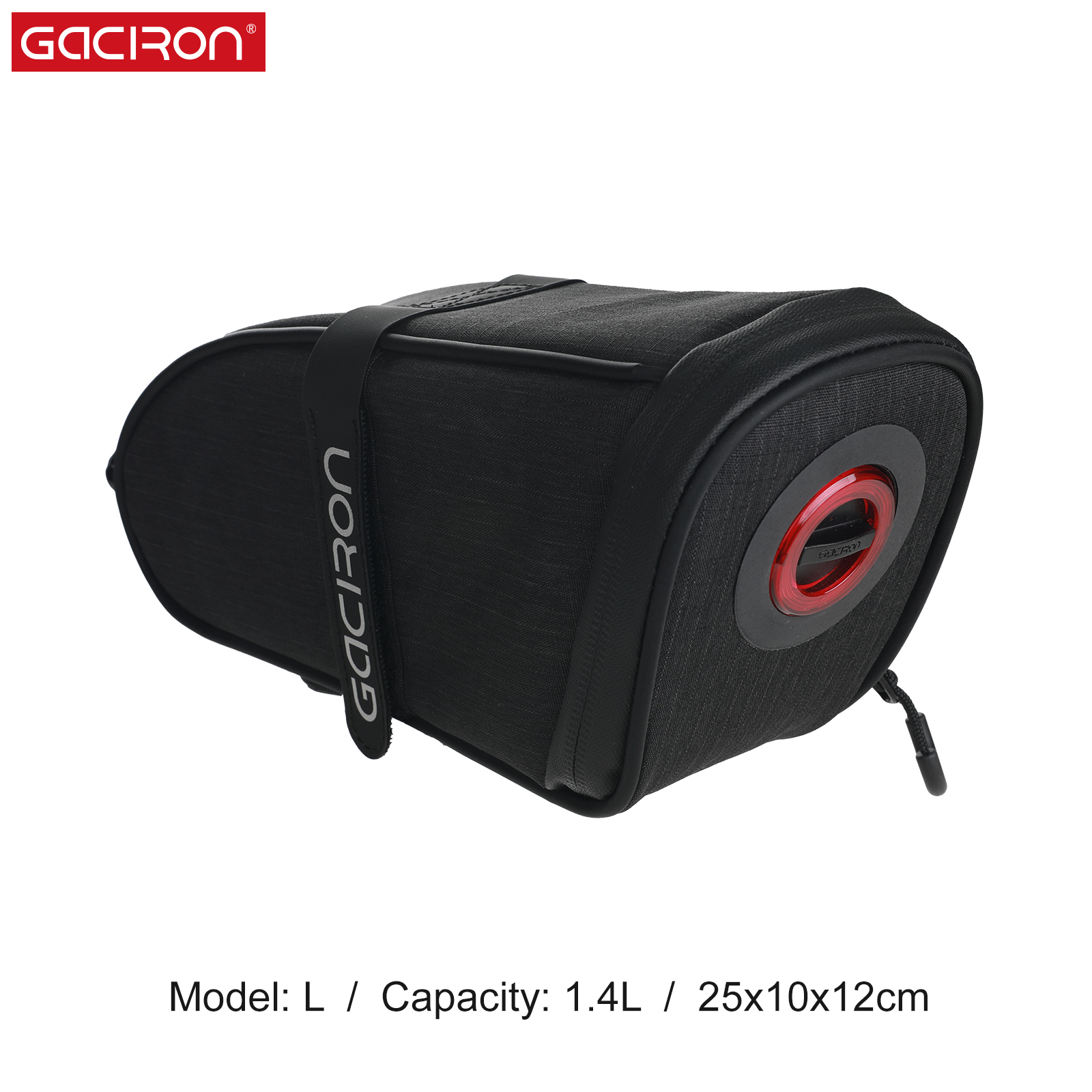
Gaciron Bird Nest 300 Saddle Bag Smart Bike Taillight
View Details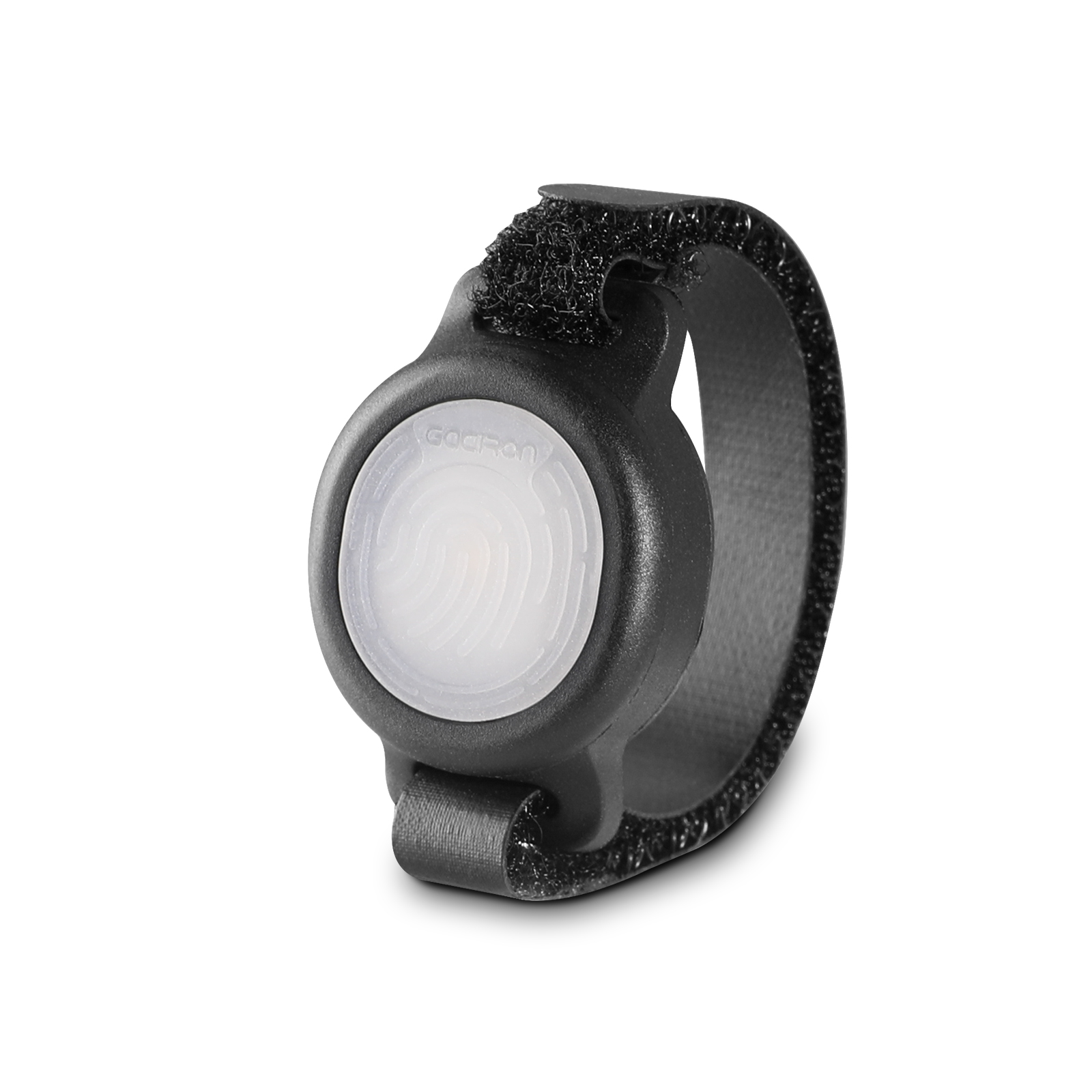
Gaciron R06 Wireless Remote Switch for KIWI-1200
View Details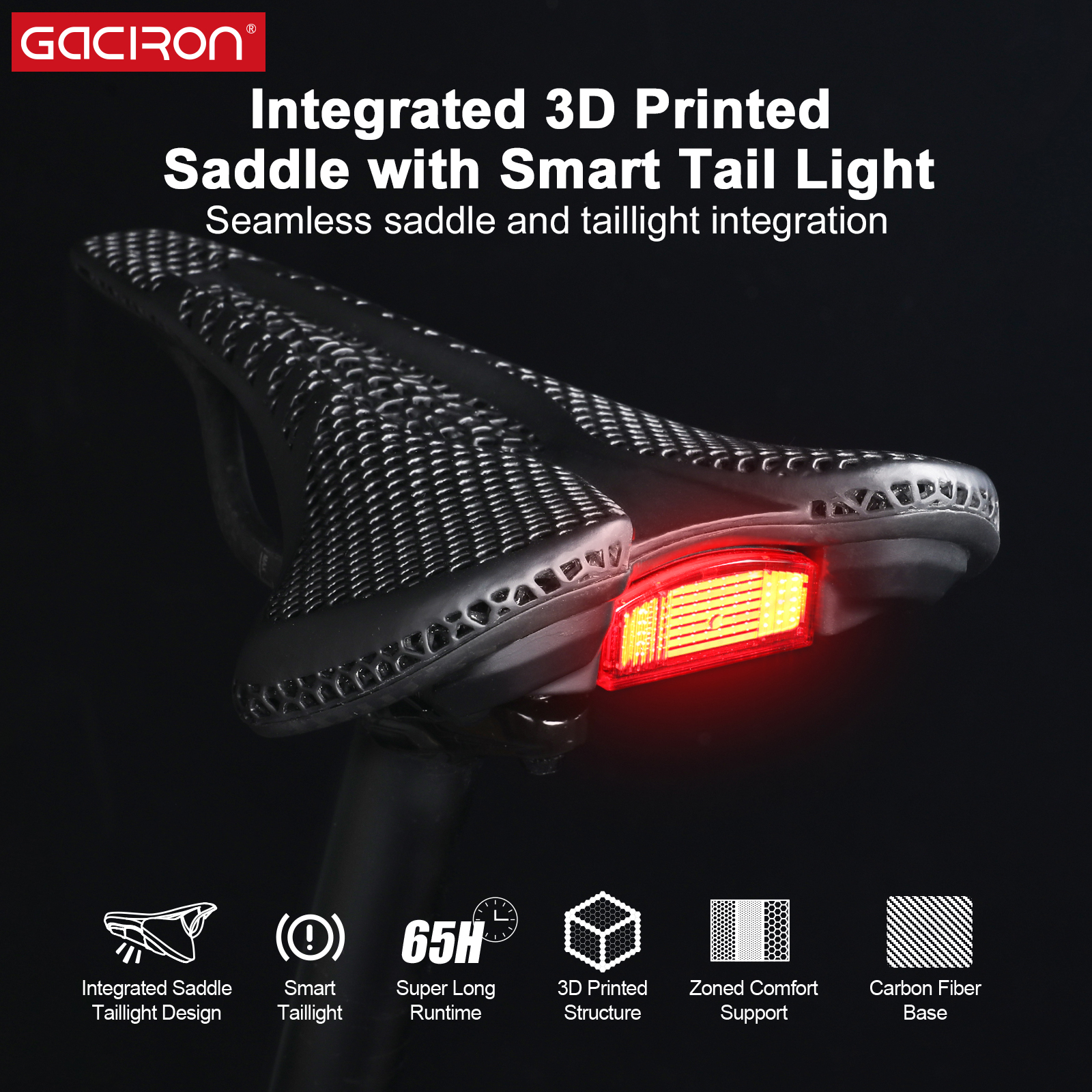
Gaciron CS-150 3D Saddle Integrated Smart Taillight
View Details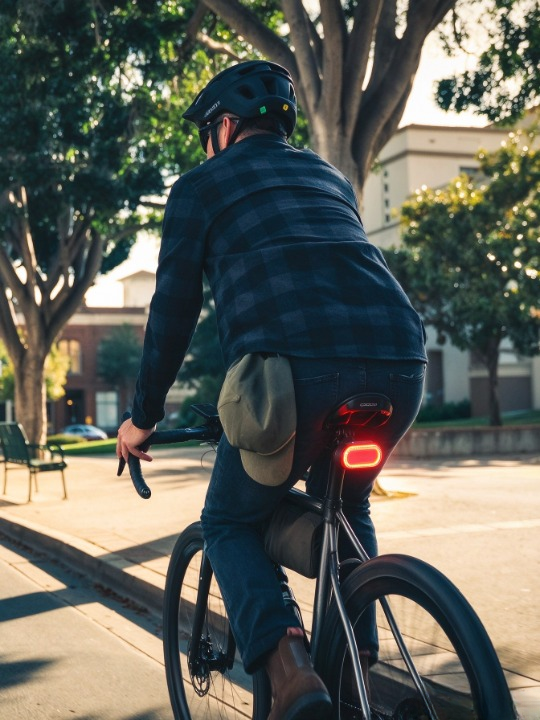
Gaciron SENTRY R9 ULTRA Smart Radar Rear Light
View Details1. Industry Whitepaper: The Evolution of Electric Bike Accessories Sourcing
The global electric bicycle (e-bike) market is undergoing a structural paradigm shift. No longer viewed as mere motorized bicycles, modern e-bikes represent sophisticated micro-mobility vehicles that require automotive-grade lighting, smart safety sensors, specialized ergonomic luggage systems, and integrated cockpit accessories. As commuter speed averages rise and urban cycling infrastructure expands across Europe, North America, and East Asia, procurement leaders must move past commodity accessories and align with direct manufacturers offering deep technical expertise, robust optical engineering, and proven compliance capabilities.
As a premier Electric Bike Accessories Factory and Global Exporter based in Shenzhen, China (operating since 2009 under Shenzhen QUZR Technology Co., Ltd. and the Gaciron brand standard), we provide tier-1 OEM and ODM manufacturing capabilities designed to solve complex hardware, optical, and aerodynamic challenges. This whitepaper establishes the engineering standards, future procurement benchmarks, and technological roadmaps that modern brand managers, volume importers, and OEM bike assembly plants must evaluate to maintain market dominance.
Key Structural Drivers Shaping Global E-Bike Procurement
Higher Operating Speeds & Thermal Loads
E-bikes maintain sustained speeds between 25 km/h to 45 km/h (S-Pedelecs). Accessories must handle continuous vibration, higher wind loads, and elevated thermal stress requiring CNC 6061 aluminum heat-sink housings.
Strict International Optical Mandates
Anti-glare, cut-off beam optics (such as StVZO compliance standards in Germany) are transitionary requirements worldwide. Lights must project high lux onto the tarmac without blinding oncoming traffic.
Systemic CAN-bus & Smart Integration
Modern e-bike accessories directly interface with central battery packs (6V–48V step-down integration), ANT+/Bluetooth wireless remotes, and millimeter-wave radar detection networks for real-time rider protection.
2. Core Technology & Development Trends in E-Bike Accessories
To deliver true Information Gain and competitive differentiation, modern OEM/ODM procurement strategies must focus on three primary technological vectors: Optical Physics, Active Radar Sensing, and Integrated Ergonomics.
A. Symmetric & Cut-off Optical Physics (Anti-Glare Engineering)
Traditional bicycle headlights project an unfiltered, circular spotlight cone that disperses light upward into oncoming motorists' and cyclists' field of vision, causing severe glare hazards. Advanced e-bike optics utilize faceted reflection mirrors and custom PMMA cut-off lenses. By redirecting top-hemisphere lumens downward into a wide, uniform horizontal beam matrix, products like the Gaciron Kiwi-1200 maximize ground light coverage (over 1200 lumens output) while strictly containing light spill below eye level. This design improves night-riding safety during high-speed commuting while adhering to rigorous municipal safety guidelines.
B. Millimeter-Wave Radar & Active Safety Warning Systems
The integration of 24GHz millimeter-wave radar sensors into rear tail lamps—exemplified by the Gaciron SENTRY R9 ULTRA—represents a quantum leap in cycling safety. The sensor scans up to 140 meters behind the bicycle, tracking multiple approaching motor vehicles simultaneously. Via ANT+ or Bluetooth protocols, real-time visual and haptic alerts are sent to the rider's handlebar unit or smartphone, while the tail light automatically switches to high-visibility burst flash mode to alert approaching drivers. Incorporating radar technology into standard procurement portfolios yields significantly higher retail margins and brand prestige.
C. 3D-Printed Lattice Comfort & Integrated Electronics
Component fusion is replacing traditional bolt-on accessories. Modern saddles, such as the Gaciron CS-150, utilize 3D-printed liquid resin TPU matrix structures with tailored zonal density support. Rather than attaching external tail lights with plastic straps, the smart brake sensing light is seamlessly embedded into the saddle casing or aero bag housing (e.g., BIRD NEST-300 Aero Saddle Bag), dramatically reducing aerodynamic drag while elevating aesthetic appeal.
| Feature Parameter | Legacy Bicycle Accessories | Next-Gen E-Bike Accessories (Gaciron/QUZR Standard) | Commercial Buyer Advantage |
|---|---|---|---|
| Optical Design | Unfocused Reflector Lens (Blinding Glare) | Cut-off Beam Faceted Optics & Symmetric Distribution | Full compliance with EU anti-glare legislation; zero consumer returns. |
| Radar Integration | None (Passive Reflector Only) | 24GHz Millimeter-Wave Radar + ANT+/BLE Pairing | Dominates premium safety segment; higher average sale price (ASP). |
| Housing & Heat Sink | ABS Plastic Shells (Thermal Degradation) | CNC Machined 6061 Aluminum Alloy Aircraft Grade | Extended operational life; IPX6/IPX7 waterproof rating durability. |
| Mounting Interface | Rubber Straps (Vibration Slippage) | Magnetic Quick-Release & Dual-Arm Aluminum Brackets | Enhanced rider convenience; fast installation on oversized cockpits. |
| Remote Control | Manual Button On-Lamp Only | R06 Wireless / R03 Wire Remote Handlebar Control | Keeps rider hands safely on grips at high speeds; major sales hook. |
3. Future Procurement & Sourcing Trends for Importers (2025–2030)
B2B buyer behavior in the micro-mobility sector is shifting from low-cost spot purchasing to long-term collaborative manufacturing agreements. To safeguard supply chains against disruption, maintain inventory velocity, and fulfill corporate ESG requirements, enterprise procurement directors must consider four critical procurement trends:
1. Hybrid Direct-Connect & Battery Standalone Lighting
E-bike manufacturers require lighting platforms capable of dual power delivery: direct wire connection to e-bike batteries (6V-48V wide voltage input) as well as standalone USB-C rechargeable high-capacity cells (up to 10000mAh) serving as portable power banks.
2. Modular Private-Labeling (Low MOQ Rapid Tooling)
Brands require fast-turnaround customization. Utilizing modular tool inserts for aluminum housings and custom laser engraving on CNC body panels allows importers to deploy private-label products with MOQs as low as 20–100 units for standard platforms.
3. Smart Sensor Automation (Brake & Light Sensing)
Sensors are now baseline expectations. 3-axis accelerometers that detect sudden deceleration automatically boost rear LED brightness to 100-200 lumens as a brake signal, while ambient light sensors manage automatic day/night mode switching.
By partnering with a verified manufacturer possessing in-house optical engineering, SMT automated surface mount technology, and dust-free assembly lines, global distributors can streamline localized certification (CE, RoHS, FCC, REACH, IPX6/IPX7) while reducing overall landed product cost by 15% to 28%.
4. Enterprise Manufacturing Advantages: Why Partner with Shenzhen QUZR Technology?
Trust in international B2B procurement is built on verifiable expertise, rigorous quality control systems, and transparent operational capacity. Founded in 2009 in Shenzhen, China, Shenzhen QUZR Technology Co., Ltd. has grown to become an industry leader in bicycle lighting and high-end cycling gear manufacturing.
Core Factory Infrastructure & Capacity Benchmarks:
- 9,350 Square Meter Manufacturing Base: Features 8 standardized, dust-free production assembly lines designed for precision electro-optical hardware.
- In-House High-Precision CNC Machining: Over 50 CNC machines dedicated to crafting solid aluminum alloy housings, custom heat sinks, and GoPro-compatible bicycle bracket mounts.
- Robust Monthly Yield: Monthly output capacity reaching up to 200,000 sets of bicycle headlights, smart tail lamps, radar units, and light-integrated cycling bags.
- Comprehensive Quality Assurance Protocol: Every production batch undergoes rigorous 100% integrating sphere optical flux measurement, salt-spray anti-corrosion testing, high-frequency vibration testing, and IPX6/IPX7 high-pressure water jet ingress testing.
- Agile Global Trade Infrastructure: Supporting FOB, CIF, EXW, FCA, DDP, and express logistics with multi-currency trade handling (USD, EUR, GBP, CAD, AUD) and rapid customer inquiry response within 3 hours.
5. Frequently Asked Questions (FAQ) for Global Buyers & Procurement Directors
We have curated answers to the most critical technical, contractual, and operational questions asked by volume importers, OEM bike brands, and procurement agencies.
Ready to Upgrade Your E-Bike Accessories Product Line?
Partner with Shenzhen's premier bicycle lighting and cycling gear direct factory. Contact our senior engineering and export team today for pricing catalogs, OEM technical drawings, and evaluation samples.
Send an Inquiry