Featured Ergonomic Bicycle Products & Accessories
Engineered for global OEM/ODM importers, distributors, and micro-mobility brands seeking superior shock-absorption, smart lighting integration, and high durability.
Global Market Analysis: The Shift Toward Ergonomic & Intelligent Cycling Hardware
The global bicycle component sector is undergoing a structural transformation driven by the rapid expansion of long-distance commuting, e-mobility (E-bikes), and gravel/endurance riding. Within this landscape, the demand for high-performance, **comfort-engineered bicycle cushions (saddles)** and integrated safety ecosystems has shifted from a luxury niche to a core buyer requirement across European, North American, and Asian markets.
As leading **comfort bicycle cushion manufacturers and exporters**, specialized manufacturing centers—such as Shenzhen QUZR Technology Co., Ltd.—have integrated material science with micro-industrial engineering. By combining TPU additive manufacturing (3D printing), multi-density polyurethane (PU) formulations, T700 high-modulus carbon rails, and integrated smart sensors, modern supply chains provide importers with significant competitive differentiation.
Biomechanical Principles of Comfort Saddle Design
To reduce numbness, ischial pain, and pelvic fatigue, contemporary saddle manufacturing relies heavily on targeted pressure distribution algorithms. Biomechanical testing reveals three fundamental pillars of ergonomic cushion engineering:
- Ischial Tuberosity Support: Strategic zoning under the sit bones to carry body weight effectively while allowing natural pelvic tilt.
- Anatomical Relief Cutouts: Central longitudinal channels designed to alleviate pressure on the perineal artery and pudendal nerves, drastically reducing soft-tissue ischemia.
- Viscoelastic Damping: Layering memory foams or lattice TPU geometries capable of absorbing micro-impacts before they transfer up the rider's spinal column.
Future Procurement & Manufacturing Trends (2025–2030)
Stay ahead of global consumer demand by understanding the core technological inflections defining next-generation bicycle saddle and accessory manufacturing.
Additive 3D Printed Lattice Matrix
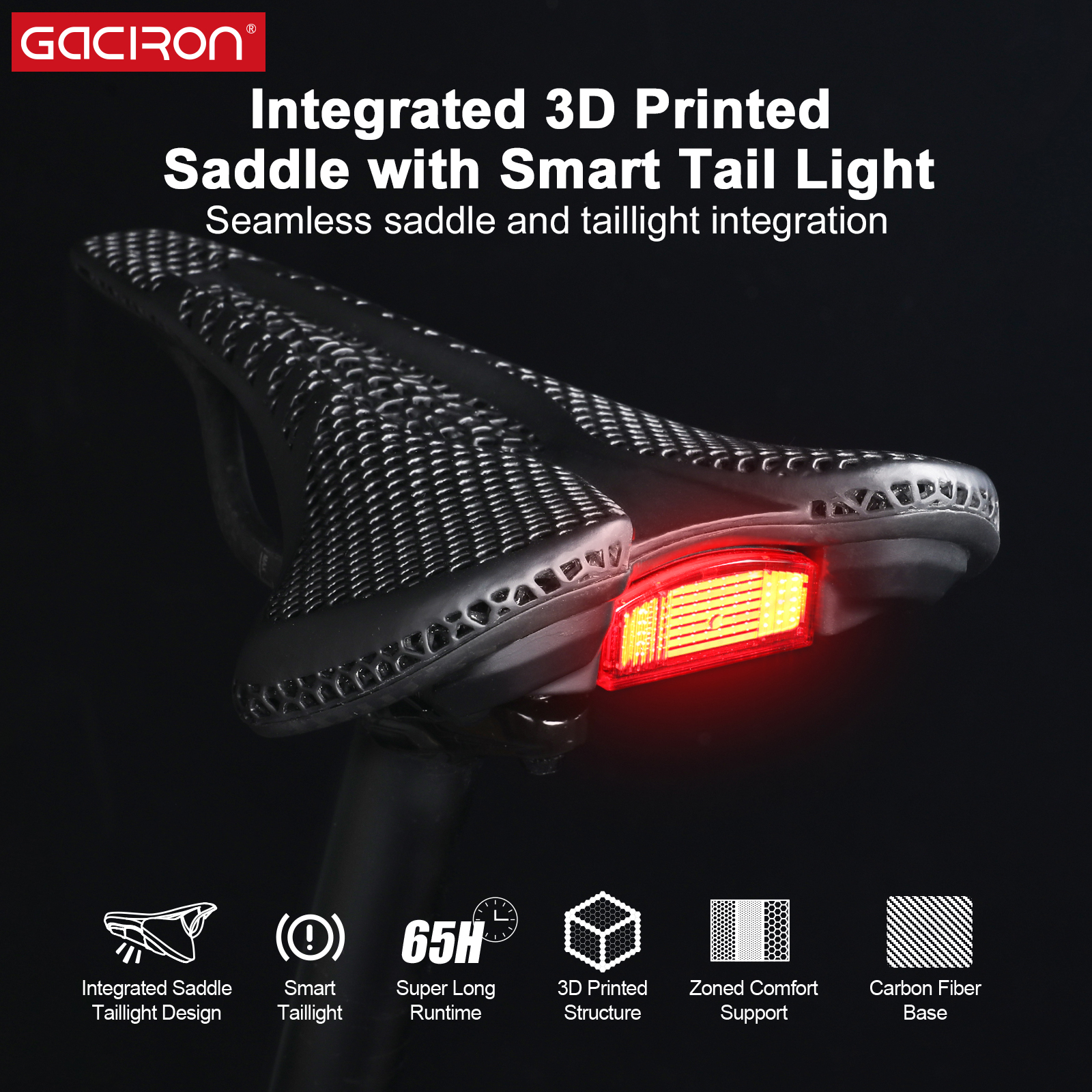
Transitioning from traditional foam to liquid resin/TPU 3D printed honeycomb structures. Enables infinite stiffness tuning across discrete saddle zones, optimizing airflow and rebound speed without adding weight.
Smart Electronics Integration
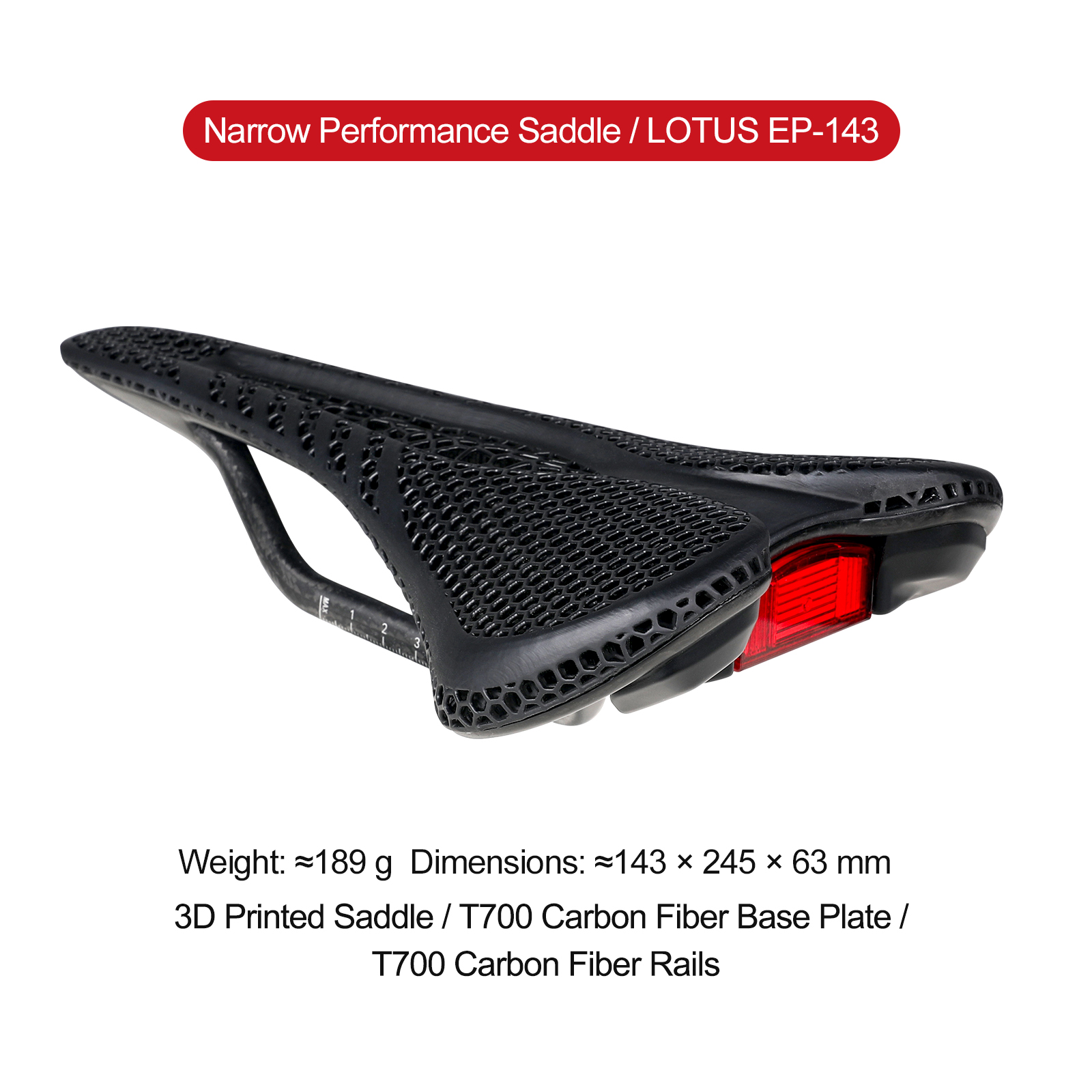
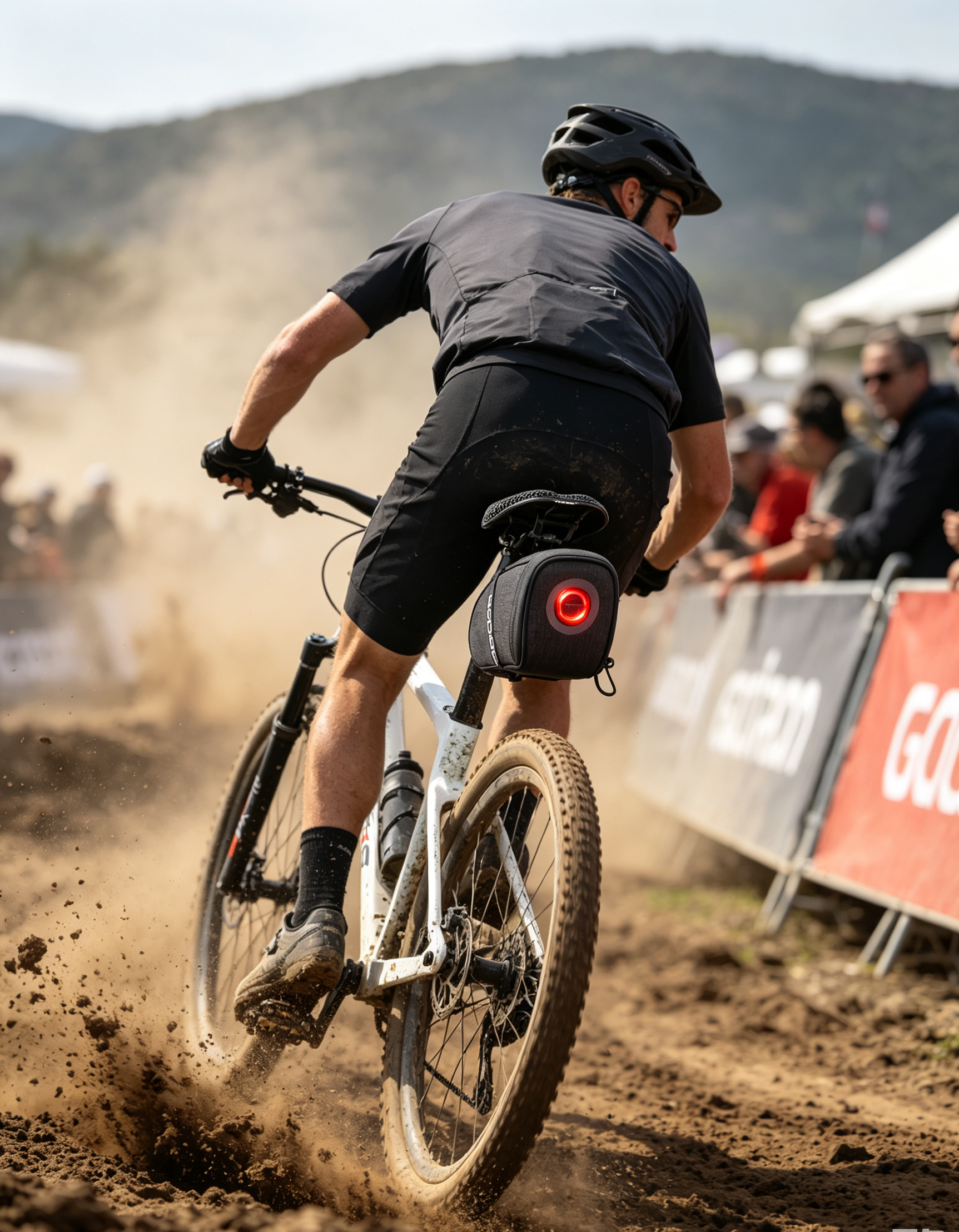
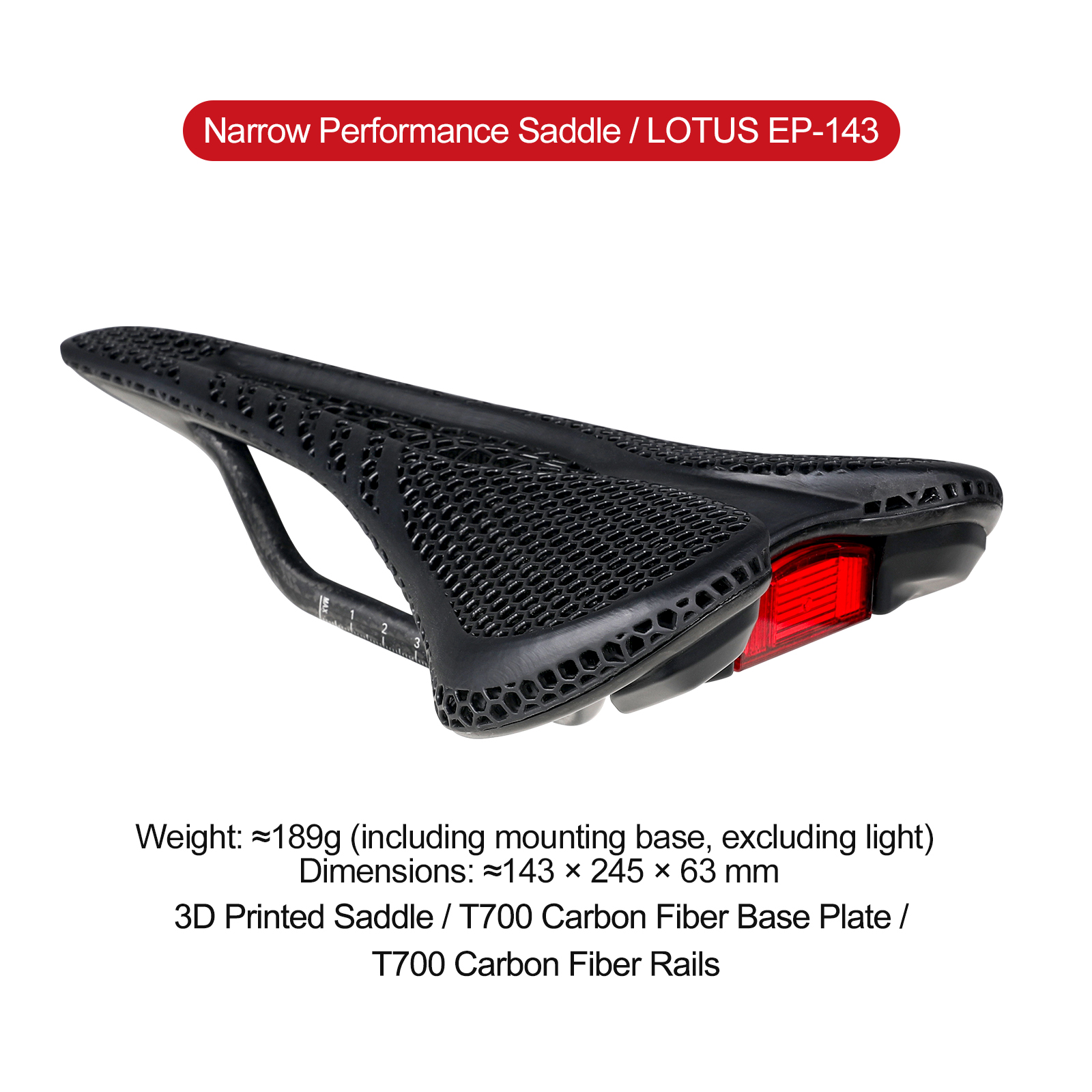
Consolidating accessories by embedding smart brake-sensing taillights directly into carbon fiber or composite saddle shells (e.g., EP-143 series). Streamlines aerodynamics and deters theft.
Carbon Fiber Material Cascading
High-end T700 and T800 carbon fiber rail technologies are trickling down to mid-tier performance saddles, providing ultra-lightweight structural integrity and targeted flex characteristics for gravel and road riding.
Eco-Friendly Bio-PU Formulations
Environmental regulations in Europe (e.g., REACH, RoHS) are prompting factories to adopt bio-based polyols and recycled thermoplastic polymers, aligning manufacturing with circular economy standards.
Modular Bag & Accessory Quick-Release
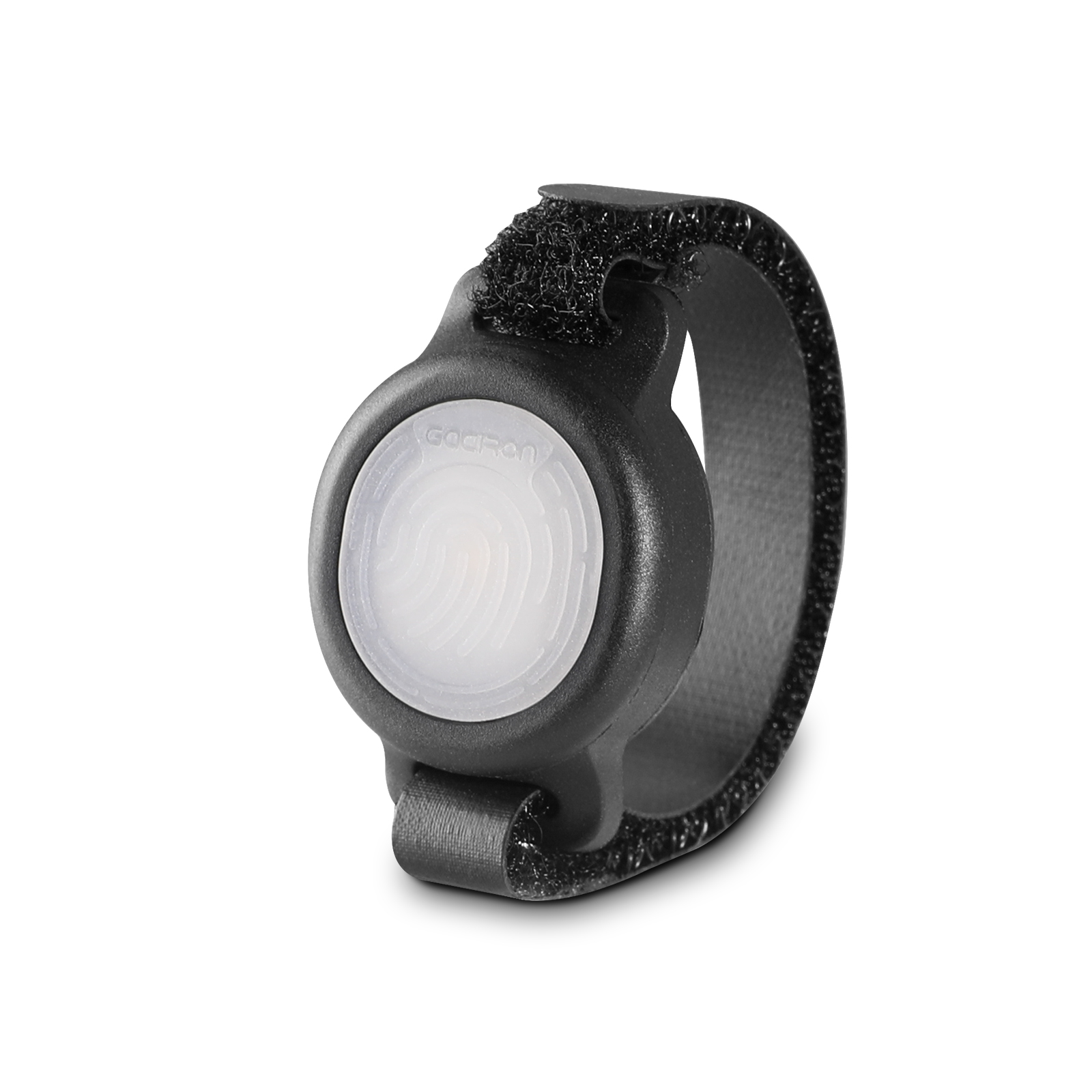
Bikepacking and daily commuting drive the demand for integrated rail mounting systems (such as the Bird Nest-300 ecosystem), allowing seamless attachment of saddle bags, tool pods, and safety gear.
Rigorous IPX6 & UV Weatherproofing
Products must withstand year-round outdoor exposure. Advanced manufacturing now incorporates anti-UV synthetic leather coatings, ultrasonic shell sealing, and IPX6 water-jet testing.
Technical Benchmark: Material & Architectural Comparison Matrix
When selecting OEM/ODM partners for bicycle cushions and integrated hardware, procurement managers must evaluate core material specifications against intended user applications:
| Cushion Technology | Primary Material Matrix | Damping Characteristics | Target Riding Discipline | Key Sourcing Advantages |
|---|---|---|---|---|
| 3D Printed Lattice | Liquid Photopolymer / TPU | Variable zonal shock response; progressive rebound | Performance Road, Gravel, XC Mountain | Zero foam fatigue, maximum thermal dissipation, premium pricing tier. |
| Zoned Memory Foam | High-Density Viscoelastic PU | High pressure dissipation, anatomical body conformity | Urban Commuting, Fitness, Touring | Cost-effective mass production, proven comfort for casual riders. |
| Carbon Shell + Light | T700 Carbon Fiber Rail + Polycarbonate | Stiff energy transfer with minor flex dampening | Endurance Racing, Night Riding, E-Bikes | Integrated smart safety LED, ultra-lightweight profile. |
| Bikepacking Integrated | EVA Foam + Water-Resistant Bag Mount | Balanced comfort with structural weight support | Long-Distance Touring, Adventure Cycling | Combines luggage carrying capacity with rear safety lighting. |
Enterprise Strengths: Shenzhen QUZR Technology Co., Ltd.
Since 2009, Shenzhen QUZR Technology Co., Ltd. has stood as a premier R&D and manufacturing hub in Shenzhen, China, specializing in bicycle lighting, smart safety sensors, ergonomic components, and cycling bags. With an obsessive focus on rider safety and OEM/ODM engineering excellence, our enterprise provides global buyers with an end-to-end manufacturing engine.
9,350 m² Industrial Base
Operating 8 automated, dust-free assembly lines capable of delivering over 200,000 sets per month to international markets.
50+ Precision CNC Machines
In-house CNC aluminum alloy machining, tooling design, optical molding, and surface anodizing capabilities.
Strict Quality Assurance
Full-spectrum lab testing including IPX6 water jet immersion, salt-spray corrosion testing, vibration resistance, and thermal cycle testing.
Flexible OEM/ODM & MOQ
Supporting custom buyer labels, tailored beam patterns, custom colorways, and low starting MOQs (from 20 units for standard models).
Frequently Asked Questions for B2B Sourcing
Addressing key operational, technical, and supply chain queries raised by global importers, brand managers, and procurement officers.
What are the key technical criteria when choosing a comfort bicycle cushion factory?
Procurement managers should evaluate the manufacturer's foam density consistency (or resin quality for 3D printing), rail shear-strength ratings (ISO 4210 compliance), bonding integrity between the upper cover and base shell, and capacity to integrate electronics like smart brake lights without compromising structural flexibility.
How does 3D printed saddle technology compare with high-density PU memory foam in production?
3D printed TPU saddles offer superior zonal cushioning customization without needing expensive foam injection molds, making them ideal for high-performance and mid-volume bespoke runs. High-density PU foam remains the industry standard for high-volume, cost-sensitive commuter and urban bike lines.
What Minimum Order Quantities (MOQs) and lead times apply for custom OEM/ODM projects?
Standard stock models start at a accessible MOQ of 20 pieces. For custom logo laser-etching, unique cover colorways, or buyer-labeled packaging, typical MOQs range from 500 to 1,000 units with standard lead times of 15 to 25 business days following sample approval.
How do integrated smart taillights (e.g., EP-143 / CS-150) handle rain and harsh vibrations?
Our integrated taillights are built with IPX6 waterproof sealing and housed in impact-resistant polycarbonate or carbon fiber enclosures. Embedded accelerometers use digital filtering algorithms to detect braking accurately, ignoring normal road chatter and bumps to prevent false triggers.
What trade compliance certifications and payment terms are available for international shipments?
We support full export documentation complying with CE, RoHS, and REACH standards. Accepted trade terms include FOB, CFR, CIF, EXW, DDP, and Express. Flexible payment options include T/T, L/C, PayPal, and Western Union in multiple major currencies (USD, EUR, GBP, AUD, etc.).
Request Custom OEM/ODM Quotations & Tech Specifications
Partner with a verified manufacturing facility equipped with 50+ CNC workstations, 8 dust-free assembly lines, and comprehensive design support. Get full product catalogs and wholesale pricing within 3 hours.