Featured OEM/ODM Cycling Products & Accessories
Explore our high-demand ergonomic saddles, smart safety gear, and integrated bikepacking solutions designed for global distributors.
Comprehensive Sourcing Guide: Engineering Breathable Bicycle Saddles
In high-performance cycling and modern urban mobility, the bike saddle serves as the primary load-bearing contact point between the rider and the bicycle structure. Historically, saddle manufacturers relied on closed-cell EVA or Polyurethane (PU) foams wrapped in synthetic leather covers. While effective for short-distance damping, traditional solid foam designs create significant heat buildup and moisture entrapment, leading to tissue numbness, pressure sores, and rider fatigue during long-haul rides.
Today, leading bicycle saddle factories and OEM exporters have transformed saddle manufacturing through fluid engineering, anatomical pressure mapping, and additive manufacturing (3D digital light synthesis). This industry whitepaper outlines the essential technical metrics, structural innovations, and procurement parameters for importers seeking reliable, tier-one breathable bike saddle suppliers.
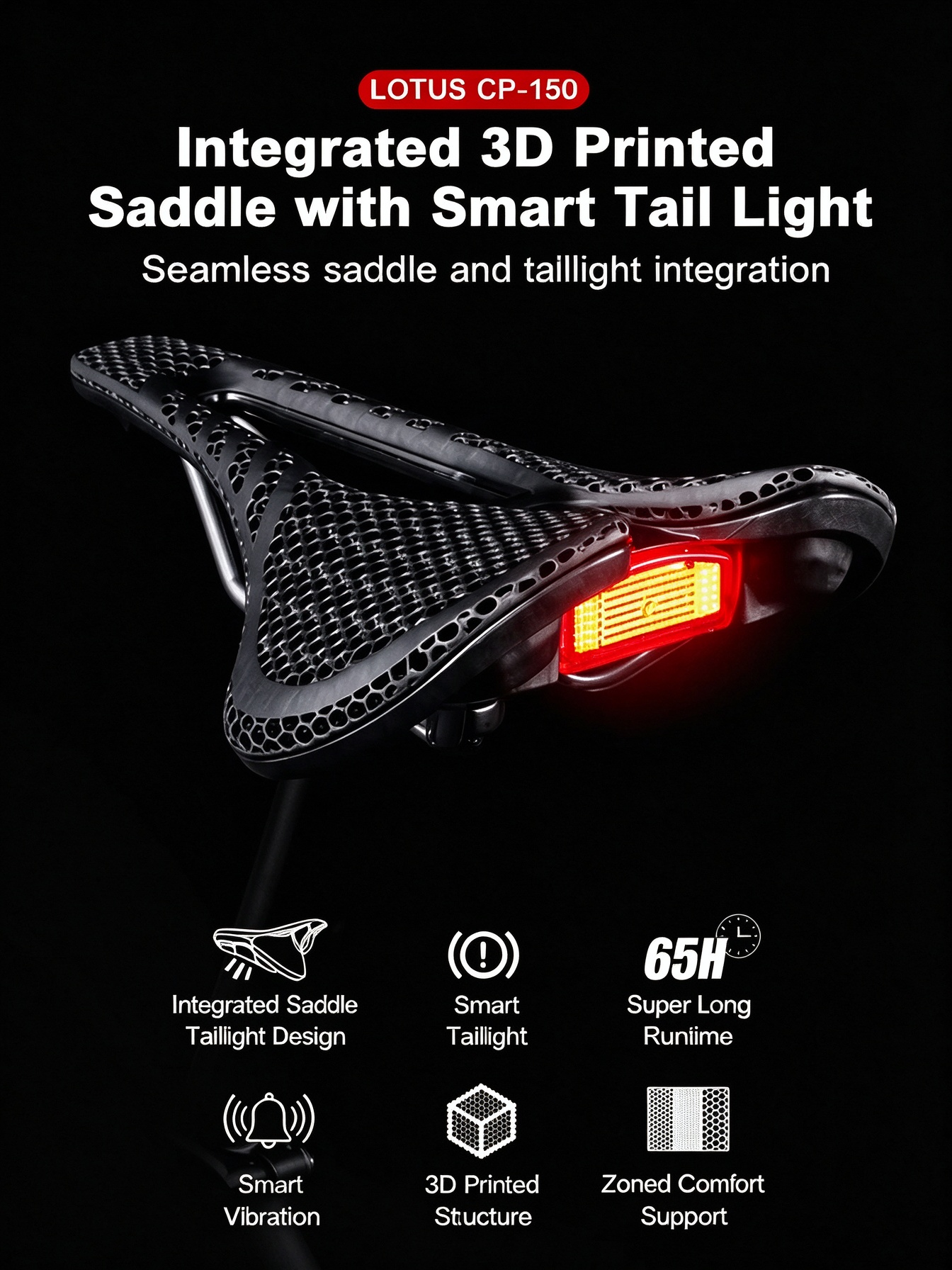
Zoned Airflow Channels
Full-length perineal cutouts engineered to decrease central soft-tissue pressure while directing dynamic air intake along pelvic contact points.
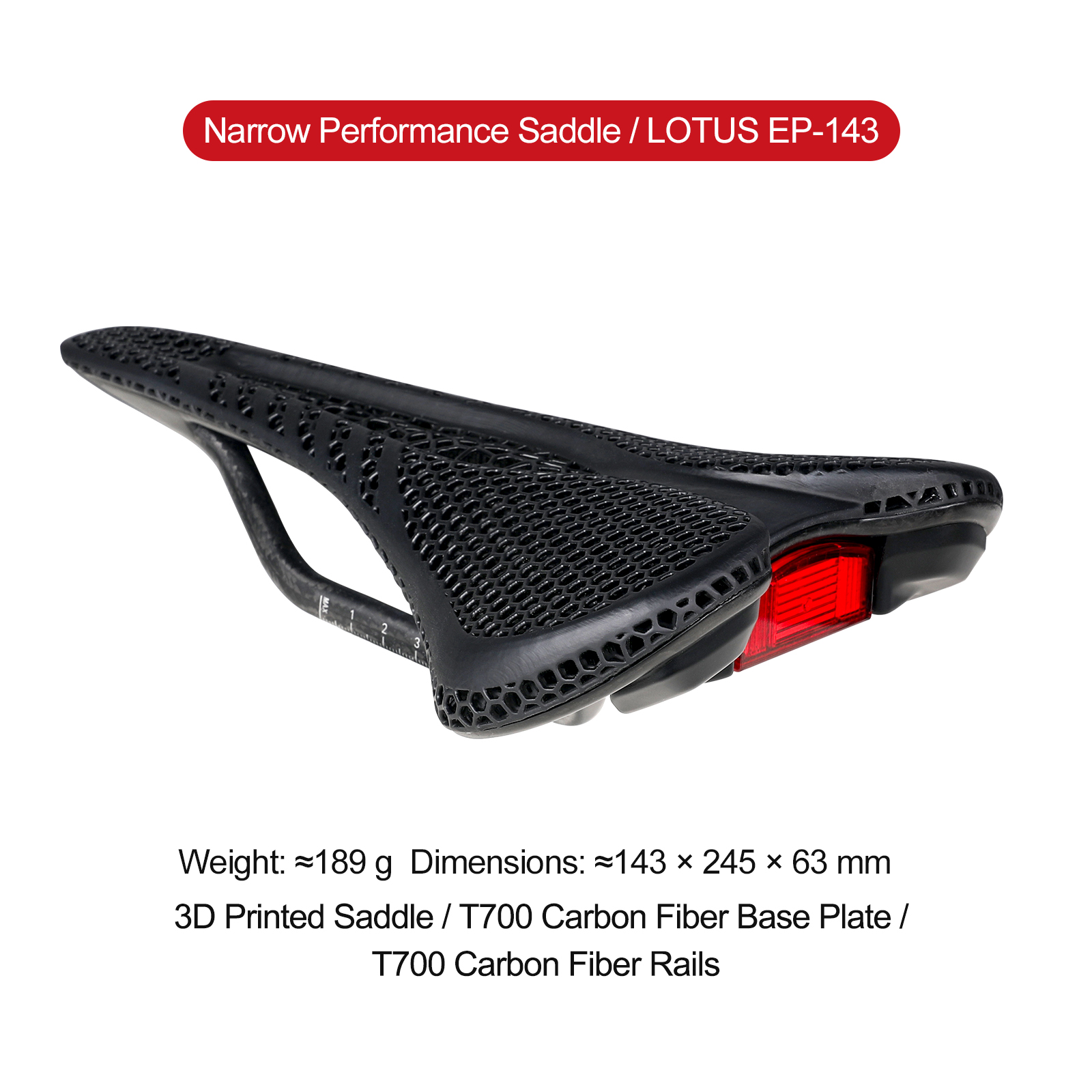
3D Lattice Elastomers
Digital resin printing creates open-cell TPU matrices, delivering progressive compression damping with over 85% void ratio for heat dispersal.
Carbon-Reinforced Rails
3K/12K unidirectional carbon fiber or high-tensile Chromoly hollow rails engineered to absorb micro-vibrations and withstand static loads up to 150kg.
1. Anatomical Pressure Relief & Micro-Climate Thermodynamics
Modern ergonomic saddles utilize targeted anatomical cutouts aligned with sit-bone (ischial tuberosity) spacing. By removing material along the central longitudinal axis, perineal blood flow is maintained above 80% baseline levels, even under aggressive forward-leaning aerodynamic posture (e.g., TT or drop-bar road riding).
Furthermore, heat retention within traditional padding increases skin temperature by up to 3.5°C over 45 minutes of riding, accelerating sweat accumulation and friction friction-induced skin damage. Breathable saddle architectures—especially open-cell matrix patterns and laser-cut perforated micro-fibers—allow dynamic convective cooling, maintaining localized micro-climate relative humidity below 60%.
2. Material Evolution: Traditional Foam vs. 3D-Printed Liquid Resin Lattice
When selecting a manufacturing partner, brands must evaluate the core padding technology. Below is a comparative engineering benchmark contrasting legacy padding methods against modern additive lattice structures offered by qualified factories:
| Performance Characteristic | Traditional High-Density EVA | Ergonomic Gel + Molded PU | Additive 3D TPU Matrix |
|---|---|---|---|
| Air Permeability & Heat Dissipation | Low (Closed Cell Surface) | Very Low (Gel Insulates Heat) | Maximum (Open Lattice Structure) |
| Pressure Distribution | Linear Compression (Bottoms Out) | Displaces under Weight | Zoned Variable Shore Hardness |
| Damping Resilience | Gradual Compression Set over time | Heavy; Damping degrades under thermal load | High Elastic Recovery (100,000+ Cycles) |
| Weight Efficiency | 180g - 260g | 280g - 420g | 135g - 210g (With Carbon Base) |
| Water Resistance & Cleaning | Absorbs Water if Cover Splits | Surface Waterproof | Hydrophobic, Quick-Washable TPU |
Procurement Pro Tip for Importers
When specifying 3D printed saddles for OEM mass production, always verify the UV aging resistance and low-temperature flexibility (-20°C to +50°C) of the photopolymer or TPU resin matrix to prevent brittleness over extended outdoor storage.
Future Sourcing & Procurement Trends (2025–2030)
The global bicycle saddle market is experiencing rapid structural growth, driven by the expansion of long-distance gravel racing, urban E-bikes, and indoor smart training. OEM procurement directors should align their product roadmaps with the following four mega-trends:
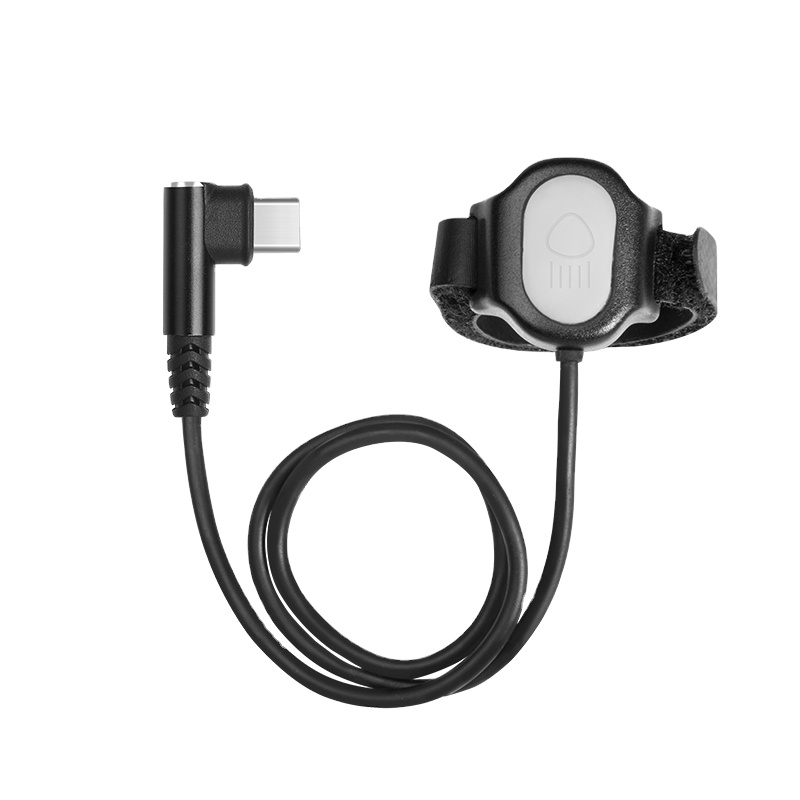
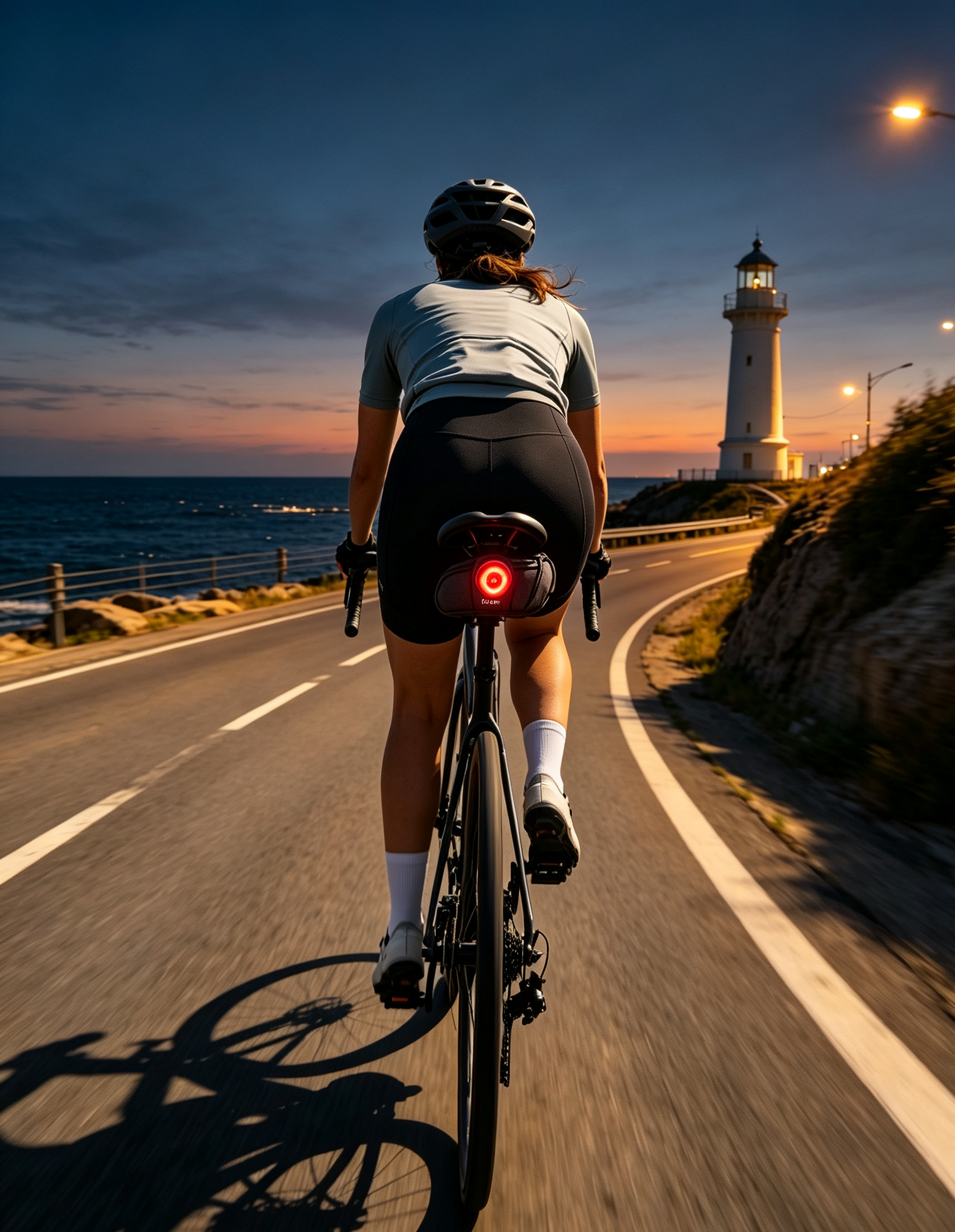
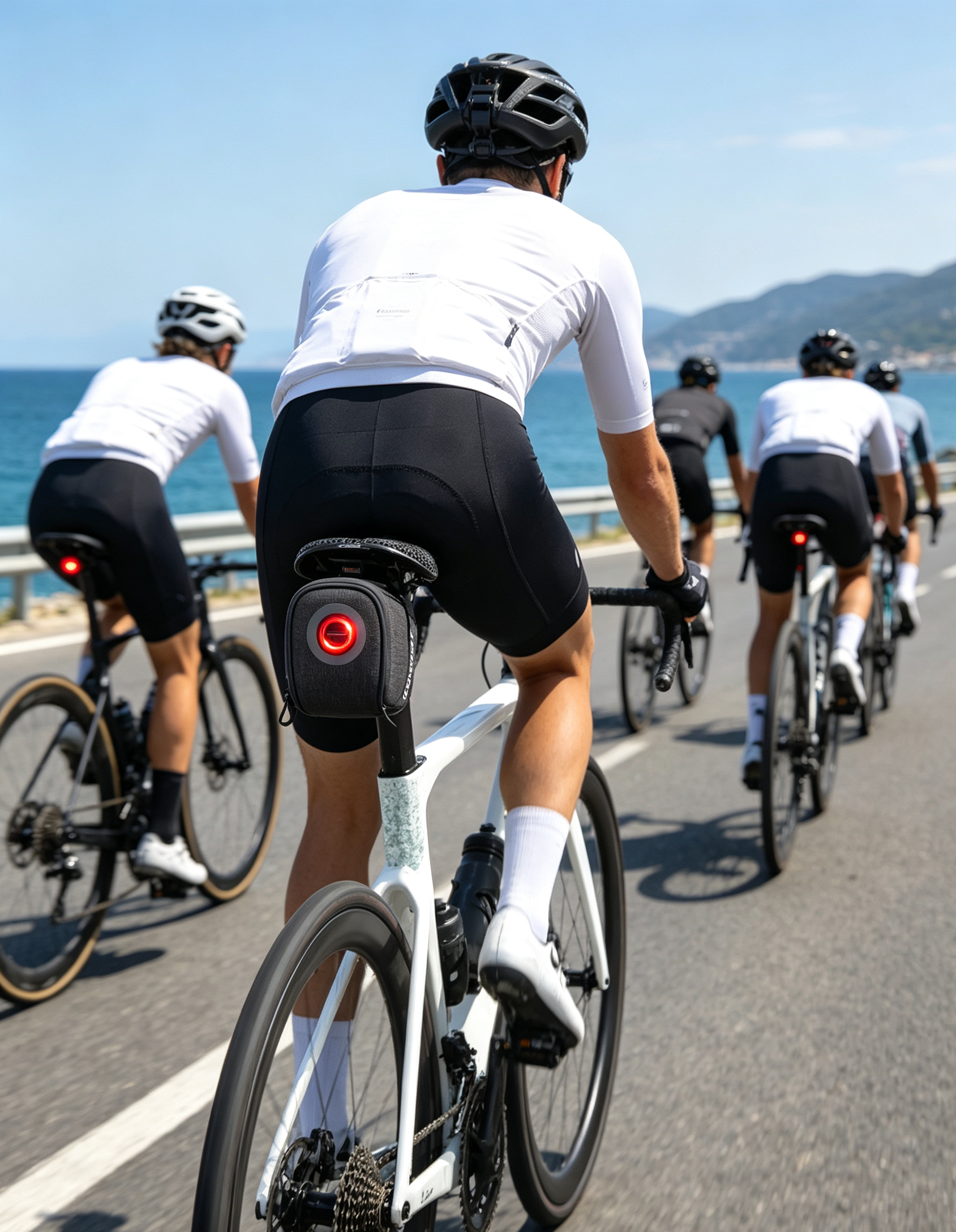
- Integration of Electronics & Safety Lighting: Modern saddle bases are increasingly designed with integrated structural mounts for smart brake sensing rear lights and magnetic quick-release saddle bags (such as the Gaciron CP150 and BIRD NEST-300 series). This eliminates aftermarket clutter and enhances rearward rider visibility.
- Sustainable Bio-Based Polymers: Environmental regulations in Europe (REACH compliance) are driving demand for recycled carbon fiber shells and bio-based TPE resins derived from renewable castor oil sources.
- Customized Lattice Density Tuning: Advanced factories now leverage algorithmic generative design to create varying density zones on a single saddle top—firm support under the sit-bones, and plush compliance over soft tissue areas—without needing multiple mold inserts.
- Short-Nose Aero Geometry Standardization: Traditional long-nosed saddles (270mm+) are rapidly being replaced by short-nose profiles (240mm–250mm) featuring wider rear flare (143mm–155mm), offering versatile pelvis stabilization across both road, mountain, and gravel platforms.
Enterprise Advantage & Manufacturing Capability
Partnering with a verified source factory eliminates intermediary markups and guarantees rigorous quality control from raw material ingestion to final assembly. Operating from an advanced manufacturing plant in Shenzhen, China, Shenzhen QUZR Technology Co., Ltd. stands as a premier OEM/ODM manufacturer for bicycle lights, smart accessories, and high-performance bike saddles.
Spanning over 9,350 square meters of dust-free assembly workshops and equipped with more than 50 precision CNC machinery lines, our plant delivers an automated monthly capacity exceeding 200,000 sets. Our in-house R&D team manages optical design, industrial shell tooling, firmware engineering, and structural load testing under one roof.
Whether you require standard low-MOQ inventory (starting at 20 pieces) or complete buyer-label custom molding, our technical team provides swift prototype iteration and comprehensive export compliance (FOB, CIF, DDP, EXW).
Frequently Asked Questions (FAQ) for Global Buyers
To assist procurement managers, sourcing agents, and brand directors during supplier evaluation, we have compiled answers to common technical and commercial queries:
What is the Minimum Order Quantity (MOQ) for custom saddle and lighting orders?
For standard in-stock inventory models (including integrated light saddles and smart lights), our minimum order starts at just 20 pieces. For custom OEM logo branding, customized colorways, or bespoke packaging, MOQ typically ranges from 300 to 500 pieces depending on tooling requirements.
How do you test the fatigue and structural load limit of your bicycle saddles?
All saddle structures undergo vertical dynamic load fatigue testing exceeding 200,000 cycles at 1,000N force, complying strictly with ISO 4210 and EN 14781 international cycling safety standards. Rail clamping areas are also tested against lateral torque shear strength.
What is the difference between IPX4 and IPX6 rating on integrated light saddles?
IPX4 provides splash protection against rain, suitable for casual urban riding. IPX6 certification guarantees protection against high-pressure water jets from any direction, ensuring electronic circuitry and smart brake sensors remain operational during heavy downpours or pressure washing.
Can you provide custom ODM molding services based on 3D CAD files?
Yes. Our engineering team provides full-service ODM development, translating 3D STEP/IGES CAD files into functional rapid prototypes within 7 working days, followed by aluminum alloy or steel production tooling.
Which trade terms and payment methods are supported for export orders?
We accept FOB, CFR, CIF, EXW, FCA, CPT, CIP, DDP, and DDU shipping terms. Payment options include T/T (Telegraphic Transfer), L/C at sight, PayPal, Credit Card, and Western Union in multiple currencies (USD, EUR, GBP, AUD, CAD).
Request Your Custom OEM/ODM Sourcing Quotation
Upgrade your product catalog with high-performance breathable saddles, 3D printed comfort platforms, and integrated smart safety electronics directly from our verified Shenzhen facility.