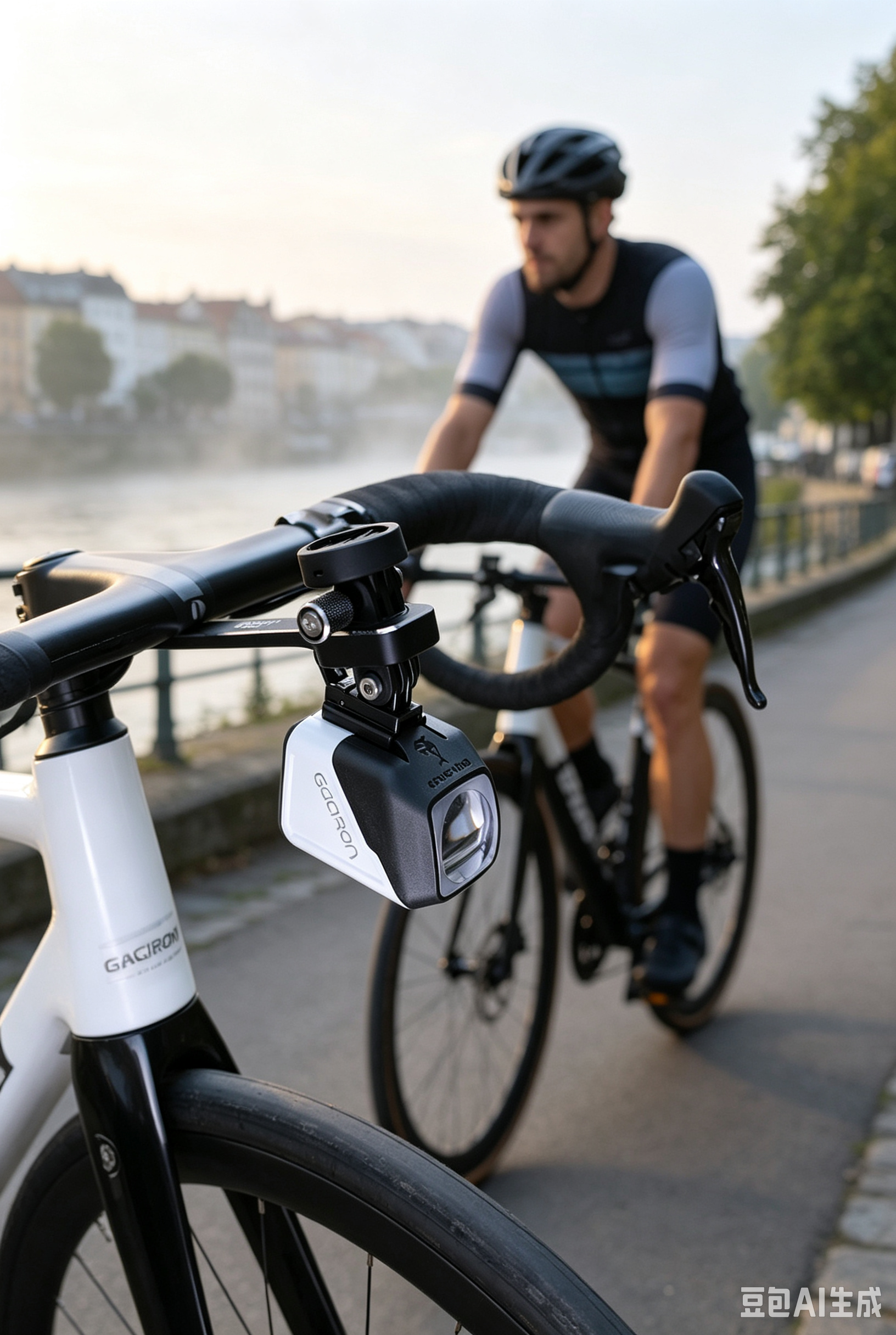
Featured Ecosystem Accessories & Mount Systems
Production-ready B2B hardware engineered for high-vibration resilience, precision aerodynamic alignment, and multi-device integration.
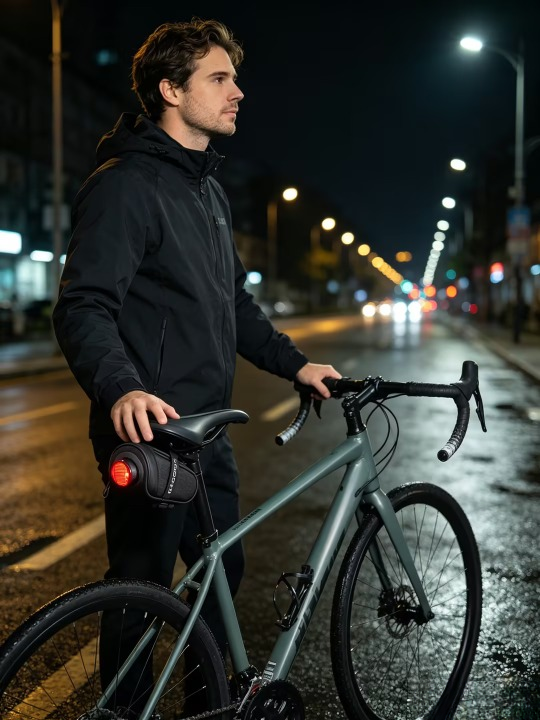
Gaciron Bird Nest-300G(S) Bicycle Saddle Bag Taillight Clip Rechargeable TPU IPX6
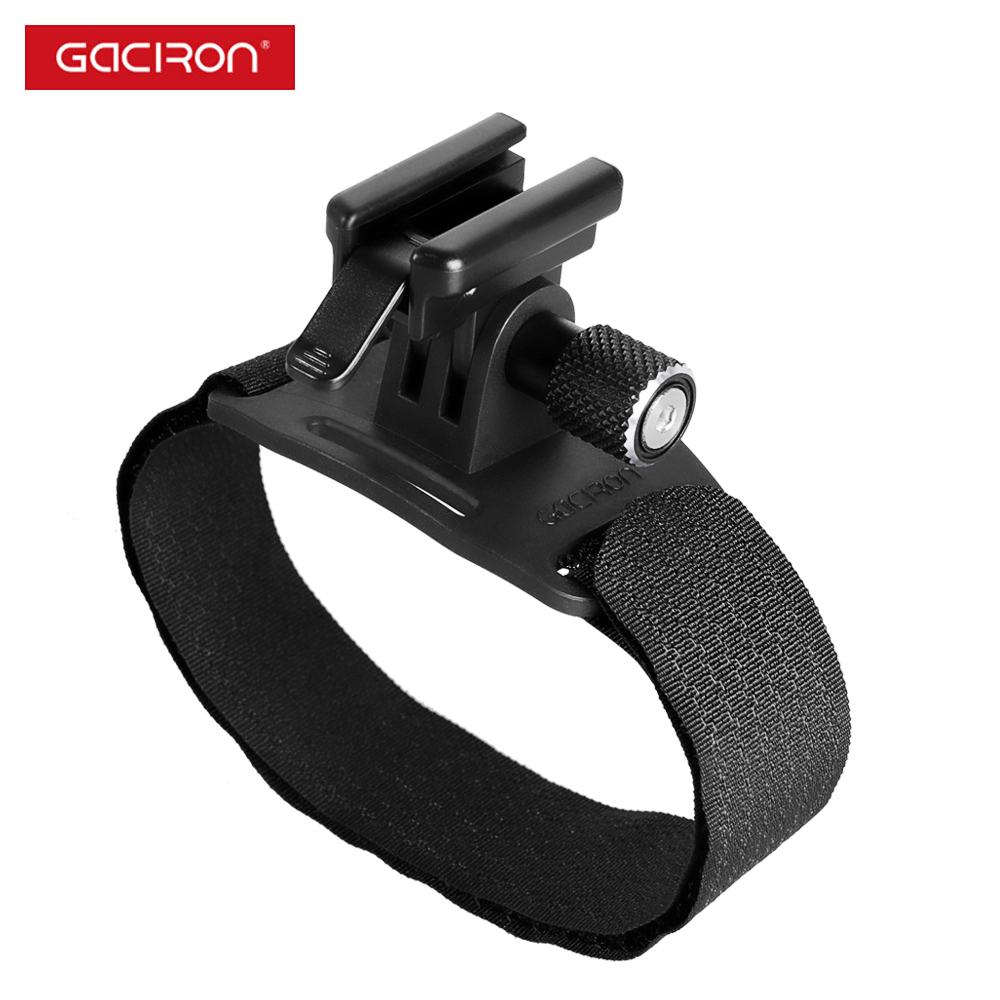
Gaciron H15P Strap 100 Angle Universal Helmet Mount Strips for Bike Light
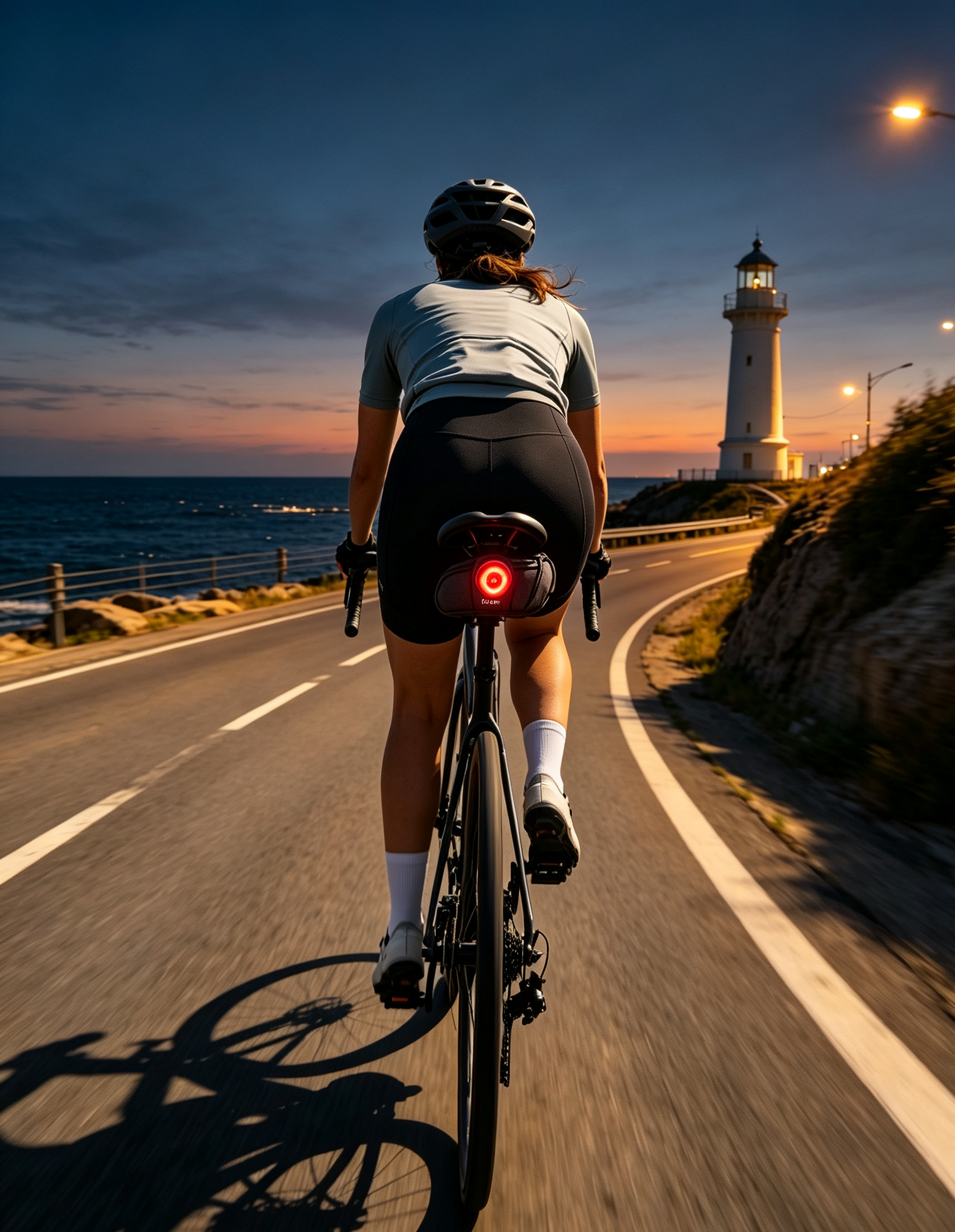
Gaciron BIRD NEST-300 Road Bike Saddle Bag with Magnetic Mount 100LM High Brightness
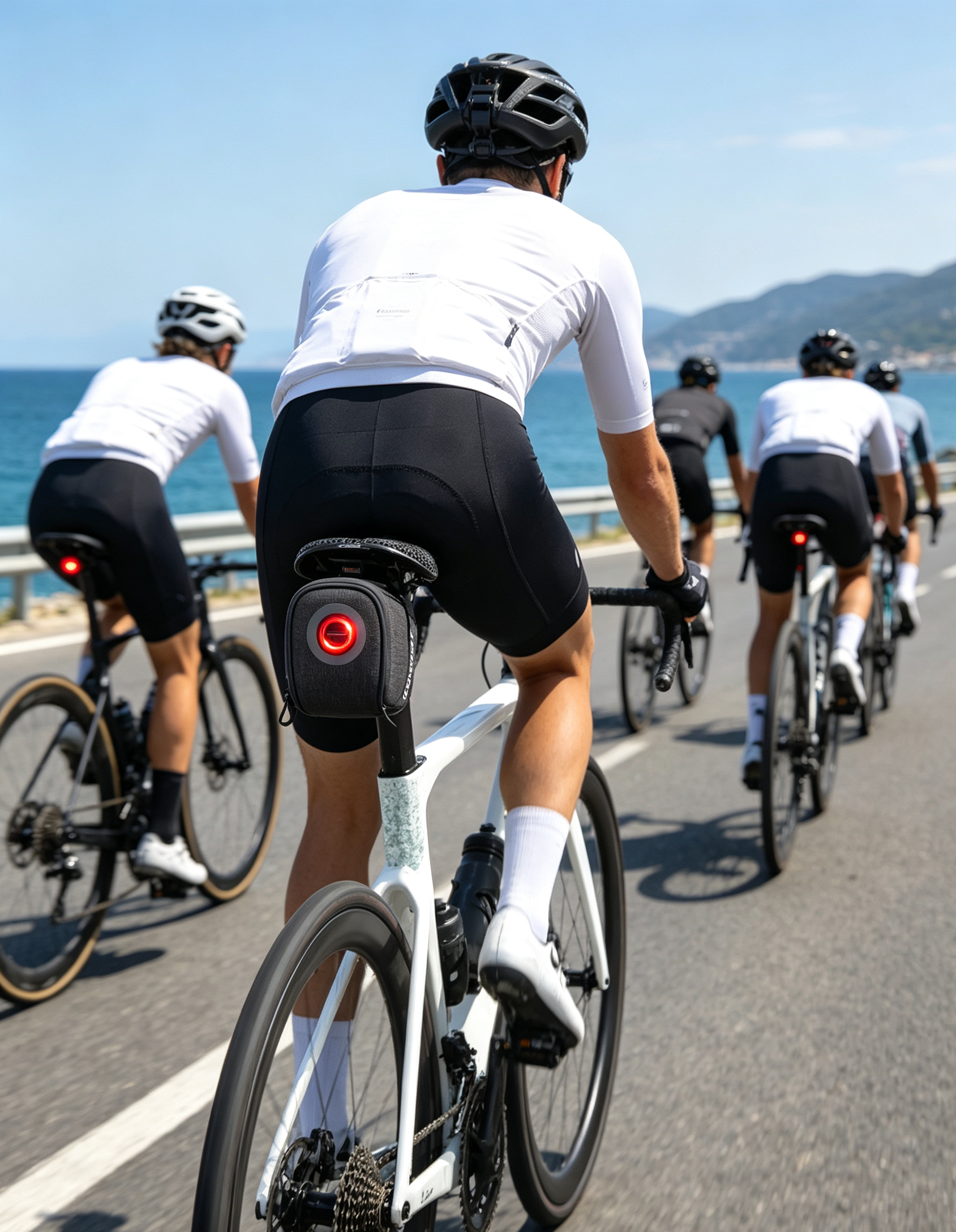
Gaciron BIRD NEST-300 Road Bike Smart Taillight Magnetic Mount Battery Aero Saddle Bag
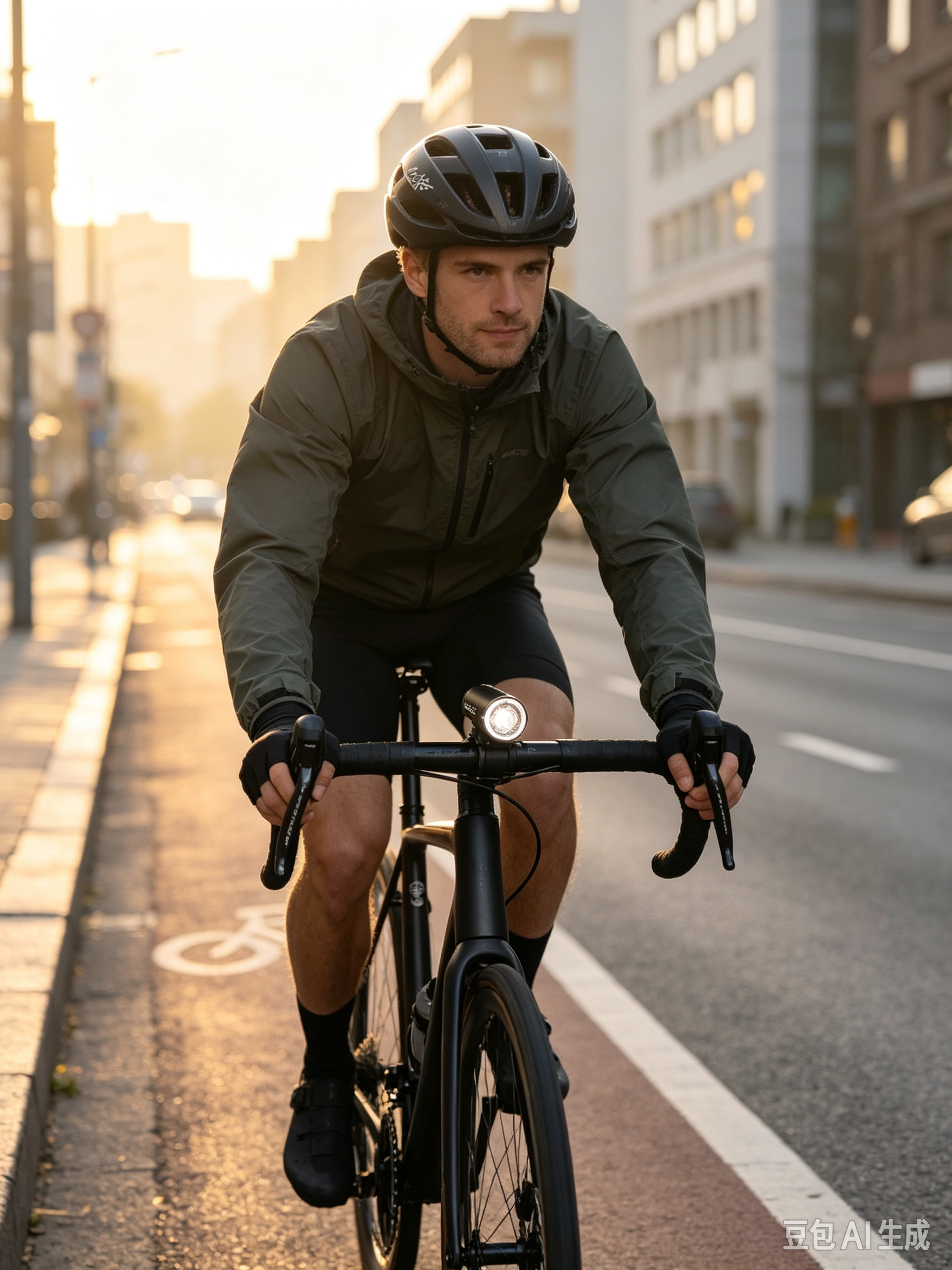
Gaciron EE-650 Rechargeable LED Bicycle Front Light Symmetrical Optical Design IPX6
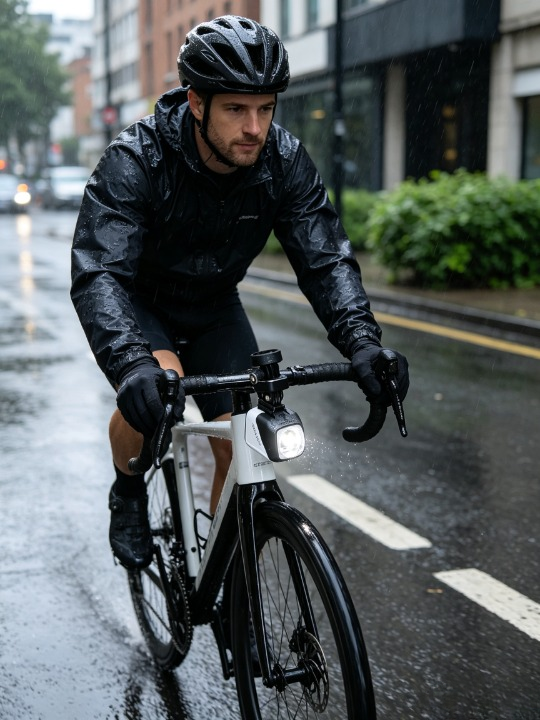
Gaciron Cetus-Max 2000 Lumen Smart LED Bike Front Light IPX6 Rechargeable Aluminum
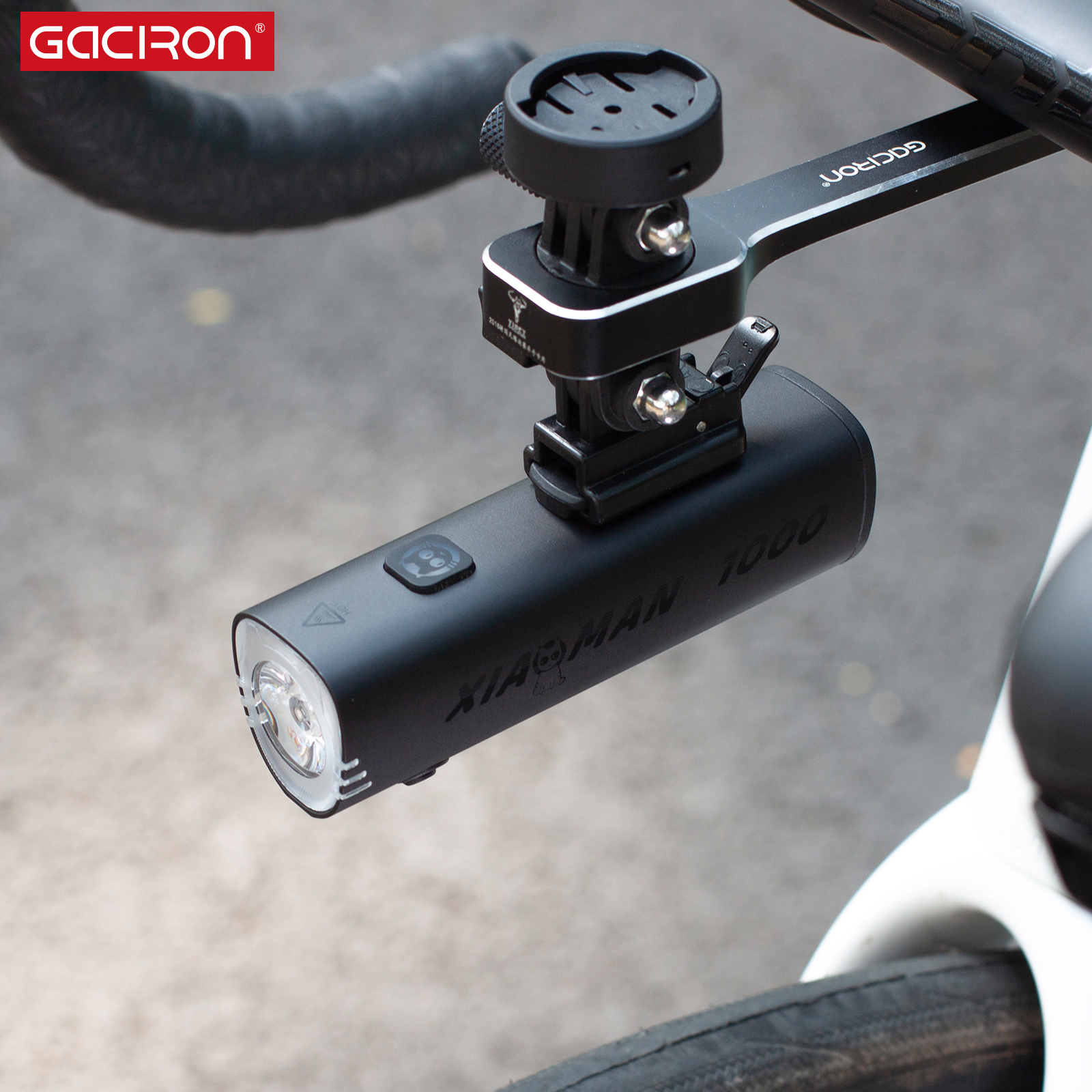
GACIRON XIAOMAN-1000 Aluminum Alloy LED Bicycle Headlights 1000LM High Brightness IPX6
9,350 m²
CNC Manufacturing Facility
50+ Sets
5-Axis CNC Machining Units
200,000
Monthly Unit Capacity
ISO9001
Certified Quality Control
The Engineering Standard for Modern Out-Front Computer Mount Systems
In high-performance cycling ecosystems, the out-front bike computer mount has evolved from a basic plastic bracket into an essential structural component. Today’s professional road racers, gravel endurance cyclists, and commuter e-bikers rely on GPS head units (such as Garmin Edge, Wahoo ELEMNT, and Bryton Rider series) not only for navigation, but as command centers displaying real-time power metrics, radar alerts, and smart lighting telemetry.
To support multi-device loads—including heavy high-lumen headlights, action cameras (GoPro interface standard), and radar units—global cycling brands require bike computer mount manufacturers to implement strict engineering standards. A structural failure at high speed can result in severe equipment loss and rider safety hazards. Consequently, Tier-1 OEMs look for suppliers with proven capabilities in high-precision CNC machining, finite element analysis (FEA), advanced thermal anodization, and vibration damping Co-Molding engineering.
"Information Gain Insight: Premium Out-Front Mounts are shifting from single-purpose brackets to multi-device integrated cockpit cockpits. Industrial buyers must evaluate manufacturers based on yield strength, torsional fatigue testing, micro-vibration absorption, and universal insert cross-compatibility."
Structural Metallurgy: AL6061-T6 Alloys vs. Molded Carbon Composites
When selecting a manufacturing partner for bike computer mounts, material selection determines structural longevity. Premium OEMs primarily rely on two core material pathways:
- AL6061-T6 Aircraft Grade Aluminum Alloys: Processed via high-precision 5-axis CNC machining centers, AL6061-T6 provides exceptional tensile strength (up to 310 MPa) and yield strength (up to 276 MPa). CNC-machined metal mounts deliver absolute dimensional accuracy, resisting rotational slip even under heavy downward loads on harsh gravel terrain. Surface treatments such as Type II Anodizing provide corrosion protection against salt water, rain, and acidic sweat.
- UD Carbon Fiber Composites: For weight-sensitive competitive road racing setups, long-strand continuous carbon fiber compression molding yields ultra-lightweight mounts weighing under 25 grams. However, manufacturing requires rigorous fiber layup orientation to prevent structural shearing along bolt-torque zones.
| Engineering Parameter | CNC AL6061-T6 Mounts | Fiber-Reinforced Nylon | UD Carbon Composite |
|---|---|---|---|
| Ultimate Tensile Strength | 310 MPa | 160 MPa | 550+ MPa |
| Payload Capacity (Vibration Load) | Up to 850 grams | Up to 350 grams | Up to 500 grams |
| Vibration Damping Index | Medium (Requires Polymer Insert) | High (Natural Compliance) | Low-Medium (Rigid Transfer) |
| Insert Interface Material | Injection Polymer (Replaceable) | Co-Molded / Integrated | Bolted Polymer Insert |
| Tooling Cost & Lead Time | Zero Tooling Cost (Fast Prototype) | High Tooling Cost (30-45 Days) | High Compression Tooling |
Global Sourcing & Procurement Trends (2025–2030)
As the international cycling hardware industry consolidates and moves toward integrated systems, brand procurement directors must align their supply chains with key upcoming trends:
1. Integrated Aero-Cockpit Customization
Traditional round handlebar clamps (31.8mm/35mm) are rapidly giving way to direct-mount integrated handlebar cockpits. Brands require ODM partners capable of developing bolt-on mounts specifically tailored to proprietary aerodynamic handlebar profiles.
2. Dual-System Under-Mount Ecosystems
Modern riders refuse to clutter their handlebars. Leading sourcing briefs now mandate dual-sided mounting logic: top quarter-turn interface for GPS units and bottom dual-fin GoPro/Gaciron lug interfaces for direct mounting of cutoff front lights or smart action cameras.
3. High-Damping Polymer Insert Engineering
Head unit tabs (especially plastic quarter-turn tabs on expensive computers) are vulnerable to wear and shear under continuous road vibration. Premier factories utilize specialized POM (Polyoxymethylene) or Engineered Nylon inserts that absorb micro-vibrations and wear out gracefully before damaging the GPS unit's housing tabs.
Next-Generation R&D Trends in Hardware Development
Product development managers seeking a competitive edge in retail environments should evaluate factories investing in advanced manufacturing methodologies:
Topology Optimization & FEA Stress Modeling
Using advanced Finite Element Analysis (FEA), engineers can remove unstressed metal from mount arms, creating ultra-sleek, organic structural shapes that reduce drag coefficient (CdA) while increasing torsional rigidity under extreme sprint conditions.
Additive Manufacturing (3D Titanium Printing) for Micro-Batch OEM
Selective Laser Melting (SLM) 3D printing in Grade 5 Titanium (Ti-6Al-4V) enables hyper-customized, hollow-lattice computer mounts for luxury custom bike builders. Leading factories now offer hybrid production lines: CNC machining for volume orders and SLM titanium printing for boutique micro-batches.
"E-E-A-T Quality Note: A truly reliable bike mount manufacturer must conduct dynamic fatigue testing exceeding ISO 4210 standards, applying over 200,000 cycles of sinusoidal vertical vibration under 1.5kg peak load without material deformation or bolt loosening."
Manufacturing Excellence: Shenzhen QUZR Technology Co., Ltd.
Shenzhen QUZR Technology Co., Ltd. (operating active manufacturing setups in Shenzhen, China since 2009) is a specialized R&D and manufacturing pioneer in bicycle lighting, smart brake safety lights, optical lenses, custom aluminum computer mounts, and integrated cycling accessories.
Spanning an expansive 9,350 square meter modern manufacturing center equipped with over 50 advanced CNC precision machine tools and 8 dust-free standard assembly lines, QUZR maintains a robust monthly production output of up to 200,000 sets of cycling hardware.
With an exceptional buyer reorder rate exceeding 40% and export operations across North America, Western Europe, and Southeast Asia, QUZR provides full-scope B2B services: custom industrial design, optical ray-tracing, structural prototyping, precision laser etching, custom anodization, and certified IPX6 waterproof testing.
Est. 2009
9,350 m² Industrial Base
50+ High-Precision CNC Machines
8 Dust-Free Assembly Lines
200,000 Sets Monthly Capacity
40%+ B2B Reorder Rate
In-House Optical & Tooling R&D
Procurement & OEM Sourcing FAQ
Addressing the technical, operational, and financial questions most frequently asked by global supply chain buyers.
What is the typical Minimum Order Quantity (MOQ) for OEM/ODM mount manufacturing?
For standard production-ready inventory models, MOQ starts as low as 20 pieces. For custom OEM projects requiring laser logo branding, custom anodized pantone colors, or specialized retail packaging, MOQ generally starts at 500 pieces. Full custom ODM designs requiring dedicated aluminum CNC tooling or plastic injection molds are quoted individually based on engineering complexity.
How do you ensure computer mount inserts are compatible with Garmin, Wahoo, and Bryton?
We manufacture interchangeable quarter-turn insert discs using ultra-durable POM (polyoxymethylene) polymer material. Our molds are precision-machined to exact OEM dimensional tolerances for Garmin Edge, Wahoo ELEMNT, Bryton, and Stage GPS units. The inserts feature micro-detent spring tensioning to ensure a crisp, secure rotational lock without applying excessive torque to the head unit's mounting tabs.
What anti-corrosion and surface finishing options are available for outdoor longevity?
Our CNC aluminum mounts undergo an automated 12-stage chemical cleaning and Anodizing (Type II or Hardcoat Type III) process. This creates an oxide barrier layer ranging from 15 to 25 microns thick, preventing galvanic corrosion from sweat, environmental moisture, and road salt. We also subject batch samples to 72-hour continuous salt spray testing to guarantee outdoor reliability.
Can your factory accommodate combined light-and-mount custom integrated kits?
Yes. As a comprehensive manufacturer of high-lumen LED front headlights (such as the Gaciron Cetus and Raptor series), smart brake taillights, and aluminum brackets, we specialize in supplying complete, unified out-front ecosystem packages. This includes custom under-slung GoPro adapters, quick-release helmet brackets, and integrated aero saddle mounts.
What are the accepted international trade terms and payment options?
We support flexible global trade terms including FOB, CFR, CIF, EXW, FCA, CPT, CIP, and DDP (Delivered Duty Paid directly to your warehouse). Payments are accepted via T/T (Telegraphic Transfer), L/C at sight, PayPal, Credit Card, and Western Union in major currencies including USD, EUR, GBP, AUD, and CAD.
Request Factory Specifications & Complete Product Catalog
Connect directly with our engineering and international B2B export sales team. Receive comprehensive CAD drawings, 3D step files, minimum order quotes, and sample evaluation packages within 3 hours.
Get Catalog