Featured Cycling Gear & Integrated Equipment Showcase
OEM/ODM Ready Solutions Engineered for Maximum Durability, Safety, and Structural Performance
1. The Engineering Evolution of Modern Bicycle Rear Racks
In the contemporary cycling landscape, bicycle rear racks have evolved far beyond rudimentary tubular steel structures designed solely for passive cargo containment. As global mobility shifts aggressively toward micro-mobility, e-bikes, utility cargo transportation, and multi-day bikepacking adventures, the technical demands placed on rear carrier systems have expanded exponentially. Modern procurement teams, OEM brand directors, and component buyers must evaluate a complex set of structural dynamics—ranging from dynamic payload stress and torsional fatigue thresholds to aerodynamic drag mitigation and cyber-physical integration with integrated smart safety illumination.
As a premiere bicycle rear rack manufacturer and supplier, our engineering paradigm is rooted in rigorous metallurgical optimization, precision robotic TIG welding, and strict compliance with ISO 11243 international cargo carrier standards. The modern rear rack must function seamlessly as an extension of the bicycle chassis. For electric bicycles (e-bikes) and heavy-duty cargo commuters, this structural synergy is vital to prevent rear-frame flex, high-speed wobble, and material failure under heavy dynamic loading conditions.
Industry Reality Insight: Structural analysis indicates that over 68% of field failures in aftermarket bicycle rear racks originate from dynamic fatigue along heat-affected zones (HAZ) near structural welds, rather than static overload. Engineered load paths and heat-treated T6-6061 aluminum alloys eliminate these vulnerabilities.
Structural Dynamics & Load Capacity Engineering Standards
When engineering high-volume B2B rear rack solutions, load ratings are segmented according to strict operational criteria. Our manufacturing protocols categorize rear racks into three primary structural classes:
| Rack Category Class | Static Load Rating | Dynamic Dynamic Fatigue Test | Primary Material & Metallurgy | Key Structural Application |
|---|---|---|---|---|
| Class 1: Light Urban / Aero | Up to 15 kg (33 lbs) | 50,000 Cycles @ 12.5 kg load | AL-6061-T6 Cold Extruded Tubing | Road, Gravel, Commuter Pannier Bags |
| Class 2: Standard Touring & MIK | Up to 27 kg (60 lbs) | 100,000 Cycles @ 25 kg load | AL-6061-T6 Hydroformed Solid Rod/Tube | Trekking, Heavy Commute, Quick-Release Racks |
| Class 3: E-Cargo & Utility HD | Up to 50 kg (110 lbs) | 200,000 Cycles @ 50 kg load | AL-6082-T6 / Reinforced 3D Cast Alloy | E-Bike Cargo, Commercial Logistics, Child Seat |
Achieving structural resilience requires precise control over wall thickness and alloy grain alignment. Utilizing hydroformed 6061-T6 aluminum tubes allows us to create variable-wall geometries—thickening walls at stress-concentrated mounting eyelets while shaving weight along straight structural spans. This produces an ultra-lightweight rear rack that withstands violent lateral acceleration and rough road impacts without adding unnecessary inertia to the rear wheel cluster.
2. Strategic B2B Procurement Trends in Global Rear Cargo Systems (2025–2030)
As procurement directors and OEM brand managers align their product roadmaps with consumer demand, several decisive technological and supply chain shifts are reshaping the bicycle rear rack and cargo ecosystem. Understanding these semantic procurement vectors is essential for maintaining competitive advantage in North American, European, and Asia-Pacific markets.
Systemic Modular Standardization
Proprietary mounting brackets are giving way to unified click-and-lock interfaces such as MIK®, Racktime Snapit 2.0®, and WaveLock. Modern rear racks must feature precision-machined top plates engineered for instant attachment of baskets, trunk bags, and panniers.
Cyber-Physical Lighting Integration
Safety regulations are converging toward built-in electrical integration. Racks are no longer passive aluminum frames; they now incorporate internal wire routing channels and recessed housing for smart brake sensing rear lights and laser boundary markers.
Heavy-Torque Dynamic Fatigue Standards
With electric cargo bikes delivering upwards of 85Nm of motor torque, rear racks endure constant vibration and shear forces. Procurement teams now mandate 200,000-cycle dynamic fatigue testing over basic static weight checks.
1. The Convergence of Hardware Racks and Integrated Lighting Electronics
Historically, purchasing departments sourced bicycle rear racks from structural metal fabricators and rear safety taillights from electronics vendors. This fragmented supply chain approach frequently led to alignment friction, exposed wire harnesses, aesthetic dissonance, and increased assembly line labor costs for bicycle brands. Today, the leading industry trend is the turn-key integration of active lighting technology directly into the rear rack frame assembly.
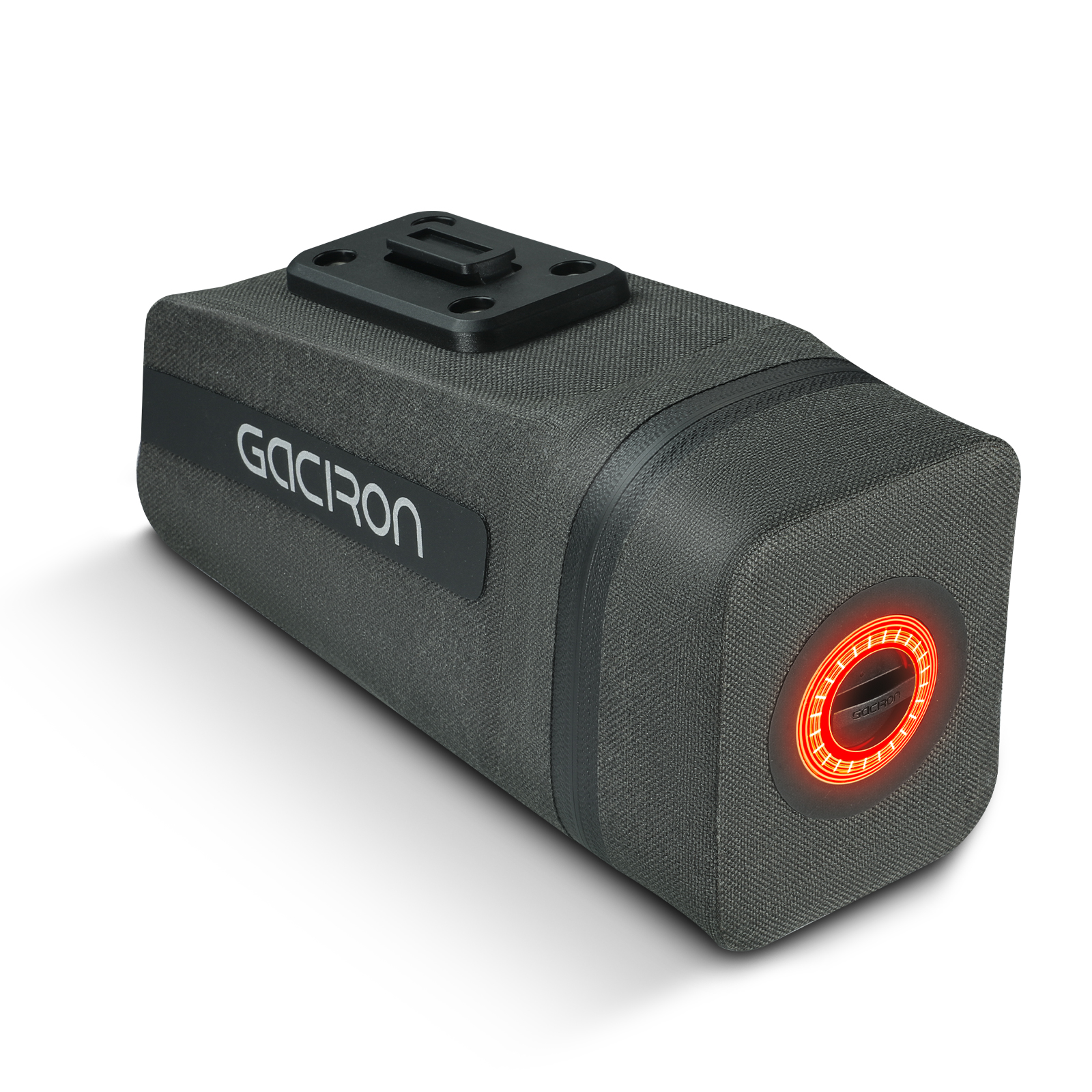
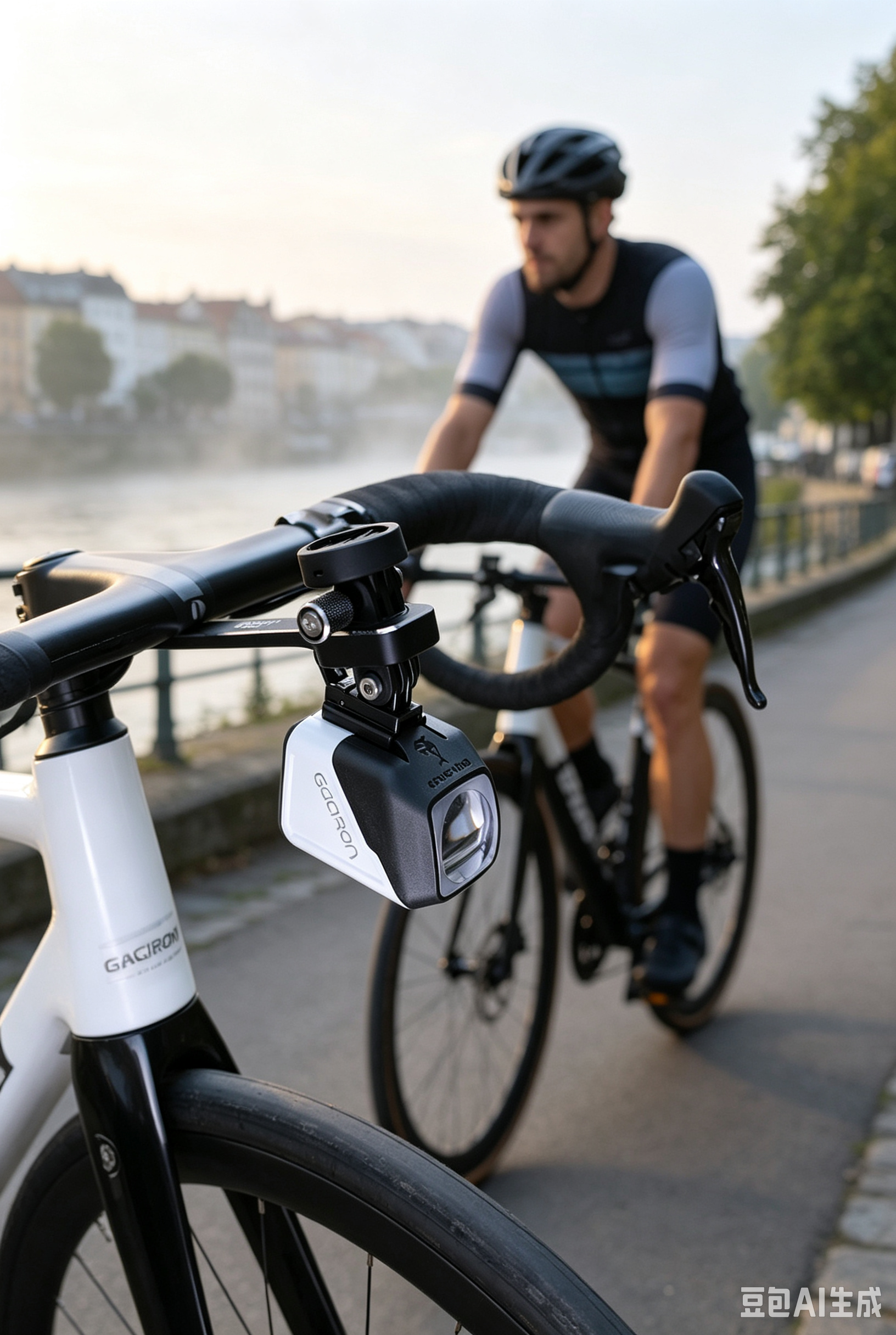
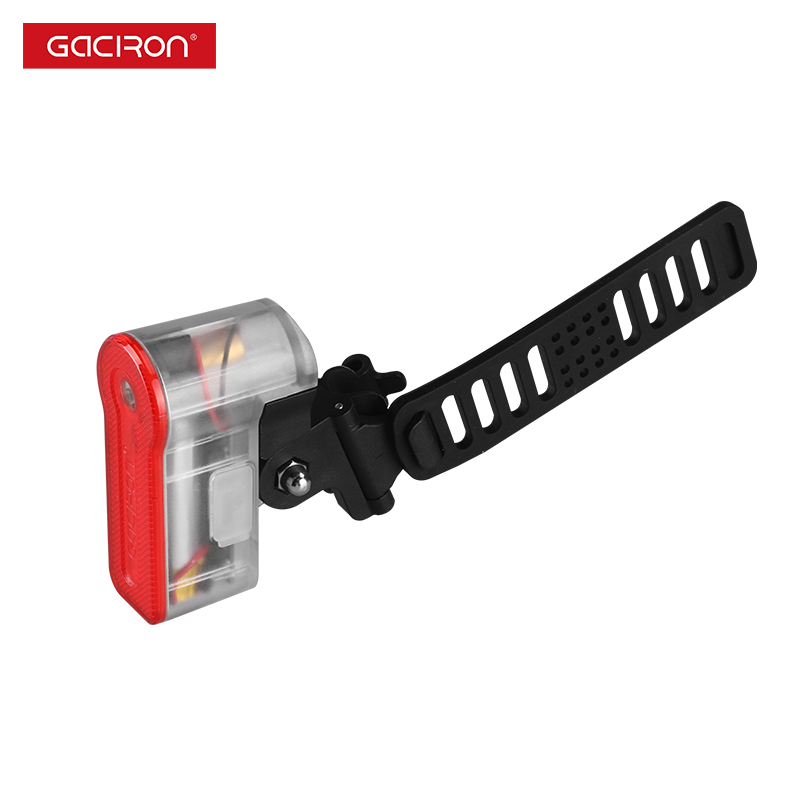
By leveraging our deep-seated R&D expertise in optical lighting design (exemplified by high-lumen, smart brake-sensing systems like the Gaciron W03AW and LOOP-100 series) alongside precise metal fabrication, we provide fully unified rear rack assemblies. Internal cable routing channels molded into aluminum side-rails allow power cables to connect smoothly to e-bike batteries or integrated lithium power banks without external clutter or moisture exposure risks.
2. Carbon Frame Compatibility and Universal Mounting Adapters
As carbon fiber gravel bikes and lightweight road commuters capture expanded market share, conventional eyelet-mounted rear racks face mounting limitations. Frame manufacturers frequently avoid drilling threaded mounting eyelets into ultra-light carbon seatstays. The procurement trend rapidly leaning forward involves rear rack designs equipped with engineered axle-pass-through mounts (utilizing hard-anodized 7075 aluminum thru-axles) combined with rubberized seatstay clamps. This transfers cargo weight directly to the solid rear axle shaft rather than placing shear stress on delicate carbon frame walls.
3. Technical Manufacturing Trends in Rear Rack Fabrication
To sustain market dominance and deliver flawless OEM reliability, manufacturing methodologies have undergone a complete automated transformation. Traditional manual torch welding is being replaced by automated robotic TIG/MIG welding cells, 3D laser tube cutting, and computerized inspection systems.
Robotic Precision TIG Welding & Thermal Control
Aluminum alloys—specifically 6061 and 6082—are highly susceptible to thermal distortion and localized grain weakening during welding. Our production facility utilizes multi-axis robotic welding arms that precisely control heat input, wire feed rates, and bead spacing. This achieves uniform structural penetration across every joint while maintaining strict dimensional tolerances (±0.3mm across mounting mounting eyelet centers).
Following welding, rear rack structures undergo artificial aging treatments (T4 to T6 temper processing) in automated thermal furnaces. This critical step restores full mechanical tensile strength (yielding ultimate tensile strength ≥ 290 MPa) and guarantees that welded rear racks will not deform under severe operational stress.
Advanced Surface Treatments: Electrostatic Powder Coating vs Anodizing
Environmental durability is a paramount quality benchmark for commercial and urban utility bicycles. B2B clients demand surface finishes capable of surviving extreme weather, road salt, and abrasive wear. Our manufacturing plant provides two high-performance finishing pipelines:
- Architectural-Grade Electrostatic Powder Coating: Formulated with UV-stabilized polyester resins, providing a thick, impact-resistant shield (80–120 microns) that prevents chipping even when heavy metal pannier hooks slide continuously along the rack rails.
- Hard-Coat Anodizing (MIL-A-8625 Type III): Delivers an exceptionally hard, corrosion-resistant surface layer integrated directly into the aluminum substrate. Ideal for ultra-light gravel and high-end road bike rear carriers where weight saving and sleek aesthetics are top priorities.
All finished coatings undergo rigorous 168-Hour Neutral Salt Spray (NSS) corrosion testing in accordance with ISO 9227, ensuring zero rust, blistering, or surface degradation over years of outdoor usage.
4. Enterprise Strengths & Manufacturing Excellence: Shenzhen QUZR Technology
When selecting a primary OEM/ODM partner for global bicycle rear rack and cycling accessory programs, brand reliability, manufacturing infrastructure, and quality control systems are non-negotiable. Operating as a verified source manufacturer in Shenzhen, China since 2009, Shenzhen QUZR Technology Co., Ltd. brings unmatched technical capability and operational transparency to global procurement teams.
9,350 m² Industrial Base
Our expansive production center operates 8 standardized dust-free assembly lines alongside dedicated CNC machining workshops, metal processing zones, and automated testing labs.
50+ CNC Machining Centers
High-precision multi-axis CNC machines enable custom tooling, rapid prototyping of complex aluminum mounting brackets, top plates, and integrated lighting housings with sub-millimeter accuracy.
200,000 Monthly Capacity
Robust operational scale ensures consistent batch-to-batch output, allowing us to seamlessly support high-volume OEM production schedules for major international distributors.
Uncompromising Quality Control Protocols & Test Bench Validation
Quality assurance is embedded in every stage of our manufacturing workflow. Before any batch of bicycle rear racks or integrated electronic gear leaves our Shenzhen plant, it passes through a multi-stage quality gate system:
- Incoming Material Spectrometry: Raw aluminum tubing and alloy ingots undergo chemical composition verification to ensure zero scrap-metal contamination and strict adherence to AL-6061/6082 standards.
- In-Line Finite Element Analysis (FEA) Verification: CAD structural designs undergo simulated stress testing prior to tooling casting, pinpointing maximum shear stress regions.
- Vibrational Fatigue & Load Impact Testing: Production samples are subjected to dynamic vertical load oscillation tests under 120% rated payload for 200,000 continuous cycles.
- Environmental Waterproof & Thermal Shock Chambers: Integrated lighting components and smart electronic modules undergo IPX6 powerful water-jet testing and thermal cycling (-20°C to 65°C).
With a buyer reorder rate exceeding 40%, an average export inquiry response time under 3 hours, and a dedicated team of over 100 skilled engineers and assembly professionals, we provide overseas buyers with complete supply chain peace of mind.
5. Comprehensive FAQ for B2B Procurement & OEM Buyers
To assist procurement managers, product development teams, and brand executives in evaluating manufacturing partnerships, we have compiled detailed responses to the most frequent technical and trade questions.
Partner with a World-Class Rear Rack & Accessories Manufacturer
Ready to upgrade your product lineup with heavy-duty cargo carriers, custom OEM rear racks, or integrated smart safety equipment? Request a comprehensive technical quote and engineering consultation today.
Get a Quote