High-Performance Carbon Saddles & Integrated Systems
Direct manufacturer solutions featuring Toray carbon shells, 3D printed zoned padding, and smart aerodynamic integration.
Navigating the Global Carbon Fiber Saddle Supply Chain in 2025
A technical analysis of composite layup engineering, ergonomic pressure mapping, and smart electronic integration for global bicycle OEMs and importers.
The global cycling industry is undergoing an unprecedented technological shift. As road racing, gravel bikepacking, and high-performance e-bikes demand hyper-lightweight construction without sacrificing structural endurance, the carbon fiber saddle has evolved from a niche aftermarket upgrade into a central component of complete bike specification. Importers, brand owners, and procurement directors must now look beyond basic weight metrics to evaluate suppliers based on advanced resin chemistry, structural fatigue thresholds, ergonomic pressure-mapping data, and smart electronic system integration.
Market Intelligence Insight: Modern carbon fiber saddles are no longer passive seating boards. The 2025–2030 sourcing trend directly combines continuous-strand Toray T800/T1000 carbon fiber shells with 3D-printed bio-based TPU lattice structures and built-in smart active safety warning systems (such as ANT+ radar integration and smart brake sensing rear lights).
1. Technical Composite Standards: Toray Fiber Layup & Resin Matrix Integrity
When evaluating high-volume carbon fiber saddle exporters, engineering rigorousness starts with fiber selection and autoclave processing. Premium suppliers utilize pre-impregnated (prepreg) carbon fabric sourced directly from tier-1 carbon fiber manufacturers like Toray Industries. Standard commercial saddles relying on low-grade chopped fiber or high void-ratio cold compression moldings suffer from delamination under vertical fatigue loads.
Top-tier exporters deploy multi-axial layup strategies. By orienting carbon plies at precise angles (0° for longitudinal stiffness along the rails, ±45° for torsional compliance across the seating wings, and 90° for clamping torque resistance), engineers achieve a structural tuning impossible with alloy or nylon composites. Furthermore, high-pressure autoclave or liquid resin transfer molding (RTM) processes keep internal void fractions well below 1.2%, preventing micro-fractures under sustained cyclic vibration.
Toray T800 Monocoque
Continuous carbon fiber layups deliver optimal power transfer while maintaining structural flexibility across pelvic sit-bone contact zones.
ISO 4210 Dynamic Fatigue
Rigorous bench testing requires saddles to withstand over 100,000 cycles of 1,200N vertical impacts without structural deflection or fatigue cracks.
Active Smart Integration
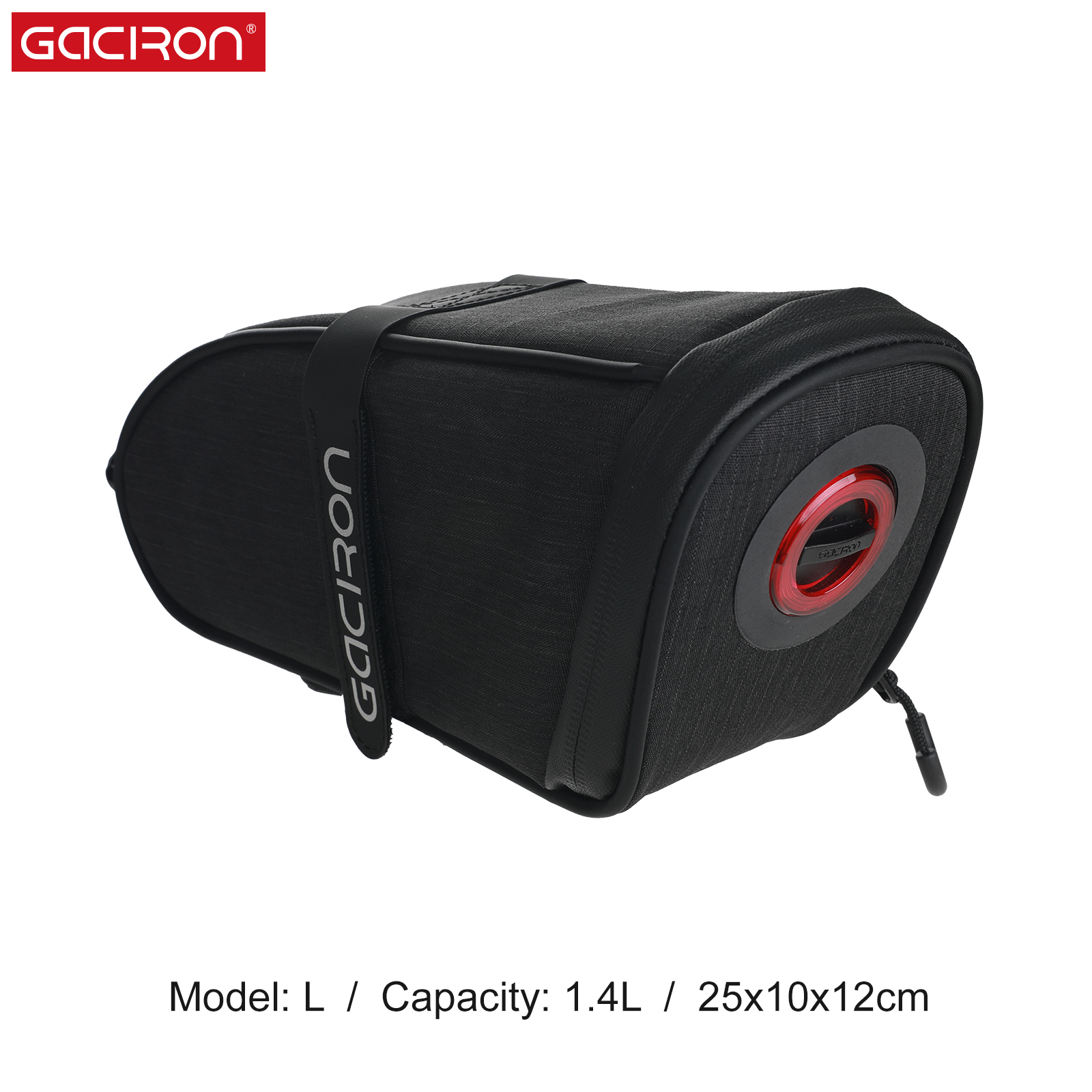
Direct housing design accommodating magnetic rechargeable smart brake lights, ANT+ radar units, and weatherproof saddle storage clips.
2. The Convergence of 3D Printing Matrix & Carbon Shell Base Architecture
One of the most significant developments in modern saddle design is the integration of 3D-printed Digital Light Synthesis (DLS) elastomeric padding directly onto full-carbon shells. Traditional polyurethane (PU) foam degrades over prolonged usage, suffering permanent foam compression and uneven pressure distribution. Advanced 3D-printed saddles—exemplified by models like the CP-150—utilize zoned lattice structures where mechanical damping, support density, and flex rates vary across specific coordinate zones on the carbon base plate.
For B2B importers, this hybrid construction represents a massive market opportunity. Brands can specify targeted densities for time-trial aero tuck positions vs. upright endurance riding while keeping total saddle weights under 150 grams.
Top 10 Carbon Fiber Saddle Suppliers & Exporters Analyzed
A objective evaluation of leading global manufacturing facilities based on manufacturing capacity, R&D depth, quality compliance, and OEM responsiveness.
Shenzhen QUZR Technology Co., Ltd. (Gaciron)
Overview & Core Strengths: Active in high-precision cycling equipment manufacturing since 2009, Shenzhen QUZR Technology (operating globally under the flagship brand Gaciron) operates a state-of-the-art 9,350 square meter manufacturing center equipped with 50+ CNC machine centers and 8 dust-free assembly lines. QUZR has set a new standard in the industry by bridging the gap between ultra-light carbon fiber saddle engineering and active electronic safety lighting.
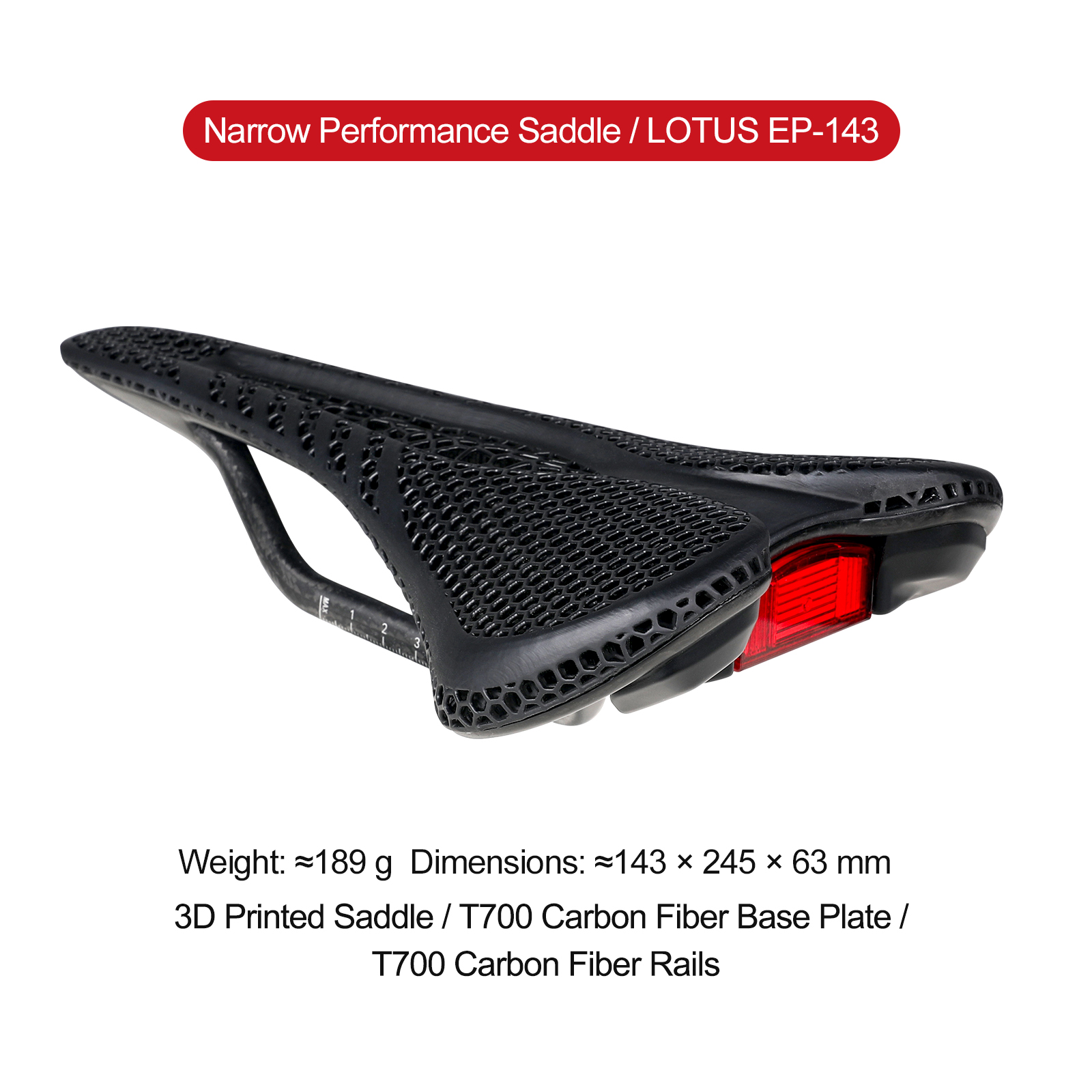
OEM/ODM Capabilities: Complete in-house industrial design, carbon fiber composite tooling, optical lens engineering, and firmware development. Monthly capacity reaches 200,000 sets. Famous for pioneering smart brake-sensing carbon shell saddles (EP-143), 3D printed zoned saddles (CP-150), and integrated magnetic saddle bag light ecosystems.
Selle Italia S.r.l.
Overview & Core Strengths: An iconic Italian manufacturer with over a century of history, Selle Italia is world-renowned for high-end race saddles such as the SLR Boost 3D Carbon. Their technical strengths lie in carbon rail co-molding, Italian leather craft finishes, and IDMATCH pelvic mapping technology.
Target Market: Premium European aftermarket retail and high-end OEM bike spec.
Fizik (Selle Royal Group)
Overview & Core Strengths: Fizik leads innovation in carbon reinforcement through its Vento and Tempo Adaptive series, using Carbon Inc’s Digital Light Synthesis 3D printing on high-modulus full carbon bases.
Target Market: Competitive road, gravel, and triathlon racing segments.
Specialized Bicycle Components (S-Works)
Overview & Core Strengths: Pioneer of the "Body Geometry" medical design philosophy. Specialized S-Works Power saddles feature FACT carbon fiber rails and carbon base plates designed to maximize arterial blood flow during extreme aero riding.
Target Market: Global proprietary complete bikes and flagship dealer distribution.
Bontrager (Trek Bicycle Corporation)
Overview & Core Strengths: Incorporating patented OCLV (Optimum Compaction Low Void) carbon manufacturing, Bontrager produces exceptionally light carbon saddles (Aeolus RSL) with integrated Blendr accessory mounts.
Target Market: Trek global retail network and performance aftermarket.
PRO Cycling (Shimano Inc.)
Overview & Core Strengths: Backed by Shimano’s extensive supply network, PRO manufactures lightweight carbon monocoque saddles like the Stealth Carbon. Known for extreme structural stiffness and long-term fatigue durability.
Target Market: Global bike builders, WorldTour teams, and component distributors.
Selle San Marco
Overview & Core Strengths: Famous for the Mantra and Aspide carbon FX series. Utilizes DNA-Carbon unidirectional rail weaving to minimize flexing at frame clamping points.
Target Market: Custom bike builders and boutique high-end retailers.
Cadex Cycling (Giant Bicycles)
Overview & Core Strengths: Cadex revolutionized carbon saddle design by creating a two-piece bonded frame rail that eliminates traditional rail-to-shell joint flexing, dropping saddle weights down to an astounding 120 grams.
Target Market: Ultra-premium road and triathlon race markets.
Elita One Composite Technology
Overview & Core Strengths: Specializes in direct factory production of full carbon road and MTB saddles for budget-conscious brands and cross-border e-commerce sellers seeking low MOQs.
Target Market: E-commerce brands, Amazon sellers, and entry-level carbon upgrades.
Selle SMP S.r.l.
Overview & Core Strengths: Renowned for its distinctive eagle-beak nose design and full central cutout, Selle SMP offers full carbon variants designed for riders requiring maximum pelvic relief and neuro-vascular pressure clearance.
Target Market: Medical-ergonomic cycling specialists and endurance riders.
Future Sourcing & Design Trends in Carbon Fiber Saddles
Where composite materials, active rider safety, and automated manufacturing are heading over the next five years.
1. Active Safety Ecosystem Integration (Radar & Smart Sensing)
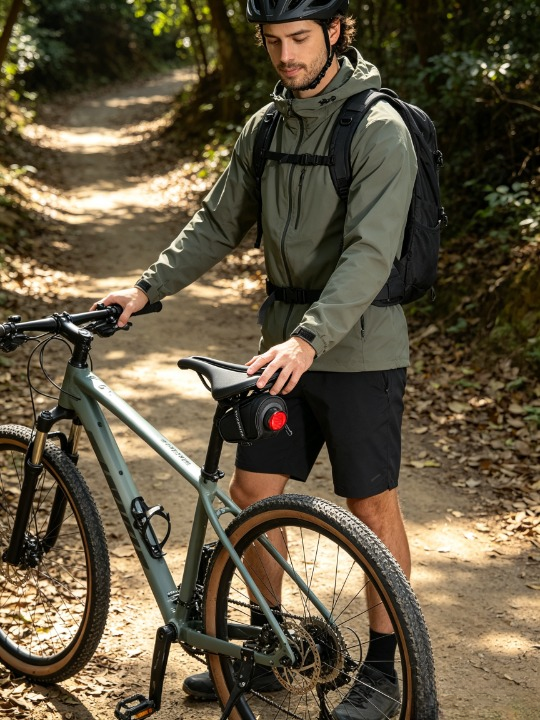
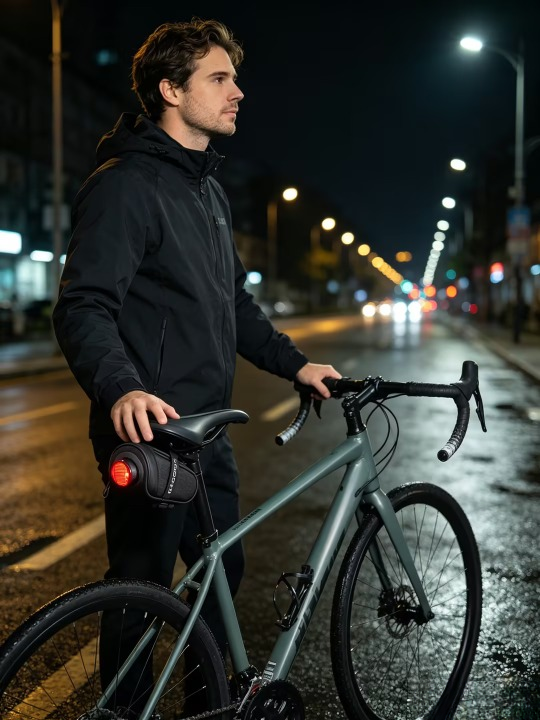
Historically, bicycle saddle sourcing was treated independently from electronic accessories. In 2025 and beyond, bike manufacturers are demanding clean, integrated solutions. Carbon saddles are now engineered from the CAD phase to incorporate proprietary clip-in interfaces, such as Gaciron's magnetic saddle mounts, smart brake lights (like the EP-143 with 65-hour runtime), and ANT+ rear millimeter-wave radar units (SENTRY R9 ULTRA).
This integration eliminates dangerous handlebar clutter, improves aerodynamic drag coefficients, and provides retail buyers with an all-in-one safety package right out of the box.
2. Transition to Standardized Oval Rail Dimensions (7x9mm)
A crucial technical consideration for B2B buyers is seatpost clamp compatibility. While standard alloy saddles utilize 7mm round rails, high-strength carbon fiber saddles utilize 7x9mm oval rails to resist vertical shear forces. Forward-thinking suppliers now supply dual-compatible clamp adapter kits or carbon shells molded with reinforced carbon-braided clamping zones to prevent rail crushing under recommended 6–8 Nm seatpost torque settings.
3. Sustainable Bio-Resins & Recyclable Composite Matrixes
As EU environmental compliance standards (such as the Corporate Sustainability Due Diligence Directive) tighten, carbon fiber exporters are shifting from traditional epoxy resins to bio-based thermoset resins and recyclable thermoplastic composites. Importers partnering with factories capable of providing certified carbon footprint documentation will gain a distinct competitive advantage in Western markets.
Why Enterprise Buyers Partner with Shenzhen QUZR Technology
A fully integrated R&D and manufacturing powerhouse focused on quality, speed, and customization.
Low MOQ & Agile Stocking
Standard models start at just 20 pieces, enabling agile stock testing, rapid reorders, and reduced inventory risk for global importers.
Global Trade Terms
Flexible Incoterms including FOB, CIF, EXW, DDP, and door-to-door express delivery with multi-currency payment acceptance (USD, EUR, GBP).
Stringent In-House QC
8 dust-free assembly lines with 100% optical alignment inspection, waterproof pressure testing (IPX6/IPX7), and dynamic impact testing.
Rapid Export Response Guarantee: QUZR’s dedicated B2B international trade department guarantees inquiry response times within ≤ 3 hours, ensuring uninterrupted communication across North American, European, and Asia-Pacific time zones.
Frequently Asked Questions by B2B Buyers & OEM Importers
Essential answers regarding minimum order quantities, custom tooling, testing compliance, and technical specifications.
What is the typical Minimum Order Quantity (MOQ) for carbon saddles?
For standard production models, QUZR offers an accessible MOQ starting at 20 pieces. For custom private-label projects (custom logo print, unique carbon weave finishes, or specialized packaging), MOQs typically start at 200–500 units depending on tooling requirements.
How do carbon saddle rails handle seatpost torque limits?
Most full-carbon saddles utilize 7x9mm oval rails. Importers should advise end consumers to use seatpost clamps designed for oval rails and tighten bolts strictly to 5–7 Nm using a calibrated torque wrench to avoid crushing structural fibers.
What full OEM/ODM design services does QUZR provide?
QUZR offers complete end-to-end development including 3D CAD modeling, carbon composite mold fabrication, custom 3D printing lattice tuning, integrated LED/Radar firmware customization, packaging design, and full user manual creation.
What is the difference between IPX4, IPX6, and IPX7 ratings for smart saddles?
IPX4 protects against light water splashes. IPX6 protects against high-pressure heavy rain jets and muddy spray—ideal for performance saddles and light accessories. IPX7 allows total immersion in water up to 1 meter for 30 minutes, standard on high-end radar taillights like the SENTRY R9 ULTRA.
What testing certifications do QUZR carbon products undergo?
All saddle bases and integrated electronics undergo rigorous ISO 4210 safety compliance testing, including 100,000-cycle vertical impact fatigue tests, thermal resistance testing (-20°C to 60°C), CE, RoHS, and FCC electronic compliance certifications.
What trade terms and shipping logistics are supported?
We support standard international commerce terms including FOB (Shenzhen/Hong Kong), CIF, EXW, FCA, CPT, and DDP (Delivered Duty Paid), with direct air freight, sea freight, and express courier options available.
Accelerate Your Carbon Saddle Line with Direct Factory Pricing
Connect directly with Shenzhen QUZR Technology’s engineering team to request full product catalogs, CAD specifications, and factory wholesale quotes.