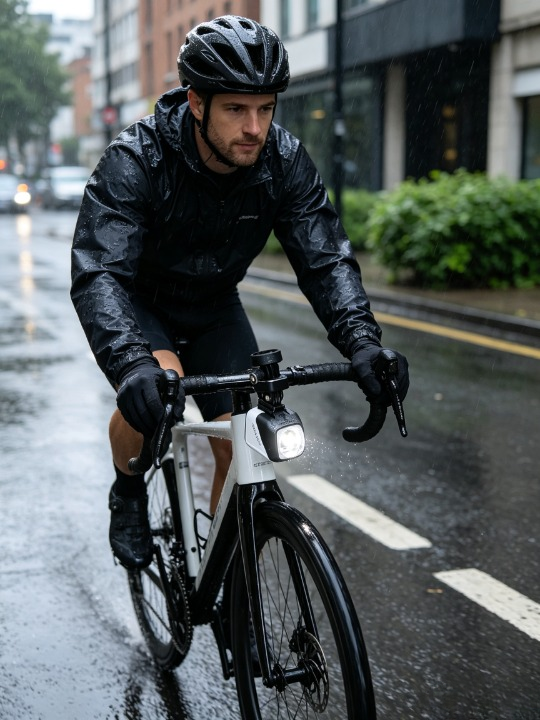
Recommended Integrated Lighting & Mounting Systems
Precision-engineered aluminum alloy and composite bracket holders featuring aerodynamic profiles, quick-release locking mechanisms, and anti-vibration damping.
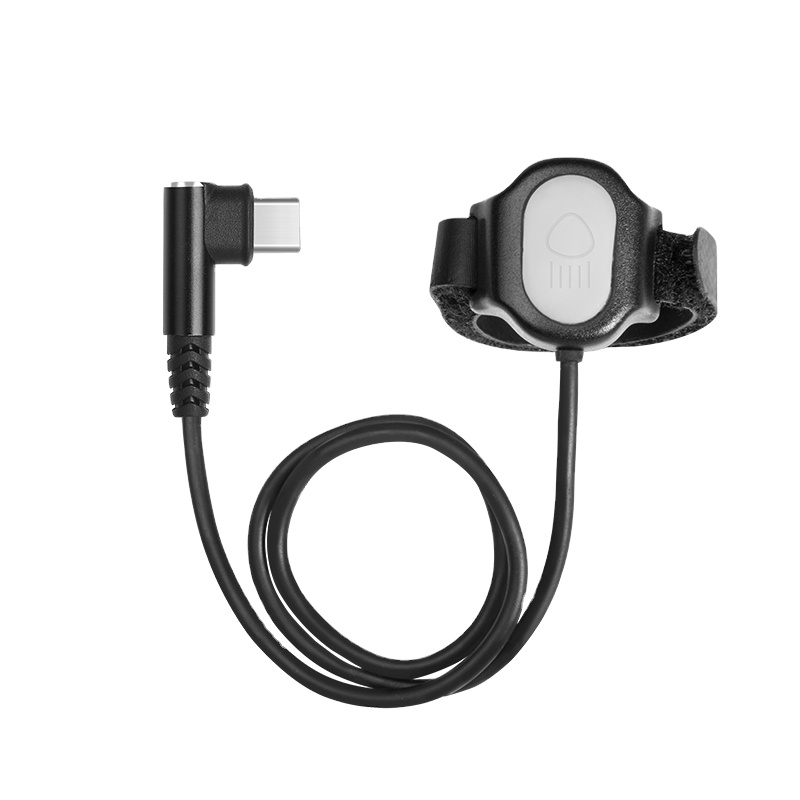
Gaciron R03 Wire Remote Flashlight for Road Bike Light-Battery Powered Plastic Headlights Accessories
View Product Details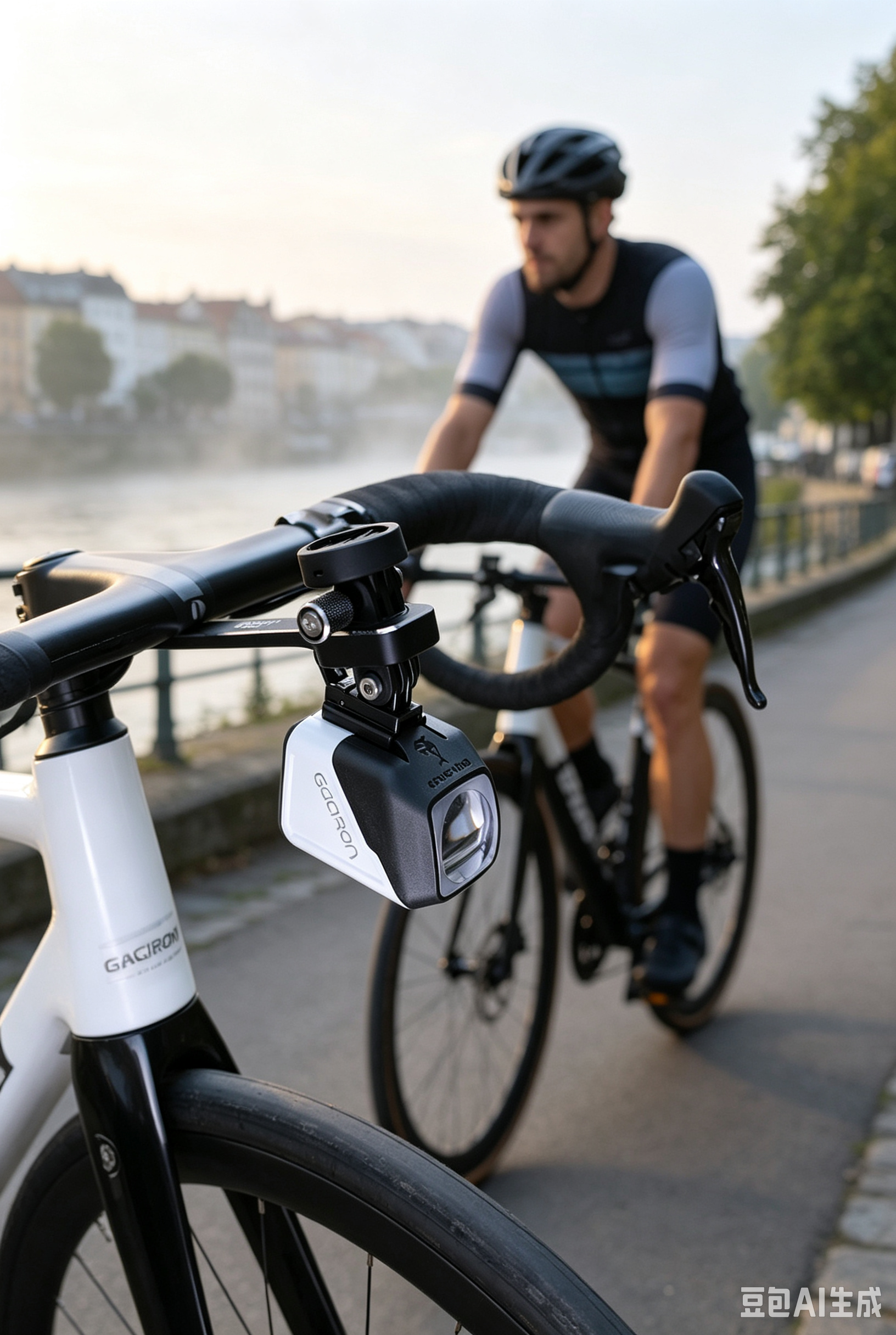
Gaciron Cetus-1700 Whale-Inspired Bike Headlight USB Rechargeable LED Lights IPX6 Waterproof 6 Modes Night Riding
View Product Details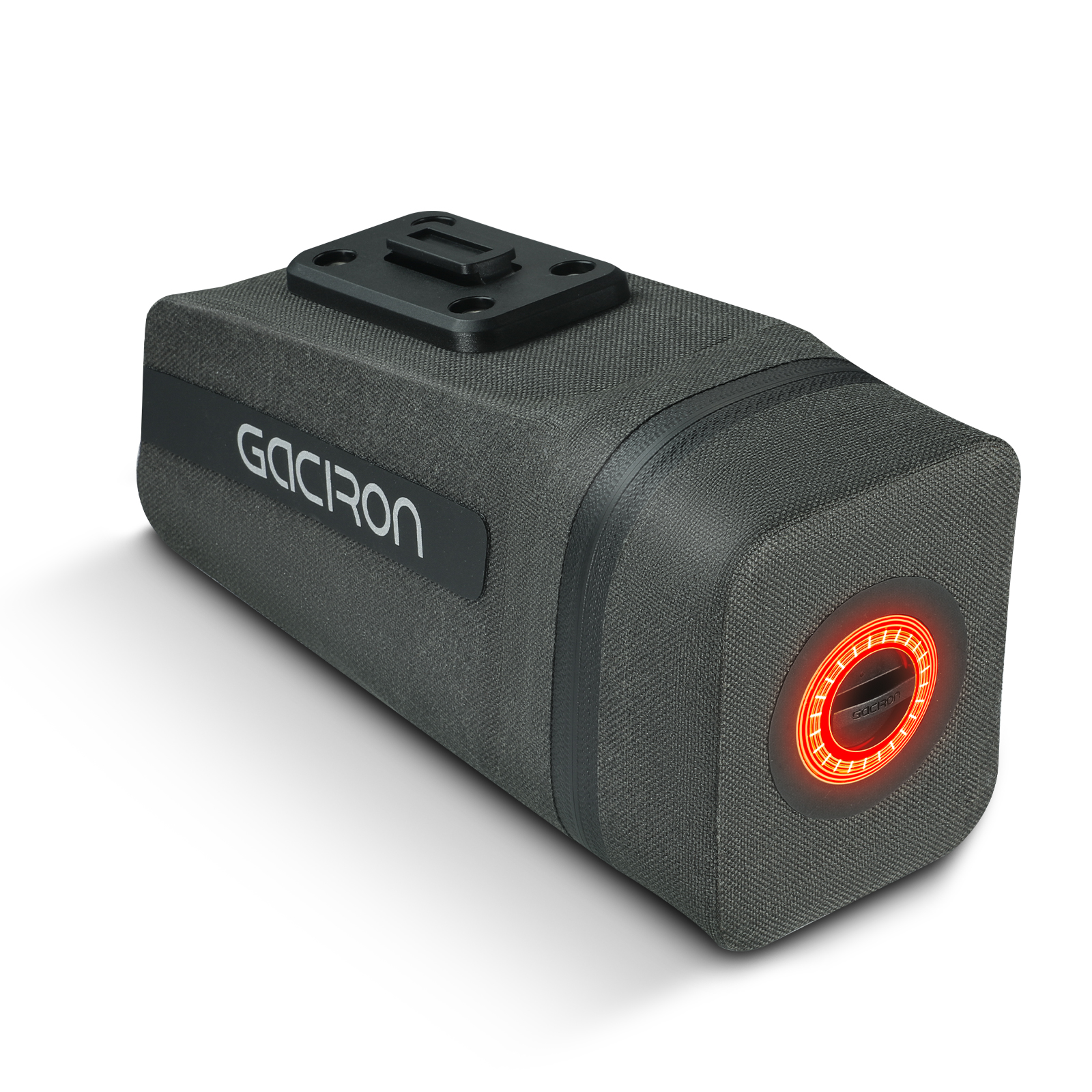
Gaciron Bird Nest-200 Waterproof Road Bike Rear View Mirror Bag-Cycling Outdoor Bicycle Accessories
View Product Details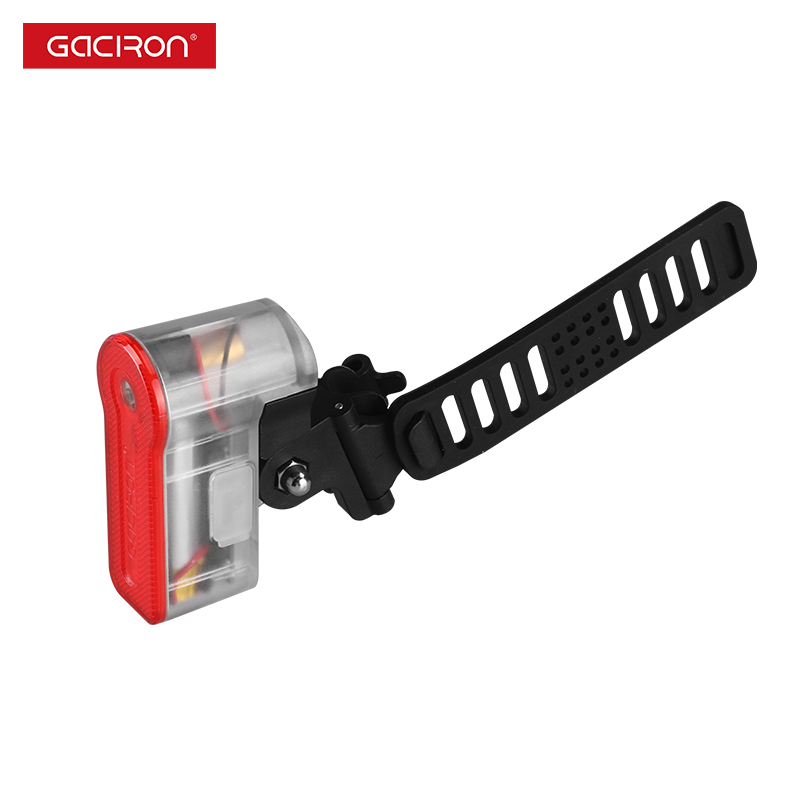
Gaciron W03AW 30LM Smart Laser Brake Taillight Rechargeable Battery IPX6 Waterproof >100h Runtime Super Bright Emergency Night
View Product Details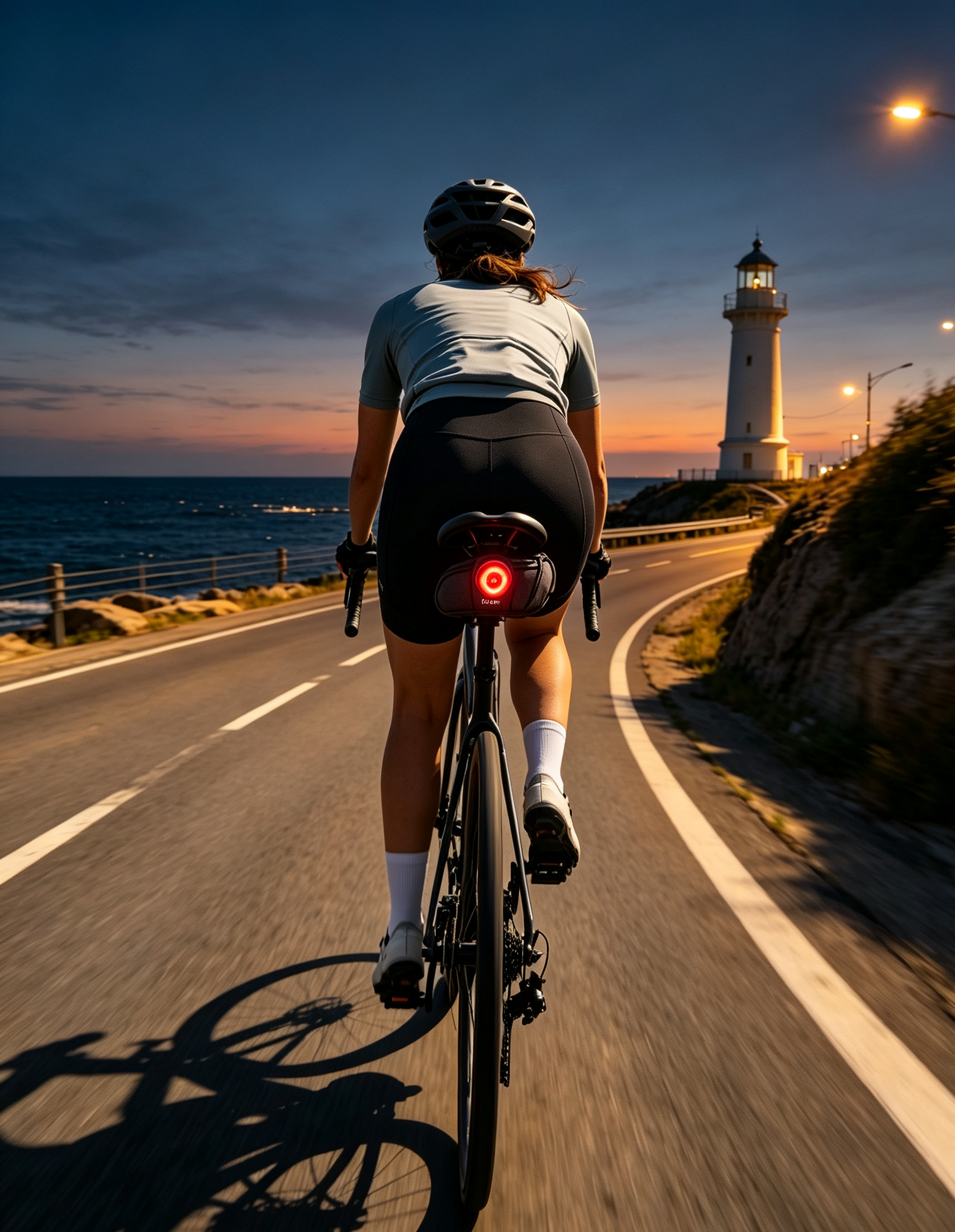
Gaciron BIRD NEST-300 Road Bike Saddle Bag with Magnetic Mount 100LM High Brightness Battery Compatible for City Mountain Bikes
View Product Details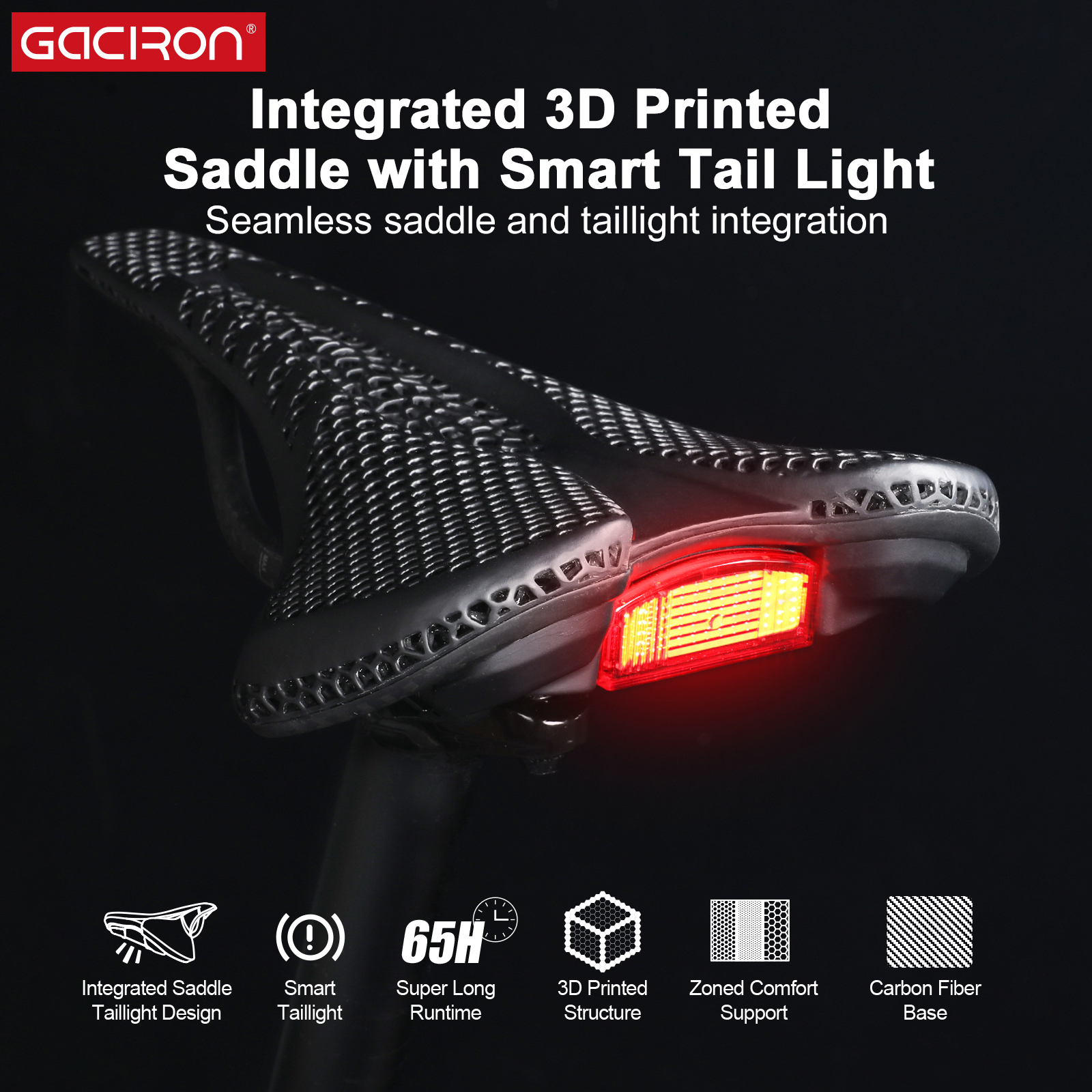
Gaciron EP-143 Bike Accessories Integrated Saddle Taillight T700 Carbon IPX6 bicycle Accessories Durable 65H Runtime Smart Brake
View Product Details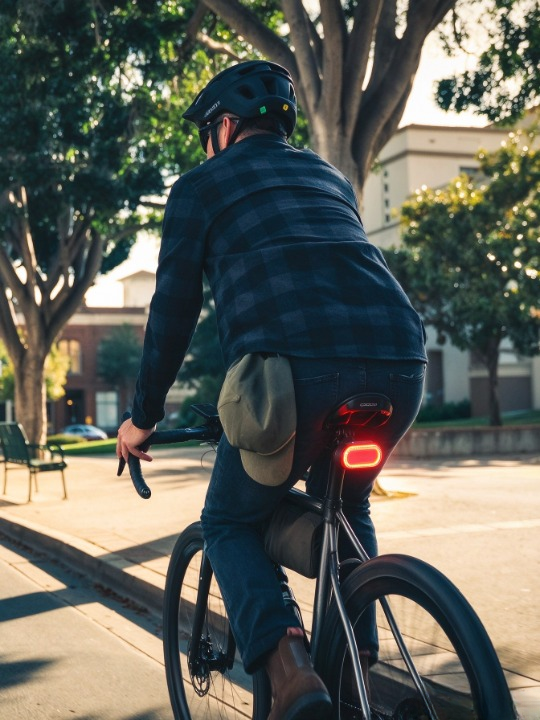
Gaciron SENTRY R9 ULTRA Smart Radar Bicycle Rear Light ANT+ Compatible 100 Lumen LED Brake Tail Lamp IPX7 Waterproof Cycling
View Product Details9,350 m²
CNC & Manufacturing Facility
50+
High-Precision CNC Centers
200,000
Monthly Unit Capacity
ISO 9001
Quality & IPX6 Certified
1. Technical Engineering of Bicycle Light Bracket Holders
In modern bicycle accessory manufacturing, the light bracket holder serves as the critical structural interface between the vehicle chassis (handlebars, fork crown, seatpost, or integrated cockpit) and high-lumen illumination units. As bicycle front lights scale upward in power output (reaching 2,000 to 3,000 lumens) and thermal mass, bracket holders must sustain dynamic vibrational loads, high impact forces, and harsh atmospheric exposure without losing directional alignment or structural integrity.
Original Equipment Manufacturers (OEM) and Original Design Manufacturers (ODM) prioritize structural mechanics, material selection, and quick-release tolerances to ensure user safety and compliance with international standard ISO 4210-5 (Safety Requirements for Bicycles: Steering Tests). Standardized mounting interfaces have evolved beyond generic silicone bands toward precision CNC-machined 6061-T6 aluminum alloys and glass-fiber reinforced polyamides (PA66-GF30).
Structural Mechanics & FEA Optimization
Utilizing Finite Element Analysis (FEA), OEM engineers simulate stress concentrations during high-frequency trail vibration (up to 50 Hz). Structural ribbing and radius optimization prevent fatigue failure at clamp stress joints, maintaining structural integrity under 10G impacts.
Material Metallurgy: 6061-T6 vs PA66-GF30
High-end out-front light brackets employ aircraft-grade 6061-T6 aluminum alloy with hard anodization (thickness 12–15 µm). For lightweight urban mounts, 30% short-glass-fiber reinforced PA66 offers an optimal strength-to-weight ratio with superior impact damping.
Vibration Attenuation & Clamp Torque
Integrated Thermoplastic Polyurethane (TPU) inserts absorb micro-vibrations from cobbles and trail chatter, preventing bracket rotation around round handlebars (31.8mm and 35mm standards) at recommended fastener torque limits (2.5 to 3.0 N·m).
Information Gain Insight: Modern OEM bicycle light brackets are no longer passive clamping hardware. Advanced designs incorporate thermal dissipation pathways—acting as secondary heat sinks for aluminum light bodies—and modular interface adapters compatible with GoPro action camera mounts, Garmin computer out-front setups, and integrated aero handlebars.
2. Future Sourcing & Development Trends for Light Bracket Holders
The global bicycle component procurement landscape is shifting rapidly driven by the acceleration of Electric Bicycles (E-bikes), integrated carbon cockpits, smart light radars, and strict international road safety mandates (such as Germany's StVZO standard). Sourcing managers must align product roadmaps with upcoming hardware evolutionary vectors.
Key Trends Shaping OEM/ODM Light Bracket Sourcing (2025–2030)
Integrated Aero Cockpit Compatibility
Traditional round handlebar clamps cannot mount on aerodynamic integrated carbon bar-stem combos. Future procurement demands direct underside bolt-mounting bracket holders engineered specifically for custom stem faceplates and dual M5 bottom bolt locations.
E-Bike Direct-Voltage Step-Down Mounts
With E-bikes accounting for over 40% of European utility cycling sales, light bracket holders are increasingly designed with integrated step-down converters (6V-60V input to 5V/12V output) and fork-crown structural mounts capable of enduring heavier vehicular masses.
Quick-Release Universal Quick-Lock Ecosystems
Proprietary mounting systems cause customer friction. Sourcing trends prioritize standardized mechanical interfaces—such as quarter-turn twist locks, magnetic-mechanical hybrid latches, and GoPro-compatible 2-prong hinge interfaces.
Eco-Friendly Composite & Recycled Aluminum
Global brands are prioritizing green supply chains. Factories providing low-carbon forged 6061 recycled aluminum or bio-based polyamides with carbon footprint traceability gain strategic sourcing preferences in EU and North American bids.
Technical Specification Matrix: Light Bracket Holder Materials
| Material / Technology | Tensile Strength (MPa) | Vibration Resistance | Weight Profile | Target Riding Category | Manufacturing Lead Time |
|---|---|---|---|---|---|
| 6061-T6 CNC Aluminum | ≥ 310 MPa | Exceptional (with TPU shim) | 35g – 55g | Road, MTB, Gravel, E-Bike | 15–25 Days |
| PA66-GF30 Composite | ≥ 175 MPa | High (Inherent damping) | 22g – 38g | Urban Commute, Trekking | 20–30 Days (Tooling) |
| Carbon Fiber T700 / Molded | ≥ 490 MPa | Ultra-High rigidity | 18g – 28g | Pro Road Racing, Aero Cockpit | 30–40 Days |
| Direct Fork-Crown Stainless (304) | ≥ 520 MPa | Maximum Load Capacity | 65g – 95g | Cargo E-Bikes, Heavy Utility | 10–20 Days |
3. Enterprise Manufacturing Capabilities & Quality Ecosystem
Shenzhen QUZR Technology Co., Ltd. (operating under renowned brands including Gaciron) has been a specialized manufacturer and product developer in the bicycle illumination and mounting accessory sector since 2009. Operating a state-of-the-art 9,350 square meter industrial facility in Shenzhen, China, the company maintains vertical control over raw material precision machining, optical lens engineering, surface anodization, and automated product assembly.
Precision CNC Milling Infrastructure
Housing over 50 automated CNC machining units, QUZR produces light bracket holders with dimensional tolerances tightly held within ±0.02mm, ensuring flawless quick-release engagements and zero play under extreme road vibration.
Dust-Free Assembly & Optical Engineering
Eight standardized dust-free assembly lines operate in tandem with fully equipped optical testing labs, integrating integrating spheres, goniophotometers, and environmental test chambers for IPX6/IPX7 ingress testing.
In-House Industrial Design & ODM Fast-Track
From initial 3D STP files to functional CNC prototypes in as little as 5 working days. Complete ODM capabilities include FEA structural simulation, custom mold making, and private label packaging design.
Strict Reliability & Quality Assurance
Every bracket design undergoes rigorous fatigue testing (100,000 cycle dynamic drop vibration test), salt spray corrosion evaluation (96-hour ASTM B117), and thermal cycling (-20°C to +65°C).
4. Procurement & Sourcing FAQ (B2B Buyer Guide)
Direct answers to technical, logistics, and customization queries frequently raised by procurement officers, OEM brand managers, and global importers.
What is the standard Minimum Order Quantity (MOQ) for OEM/ODM light bracket holders?
For standard catalog bracket models with custom laser-etched branding or custom anodized finishes, the MOQ starts as low as 20 to 100 units depending on existing stock. For full custom ODM tooling projects (such as proprietary aero handlebar brackets or unique quick-release latches), the standard MOQ is typically 1,000 to 3,000 units to amortize mold investment.
Can bracket holders be customized to fit integrated carbon handlebars (e.g., Canyon, Specialized, Trek)?
Yes. QUZR provides specialized engineering services to design custom underside faceplate adapters and dual M5 screw mounts. By utilizing CAD modeling based on manufacturer handlebar blueprints, we create custom light and computer out-front mounts tailored specifically for non-round aerodynamic cockpits.
What testing standards do your light bracket holders comply with?
All mounting brackets pass ISO 4210-5 structural vibration and strength tests. Furthermore, aluminum bracket hardware undergoes 96-hour neutral salt spray testing (ASTM B117) to guarantee zero corrosion in marine or winter salt-slush riding environments. Plastic compounds are tested for UV degradation (ISO 4892-2) to prevent yellowing or embrittlement.
What are the lead times for prototyping versus full mass production?
3D printed or CNC functional prototypes are delivered within 5 to 7 working days. Once the sample is approved and tooling is completed (20-25 days for plastic injection molds), production lead times average 25 to 35 calendar days for volume shipments of up to 50,000 sets.
How do you prevent light rotational slip on smooth 31.8mm and 35mm carbon handlebars?
Anti-slip protection is achieved through custom-molded high-friction Thermoplastic Vulcanizates (TPV) or Shore 70A TPU shim inserts. These liners feature precision micro-ribbing that bites gently into handlebar clearcoats without scratching carbon fiber layers, maintaining orientation at torque settings of 2.5 N·m.
What custom finishes and colorways are available for aluminum brackets?
We offer type II anodizing in Matte Black, Gloss Black, Silver, Anodized Red, Blue, and Oil Slick (Neochrome). Laser etching is used to apply high-precision brand logos, alignment marks, and torque specifications directly onto the bracket body.
Can bracket holders be integrated directly into E-bike display mounts?
Yes. We design dual-purpose bracket holders that physically connect to Bosch, Shimano, or Bafang center display brackets, providing a clean cockpit solution that eliminates handlebar clutter and aligns the beam directly along the vehicle centerline.
What international trade terms (Incoterms) and payment methods are supported?
We support FOB Shenzhen, EXW, CIF, DDP (Delivered Duty Paid), and FCA terms. Payment options include Wire Transfer (T/T), L/C at sight, PayPal for sample orders, and credit insurance through major B2B trade platforms.
5. OEM/ODM Sourcing & Engineering Roadmap
Partnering with Shenzhen QUZR Technology follows a structured, risk-mitigated product development pathway designed to accelerate time-to-market while guaranteeing strict quality compliance.
Step 1: Engineering Brief & CAD Specification
The buyer provides 2D/3D CAD drawings (STP, IGES) or physical samples alongside required lumen payloads, clamping diameter, and target weight budget.
Step 2: DFM Analysis & FEA Simulation
Our engineering team performs Design for Manufacturing (DFM) reviews and FEA vibration simulation to optimize ribbing, wall thickness, and draft angles.
Step 3: Rapid CNC Prototyping & Field Testing
A functional prototype is milled or 3D printed within 5-7 days for laboratory load testing, fitment check, and night-riding trail evaluation.
Step 4: Tooling & Pilot Production Run
Steel mold fabrication or automated CNC jig production is initiated, followed by a pilot sample run of 50–100 units for ISO 4210 stress testing.
Step 5: Mass Production & In-Line QC
Full-scale assembly on 8 dust-free lines with 100% optical alignment check, torque tolerance testing, laser engraving, and custom box packaging.
Step 6: Global Logistics & DDP Delivery
Final export inspection followed by sea, air, or express shipment with complete compliance documentation (CE, RoHS, REACH, FCC, StVZO where applicable).
Accelerate Your Bicycle Accessory Roadmap
Partner directly with a certified source factory. Request technical datasheets, request OEM sample kits, or schedule an engineering consultation within 3 hours.
Contact Us