Featured Smart Cycling Saddles & Accessories
Explore our export-ready products manufactured under ISO 9001 certified conditions in Shenzhen, blending ergonomic carbon fiber architecture with smart electronics.
The B2B Sourcing Landscape: China Road Bike Saddle Manufacturing Architecture
The global road bicycle market is undergoing an aggressive technological paradigm shift. As endurance cycling, gravel riding, and high-performance road racing demand ultra-lightweight components, ergonomic pressure mapping, and active safety integration, traditional polyurethane (PU) foam saddle manufacturing is rapidly yielding ground to digital additive manufacturing and integrated electro-mechanical design. For global procurement directors, OEM brand managers, and cycling product sourcing leads, partnering with high-tier China wholesale road bike saddle factories and suppliers requires an in-depth understanding of engineering standards, material chemistry, and automated manufacturing pipelines.
Information Gain Key Insight: Modern OEM road saddle procurement is no longer restricted to mechanical comfort. Leading Tier-1 manufacturers are synthesizing 3D-printed Digital Light Synthesis (DLS) lattices, T700/T800 unidirectional carbon rails, and integrated COB smart motion-sensing taillights into a single unified structural platform.
In China’s primary hardware and sports manufacturing hubs—specifically Shenzhen and Guangdong province—factories have evolved from low-cost assembly lines into sophisticated R&D centers. Shenzhen QUZR Technology Co., Ltd., active since 2009, exemplifies this industrial maturation. By integrating over 50 automated CNC machines, 8 dust-free SMT assembly lines, and proprietary optical testing laboratories across a 9,350 square meter facility, tier-1 suppliers can execute complete OEM/ODM cycles with total quality control over both mechanical structures and active smart safety electronics.
Technical Evolution of Road Bike Saddles: Material Engineering & Biomechanics
To successfully market competitive road bike saddles, brands must address the primary pain point of road cyclists: soft-tissue nerve compression during sustained aerodynamic tuck positions. Traditional padded saddles rely on uniform EVA or PU foam densities, which compress flat under ischial tuberosity (sit bone) pressure, transferring high point-loads to the sensitive perineal area.
1. Additive Manufacturing: 3D-Printed Liquid Resin Lattices (TPU/EPU)
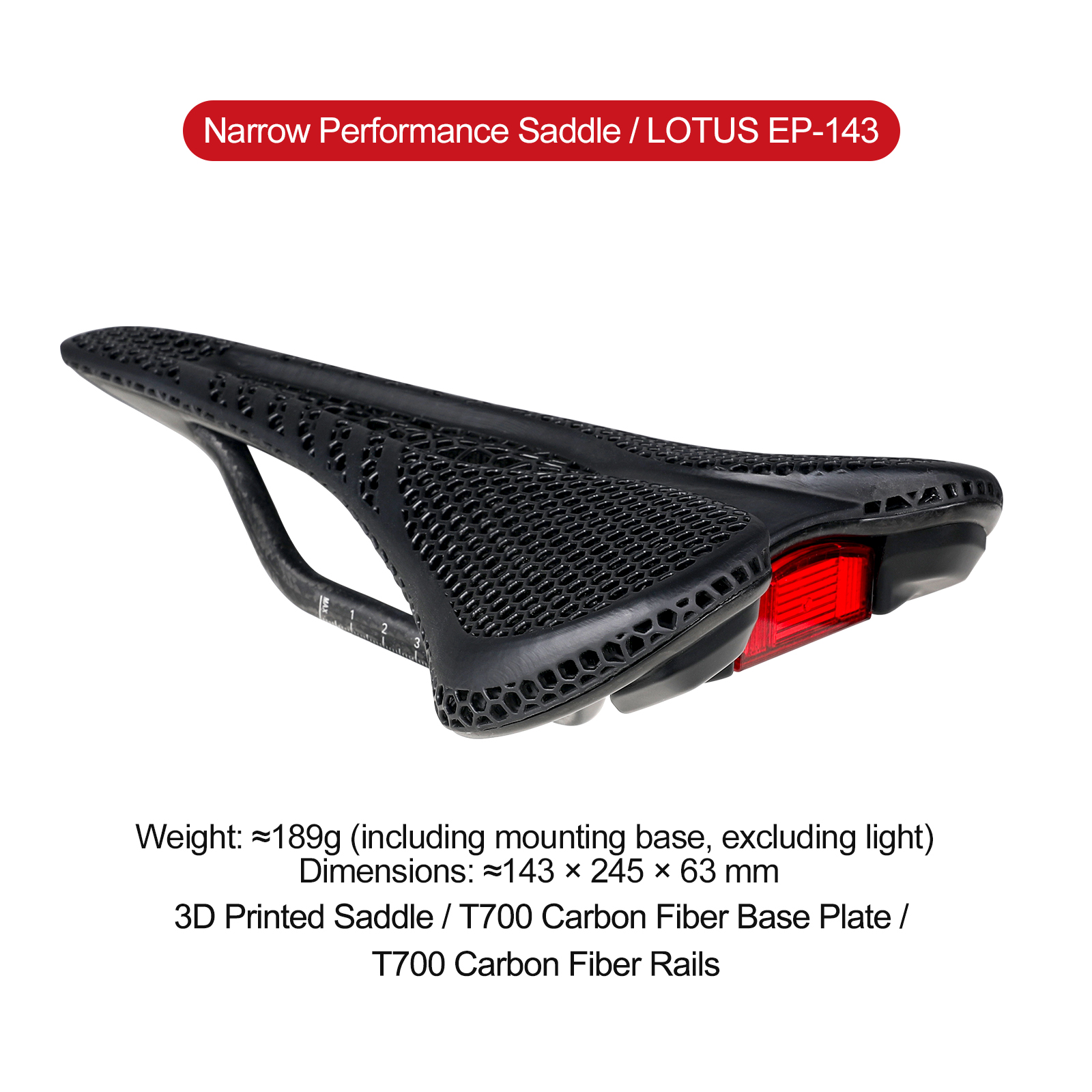
Next-generation OEM road bike saddles utilize 3D-printed Photopolymer and Elastomeric Polyurethane (TPU) lattice networks. Through localized mechanical damping algorithms, dynamic lattice structures provide variable zone-specific rebound kinetics:
- Ischial Zone (Rear): High Shore hardness lattice density providing solid skeletal support to prevent pelvic tilt and optimize energy transfer during power pedaling phase.
- Perineal Relief Channel (Center): Ultra-compliant, open-cell matrix that flexes under minimal pressure, guaranteeing continuous blood flow to soft tissues and drastically reducing numbness over 100km+ rides.
- Transitional Nose Zone (Front): Progressive dampening lattice engineered to attenuate high-frequency road vibrations transmitted through stiff carbon framesets.
2. Structural Carbon Matrix Rails & Shell Dynamics
When sourcing road bike saddles at wholesale scale, rail structural integrity dictates rider safety and product lifespan. Elite suppliers offer dual options for frame bases:
| Component Specs | T700/T800 Full Carbon Fiber Base | Nylon Fiber Reinforced Composite Base |
|---|---|---|
| Structural Weight | Ultralight (approx. 115g – 145g) | Standard Performance (approx. 210g – 260g) |
| Flexural Modulus | 230–240 GPa (Maximum Stiffness) | 50–65 GPa (Controlled Flex Comfort) |
| Rail Configuration | 7x9mm Ovalized Carbon Rails | 7x7mm Round Cr-Mo Steel / Titanium Alloys |
| Ideal Target Market | Competitive Road, Criterium & Gran Fondo | Endurance Road, Club Cycling & OEM Complete Bikes |
| Fatigue Resistance | Passed 200,000 cycles at 1,300N (ISO 4210-9) | Passed 150,000 cycles at 1,100N (ISO 4210-9) |
3. Integrated Smart Electronics: The Smart Saddle Revolution
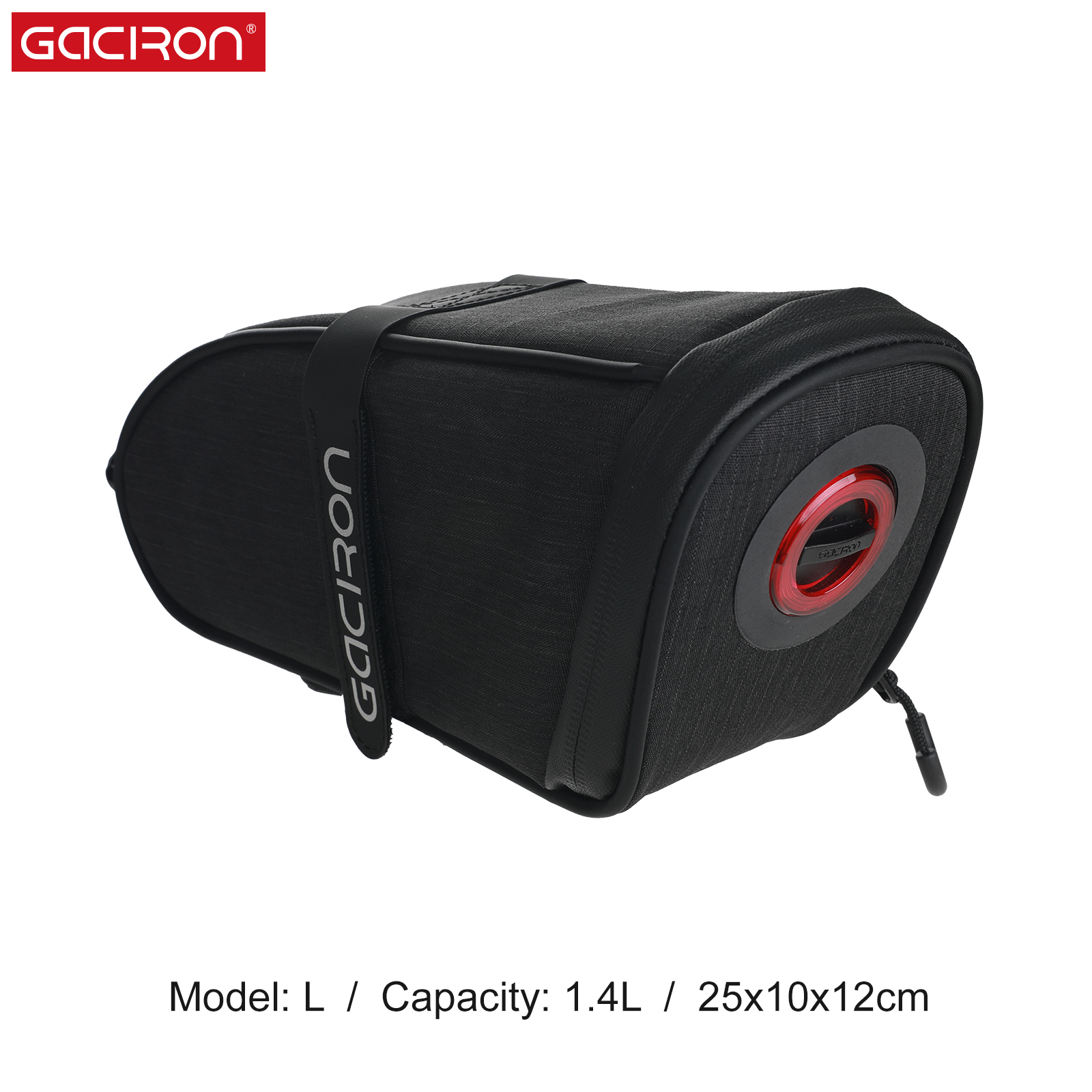
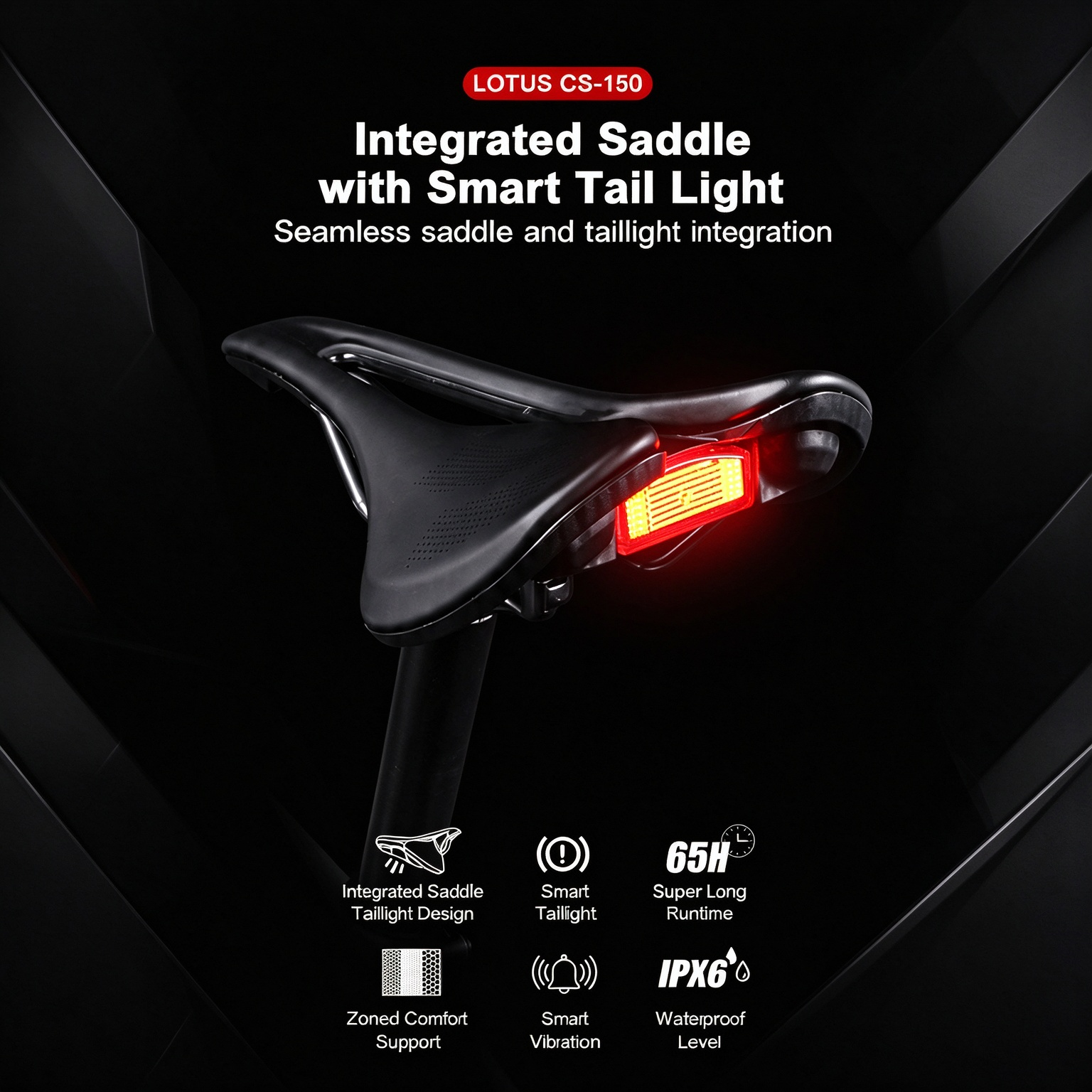
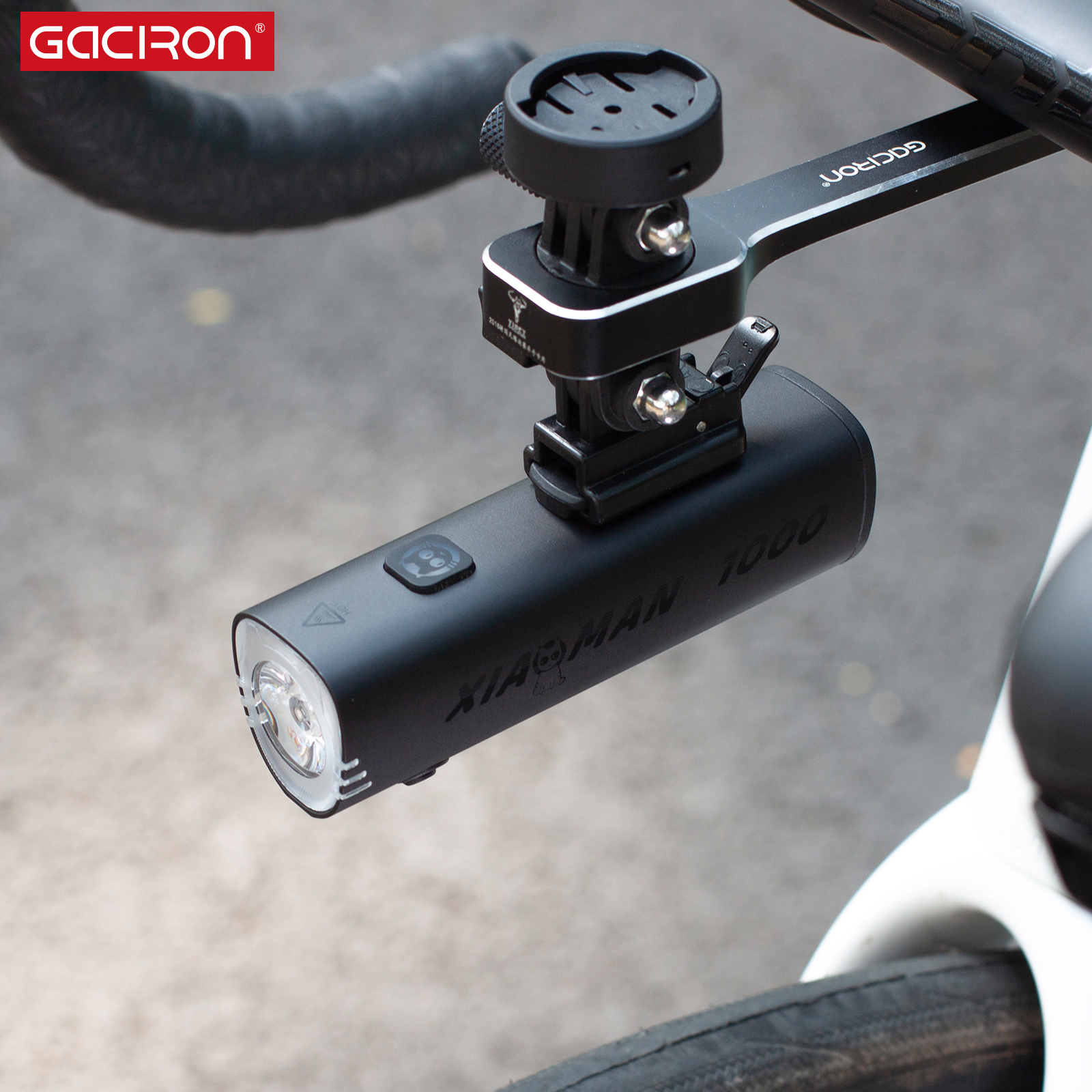
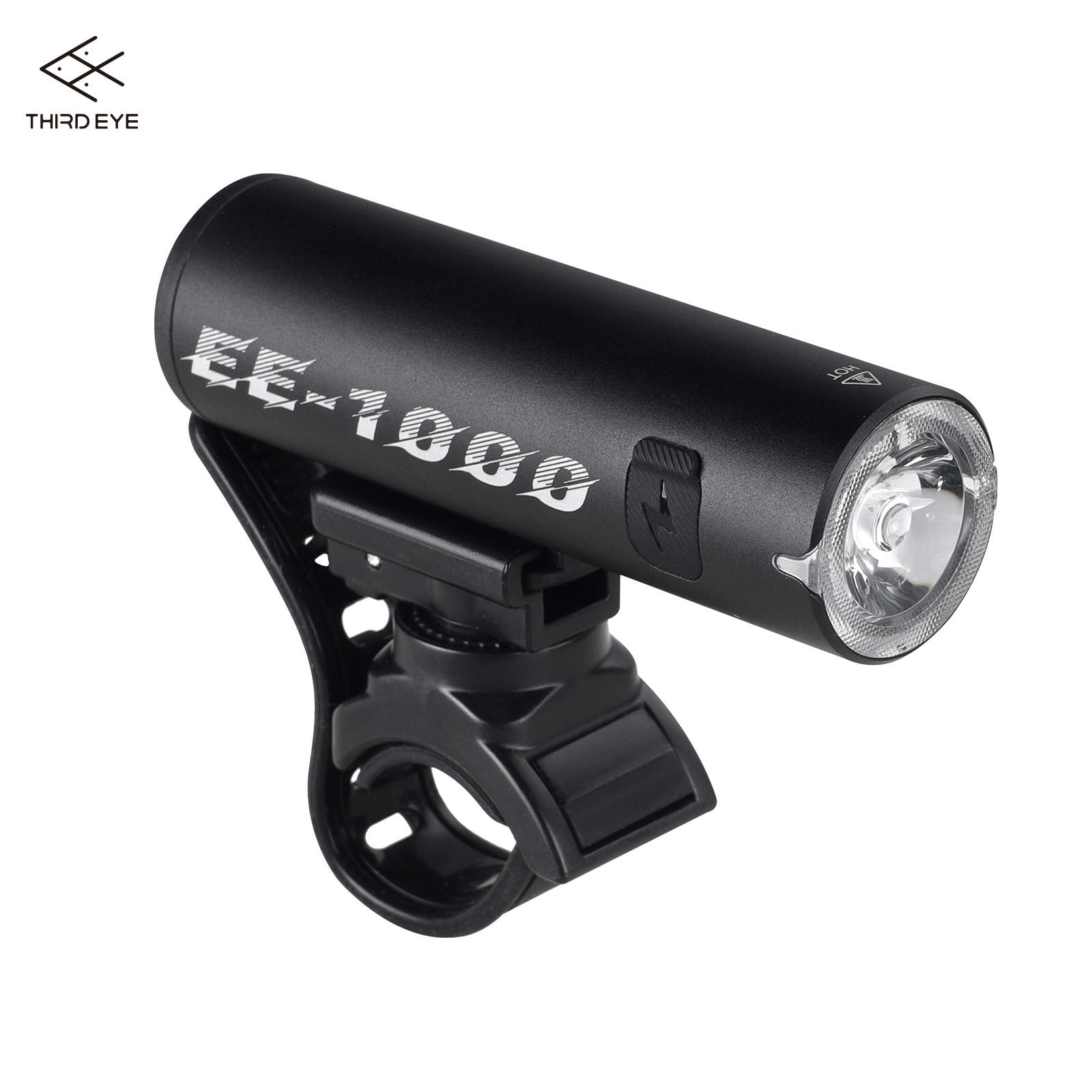
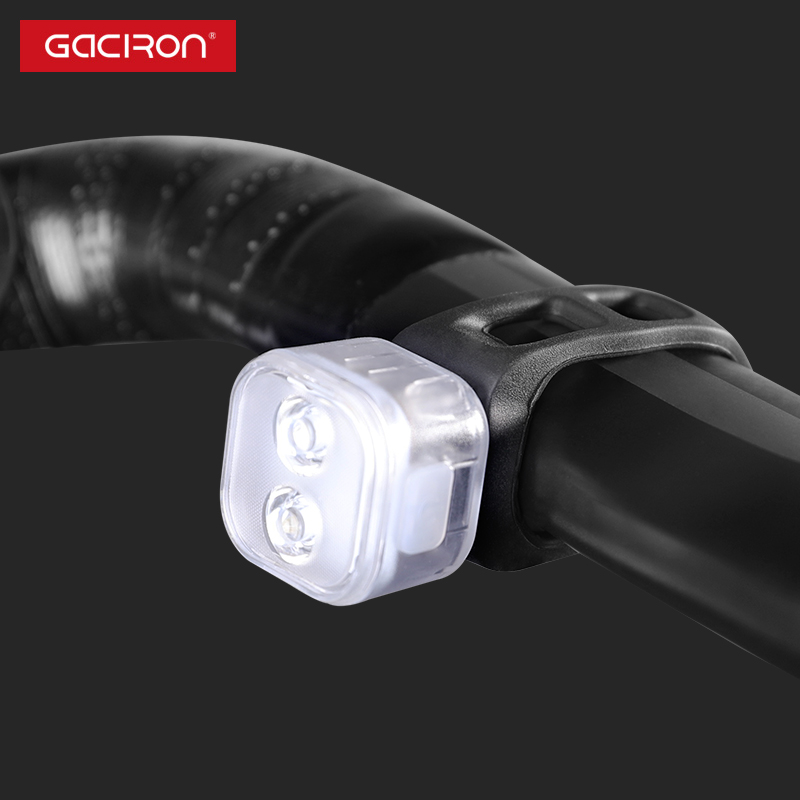
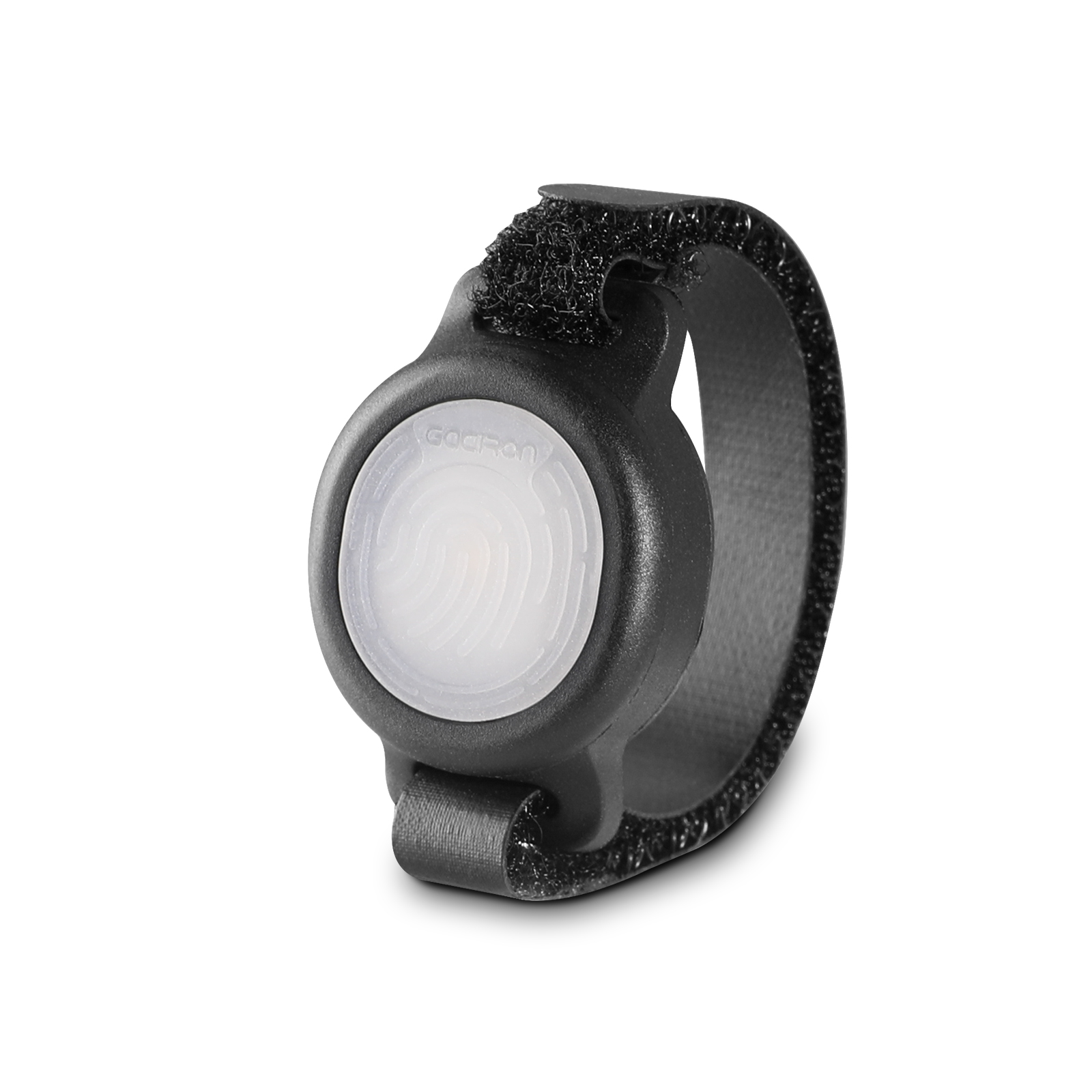
A major information gain in modern cycling supply chains is the consolidation of hardware components. Historically, riders purchased separate saddle bags, clip-on rear warning lights, and saddle mounts. Advanced manufacturers like Shenzhen QUZR Technology integrate smart brake-sensing COB taillights directly into the saddle housing or dedicated under-rail magnetic docks (such as seen in the Gaciron EP-143 and Bird Nest series).
These integrated systems feature 3D accelerometers that detect rapid deceleration, automatically triggering a 100+ lumen continuous brake alert. Encapsulated in IPX6 water-resistant CNC aluminum housings and powered by high-density lithium-polymer cells (delivering up to 65 hours runtime), integrated smart saddles represent the highest-margin retail growth segment in B2B cycling distribution.
Road Bike Saddle Procurement Trends (2025–2030)
For procurement executives planning inventory strategies over the next 3 to 5 years, tracking macro supply chain shifts is critical to avoiding obsolete inventory and maximizing margin yield.
1. 3D-Printing Cost Parity
Advancements in high-throughput photopolymer resin synthesis in China are lowering TPU print costs by 35% annually. By 2026, 3D lattice saddles will reach price parity with premium vacuum-bonded PU saddles.
2. Ecosystem Component Integration
Importers are demanding unified cockpits and seating systems. Saddles built with magnetic quick-release accessory ports (supporting lights, camera mounts, and emergency tool kits) command higher consumer price points.
3. Eco-Resins & Recyclability
European Union directives (including CBAM and EPR frameworks) are driving demand for solvent-free, bio-based TPU materials and non-toxic recyclable carbon matrix resins in factory manufacturing pipelines.
B2B Purchasing Framework: Quality Control & Supplier Audit Standard
When auditing China wholesale road bike saddle factories, brand owners must establish rigorous incoming material and finished product testing protocols. Low-quality manufacturers frequently shortcut resin curing times or utilize secondary recycled plastic bases, leading to structural cracking, creaking rails, and premature product returns.
Crucial Onsite Inspection Protocols:
- ISO 4210-9 Saddle Fatigue Testing: The factory must demonstrate machine testing rigs applying dynamic vertical forces (1,000N to 1,300N) for a minimum of 200,000 cycles without permanent deformation or rail bond failure.
- Thermal Cycle Chamber Tests: High-end saddles exported globally must withstand extreme temperature oscillations from -20°C (winter gravel riding) up to +60°C (summer asphalt exposure) without TPU lattice degradation or shell warping.
- IPX6 Water Ingress Testing: For smart light-integrated saddles, optical chambers must be subjected to high-pressure water jets (100 L/min at 100 kPa) to ensure zero moisture contamination of the internal battery management system (BMS) and SMT circuit boards.
- Rail Clamping Force Verification: Carbon rail saddles must be torque tested up to 12 N·m with standard seatpost clamps to ensure non-crush compliance and anti-slip surface texturing.
Why Partner with Shenzhen QUZR Technology Co., Ltd.
As a leading Chinese designer and manufacturer active since 2009, Shenzhen QUZR Technology Co., Ltd. bridges the gap between raw manufacturing power and advanced electronic design. Operating from Shenzhen—the hardware capital of the world—we deliver turn-key OEM and ODM solutions to global bicycle brands, regional importers, and chain retailers across North America, Western Europe, and Southeast Asia.
Full OEM/ODM Engineering
From custom dynamic pressure lattice development and aesthetic 3D modeling to circuit firmware programming and customized retail packaging.
Industrial Scalability
Over 9,350m² of dust-free assembly workshops, 50+ precision CNC milling stations, and 8 automated assembly lines deliver up to 200,000 sets per month.
Low MOQ Flexibility
Standard model orders start at just 20 units for rapid market testing, while custom logo, custom density mapping, and private-label packaging projects are quoted with low tooling overheads.
Strict Quality Control
100% in-line visual and electronic functional inspection, thermal chamber aging tests, dynamic drop testing, and waterproof jet testing on every production batch.
Global Trade Compliance
Flexible trade terms including FOB, CIF, EXW, and DDP (Delivered Duty Paid). Comprehensive documentation support for CE, RoHS, FCC, REACH, and UN38.3 battery shipping safety.
Rapid Export Response
Dedicated international account manager response team guaranteeing inquiry replies within 3 hours, backed by a 40%+ verified client reorder rate.
Frequently Asked Procurement Questions (FAQ)
Answers to crucial commercial and technical questions asked by global procurement teams, sourcing agents, and OEM brand buyers.