Top-Ranked Smart Bicycle Lighting Solutions
Engineered by Shenzhen QUZR Technology Co., Ltd. for global importers, OEM brands, and cycling accessory distributors requiring reliable performance, anti-glare optics, and intelligent brake-sensing capabilities.
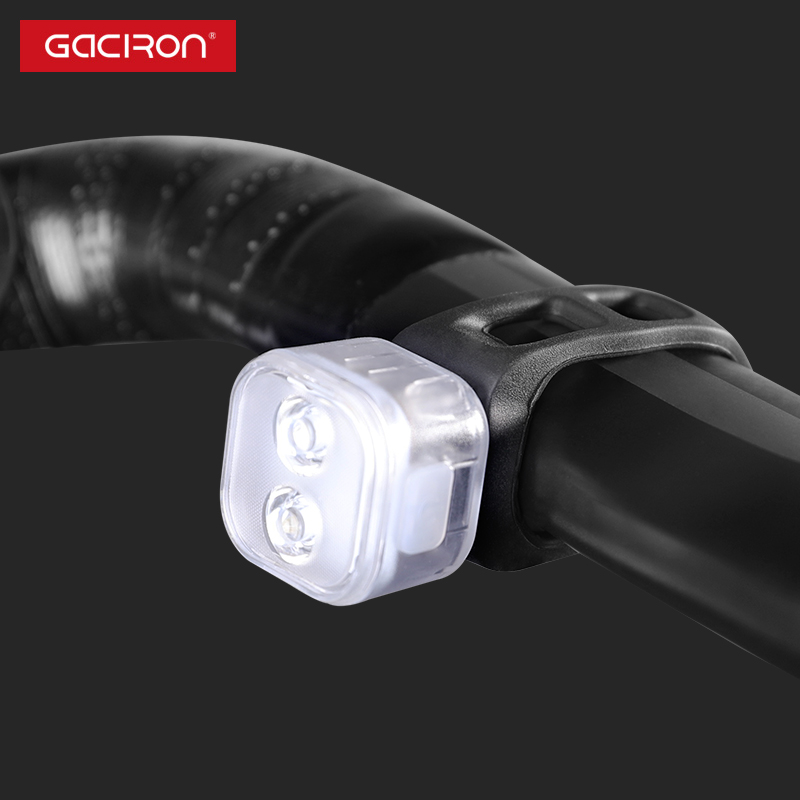
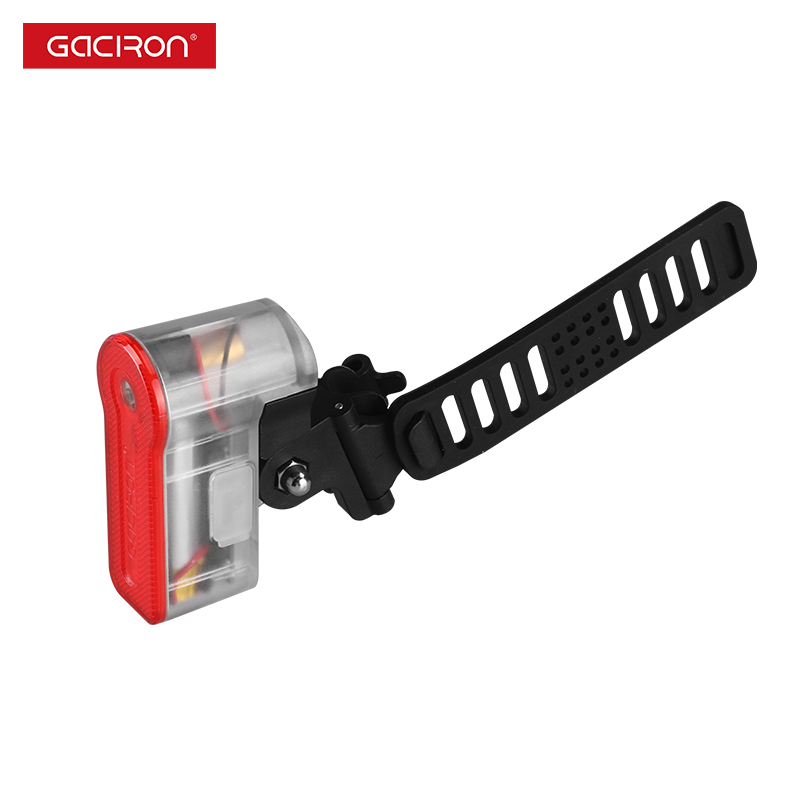
Enterprise Advantages & Source Factory Capacity (Shenzhen QUZR Technology)
Established in 2009 in Shenzhen, China, Shenzhen QUZR Technology Co., Ltd. has grown into a premier specialized R&D and manufacturing hub for advanced bicycle lighting, smart brake tail lamps, cutoff optical headlights, and integrated cycling equipment. Spanning over 9,350 square meters of state-of-the-art production facilities, our operation houses 8 dust-free assembly lines alongside more than 50 high-precision CNC machining centers.
Unlike light-assembly trading firms, QUZR maintains end-to-end sovereignty over optics, electronics, firmware development, structural molding, and water-resistance testing. Our monthly production output exceeds 200,000 units, serving reputable cycling brands across North America, Western Europe, Northern Europe, and East Asia.
Key Procurement Metric: Over 40% of our global B2B buyers place repeat orders within 12 months, supported by our ≥95% quick-response rate (average response time ≤3 hours) and rigorous quality assurance protocol.
Future Development Trends in Smart Bike Lighting Technology
Information gain perspective on how hardware architecture, sensor fusion, and optical engineering are evolving for urban micro-mobility and high-performance cycling.
1. 3D Accelerometer & Gyroscope Sensor Fusion
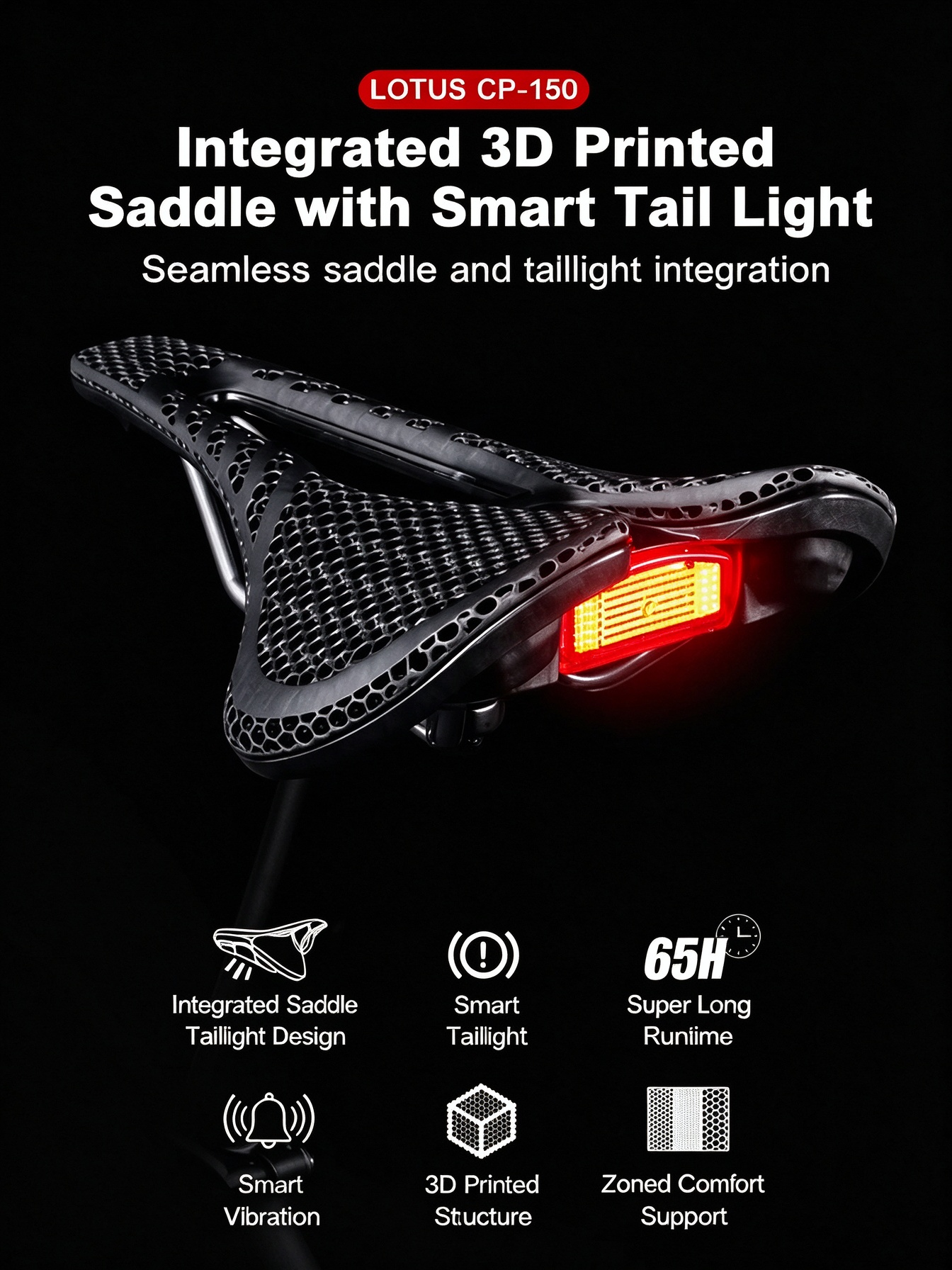
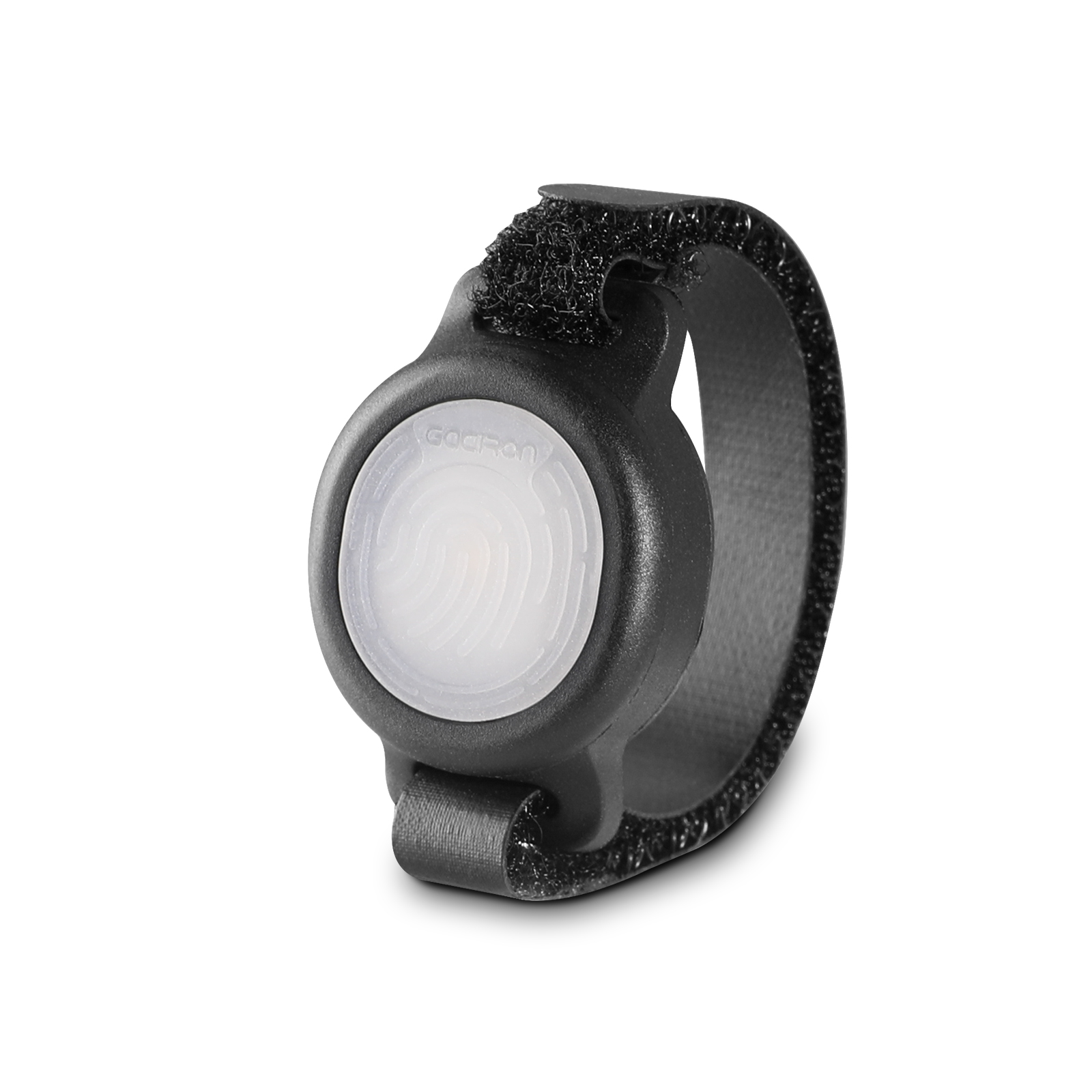
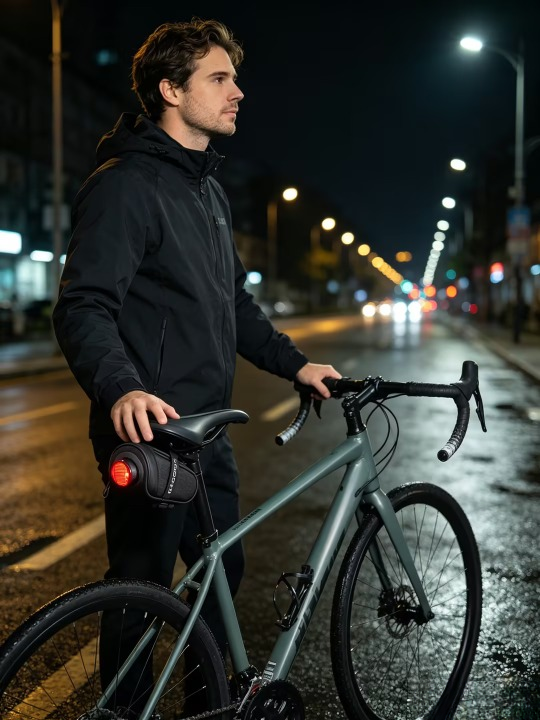
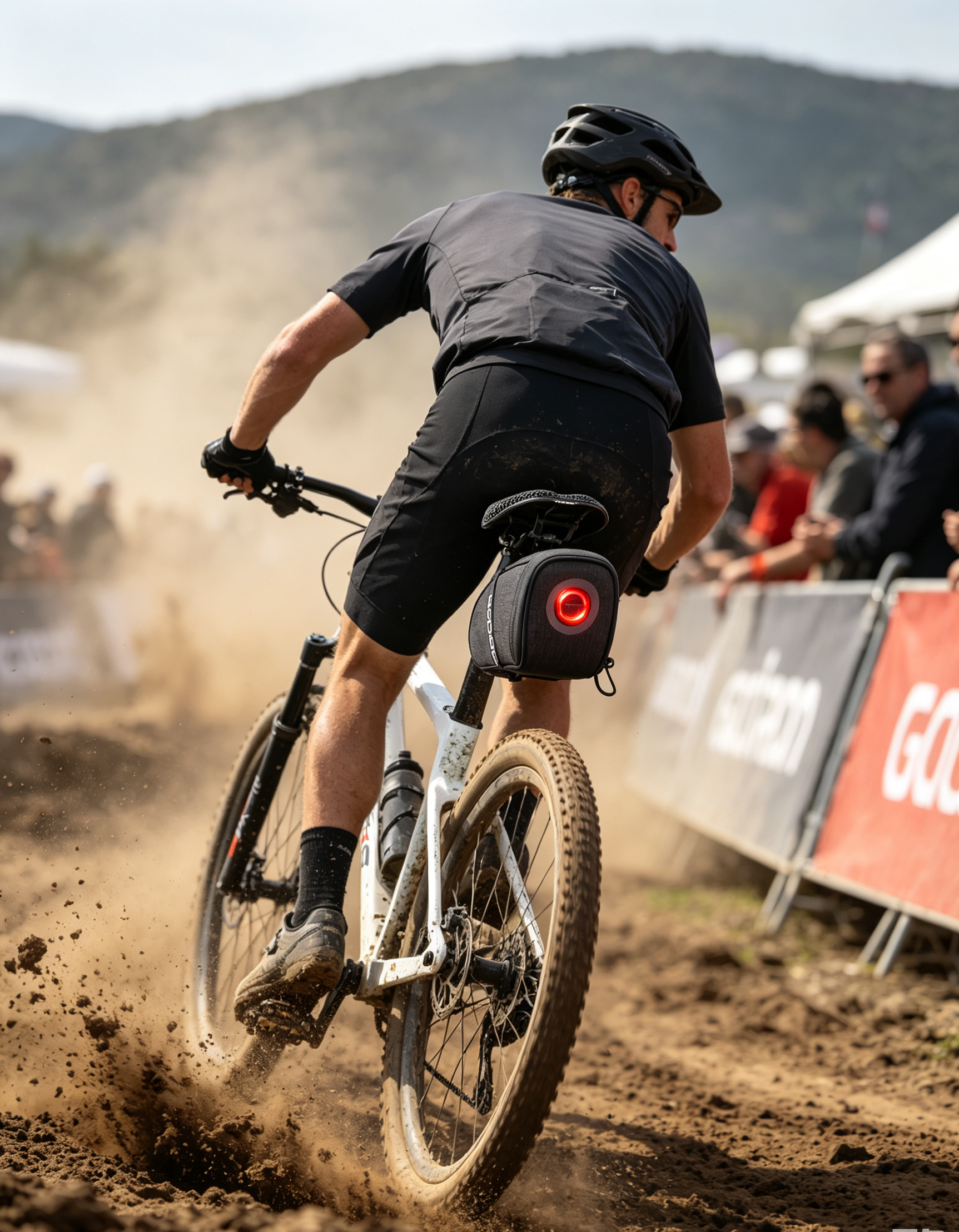
Legacy brake-sensing lights relied on simple 1-axis G-sensors, triggering false positives on cobblestones or bumpy trails. Next-generation smart taillights (such as the Gaciron CP150 and LOOP-100 series) combine 6-axis IMU sensors with adaptive filtering algorithms. This ensures deceleration signals illuminate the brake LED instantly while ignoring normal road vibrations.
2. StVZO Cutoff Optical Lens Design
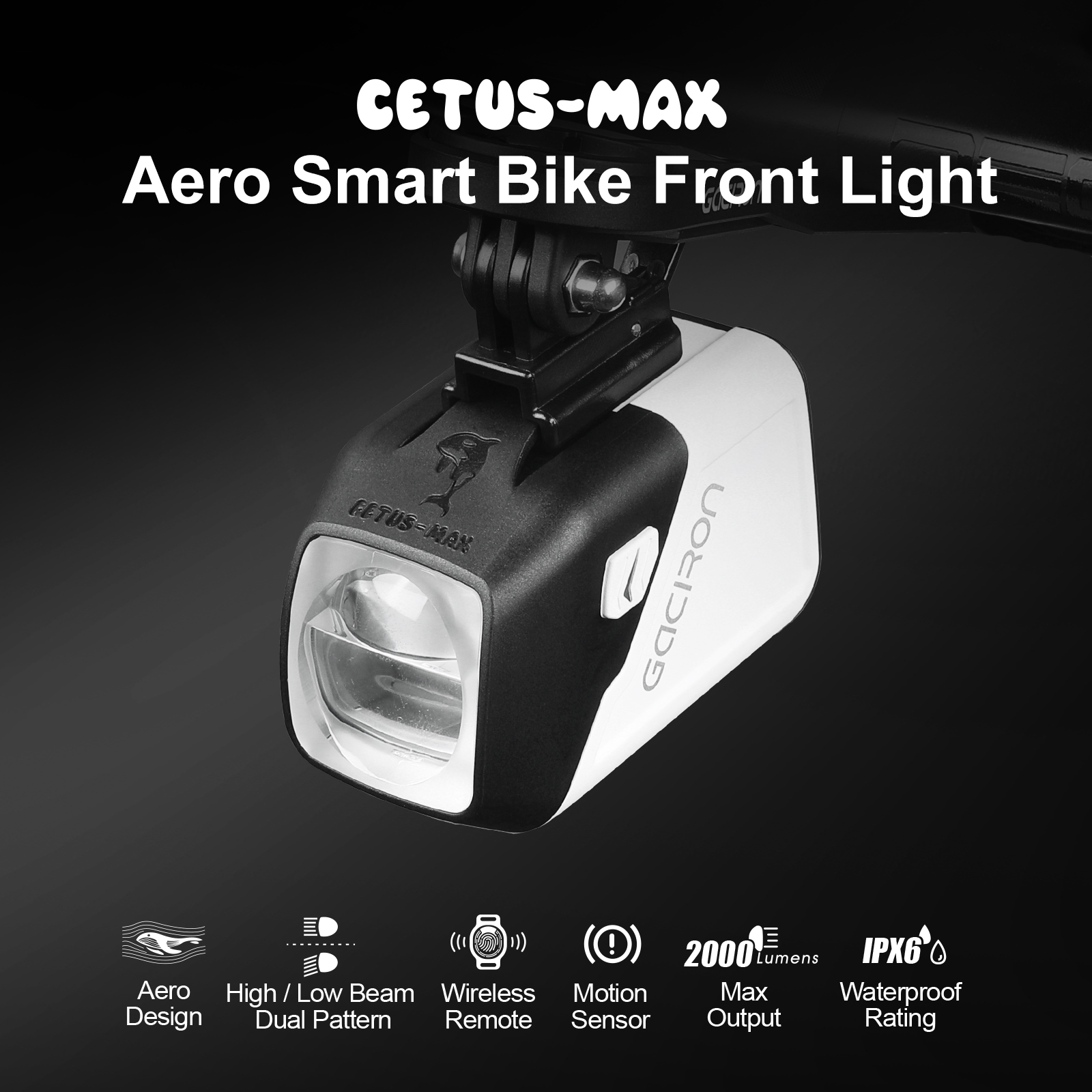
Anti-glare cutoff beams are becoming mandatory across European and urban commuting markets. By reshaping the light footprint using Total Internal Reflection (TIR) lenses and reverse reflectors, high-lumen headlights (like the CETUS-1700 and KIWI-800) concentrate light forward onto the road surface without blinding oncoming traffic, complying with strict StVZO standards.
3. CAN-Bus & E-Bike Power System Integration
With the exponential growth of electric bikes (E-bikes), bike light factories are shifting from isolated USB-rechargeable units to integrated DC-DC converter lights (supporting 6V-60V wide voltage inputs). Modern headlights plug directly into Bosch, Shimano, or Bafang drive systems, featuring auto-daytime running lights (DRL) governed by ambient light sensors.
4. Integrated Ergonomics & 3D-Printed Saddles
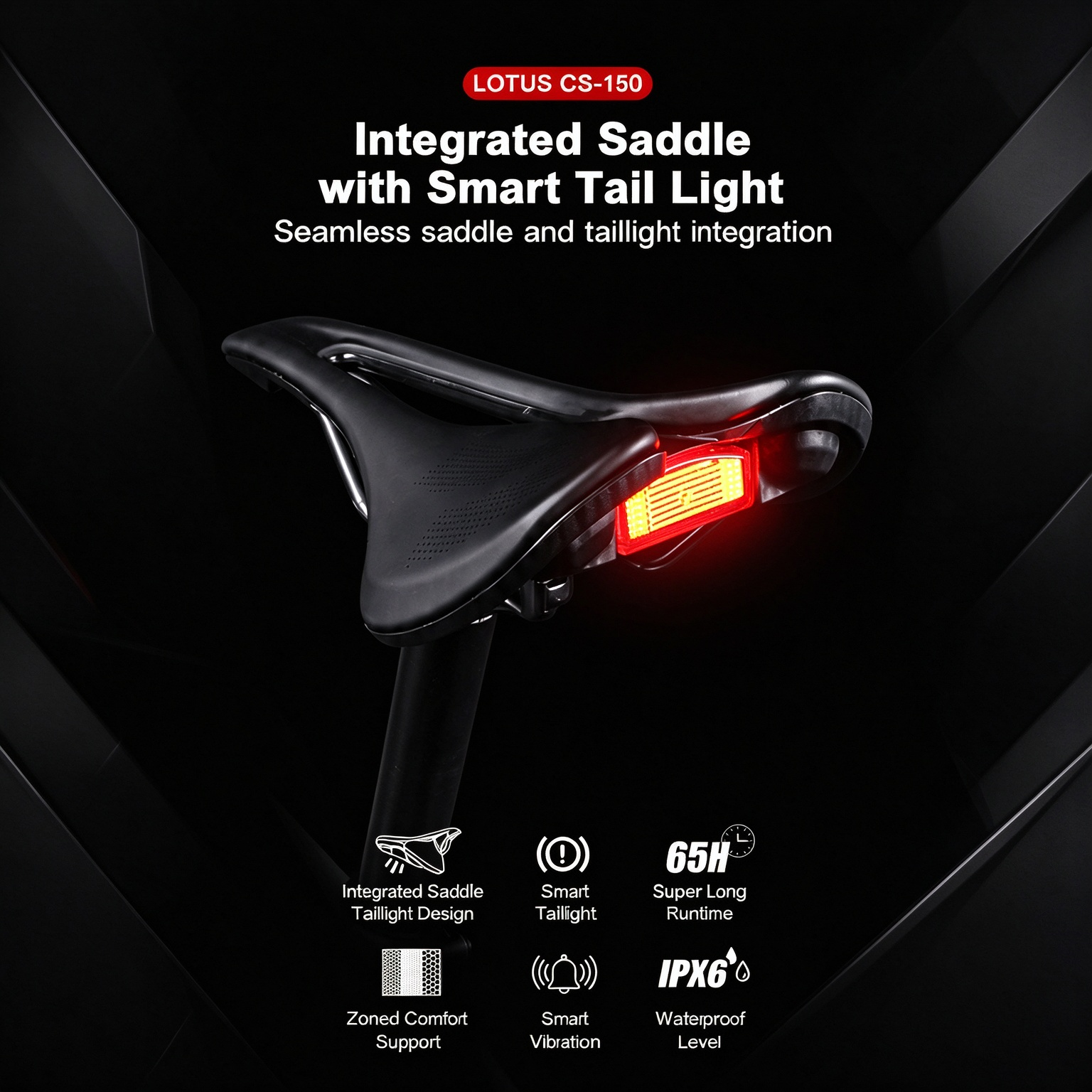
Standalone clamp-on tail lights are being superseded by seamlessly integrated accessories. Solutions such as the CP150 3D-printed saddle with built-in brake lights reduce aerodynamic drag, prevent theft through concealed mounting, and utilize zoned lattice cushioning for enhanced rider comfort during ultra-endurance rides.
5. Advanced Thermal Throttling & IPX6 Shells
Pushing 2000 to 3000 lumens out of compact handlebar lamps requires heavy-duty heat dissipation. Modern manufacturing utilizes 6063 aviation-grade aluminum CNC housings combined with dynamic thermal regulation chips that auto-adjust drive current to prevent LED degradation while maintaining IPX6 water-jet protection under heavy downpours.
6. Wireless Remote & ANT+ Smart Connectivity
Riders demand cockpit control without taking their hands off the grips. High-power systems now feature 2.4G wireless remote switches (e.g., Gaciron R06) and ANT+/BLE protocols that allow bike lights to sync mode shifts directly with Garmin/Wahoo cycling computers or automated motion-wake algorithms.
Global Procurement Trends & Supply Chain Strategies (2025–2030)
For international purchasing directors, procurement managers, and brand owners, sourcing bicycle lights from China has transitioned from seeking low unit costs to evaluating comprehensive OEM/ODM engineering capabilities, environmental compliance, and rapid prototyping capabilities.
| Procurement Criteria | Traditional Lighting OEM | QUZR Smart Factory Standard | Strategic Buyer Advantage |
|---|---|---|---|
| Optical Engineering | Standard circular reflector cone | Custom TIR Lenses & Cutoff Beams | Meets EU anti-glare compliance; avoids product recalls. |
| Factory Quality Control | Basic visual sampling | Dust-free SMT, IPX6 water jet chamber, Integrating Sphere testing | Defect rates < 0.2%, lower warranty return expense. |
| Customization (OEM/ODM) | High MOQ (>2,000 pcs) | Low MOQ (20 pcs for stock models; flexible tooling) | Reduces inventory holding risk; fast market testing. |
| Integrated Solutions | Standalone front/rear lamps | 2-in-1 Saddle lights, Light-integrated bags, Aero mounts | Higher retail price point and higher gross margin. |
Strategic sourcing shifts emphasize working directly with verified manufacturers located in specialized electronic clusters like Shenzhen. This proximity ensures direct access to high-grade lithium-ion battery management systems (BMS), high-efficiency Cree/Luminus LED chips, and fast custom mold creation.
Frequently Asked Questions (Procurement & Technical FAQ)
Answers to common questions from enterprise buyers regarding production, MOQ, OEM/ODM processes, and compliance.
What is the minimum order quantity (MOQ) for QUZR bike lights?
Does Shenzhen QUZR Technology offer custom OEM and ODM services?
What is the monthly production capacity of your Shenzhen manufacturing base?
How do IPX4 and IPX6 waterproof ratings differ in practical cycling usage?
Which international trade terms and payment methods are supported?
How does smart brake sensing technology prevent false triggers on uneven roads?
Ready to Upgrade Your Bike Light Lineup?
Partner with Shenzhen's leading OEM/ODM smart bicycle light manufacturer. Request product samples, custom quotes, or technical spec sheets today.