Featured Smart Hardware & Saddle Systems
Direct from China's premier R&D manufacturing facility — Precision engineered components for competitive cycling, urban mobility, and OEM/ODM brands.
1. Industry White Paper: The Additive Manufacturing Revolution in Bicycle Saddles
The global cycling component industry is witnessing a structural transformation. Traditional saddle manufacturing—reliant on closed-cell Polyurethane (PU) foam, die-cut vinyl, and uniform density padding—is rapidly giving way to 3D printed additive manufacturing technologies. For international cycling brands, importers, and original equipment manufacturers (OEMs), sourcing 3D printed saddles from China has shifted from an experimental alternative to a core competitive requirement.
At the center of this shift is the ability of additive manufacturing to solve a centuries-old cycling challenge: balancing long-distance sit-bone support with soft-tissue pressure relief without relying on varying foam densities that degrade over time. Utilizing Carbon Digital Light Synthesis (DLS) and Selective Laser Sintering (SLS) technologies with advanced Liquid Elastic Resin (EPU) and Thermoplastic Polyurethane (TPU), leading Chinese manufacturers are now producing saddles with programmatically engineered lattice structures.
2. Technical Architecture & Zoned Ergonomic Design
To understand why top global cycling brands partner with Chinese suppliers for 3D printed saddles, procurement teams must evaluate the underlying material engineering and mechanical advantages. Unlike traditional foam saddles, which compress uniformly under load, 3D printed lattice structures offer variable mechanical resistance across distinct physical zones.
Zoned Lattice Hardness Mapping
A premier 3D printed saddle (such as the CP-150 and CS-150 series) incorporates up to 5 distinct functional density zones within a single continuous print:
- Ischial Support Zone (Rear): Engineered with high-density, high-rebound hexagonal or Voronoi lattice geometry (Shore Hardness ~70A to 75A) to absorb heavy sit-bone impacts and stabilize pelvic rotation during sustained pedaling.
- Perineal Relief Channel (Center): Formulated with ultra-low density, open-cell lattice struts (Shore Hardness ~45A to 50A) to maximize blood flow and eliminate nerve numbness during aggressive aerodynamic tucks.
- Transition Zone (Mid-Saddle): Features progressive structural damping to mitigate road chatter and high-frequency vibrations before they reach the rider's spine.
- Nose Zone (Front): Designed with adaptive compliance to support riders during steep climbing efforts while preventing inner-thigh friction.
Programmable Damping
Lattice strut angles and thickness are algorithmically tuned to absorb micro-vibrations, significantly reducing fatigue during multi-hour endurance rides.
Omnidirectional Airflow
The hollow matrix design provides superior passive ventilation, keeping contact temperatures up to 5°C cooler than traditional PU leather surfaces.
Zero Hysteresis Degradation
Advanced TPU materials resist permanent deformation. Tests demonstrate under 2% memory loss after 100,000 compression cycles under ISO 4210 standards.
3. Smart Hardware Integration: The Ecosystem Advantage
A major development in 3D printed saddle procurement is the convergence of ergonomic seating with smart safety hardware. Today's global buyers are no longer seeking standalone saddles; they require integrated cycling systems that combine aerodynamic seating, smart warning devices, and modular storage.
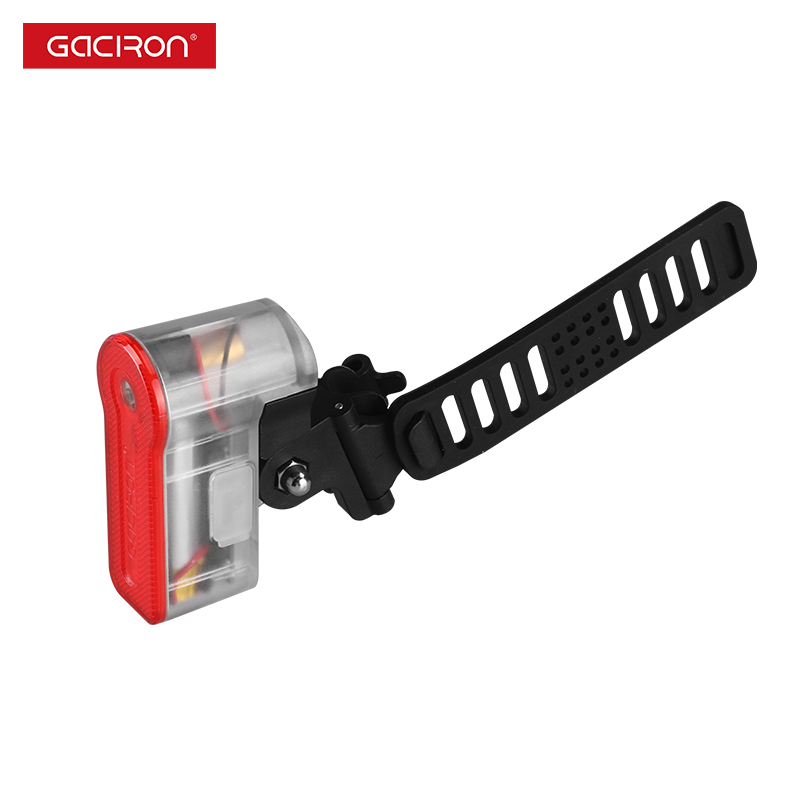
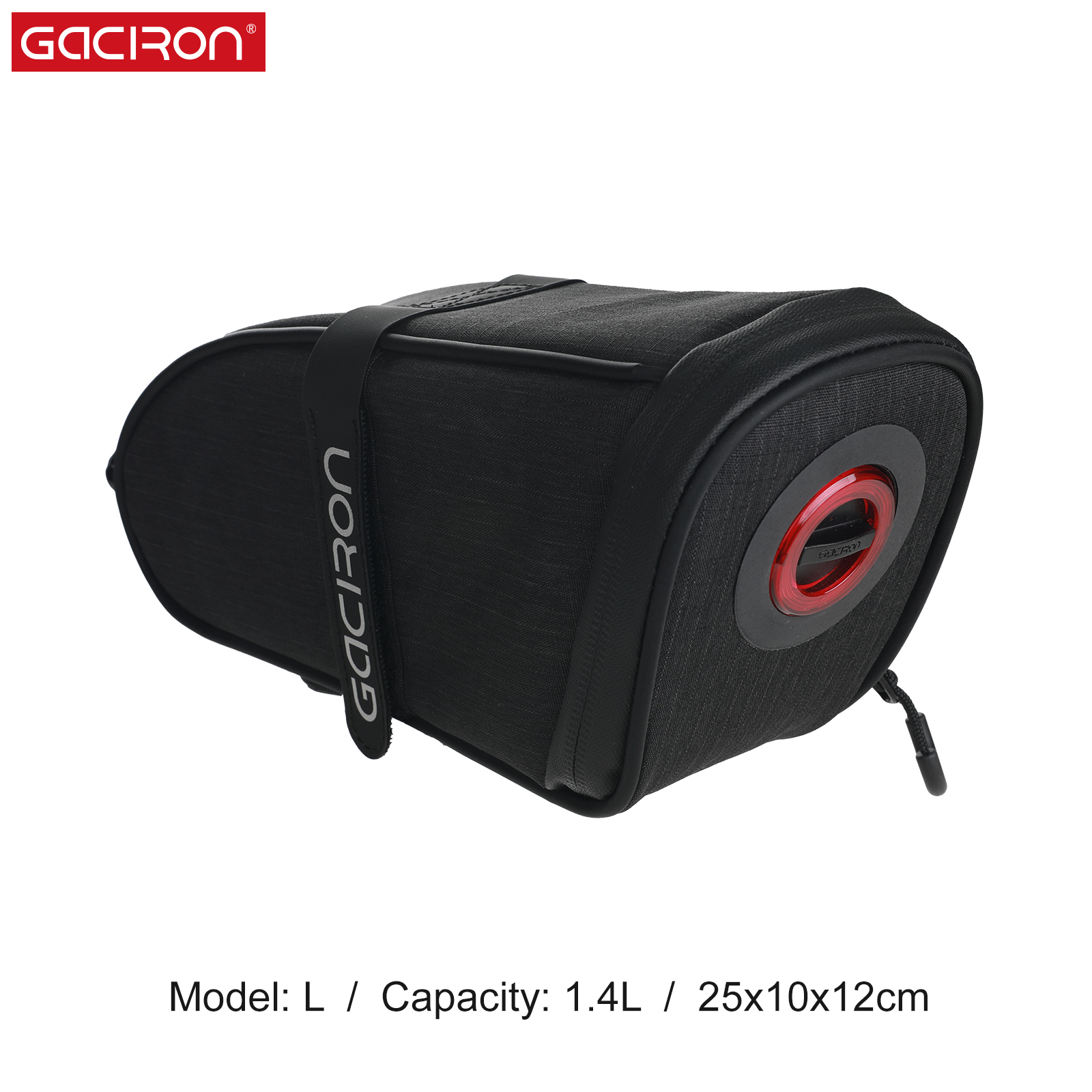
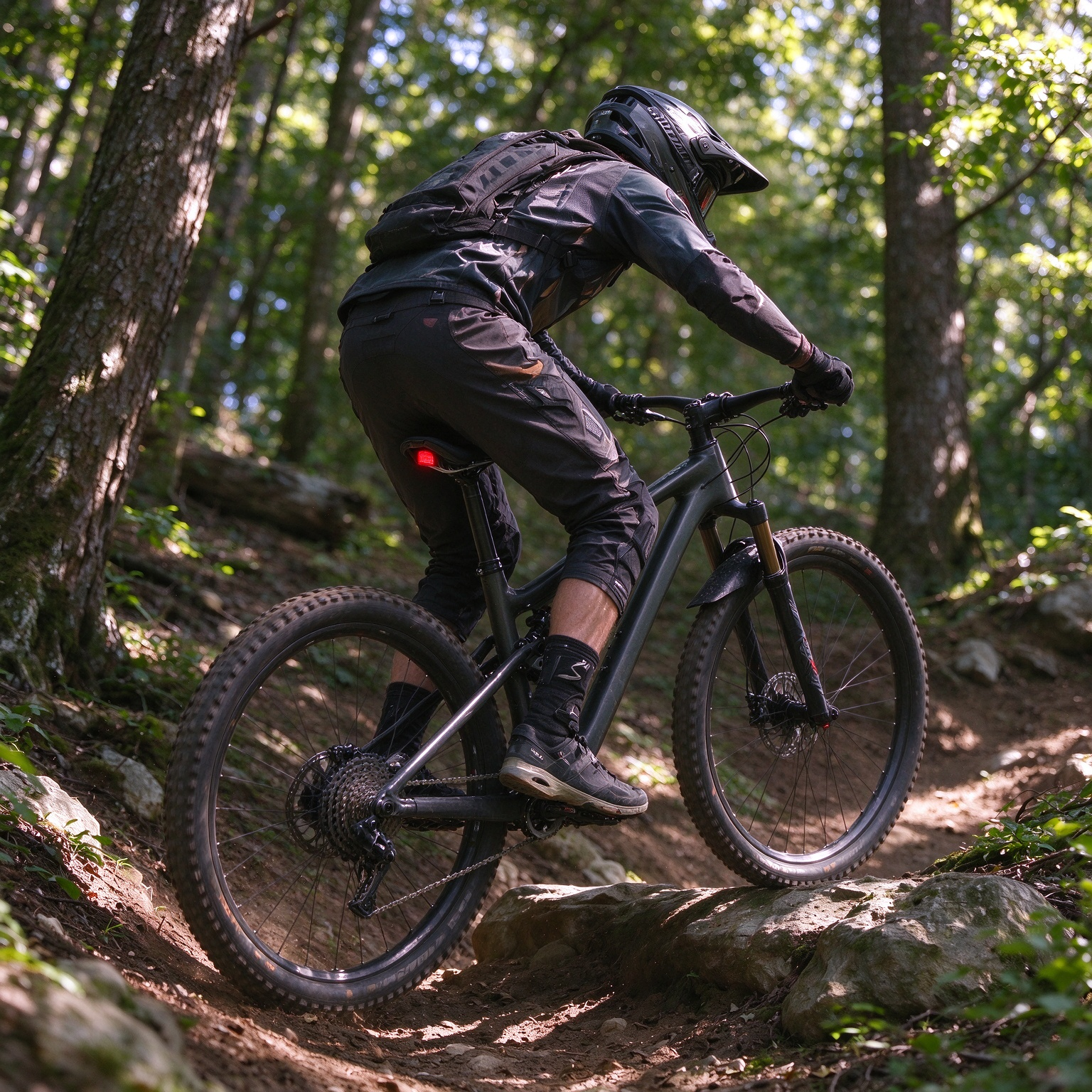
As showcased in products like the Gaciron CS-150 Integrated Smart Taillight Saddle and the Bird Nest 300 Saddle Bag System, Chinese manufacturers are leading the integration of hardware directly into the baseplate architecture. This eliminates messy seatpost straps, improves aerodynamic drag profiles, and provides clean aesthetic integration for modern road and gravel bikes.
Key Integration Innovations:
- Magnetic Mount Smart Brake Sensing: Rear safety lights automatically snap into position beneath the saddle baseplate, utilizing high-precision accelerometers to trigger a 200-lumen ultra-bright brake light mode upon rapid deceleration.
- Direct-Mount Water-Resistant Storage: Custom saddle bags integrate directly into the rail clamps or baseplate housings, providing IPX6 waterproof storage without interference with the rider's legs or light output.
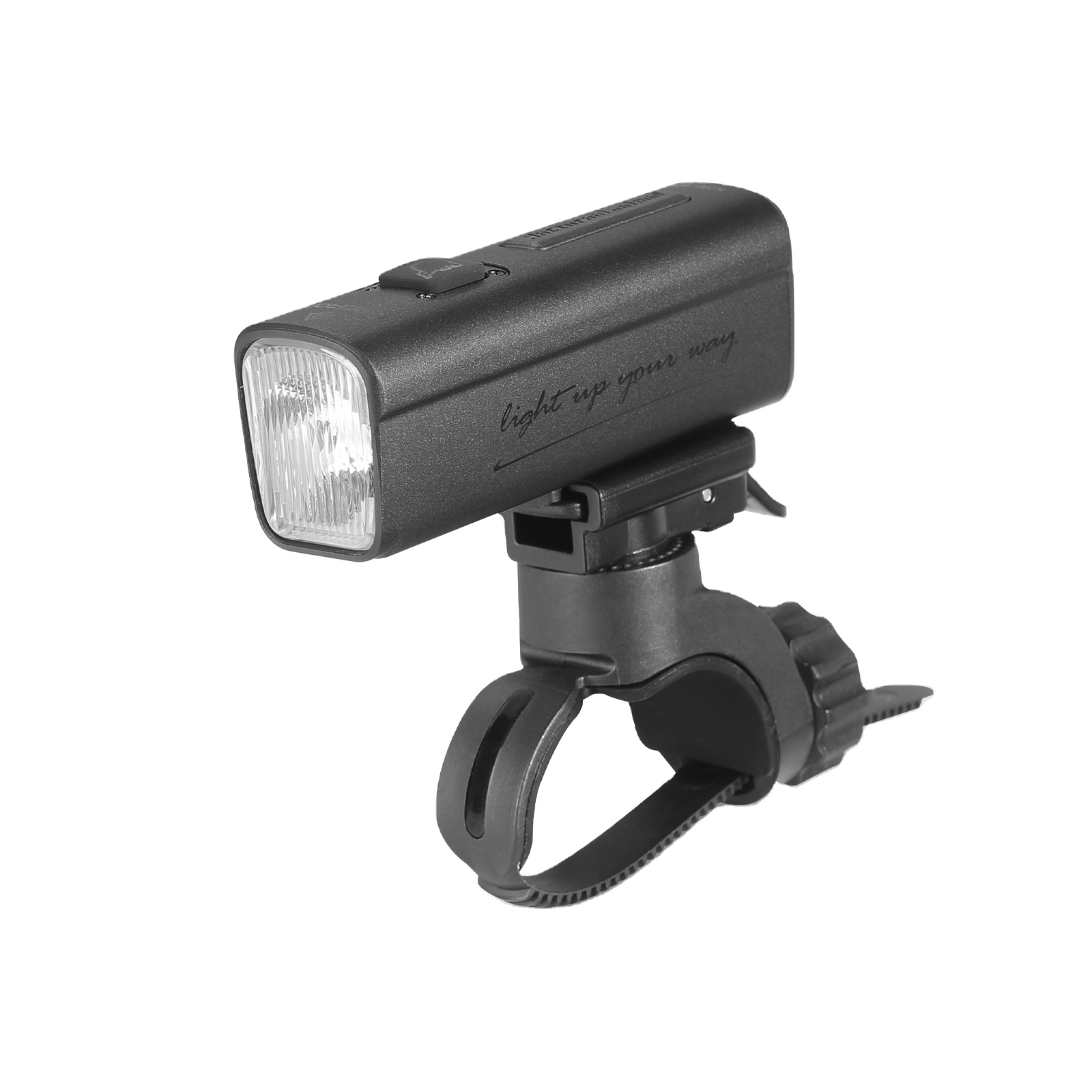
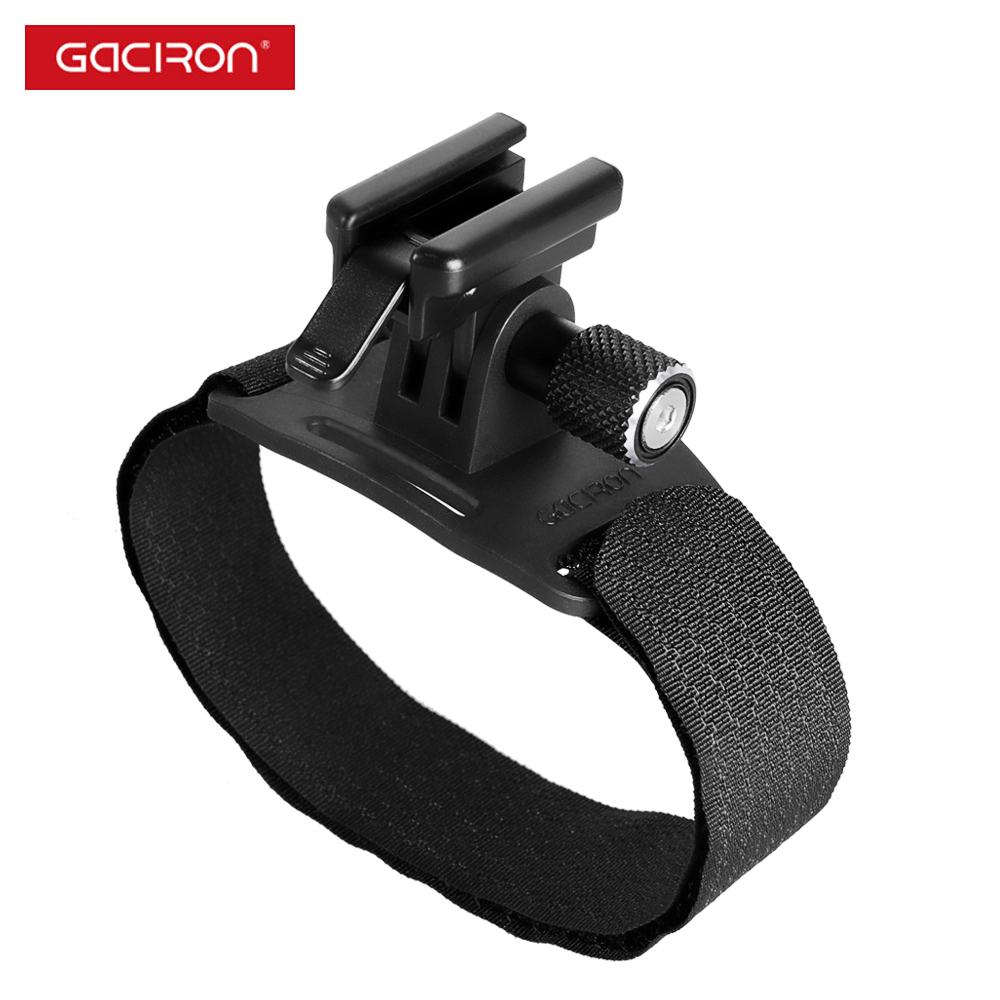
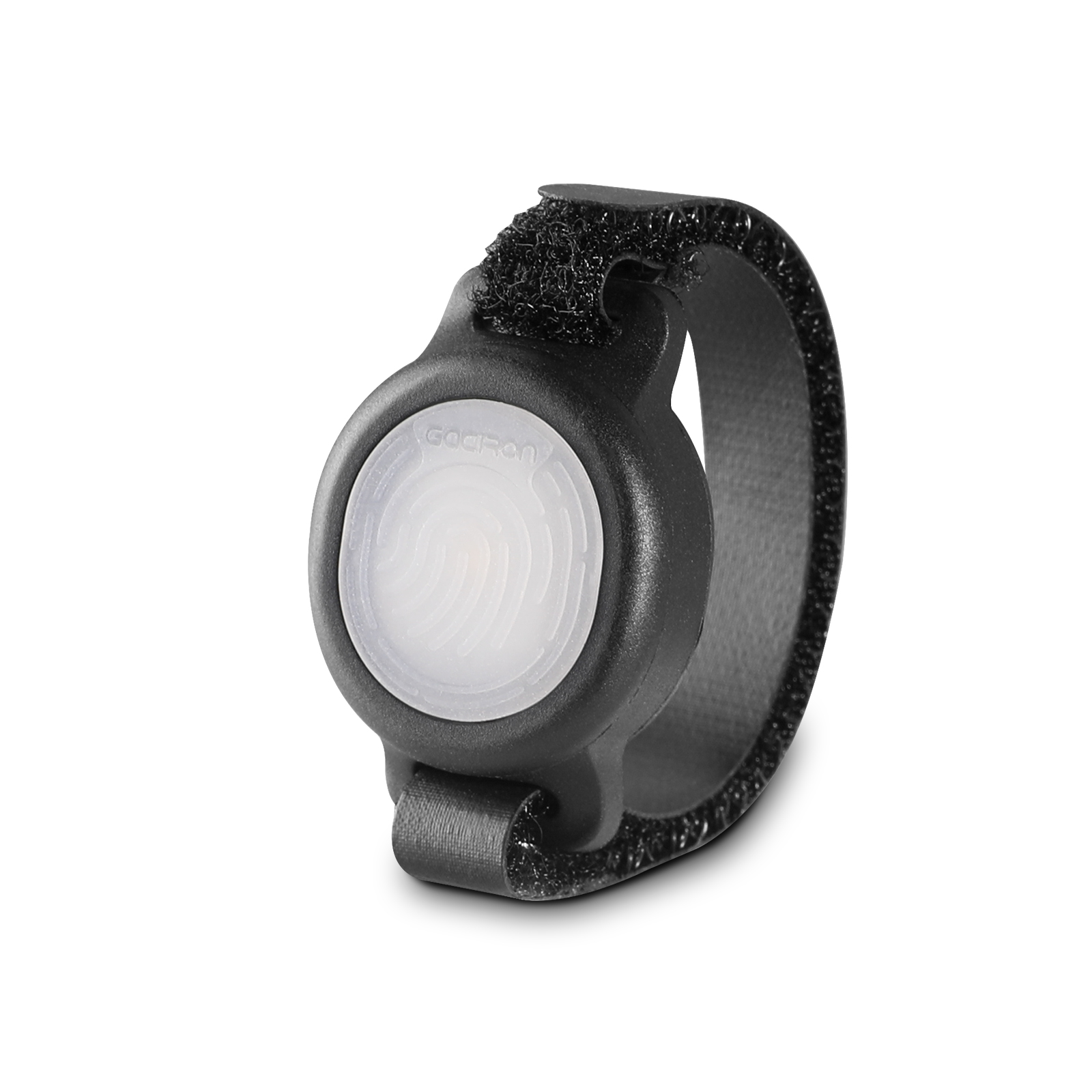
- Carbon Baseplate Compatibility: High-modulus carbon fiber rails (7x9mm) and lightweight alloy rails (7x7mm) engineered to seamlessly accept light mounts, wireless remotes (like the Gaciron R06), and helmet-light accessories.
4. Comparative Analysis: Traditional vs. 3D Printed Saddles
For B2B buyers evaluating inventory turnover, retail margins, and brand differentiation, the table below outlines the core differences across major manufacturing specs:
| Performance Parameter | Traditional PU Foam Saddles | Standard 3D Printed Saddles | Integrated Smart 3D Saddles (e.g., CS-150) |
|---|---|---|---|
| Padding Construction | Uniform PU / Gel Foam | Single Lattice Density Matrix | Zoned Multi-Density TPU Matrix |
| Pressure Redistribution | Moderate (Compresses fully) | High (Zoned rebound) | Optimal (Anatomical load displacement) |
| Ventilation Efficiency | Low (Impermeable leather top) | High (Open-cell lattice) | Maximum (3D open matrix + air channel base) |
| Safety Light Integration | External seatpost straps required | Generic clamp accessories | Seamless Magnetic / Click-in Smart Taillight |
| Long-term Resilience | Deforms after 6–12 months | High durability (>3 years) | High durability + Replaceable Module Parts |
| Target Retail Segment | Entry to Mid-range | Premium Performance | Flagship / High-End OEM & E-Bike |
5. Future Procurement & Technological Trends (2025–2030)
Procurement directors and sourcing executives must look ahead to key macro trends shaping the Chinese additive manufacturing ecosystem over the next five years:
A. Parametric Rider Customization & Digital Pressure Mapping
The industry is moving rapidly toward low-volume, high-mix custom production. Future OEM agreements will allow buyers to submit rider pressure mapping data (collected from in-store bike fitting tools) directly to Chinese factory production lines. Parametric software will automatically modify lattice strut thicknesses and generate a custom-printed saddle within 48 hours.
B. Eco-Friendly Bio-TPU & Closed-Loop Circularity
Environmental standards in Western Europe and North America demand reduced carbon footprints. Leading Chinese exporters are transitioning from petroleum-based elastomers to castor-oil derived Bio-TPU resins. Furthermore, because 3D printed saddles do not use adhesives to bond foam to leather covers, the entire saddle top can be remelted and recycled into new industrial components at the end of its lifecycle.
C. Unified Electronics Ecosystems for E-Bikes and Commuters
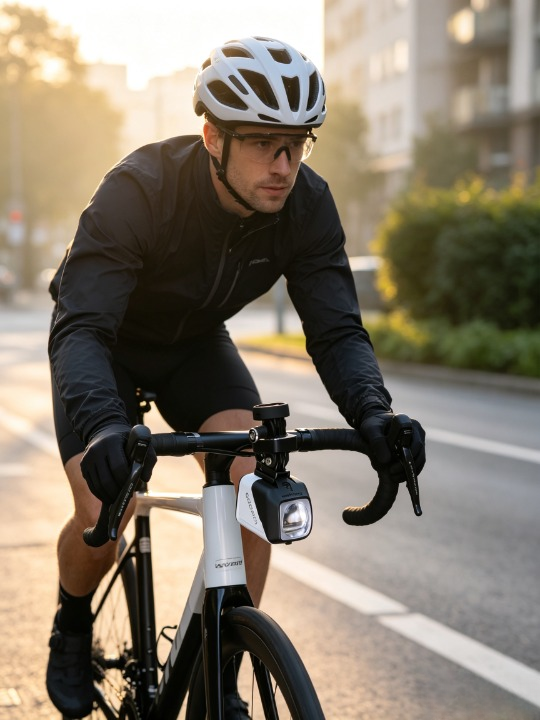
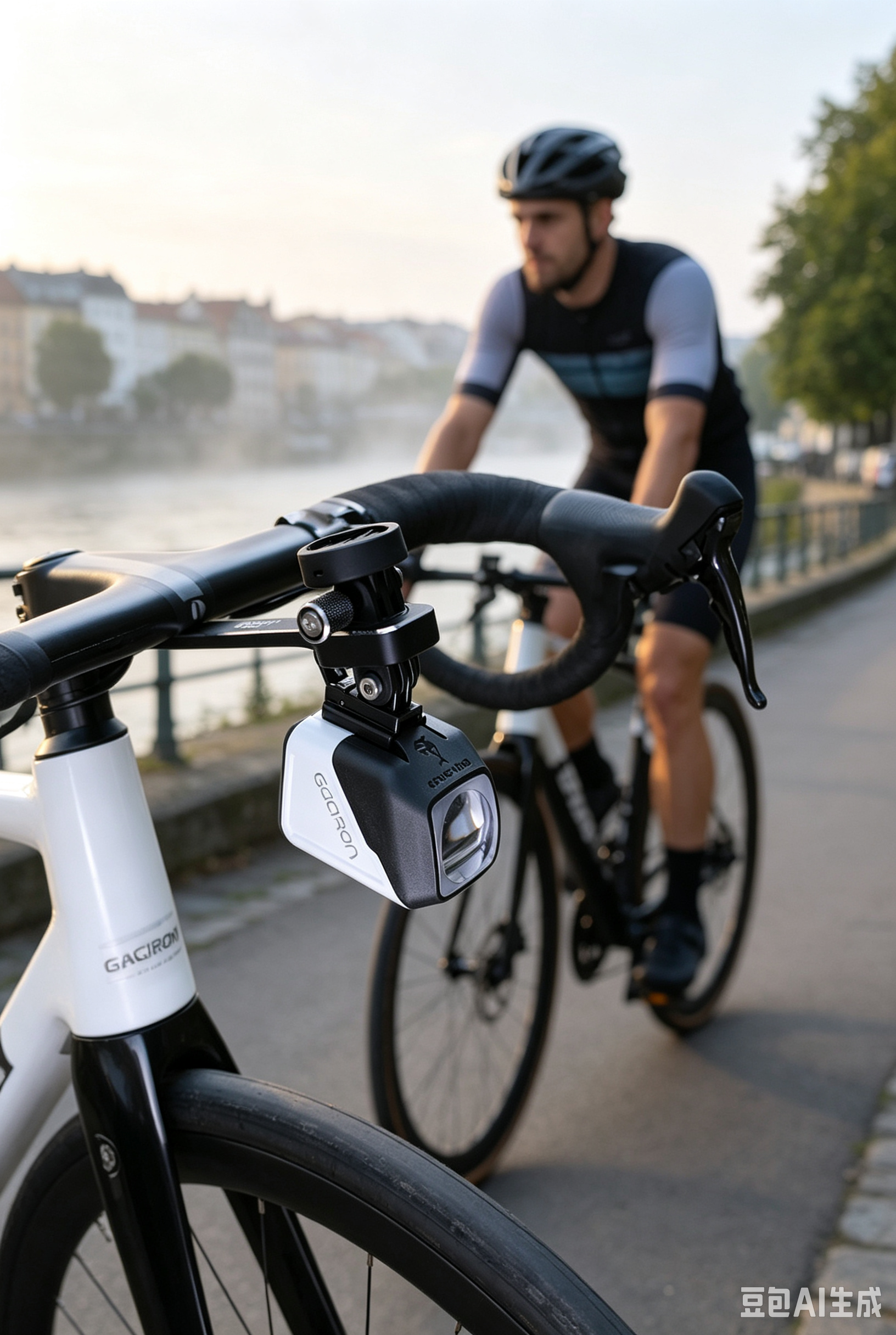
With the explosive growth of urban E-Bikes and Gravel E-bikes, 3D printed saddles are being wired directly into central battery systems. Integrated rear radar sensors, turn signals, and laser lane projection lights (such as seen in the Gaciron W03AW series) are becoming standard features for urban safety gear.
6. Why Partner with Shenzhen QUZR Technology Co., Ltd.
Founded in 2009, Shenzhen QUZR Technology Co., Ltd. stands as a benchmark Chinese manufacturer specializing in high-performance bicycle lights, 3D printed saddles, smart safety hardware, and cycling accessories. Operating a modern 9,350 square meter manufacturing center equipped with over 50 precision CNC machines and 8 dust-free assembly lines, QUZR delivers full-service OEM, ODM, and buyer-label solutions for leading global brands.
In-House Precision Manufacturing
From aluminum optical housing CNC machining to industrial optical lens design and firmware development, every step occurs under one roof.
Strict Quality Assurance
All products undergo rigorous IPX6 water jet testing, thermal shock testing (-20°C to 60°C), drop resistance, and vibration testing before shipment.
Flexible Sourcing Terms
Low MOQ on ready-to-ship stock (starting at 20 pieces), 40% buyer reorder rate, rapid sample turnaround, and dedicated export support (≤3h response).
7. Sourcing FAQ for Importers & Distributors
Ready to Upgrade Your Cycling Product Line?
Request our latest OEM/ODM product catalog, technical white paper specifications, and factory-direct pricing tailored for your wholesale business.
Get a Quote