Featured OEM/ODM Ergonomic Solutions & Integrated Lighting Systems
Engineered in compliance with European safety standards (EN ISO 4210), our high-performance saddle lines, smart safety hardware, and precision mounts serve leading global distributors and brands.
Anatomical Engineering & CE ISO 4210 Compliance Matrix for B2B Sourcing
How Shenzhen QUZR Technology Co., Ltd. resolves soft-tissue compression, pudendal nerve numbness, and structural fatigue through precision OEM/ODM manufacturing.
1. Resolving Ischial Pressure & Pudendal Artery Compression
Traditional cycle saddles present a major point of friction for commercial brands: rider discomfort leading to high return rates. When pelvic angles shift forward during aggressive road or endurance e-bike riding, soft-tissue compression across the perineal arc cuts microvascular blood flow by up to 82% within 30 minutes. As an established OEM factory and global exporter, our engineering team utilizes pressure mapping technology to develop anatomically contoured cutouts and short-nosed profiles.
By redistributing bodily load directly to the ischial tuberosities (sit bones) and offloading the perineal cavity, our CE-compliant ergonomic saddles preserve vascular flow while maintaining lateral stability during pedal strokes.
- Zoned Variable Density Polyurethane: High-rebound memory foam calibrated to 45-65 Asker C hardness zones.
- Central Ergonomic Cutout: Full-length relief channel reduces soft tissue surface contact pressure.
- Short-Nose Geometry: 240mm-250mm length profiles eliminating inner thigh friction during aggressive cadences.
Engineering Benchmark Data
Laboratory pressure mapping tests demonstrate significant peak load reductions across key anatomical zones under 75kg dynamic weight testing at 90 RPM cadence.
ISO 4210-9:2023 Mechanical Testing
Every batch produced in our Shenzhen facility undergoes mandatory stress verification including:
- Dynamic Fatigue Test: 200,000 cycles at 1,000 N downward force.
- Rail Clamp Impact: 120 J impact force directly onto saddle rear.
- Static Load Deflection: Tensile loading exceeding 1,500 N without structural fracture.
- REACH & RoHS Chemical Safety: Zero harmful phthalates or toxic plasticizers in PU covers.
2. Global Safety Certification & Export Quality Control
Securing international distribution channels requires total compliance with regulatory standards. Importing uncertified bicycle components into the EU, North America, or Australasia risks severe product liability claims and customs seizures. As a verified exporter operating over 9,350 square meters of production space, Shenzhen QUZR Technology Co., Ltd. ensures every ergonomic bike seat conforms rigidly to the EN ISO 4210 safety directive.
Our state-of-the-art laboratory performs real-time fatigue testing on rail materials—including high-tensile Cr-Mo alloy, hollow stainless steel, and T700 carbon fiber composite rails. Coupled with eco-friendly, waterproof microfiber covers, our components provide global buyers with verifiable certification documents, facilitating seamless customs clearance and brand risk mitigation.
Key Technological Trends Driving Ergonomic Bicycle Seat Manufacturing
To win market share in the rapidly evolving cycling sector, brand owners must align product roadmaps with next-generation manufacturing processes and smart hardware integration.
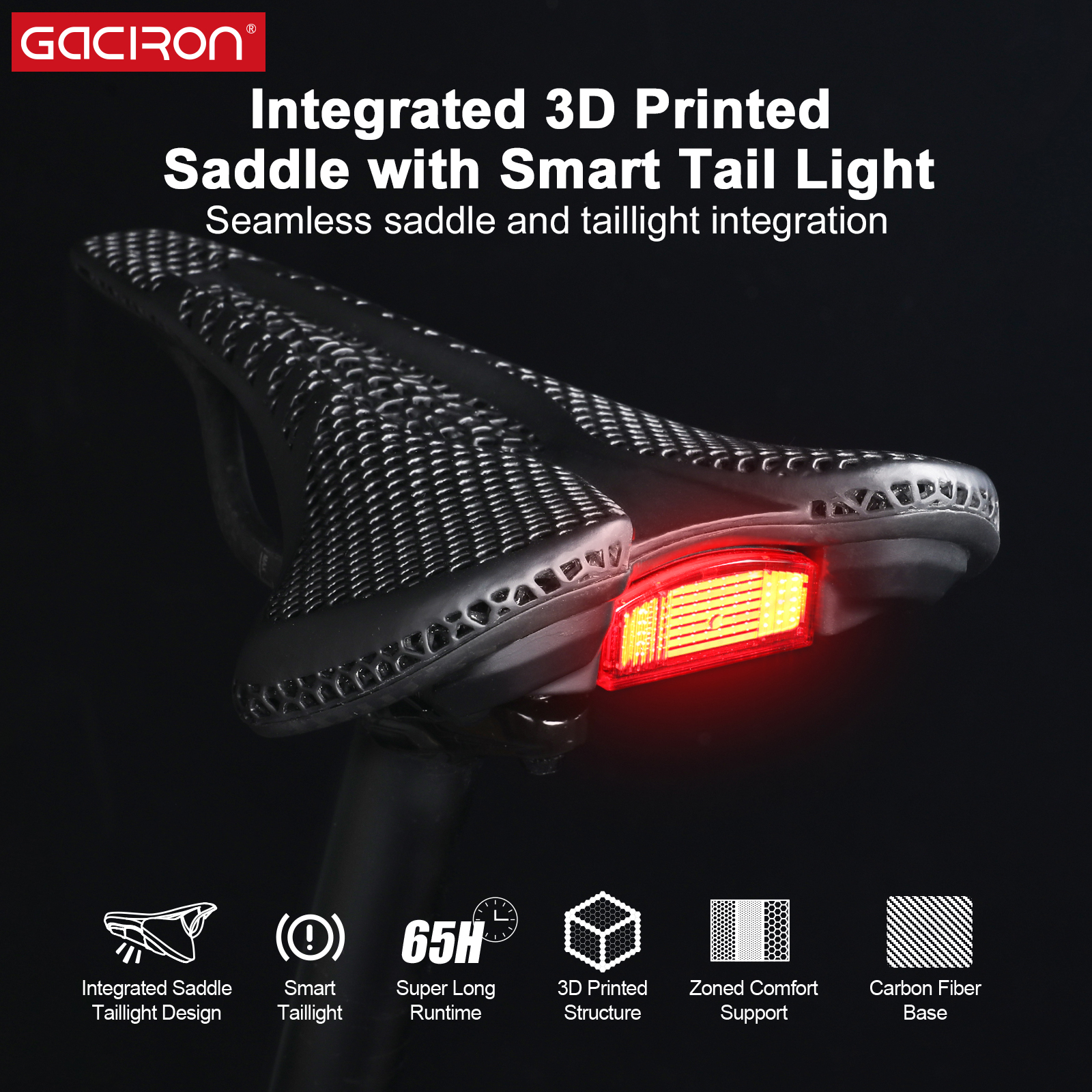
3D Additive Digital Lattice Printing
Replacing traditional PU foam with Digital Light Synthesis (DLS) photopolymer resin structures allows micro-tuning of cushion damping across exact coordinates of the saddle base, providing tailored flex without weight penalties.
- Customizable lattice stiffness per target discipline
- Complete air permeability & immediate pressure dispersion
- Extended lifespan with zero foam degradation
Smart Hardware & Lighting Integration
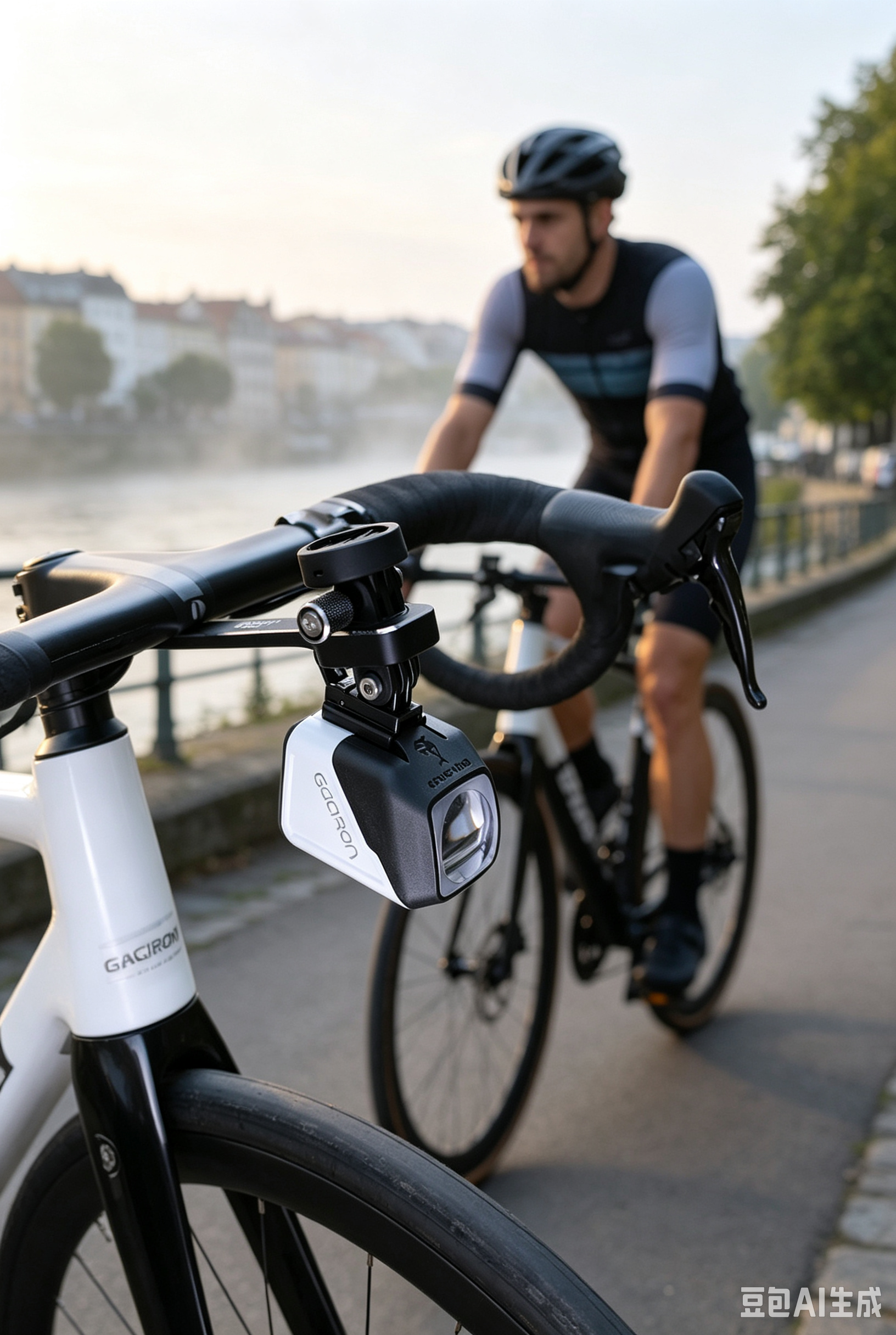
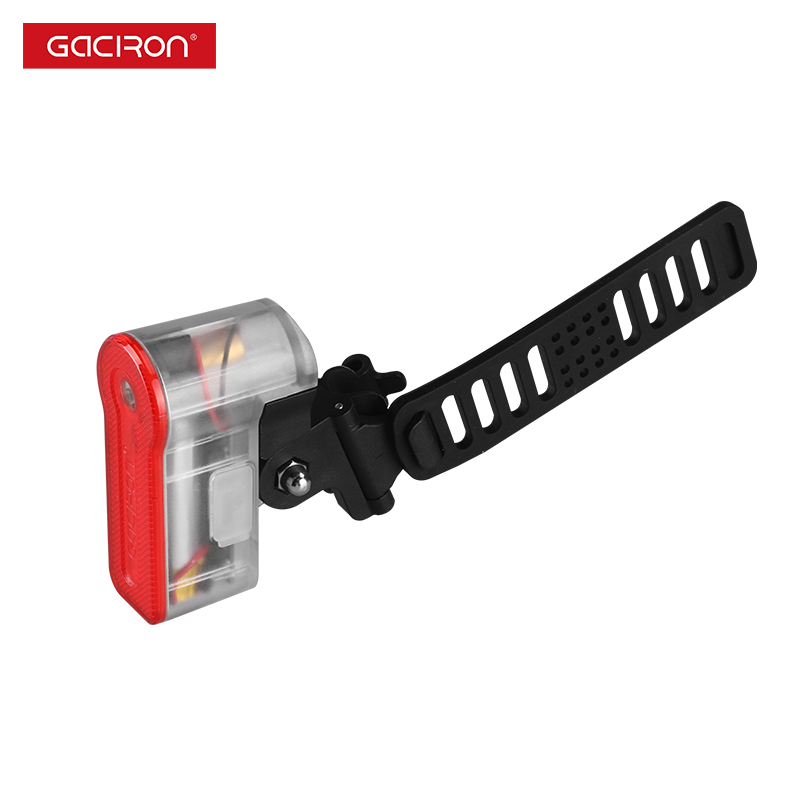
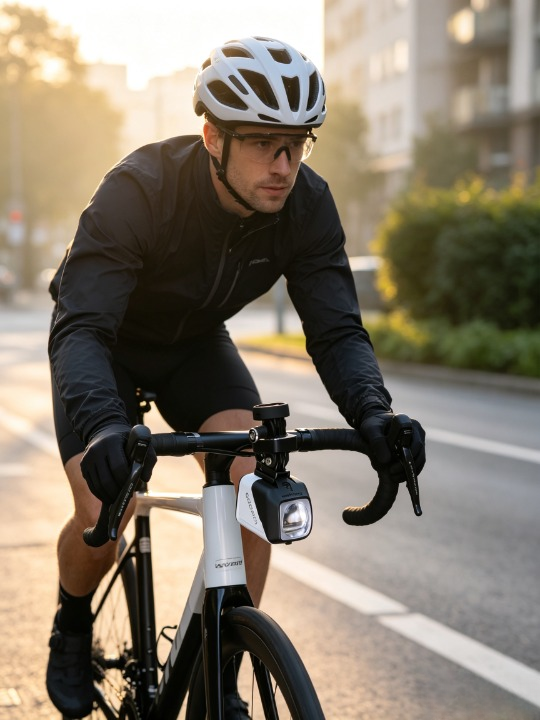
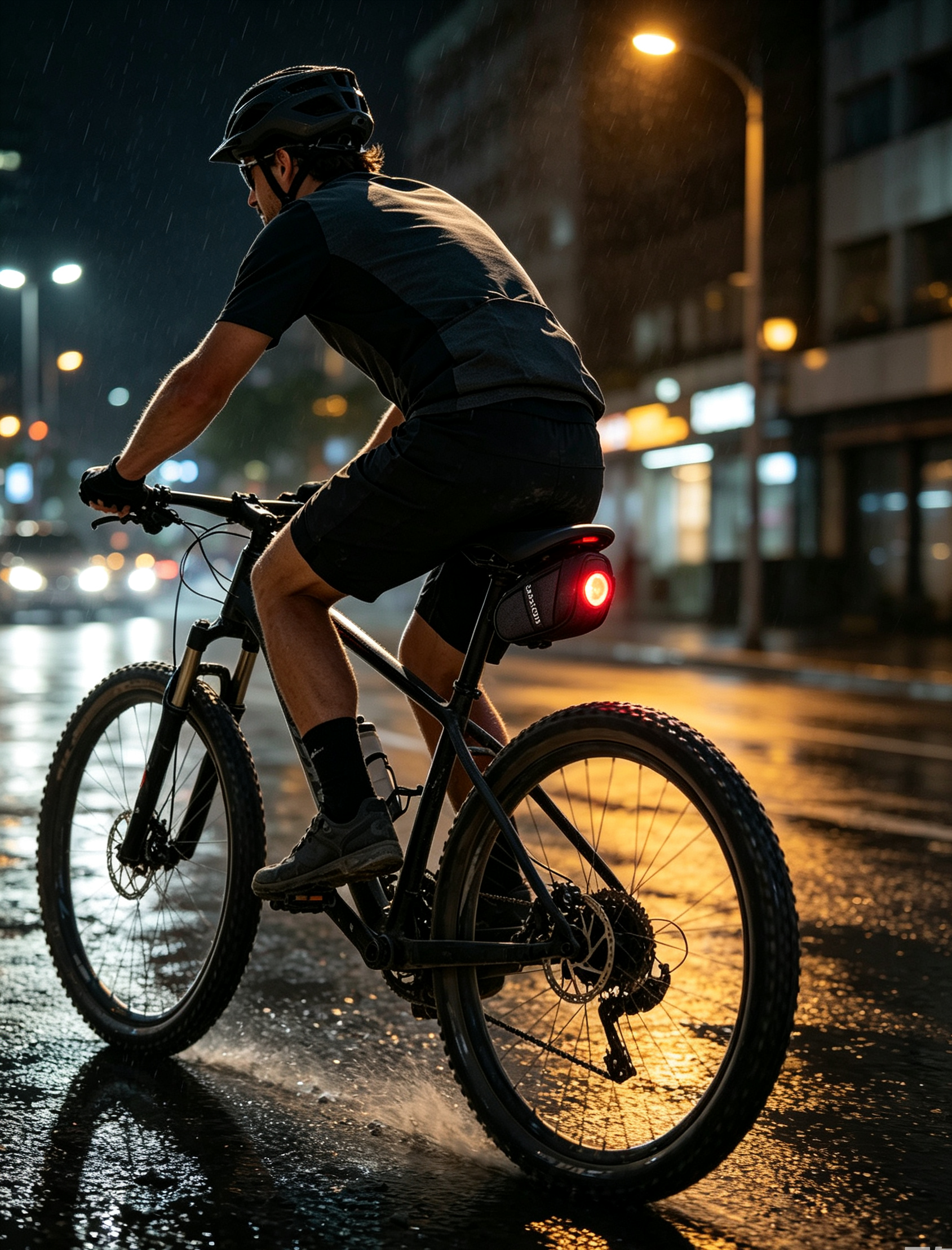
The boundary between soft goods and electronic safety hardware is disappearing. Modern ergonomic saddles seamlessly incorporate magnetic mounting interfaces for smart brake sensing rear lights and laser radar detectors.
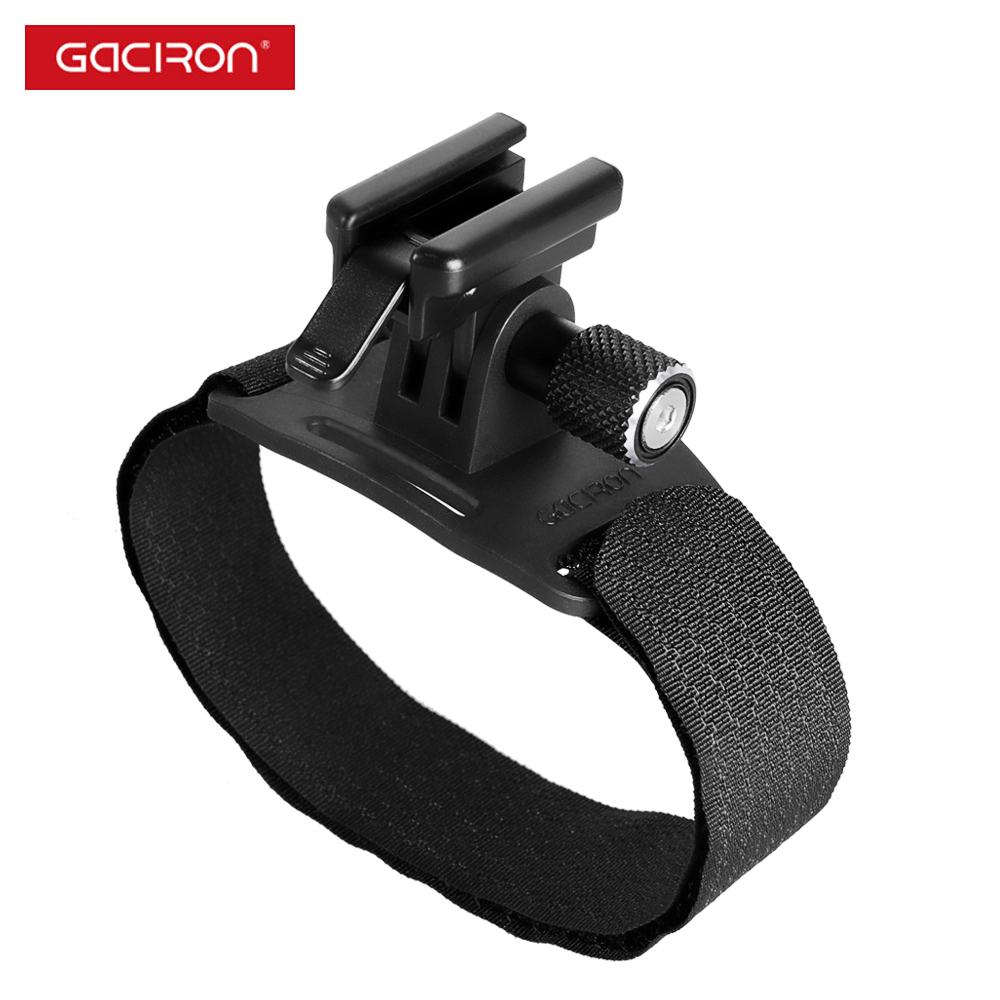
- Integrated structural mounts for lights (e.g. Gaciron CS-150)
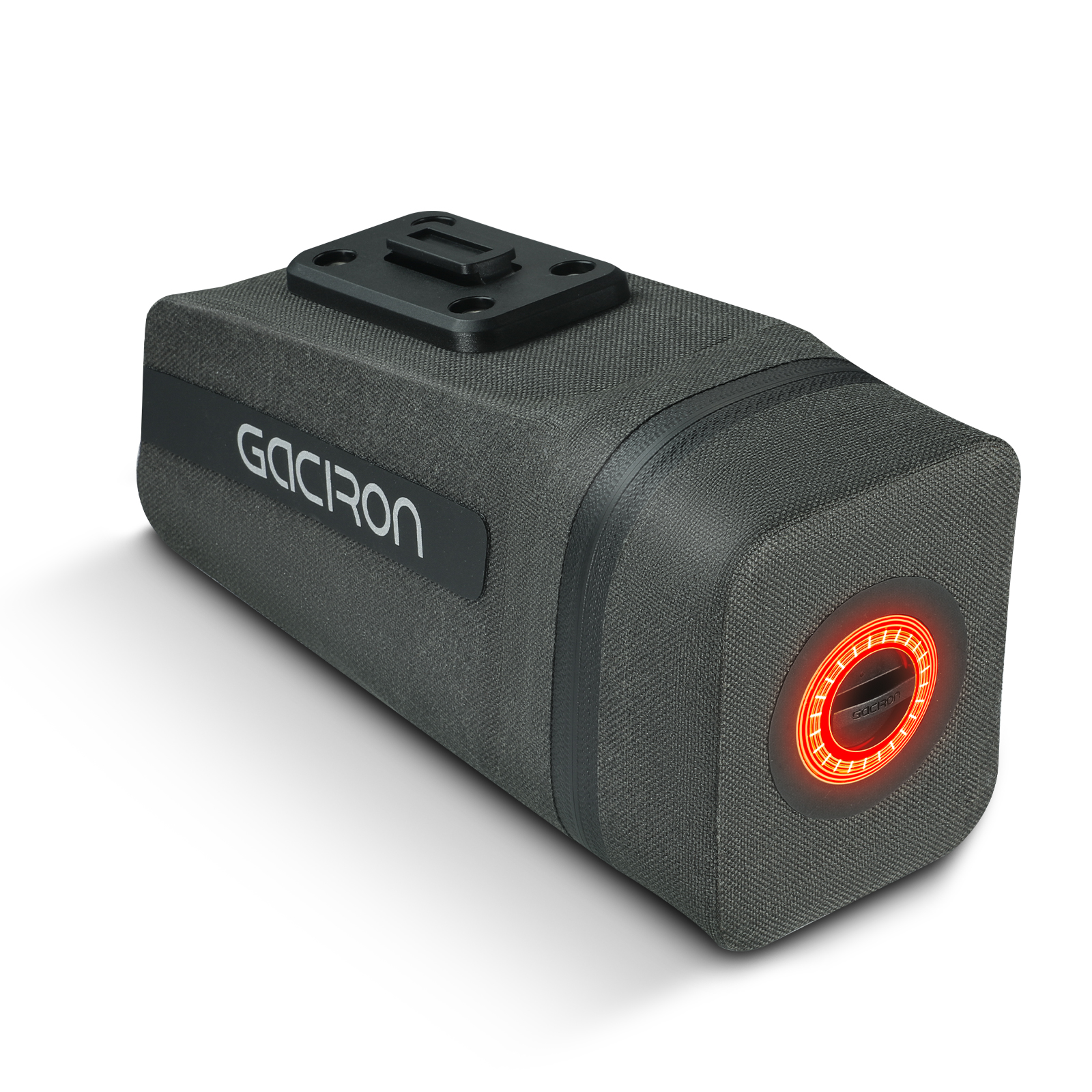
- Aero-optimized saddle bags with magnetic click-locks
- Clean cockpit & saddle-rear electronics ecosystem
E-Bike Specific Support Profiles
E-bike riders remain seated longer and experience continuous high-torque pedaling. Ergonomic seat design is shifting toward raised rear tails that prevent backward slippage during rapid motor acceleration.
- Slightly wider rear sitting platforms (155mm-165mm)
- Reinforced base bases handling higher motor torque forces
- Vibration-dampening elastomer rail inserts
Ergonomic Saddle Specification Matrix by Category
| Riding Category | Target Width Range | Recommended Padding | Rail Material | CE Testing Standard |
|---|---|---|---|---|
| Performance Road | 135mm - 145mm | High-Density EVA / 3D Lattice | T700 Carbon Fiber / Hollow Ti | EN ISO 4210-9 (1,200 N Fatigue) |
| Gravel & Endurance | 143mm - 152mm | Zoned PU Gel + Flex Base Shell | Chromoly (Cr-Mo) Steel | EN ISO 4210-9 (Impact Damping) |
| E-City & Commuter | 155mm - 175mm | Memory Foam + Elastomer Shock | High-Tensile Steel Rail | EN ISO 4210-9 (Static 1,500 N) |
| MTB Trail / Enduro | 140mm - 148mm | Medium Density PU + Anti-Abrasive Edge | Cr-Mo / Stainless Steel | EN ISO 4210-9 (Multi-Angle Impact) |
Future Sourcing & Procurement Trends for Importers and OEM Brands
Macroeconomic shifts, environmental regulations, and supply chain agility requirements are redefining how global brands manage contract manufacturing in China.
1. Decarbonization & Circular Material Sourcing
European Union climate mandates (including CBAM regulations) require consumer goods importers to audit carbon footprints across tiers of their supply chain. Leading ergonomic saddle factories are replacing petroleum-based PU artificial covers with bio-based solvent-free eco-leathers derived from recycled microfibers and plant-based polyols.
Furthermore, saddle base shells constructed from recycled nylon and carbon fiber composites are entering mass production. Partnering with a factory like Shenzhen QUZR Technology—which utilizes energy-efficient manufacturing in clean-room workshops—ensures compliance with future corporate ESG disclosure mandates.
2. Low-MOQ & Rapid Private Label Customization
Inventory carrying costs have pushed brands away from traditional multi-thousand-piece minimum order quantities (MOQs). Modern B2B procurement strategies prioritize agile suppliers offering modular OEM capabilities—allowing brand owners to start custom logo embossing, custom rail colors, and specialized packaging from as low as 20 to 100 units on established structural molds.
Supply Chain Optimization Tip
"To reduce tooling lead times from 90 days to under 20 days, global buyers should leverage pre-certified open-mold saddle shells while customizing upper density, cover texture, laser-etched rails, and integrated smart accessories."
Enterprise Competitive Advantage: Shenzhen QUZR Technology Co., Ltd.
Active in bicycle light and ergonomic cycling accessory manufacturing since 2009, QUZR offers end-to-end industrial design, precision machining, and automated assembly.
Vertical Integration & In-House Engineering
Unlike trading companies or assembly workshops that outsource core tooling, Shenzhen QUZR Technology maintains complete control over industrial design, optical tuning, thermal management, and structural plastic injection. With 8 dust-free assembly lines and over 50 automated CNC centers, we maintain rigorous quality standards across both soft goods (ergonomic saddles, bags) and hard accessories (headlights, smart laser taillights, CNC aluminum mounts).
Our in-house R&D team boasts an average response window of under 3 hours for technical inquiries, backing global brand partners with direct engineer-to-buyer consultation, 3D rapid prototyping, and comprehensive QA documentation.
- 40% Buyer Reorder Rate: Sustained product performance across North America, EU, and Southeast Asia.
- Verified Business Premises: Onsite verified manufacturing center located in Shenzhen, Guangdong.
- Flexible Payment & Logistics: Support for FOB, CIF, EXW, DDP, T/T, L/C, and express door-to-door delivery.
OEM/ODM Project Workflow
Frequently Asked Questions for Sourcing Managers & Importers
Get direct answers regarding order minimums, OEM tooling costs, certification paperwork, and international shipping options.
What is the minimum order quantity (MOQ) for CE certified bike seats and accessories?
How does the factory guarantee CE and ISO 4210 safety compliance?
Does QUZR offer full ODM development for unique ergonomic geometries?
What is the average lead time for production and sample delivery?
Which payment terms and delivery methods are supported for export?
Ready to Upgrade Your Brand's Ergonomic Bike Seat Lineup?
Download our comprehensive product catalog, request high-resolution OEM specification sheets, or speak directly with our Senior Sourcing Engineers.
Get Catalog