Featured CE-Certified Bicycle Illumination Systems
Precision-engineered headlights, smart radar brake taillights, and light-integrated cycling accessories manufactured for global brand distributors.
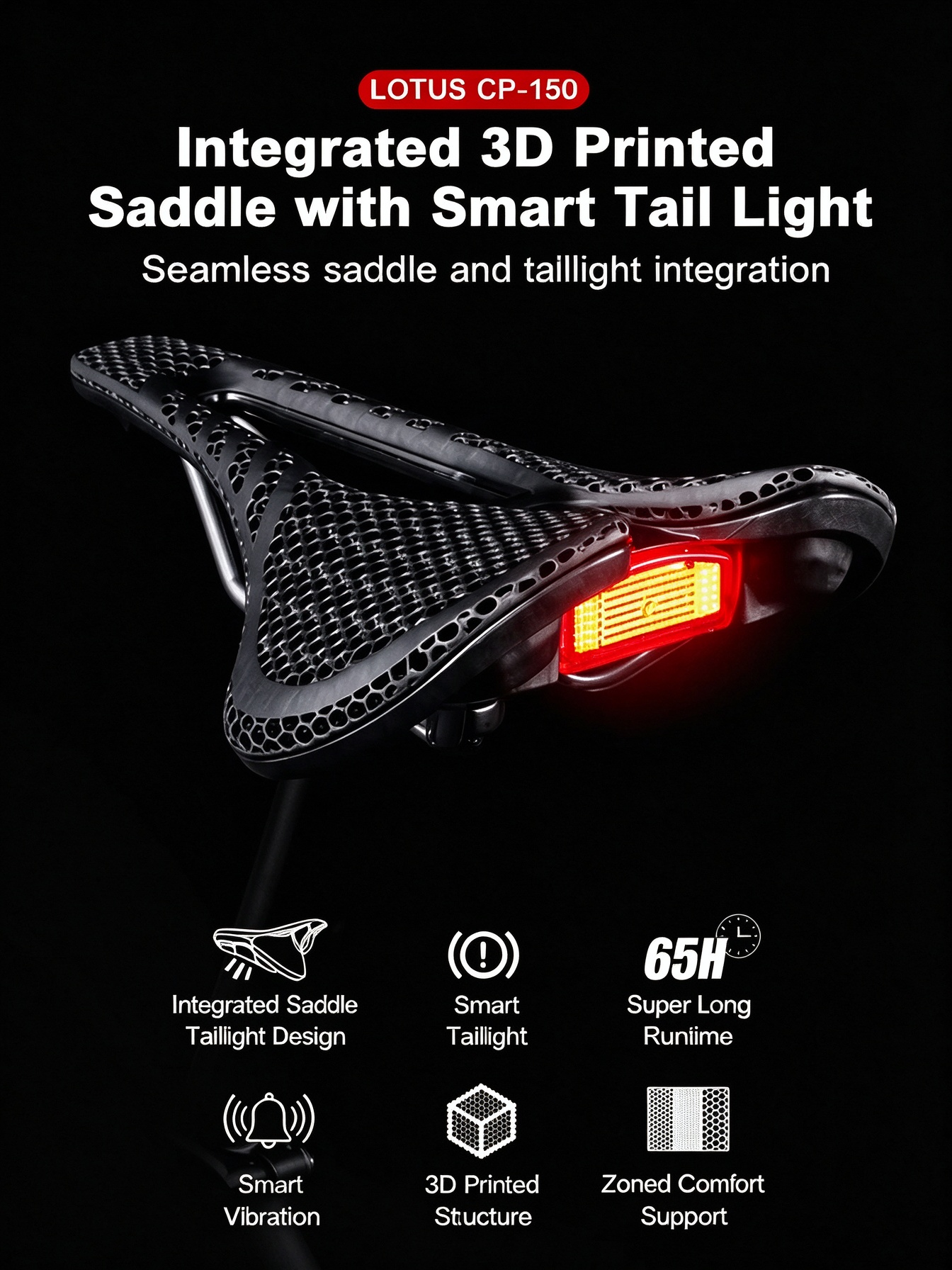
Gaciron CP150 Smart Brake Sensing Integrated Saddle Taillight
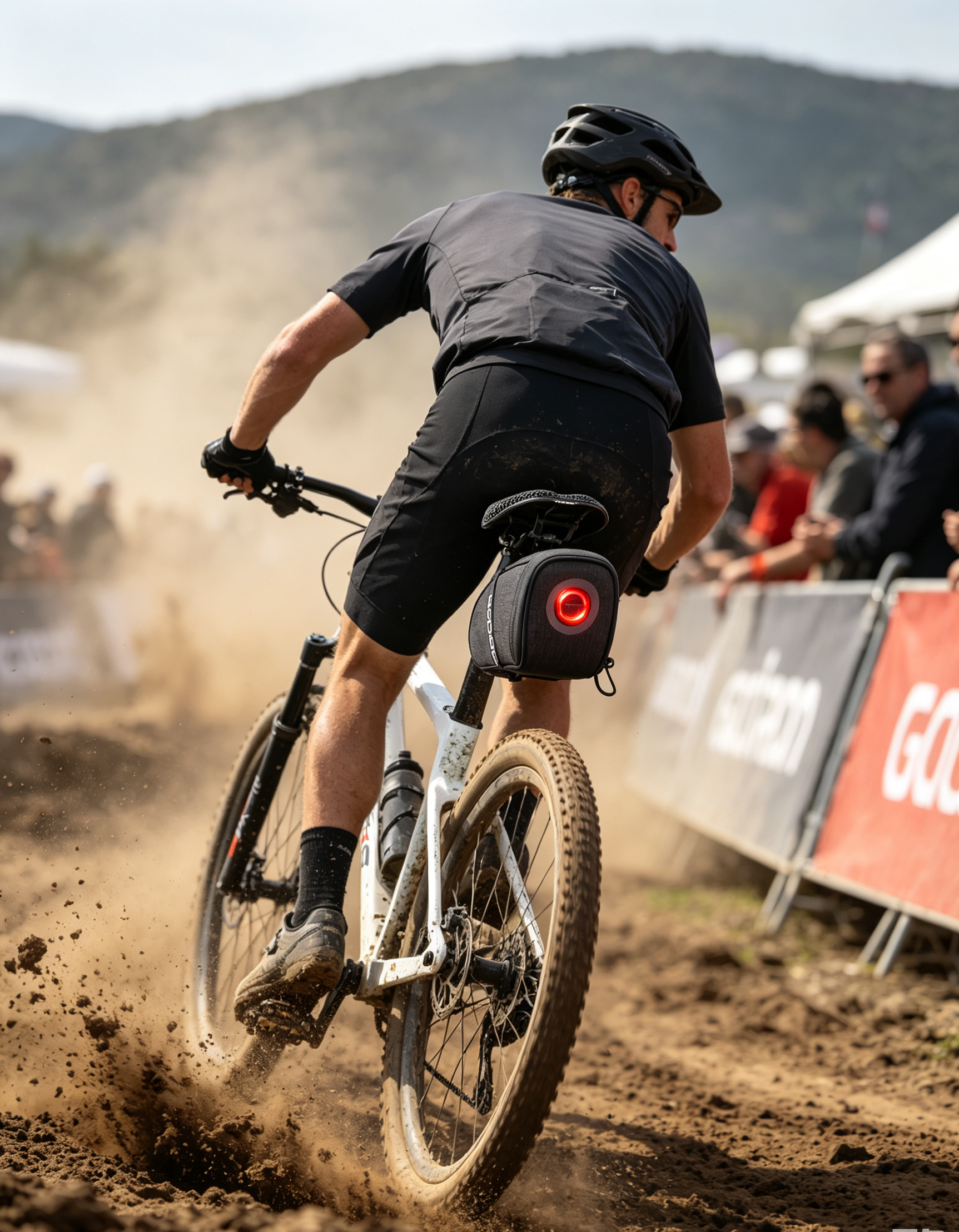
Gaciron BIRD NEST-300 Smart Sensor Bicycle Bag Rear Light
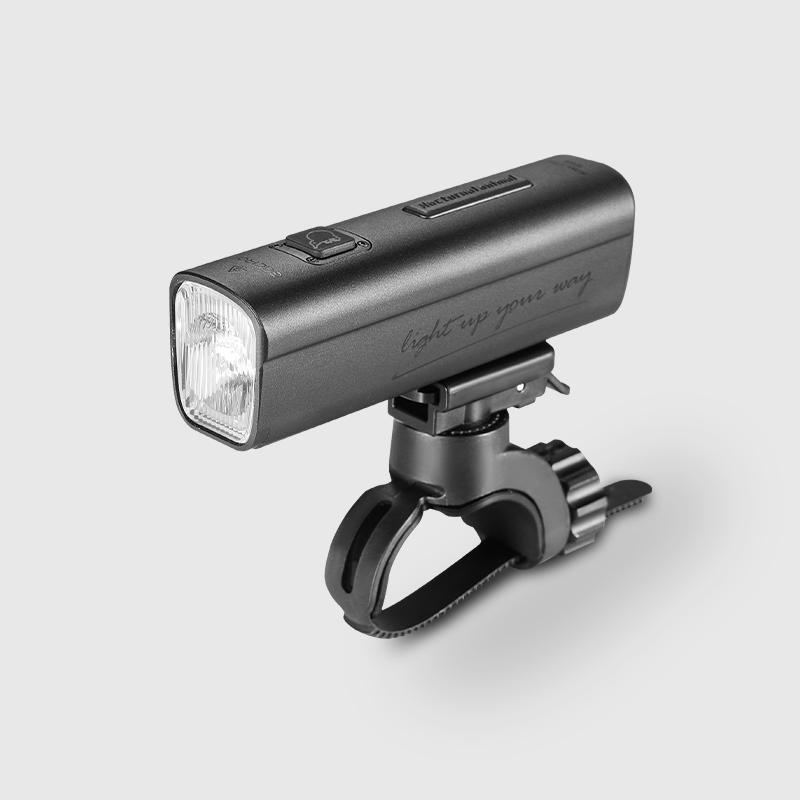
Gaciron Kiwi-1200 1200LM Symmetric Optics IPX6 Bike Headlight
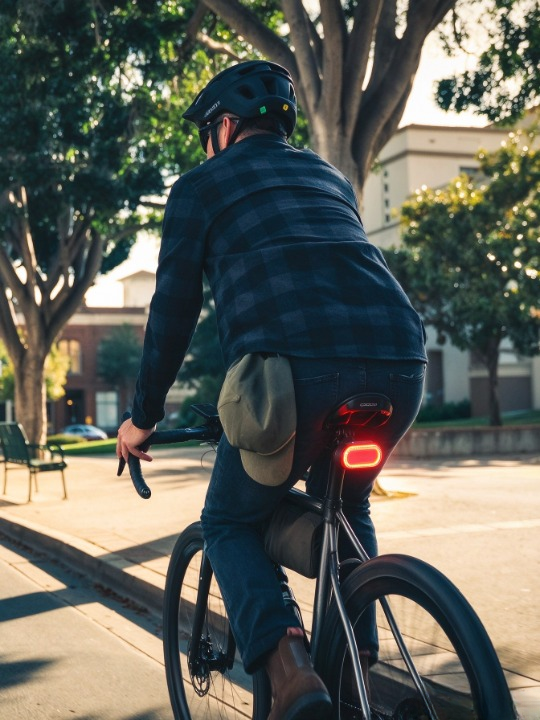
Gaciron SENTRY R9 ULTRA Smart Radar Bicycle Rear Light
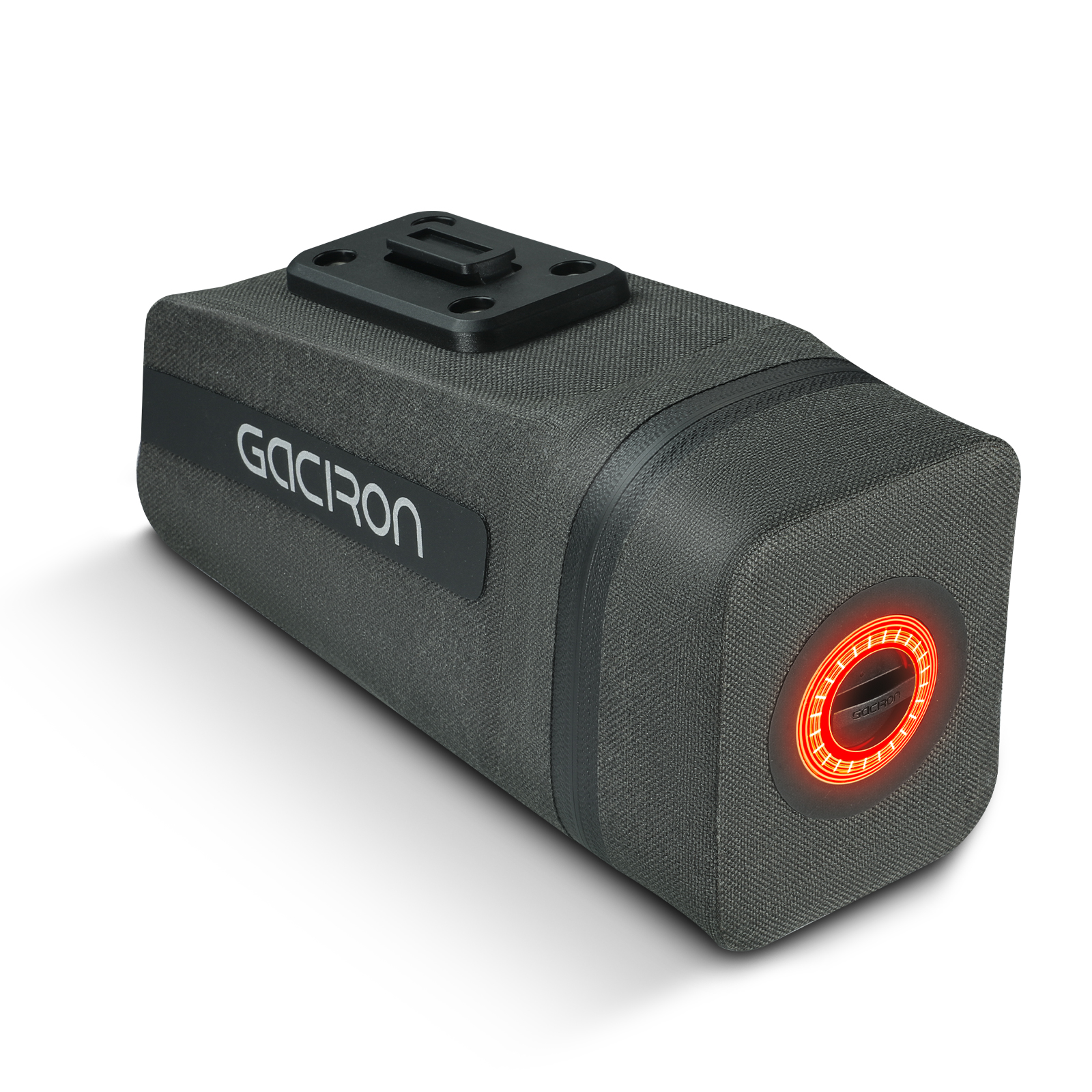
Gaciron Bird Nest-200 Waterproof Road Bike Mirror & Bag
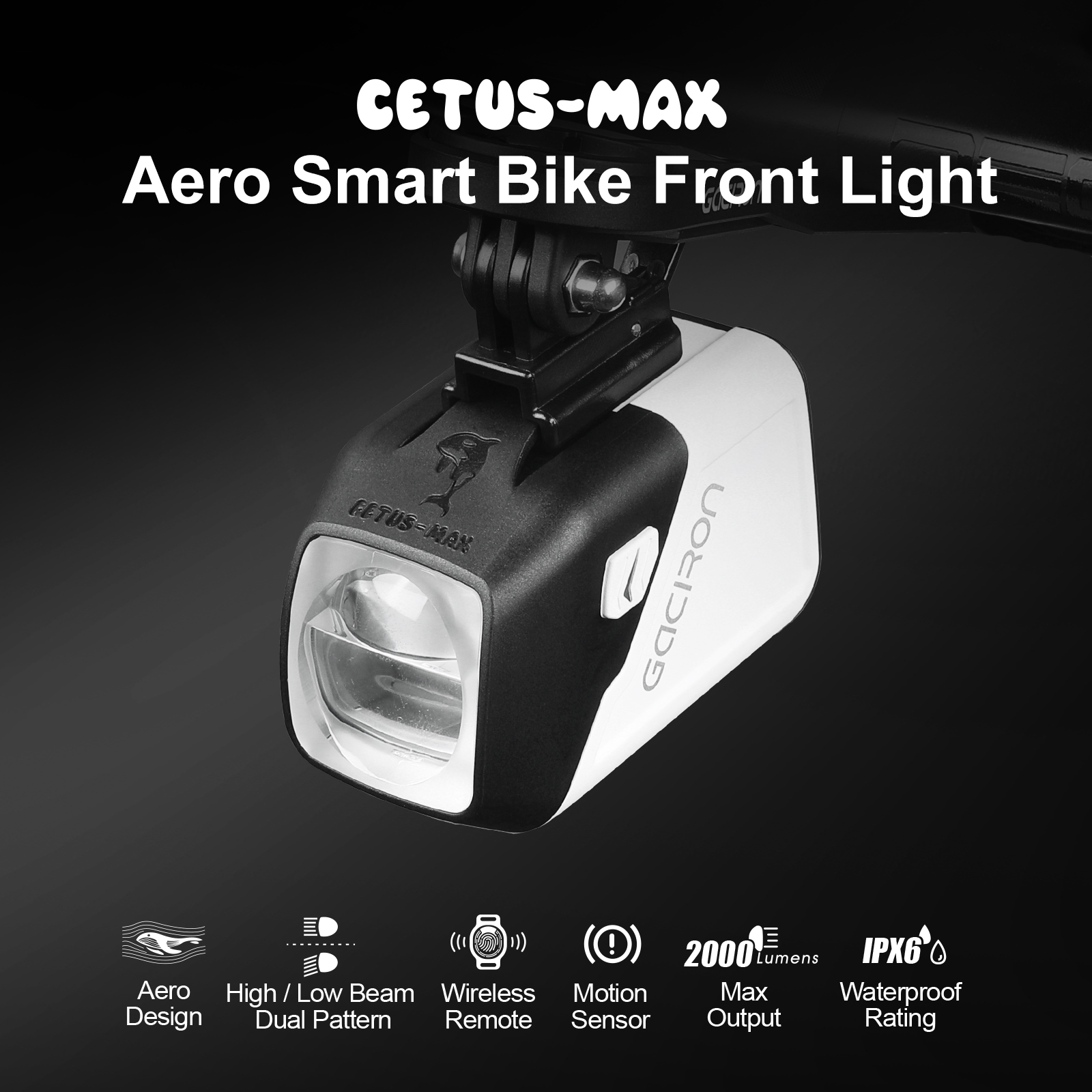
2000 Lumen Bike Headlight with Wireless Remote Control
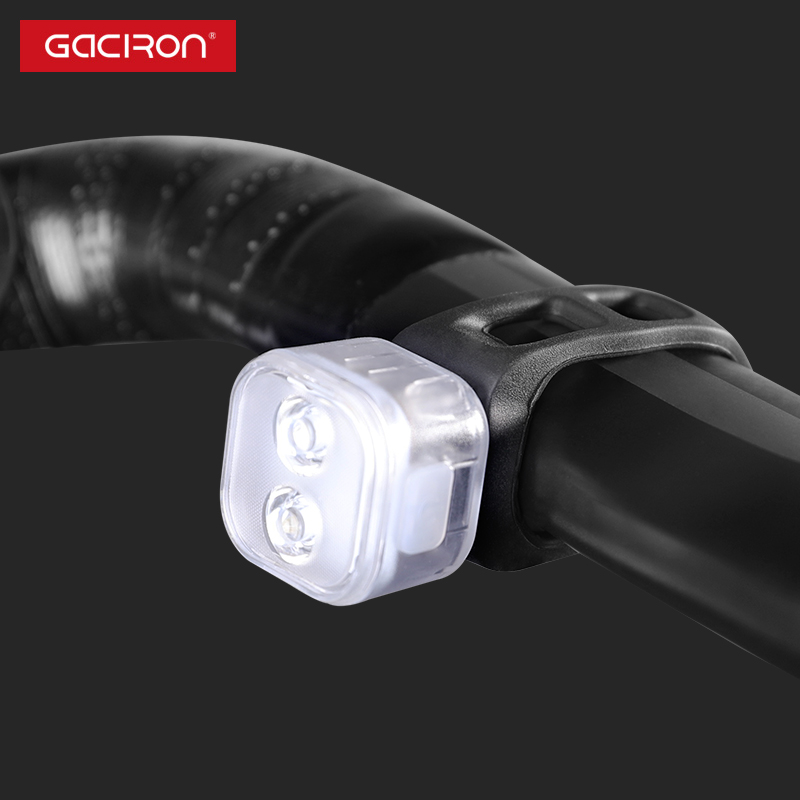
Gaciron W07W 20LM Mini USB Rechargeable Warning Light
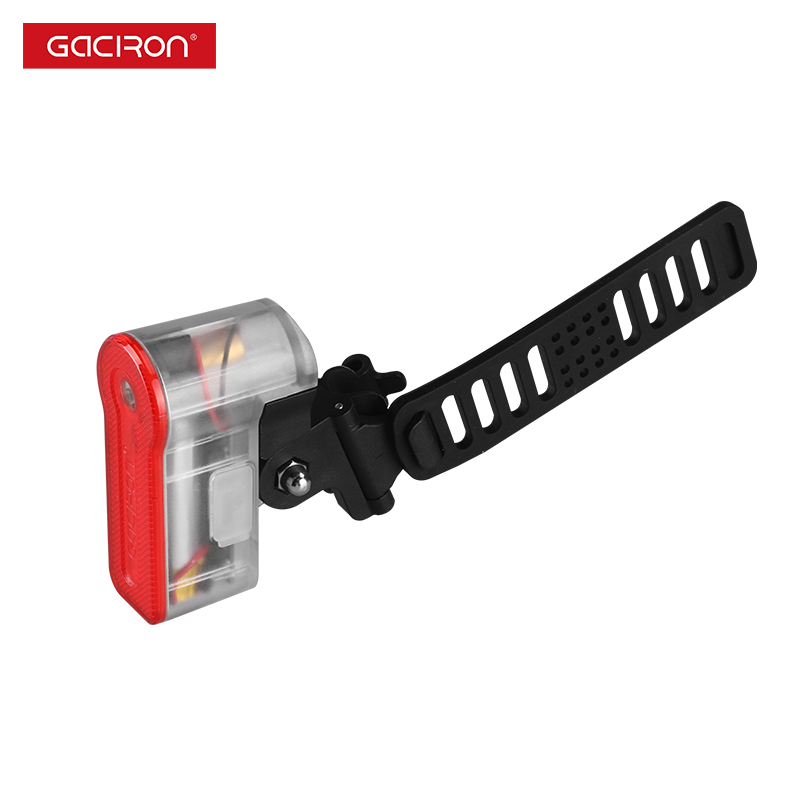
Gaciron W03AW 30LM Smart Laser Brake Sensing Taillight
Enterprise Infrastructure & Compliance Capabilities
Founded in 2009, Shenzhen QUZR Technology Co., Ltd. has operated at the absolute forefront of industrial design, photometric research, and automated production of specialized CE-certified cycling headlamps and safety illumination accessories. Operating from an expansive 9,350-square-meter standardized manufacturing center in Shenzhen, China, our facilities house 8 standardized dust-free assembly lines alongside high-speed precision Surface Mount Technology (SMT) suites.
To maintain rigorous dimensional and optical tolerance controls, our CNC machining workshop operates over 50 automated CNC machines dedicated exclusively to carving aircraft-grade 6063 T6 aluminum housings. This structural foundation delivers optimal thermal dissipation required by modern ultra-high lumen LED configurations (such as Cree XM-L2, Luminus SST-40, and Osram Opto LEDs). Every product leaving our assembly line passes multi-stage Quality Assurance (QA) protocols, including integrating sphere photometric tests, high-pressure liquid ingress verification (IPX4 to IPX7), drop testing, and thermal throttling validation.
Full Regulatory Compliance
Certified CE (EN 15194, EN 62471 photobiological safety), RoHS, FCC, REACH, and StVZO (K-Mark optical cutoffs) compliance for seamless European and North American customs clearance.
In-House Optical & Firmware R&D
Dedicated engineers specializing in asymmetric optical reflector design, free-form beam sculpting, 24GHz mmWave radar firmware integration, and 6-axis MEMS accelerometer calibration.
Scalable OEM/ODM Supply Chain
Flexible procurement options ranging from low MOQ stock models (from 20 sets) to comprehensive ODM buyer-label programs with custom packaging, beam patterns, and CAN bus E-bike integration.
Future Procurement Trends in Commercial Cycling Lighting
As global micromobility usage accelerates across urban transport networks and off-road trail sectors, procurement strategies for cycling lamps are undergoing a fundamental paradigm shift. Importers, brand owners, and OEM purchasers must evaluate lighting hardware beyond simple raw lumen output. The market demands intelligent, optically compliant, and thermally stable lighting ecosystems.
1. Shift from "Raw Lumens" to "Lux Distribution & Anti-Glare Cutoff Optics"
Historically, consumer marketing heavily favored inflated lumen ratings (e.g., 2000LM to 3000LM). However, modern regulatory bodies and municipal commuters are demanding anti-glare beam shaping. In European markets, adherence to strict glare-free cutoffs—inspired by German StVZO TA23 standards—is mandatory for city riding. Future procurement orders prioritize lamps utilizing asymmetric internal optics that direct light downward onto the pavement, preventing blinding dazzle for oncoming traffic while maximizing effective beam throw (measured in Lux at 10 meters).
2. Integration of Micro-Radar Sensing & V2X Smart Safety Networks
Safety lighting is transitioning from passive illumination to active situational awareness. High-end procurement trends show an explosive increase in demand for tail lights embedded with 24GHz Doppler millimeter-wave radar modules (such as the SENTRY R9 Ultra series). These units track approaching vehicles from up to 140 meters away, dynamically adjusting flash frequency to alert drivers while simultaneously outputting ANT+ / Bluetooth Smart telemetry data to rider head units (Garmin, Wahoo, Bryton).
3. Wide-Voltage Direct E-Bike Power Integration (6V–60V DC)
With electric bicycle (E-Bike) sales surging globally, legacy battery-only light systems are losing market share in urban categories. Modern factory buyers require modular headlamp architectures capable of accepting wide direct-current input ranges (6V to 60V DC) seamlessly interfacing with Bosch, Shimano, Bafang, and Brose drive systems. This eliminates internal lithium-ion pack weight while allowing headlights to draw power directly from the main E-Bike battery.
| Technology Generation | Optical Architecture | Core Smart Features | Compliance & Ingress | Target Buyer Segment |
|---|---|---|---|---|
| Legacy (Gen-1) | Direct TIR Cone Lens (Rotational Symmetry) | Basic On/Off, Manual Flashing Modes | IPX4 (Basic Splash Proof) | Budget Mass Retail / Low-End OEM |
| Current Market Standard | Dual-Lens Flood/Spot Hybrid Optics | 6-Axis MEMS Smart Brake Sensing | CE, RoHS, IPX6 Jet Water Proof | Mid-to-High Tier Brand Importers |
| Next-Gen Procurement Trend | Asymmetric Free-Form Cutoff (StVZO Class) | 24GHz Radar, CAN-Bus E-Bike Direct Wiring | CE, EN 15194, ISO 9001, IPX7 | Premium OEM / Urban E-Bike Fleets |
Technical & Development Trends in Headlamp Manufacturing
Achieving long-term reliability in high-output cycling headlamps requires sophisticated electro-thermal and optical engineering. Below are the primary technological vectors driving product manufacturing at our Shenzhen production center:
Dynamic Thermal Management Circuits
High-lumen LEDs generate localized die temperatures exceeding 80°C. Our motherboards utilize NTC thermistors paired with constant-current buck-boost drivers, dynamically throttling voltage to prevent thermal degradation without sudden light loss.
Asymmetric Beam Geometry & Reflection
Using vacuum metalized aluminum micro-reflectors, our cutoff optics redirect 95% of upward scattered light back onto the near-field and far-field road surfaces, enhancing peripheral illumination while adhering strictly to CE & EN photobiological standards.
Monolithic CNC Aircraft Aluminum Housings
Moving away from plastic injection, 6063 T6 aviation-grade aluminum housings act as structural chassis and passive heat sinks simultaneously. Anodized surfaces provide superior scratch resistance and IPX6/IPX7 waterproof integrity under tropical torrential rain conditions.
Frequently Asked Questions for B2B Procurement Teams
Find technical and commercial answers regarding factory compliance, MOQ limits, testing procedures, and custom OEM/ODM lead times.
Our products undergo comprehensive third-party testing in accredited labs to meet European CE directive compliance. This includes Electromagnetic Compatibility (EMC Directive 2014/30/EU) to ensure zero interference with wireless bike computers/GPS, Low Voltage Directive (LVD 2014/35/EU) for safe USB-C fast charging, and EN 62471 Photobiological Eye Safety testing to verify that high-power LED emitters do not cause retinal blue-light hazards.
For standard factory-branded or neutral stock items, our MOQ starts at just 20 pieces per model, allowing brand owners to conduct market pilot tests. For custom OEM branding (silk-screen logo printing, custom laser etching, and tailored retail packaging), the MOQ is typically 500 to 1,000 units depending on colorway and housing complexity.
Water ingress protection is embedded directly into structural engineering. We utilize sonic-welded polycarbonate lens caps, custom-molded silicone O-rings along aluminum housing joints, and hydrophobic membrane seals over Type-C charging ports. During production, samples are subjected to pressurized water jet spray tanks for 30 minutes to guarantee zero water penetration.
Yes. Our in-house engineering team provides end-to-end ODM solutions. We begin with optical simulation software (LightTools/TracePro) to shape specific light distributions, generate 3D CAD files for CNC prototype creation, design PCB circuit layouts, and build custom injection/machining molds. Complete ODM development cycles typically take 45 to 60 days from initial brief to mass production.
All internal lithium-ion battery cells (ranging from 18650 to high-density 21700 cell formats) feature integrated PCB safety protection circuits against over-charge, over-discharge, short circuits, and thermal runaway. Every shipment is accompanied by valid UN38.3 transport test reports, MSDS documentation, and Air/Sea Drop Safety Certificates for seamless international transport compliance.
Partner with a Leading CE-Certified Cycling Light Exporter
Elevate your brand product line with industry-leading optical cutoff headlights, smart brake taillights, and custom OEM manufacturing solutions.