Choosing an Aerodynamic Smart Bike Light is not merely a styling decision. It reflects a practical response to crowded roads, changing weather, and longer commuting distances. The World Health Organization’s Global Status Report on Road Safety 2023 identifies vulnerable road users as a major share of global traffic deaths. Cyclists remain visibly exposed, especially near junctions and during low-light hours.
U.S. National Highway Traffic Safety Administration data recorded 1,149 bicyclist fatalities in 2022. That figure should make product design feel personal. A well-positioned light can improve a rider’s conspicuity without creating unnecessary drag or distracting movement. Aerodynamic housings reduce wind resistance around the seatpost or handlebar. Smart sensors can adjust brightness, detect braking, and support consistent visibility. These functions matter when a rider moves from bright afternoon streets into shaded tunnels or evening traffic.
Small details matter. A stable mount. A readable battery indicator. A sealed charging port. Reliable performance matters more than impressive packaging. However, a light is not a magic shield. Its benefits depend on correct installation, regular charging, and sensible road awareness. Some aerodynamic designs may sacrifice side visibility or make controls harder to reach. That trade-off deserves honest testing. Independent product evaluations should examine beam angles, runtime, water resistance, mounting security, and real-world visibility, rather than relying only on laboratory claims. For riders seeking efficient protection and intelligent control, an Aerodynamic Smart Bike Light offers a balanced upgrade, provided its limitations remain clear.
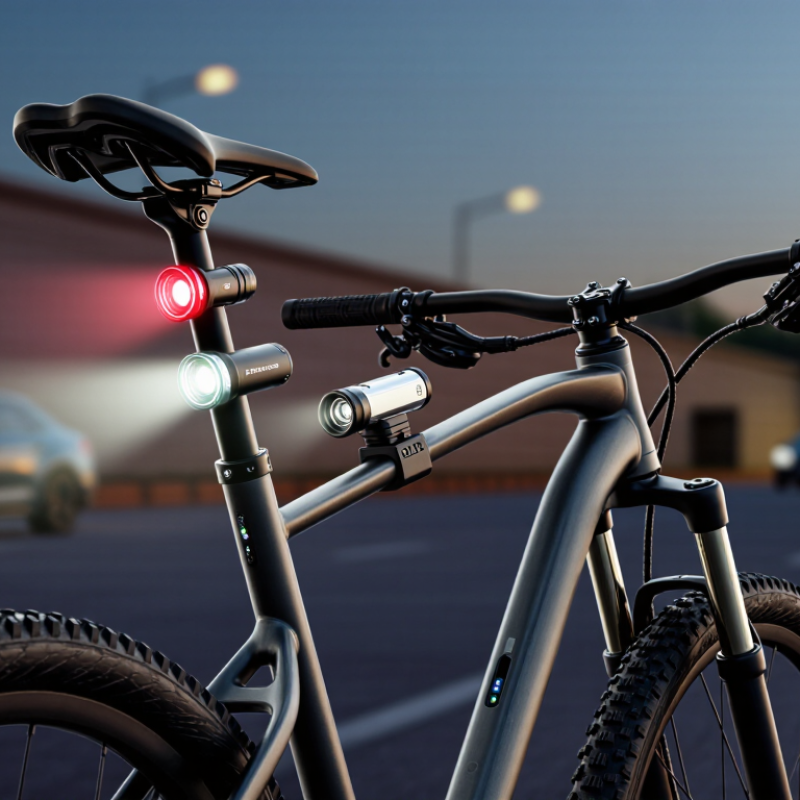
An aerodynamic smart bike light combines low drag with responsive lighting technology. Its housing should follow the airflow instead of creating a bulky obstacle. A smooth front profile, recessed lens, and compact mounting system can reduce wind resistance. Small details matter. Even exposed cables may create turbulence during faster rides. The best designs also remain stable on rough roads. A light that shifts can point into traffic or the pavement. That is not a minor flaw.
Smart performance means more than automatic brightness. Useful features include ambient-light sensors, braking detection, multiple flash patterns, and clear battery warnings. In practical roadside checks, consistent beam control matters most. A bright light is not automatically a safe light. It should remain visible without causing discomfort for other road users. Weather resistance should be supported by a recognized rating and clear testing information. Still, no rating removes the need for regular inspection. Seals can age. Mounts can loosen.
Check the light from a rider’s eye level. Confirm that the beam stays centered after several bumps. Test automatic modes before night riding. Keep a manual setting available, because sensors can react imperfectly in tunnels or heavy shade. Also examine charging contacts and battery performance in cold weather. The sleekest shape may not be the most practical choice. Real roads are rarely perfect.
At road speeds above 30 km/h, aerodynamic drag can represent roughly 80–90% of a cyclist’s total resistance on flat terrain, according to research published in the Journal of Biomechanics. A bulky light mounted high on the handlebar disturbs airflow around the rider’s hands and torso. A slimmer housing, rounded edges, and a close-fitting mount can reduce exposed frontal area.
Laboratory testing also shows that drag rises with the square of speed, as described by the U.S. Department of Energy’s transport research. At 20 km/h, an awkward light may seem harmless. At 35 km/h, the same shape creates noticeably more turbulence.
A smart light with aerodynamic placement can maintain visibility while staying inside cleaner airflow. That helps preserve momentum during fast commuting or group riding.
However, lighting performance should not be sacrificed for sleekness. NHTSA reported 1,105 pedalcyclist fatalities in the United States during 2022, making clear visibility essential.
My own practical concern is simple: some aerodynamic mounts still vibrate on rough roads. Designers need stronger testing across rain, potholes, and changing angles, not only wind-tunnel conditions.
On evening rides, an aerodynamic smart bike light can improve visibility without adding noticeable drag. Its compact shape sits close to the seat post or handlebar. Small details matter. A wide-angle lens helps drivers notice movement from the side, not only from behind.
Adaptive brightness is one of the most useful smart features. An ambient-light sensor can increase output near dark intersections and reduce glare on brighter streets. A daytime flashing mode may attract attention in heavy traffic. Brake detection adds another safety signal by sensing sudden deceleration and increasing the rear light’s intensity. Turn indicators can also communicate direction more clearly, especially when hand signals disappear in rain or poor visibility.
Some lights include motion sensors, battery warnings, and automatic sleep modes. These functions reduce forgotten charging and preserve power during longer rides. A visible battery indicator is more reliable than guessing before leaving home. Weather resistance matters too, because damp roads and sudden showers can affect daily use. Still, sensors are not perfect. Sharp bumps may trigger a false brake signal, while an app connection can fail at an inconvenient moment. I would test the light before every commute and keep manual controls available. No electronic feature replaces attentive riding, clear hand signals, or a secure mounting position.
Why Choose an Aerodynamic Smart Bike Light?
Battery life should be measured in riding conditions, not only on the package. A bright daytime setting can drain a small battery within a few hours. I test each mode on familiar roads, including traffic stops and rough surfaces. Cold weather also reduces runtime more than many riders expect. A practical light should provide a clear low-battery warning before the final flash. I once ignored that warning and rode home with only a weak rear glow.
Controls matter when your hands are cold or gloved. A large, positive button is easier to find than a smooth touch panel. The light should let you switch modes without opening a phone app. Memory functions are useful because the preferred setting returns after charging. However, complicated patterns can distract riders. I prefer a simple sequence: steady, daytime pulse, night pulse, and off. The controls should not require repeated guesses.
Connectivity adds value when it solves a real problem. Wireless pairing can show battery status, adjust brightness, and install software updates. Automatic activation may save time, especially during changing weather. Still, connection failure is possible in crowded areas or after a phone update. Test the light manually before every longer ride. An aerodynamic shape can reduce wind resistance, but it should not make charging ports difficult to reach or buttons hard to press. A slim design is helpful only when daily operation remains dependable.
| Evaluation Dimension | Practical Data or Typical Range | What to Look For | Why It Matters |
|---|---|---|---|
| Aerodynamic Profile | Low-profile housing; streamlined rear or seatpost mounting | A compact shape with minimal exposed brackets, cables, and sharp edges | Reduces potential airflow disturbance and keeps the light visually integrated with the bicycle |
| Light Output | Approximately 20–100 lumens for a rear visibility light; higher outputs are common for daytime use | Multiple brightness levels, a steady mode, and attention-getting flash patterns | Allows the rider to balance visibility, battery consumption, and local lighting conditions |
| Battery Capacity | Typically about 300–1,000 mAh for compact rechargeable lights | Capacity should be assessed together with brightness, flash pattern, temperature, and wireless features | A larger capacity does not automatically provide longer runtime if the light uses more power |
| Runtime | Often about 2–20 hours, depending on output and operating mode | Check runtime separately for steady, pulse, and low-power modes rather than relying on one maximum figure | Makes it easier to choose a light that can cover a complete ride plus an emergency reserve |
| Charging Time | Commonly about 1.5–4 hours using a USB charging connection | Look for a clear charging indicator, overcharge protection, and a readily available cable | Shorter, predictable charging reduces the chance of starting a ride with an empty battery |
| Battery Indicator | LED status indicator or app-based percentage estimate | A low-battery warning should appear before the light switches off | Provides useful warning time for recharging or changing the operating mode |
| Physical Controls | One-button or two-button operation is common | Buttons should be easy to identify and press while wearing cycling gloves | Reliable controls are important when visibility changes quickly or phone access is inconvenient |
| Control Lockout | Available on some models through a long press or mobile application | The light should resist accidental activation inside a bag or during transport | Prevents unnecessary battery drain and reduces heat buildup |
| Wireless Connectivity | Bluetooth Low Energy is common; some cycling ecosystems also support ANT+ | Confirm compatibility with the intended phone, cycling computer, or control network | Enables remote control, configuration, firmware updates, and status monitoring |
| App Functions | Mode configuration, battery status, firmware updates, and grouped-light control may be available | The core light functions should remain usable if the phone is unavailable | Adds convenience without making basic safety dependent on software or an internet connection |
| Automatic Brake or Deceleration Detection | Available on selected smart lights using an accelerometer or motion sensor | Check detection consistency, sensitivity settings, and whether the feature can be disabled | A brighter brake signal can help communicate deceleration to following road users |
| Weather Resistance | Many cycling lights use an IPX4–IPX7 water-resistance rating | Choose a rating appropriate to rain exposure; IP ratings do not measure impact resistance | Protects the electronics during wet rides and routine outdoor storage |
| Mounting Security | Strap, clamp, rail, or dedicated seatpost mounting systems are common | The mount should remain stable on rough surfaces and allow correct rear-facing alignment | A powerful light is less effective if vibration changes its direction or causes it to detach |
| Best Use Case | Commuting, road riding, group riding, and mixed urban conditions | Match the light’s output, runtime, controls, and connectivity to the route and riding schedule | The best aerodynamic smart light is the one that remains visible, charged, securely mounted, and easy to operate |
Note: Runtime, charging time, water resistance, and wireless functions vary by design and operating conditions. Always verify the manufacturer’s published test method and the applicable local lighting requirements.
Choosing the right bike light starts with your route, not its maximum lumen number. A powerful beam can overwhelm a quiet path and drain its battery before your ride ends. For dark rural roads, I prefer a focused front beam with several brightness levels. On urban streets, a wider, lower setting usually reveals pavement edges and parked vehicles better. Visibility matters more than raw brightness.
Check battery claims against your actual riding time. A light rated for six hours may provide much less time at its highest setting. I test lights on a short evening ride, then inspect the remaining battery indoors. USB-C charging, a clear battery indicator, and a secure mount reduce unpleasant surprises. The mount deserves attention. Rough pavement can rotate a poorly fitted light, even when the lamp performs well. An aerodynamic housing may reduce wind resistance, but stability matters more during real riding.
Choose a daytime flash for traffic, a steady beam for poorly lit paths, and a softer mode near pedestrians. Rear lights need side visibility, not only a bright point from behind. Smart sensors can adjust output, but I would not trust automatic modes blindly. Weather resistance should match your climate, especially with frequent rain. My own mistake was choosing the lightest model and ignoring glove-friendly controls. Cold fingers made every adjustment slower than expected. Look for tested runtime data, simple controls, and a beam pattern suited to your regular roads.
It uses a slim housing, rounded edges, and a close-fitting mount. The front profile should follow airflow. Exposed cables can still create turbulence.
Air resistance increases quickly as speed rises. A bulky handlebar light can disturb airflow around your hands and torso. The benefit may feel small, but longer rides reveal it.
It should stay centered after bumps, potholes, and sudden angle changes. Check it from the rider’s eye level. A sleek mount that vibrates is not fully practical.
Helpful features include ambient-light sensing, braking detection, flash patterns, and battery warnings. Brightness alone does not guarantee safer visibility. Simple controls often work better.
Test each mode during real rides, including stops and uneven roads. Cold weather can shorten runtime. A clear warning should appear before the final weak flash.
A large, raised button is easier to locate than a smooth touch panel. The light should change modes without requiring a phone. Keep the sequence simple.
Connectivity can show battery status, adjust brightness, and provide updates. It may fail after a phone change or in crowded areas. Manual control must remain available.
Look for a recognized resistance rating and clear testing details. Inspect seals, charging contacts, and mounts regularly. No rating prevents aging or damage.
No. Sensors can react imperfectly in tunnels, heavy shade, or sudden weather changes. Test automatic modes before night rides. Manual settings remain important.
An Aerodynamic Smart Bike Light combines a streamlined shape with intelligent lighting technology to improve both performance and road awareness. Its low-profile design can reduce air resistance and help maintain a cleaner airflow around the bicycle, while carefully positioned LEDs provide strong visibility without unnecessary bulk. Smart functions may include automatic brightness adjustment, multiple flash patterns, braking or movement detection, and day-and-night visibility modes, helping cyclists remain noticeable in changing traffic and weather conditions.
When choosing an Aerodynamic Smart Bike Light, consider more than appearance. Evaluate battery capacity, charging time, control simplicity, weather resistance, and wireless connectivity with compatible devices. A reliable light should offer enough runtime for your regular routes and provide clear indicators when power is running low. The best option depends on your riding needs, such as commuting, urban travel, long-distance cycling, or low-light recreation. By balancing efficiency, safety features, convenience, and durability, cyclists can select a light that supports confident riding without adding unnecessary weight or complexity.